
Temporary art and permanent architecture coexist in dynamic ways, influencing how people experience public spaces. Graffiti, sculpture, presentations, and public auditoriums are essential components that shape cultural and social interactions within urban environments. Understanding their interplay helps architects and planners create spaces that are not only functional but also emotionally engaging and climate-conscious.
Thank you for reading this post, don't forget to subscribe!The challenge lies in balancing the ephemeral nature of street art with the lasting presence of architectural structures, particularly in residential and public settings. Integrating artworks like graffiti and sculptures into public auditoriums enhances community engagement while respecting environmental and human-centered design principles. This approach fosters spaces that feel intentional, calm, and connected to the way people live.
This article explores the relationship between temporary art and permanent architecture, focusing on graffiti, sculpture, presentations, and public auditoriums. It examines strategies for incorporating these elements thoughtfully, ensuring that designs remain climate-aware and human-centered, with an international sensibility grounded in real-world use.
Exploring Graffiti in Urban Public Spaces
Graffiti as a Form of Urban Expression
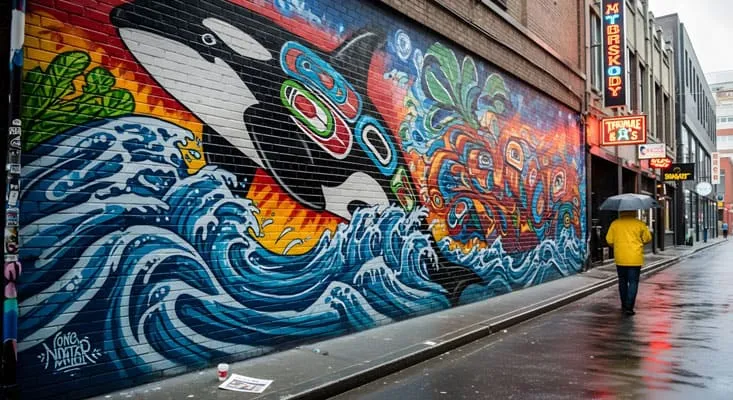
Graffiti represents a vibrant form of urban expression that reflects social, political, and cultural narratives. Often misunderstood, it conveys the voices of communities and individuals, making public spaces more relatable and alive. When integrated thoughtfully, graffiti can complement architectural elements, enriching the visual and emotional experience of an area.
It is crucial to recognize graffiti not merely as vandalism but as an artistic dialogue within the urban fabric. This recognition allows architects and planners to harness its potential while managing its impermanence responsibly.
Understanding graffiti’s role in public auditoriums and residential areas reveals opportunities to blend temporary art with permanent structures, creating environments that resonate with diverse audiences.
Techniques and Materials in Graffiti Art
Graffiti employs various techniques, from spray paint to stenciling, each offering unique aesthetic qualities. The choice of materials impacts durability and environmental footprint, especially when applied near or on public auditoriums and residential buildings.
Innovative approaches incorporating eco-friendly paints and digital projections are emerging, allowing temporary art to coexist sustainably with permanent architecture. These techniques ensure that graffiti remains a dynamic, climate-aware element that complements human-centered design.
Architects must consider these factors when integrating graffiti to maintain a balance between artistic freedom and structural conservation.
Community Impact of Graffiti in Public Spaces
- Enhances local identity and pride
- Fosters social inclusion and dialogue
- Attracts tourism and cultural interest
- Encourages youth engagement and creativity
- Can reduce vandalism by providing authorized spaces
Graffiti’s impact extends beyond aesthetics; it plays a pivotal role in community building and urban regeneration. When aligned with architectural intent, it can support social cohesion and activate neglected spaces.
Public auditoriums benefit from this interaction by becoming cultural hubs that reflect the community’s evolving character and aspirations.
Sculpture as a Bridge Between Art and Architecture
Role of Sculpture in Architectural Contexts
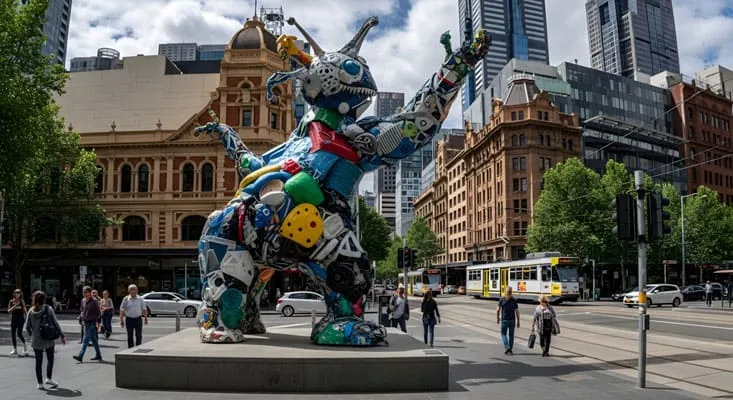
Sculpture serves as a tangible intersection of art and architecture, enhancing spatial experiences in public and residential environments. Unlike graffiti’s transient nature, sculptures offer permanence, creating landmarks that anchor community identity and memory.
In public auditoriums, sculptures can guide circulation, frame views, and act as focal points, reinforcing the architectural narrative. Their materiality and scale contribute to a calm and intentional atmosphere, complementing the built environment.
Architects incorporate sculptures not just for decoration but as integral elements that shape human interaction within spaces.
Materials and Sustainability in Sculpture
Modern sculptures increasingly use sustainable materials like recycled metals, natural stone, and bio-based composites. These choices align with climate-aware architecture, minimizing environmental impact while ensuring longevity.
Material innovation allows sculptures to withstand varying climates, particularly in outdoor public auditoriums, without compromising their artistic integrity or the surrounding architecture’s performance.
Collaboration between artists and architects is essential to balance aesthetic ambition with ecological responsibility.
Integrating Sculpture with Public Auditoriums
- Creates visual landmarks and gathering points
- Enhances acoustic and spatial dynamics
- Supports thematic storytelling and placemaking
- Encourages interaction and engagement
- Reinforces cultural and historical narratives
- Improves accessibility and wayfinding
Strategic placement of sculptures in and around public auditoriums can transform these venues into multifunctional cultural centers. Such integration respects human scale and promotes calm, intentional use of space.
Successful projects demonstrate how sculpture enriches architectural narratives while engaging diverse audiences.
| Type of Sculpture | Material | Environmental Impact |
|---|---|---|
| Metal Abstract | Recycled Steel | Low – recyclable and durable |
| Stone Figurative | Natural Granite | Medium – requires quarrying but long-lasting |
| Mixed Media | Wood and Glass | Low to Medium – depends on sourcing |
Presentations as Dynamic Cultural Platforms
Designing Spaces for Effective Presentations
- Acoustic optimization for speech clarity
- Flexible seating arrangements
- Integration of multimedia technology
- Accessibility for all users
- Natural lighting control
- Climate-responsive ventilation
- Human-centered spatial flow
Presentations are critical cultural platforms within public auditoriums and community centers. Designing these spaces requires balancing technical needs with comfort and accessibility. Acoustic treatment and multimedia integration ensure clarity and engagement, while flexible layouts accommodate diverse events.
Attention to natural lighting and ventilation supports climate-aware design, reducing energy consumption and enhancing user experience.
Technology’s Role in Modern Presentations
Technological advancements have transformed presentations, enabling interactive and immersive experiences. Smart lighting, projection mapping, and sound systems create versatile environments adaptable to various formats and audience sizes.
Incorporating these technologies within architectural frameworks demands careful planning to preserve calm and intentional space use. Systems should be discreet, enhancing rather than overwhelming the environment.
Technology thus becomes a tool that supports human-centered design rather than dominating it.
Enhancing Audience Engagement
Effective presentations rely on audience engagement, which is influenced by spatial design and artistic interventions. Incorporating elements like sculpture and graffiti-inspired visuals can enrich the atmosphere, making events more memorable.
Designing with consideration for sightlines, acoustics, and comfort promotes attentiveness and interaction. Public auditoriums that balance technology, art, and architecture foster inclusive and stimulating cultural experiences.
This approach supports slow, intentional engagement, aligning with human behavioral patterns.
Public Auditoriums as Social and Cultural Anchors
Architectural Principles for Public Auditoriums
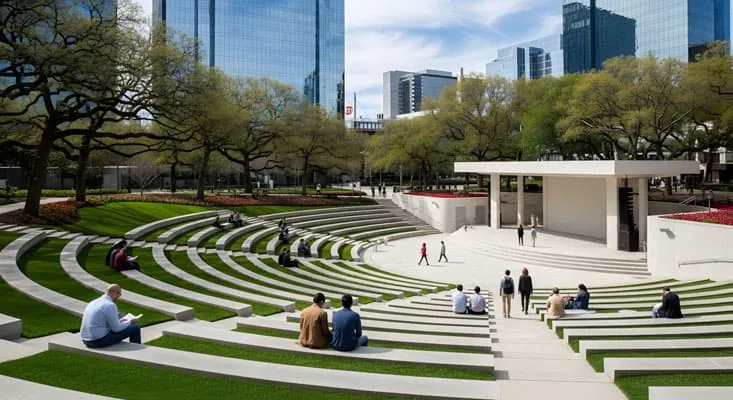
Public auditoriums serve as vital social and cultural anchors within communities, demanding architectural design that prioritizes functionality and emotional resonance. Human-centered principles emphasize accessibility, comfort, and adaptability to diverse uses.
Climate-aware strategies, including natural ventilation and shading, reduce environmental impact while enhancing user well-being. These buildings must balance permanence with flexibility, accommodating temporary art forms like graffiti and sculpture.
Intentional design fosters calm environments conducive to cultural exchange and community cohesion.
Acoustic and Spatial Design Considerations
| Feature | Benefit | Application |
|---|---|---|
| Sound Absorptive Materials | Reduces echo and noise | Walls, ceilings, and seating |
| Adjustable Acoustics | Adapt to event type | Movable panels and curtains |
| Spatial Zoning | Optimizes flow and comfort | Separate lobbies, seating, and stage areas |
Acoustic excellence is fundamental in public auditoriums, directly affecting presentations and performances. Spatial design complements acoustics by organizing audiences and performers thoughtfully. Together, these elements enhance the overall experience.
Careful material selection and innovative design solutions ensure auditoriums remain climate-conscious and user-friendly.
Community Integration and Accessibility
- Proximity to public transport and amenities
- Universal design for inclusivity
- Flexible spaces for diverse community events
- Outdoor areas for temporary art installations
Successful public auditoriums integrate seamlessly into their communities, offering accessible and welcoming environments. Designing for inclusivity ensures all users feel valued and accommodated.
Spaces for temporary art like graffiti walls or sculpture gardens encourage ongoing community participation, reinforcing the auditorium’s role as a cultural hub.
Interplay Between Temporary Art and Permanent Structures
Balancing Ephemeral and Enduring Elements
Temporary art such as graffiti offers vibrancy and immediacy, while permanent architecture provides stability and continuity.
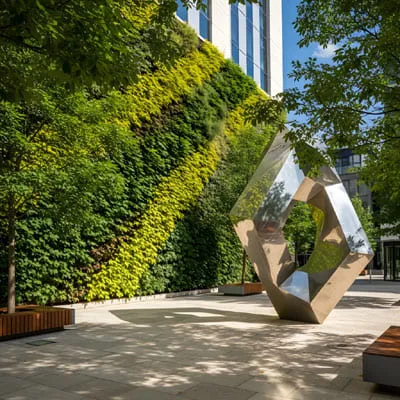
Balancing these elements requires thoughtful design that respects the transient nature of art without compromising structural integrity.
This balance enriches public auditoriums and residential areas, offering layers of meaning and experience. Architects must plan for change and adaptability, enabling spaces to evolve naturally over time.
Such an approach supports calm, intentional environments that reflect real human lifestyles.
Design Strategies for Integration
- Dedicated zones for temporary graffiti and murals
- Modular sculpture installations adaptable to site conditions
- Use of climate-resilient materials in art and architecture
- Open façades and surfaces encouraging artistic expression
- Collaborative programming between artists and architects
Design strategies involve creating frameworks that accommodate temporary art without disrupting architectural intent. This includes flexible surfaces and adaptable spaces that encourage artistic intervention while maintaining functional performance.
Collaboration ensures that all stakeholders contribute to a harmonious urban environment.
Impact on Urban Identity and Cultural Memory
The dialogue between temporary art and permanent architecture shapes urban identity, embedding cultural memory within the physical landscape. Graffiti and sculptures narrate evolving stories, while auditoriums provide venues for collective experiences and presentations.
This interplay fosters a sense of belonging and continuity, essential for human-centered urbanism. It also encourages slow engagement, allowing communities to appreciate layers of meaning over time.
By honoring both transient and enduring expressions, cities become richer, more inclusive places.
Climate-Aware Approaches in Art and Architecture
Environmental Considerations for Public Art
- Use of non-toxic, low-VOC paints for graffiti
- Preference for recycled and locally sourced sculpture materials
- Incorporation of green infrastructure elements
- Design for durability under varying weather conditions
Climate-aware public art minimizes environmental impact by selecting sustainable materials and methods. This approach aligns with architectural strategies to reduce carbon footprints and support urban resilience.
Temporary and permanent artworks alike benefit from thoughtful environmental planning, enhancing longevity and community acceptance.
Architectural Responses to Climate Challenges
Architects integrate passive design strategies like natural ventilation, solar shading, and thermal mass to enhance public auditoriums’ performance. These measures reduce reliance on mechanical systems and improve occupant comfort.
Material choices and site orientation further support climate responsiveness, ensuring buildings adapt gracefully to their environments. This holistic approach fosters calm, intentional spaces grounded in sustainability.
Incorporating art within these frameworks requires sensitivity to environmental constraints and opportunities.
Synergies Between Art, Architecture, and Climate
Combining temporary art with climate-aware architecture opens new possibilities for urban innovation. For example, green walls incorporating murals contribute to air quality and aesthetic appeal simultaneously. Sculptures made from recycled materials can shade outdoor gathering areas.
These synergies demonstrate how artistic and architectural practices can collaboratively address environmental challenges while enriching human experience.
Such integrated solutions exemplify international best practices grounded in local realities.
Residential Integration of Public Art and Architecture
Human-Centered Design in Residential Contexts
Integrating graffiti, sculpture, and presentation spaces into residential areas demands careful attention to privacy, scale, and community needs. Human-centered design ensures that these elements enhance rather than disrupt daily life.
Calm, intentional placement of artworks and auditoriums promotes social interaction and cultural vitality while respecting residents’ comfort. This approach supports slow, mindful engagement with the environment.
Designers must balance artistic ambition with practical living considerations.
Benefits of Art in Residential Public Spaces
- Enhances neighborhood identity and pride
- Encourages community participation and cohesion
- Provides informal cultural and educational opportunities
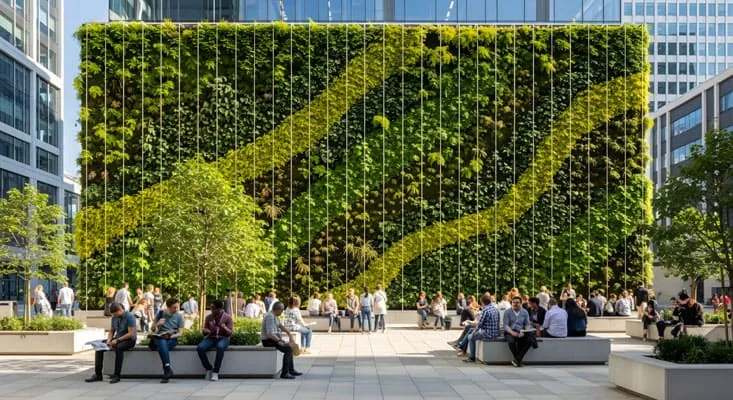
Public art in residential settings enriches communal life, offering visual interest and venues for presentations that foster connection. Sculptures and graffiti create landmarks and gathering points that animate shared spaces.
This integration supports sustainable, climate-aware urban living by promoting walkability and social inclusion.
Challenges and Solutions for Integration
Challenges include potential conflicts over noise, maintenance, and aesthetic preferences. Addressing these requires transparent community engagement and flexible design solutions that accommodate diverse needs.
Maintenance plans for temporary art and durable materials for sculptures ensure longevity and minimize disruption. Thoughtful programming of presentation events respects residential rhythms and privacy.
Successful integration results from ongoing dialogue between architects, artists, and residents.
Future Directions for Graffiti, Sculpture, and Public Auditoriums
Innovations in Material and Digital Art Forms
Emerging materials such as smart surfaces and augmented reality expand possibilities for graffiti and sculpture within public auditoriums. Digital projections and interactive installations can transform spaces temporarily without physical alteration.
These innovations offer climate-friendly alternatives to traditional materials, enabling dynamic, adaptable environments. Architects must anticipate and accommodate these trends to future-proof their designs.
Integrating technology enhances human-centered experiences and cultural engagement.
Policy and Planning for Sustainable Cultural Spaces
- Developing guidelines for authorized graffiti zones
- Supporting artist-architect collaborations
- Incentivizing use of sustainable materials
- Ensuring accessibility and inclusivity in design
- Promoting multi-use public auditoriums
Policy frameworks shape how graffiti, sculpture, and presentations coexist within urban environments. Sustainable cultural spaces require coordinated planning that aligns artistic expression with climate and social goals.
Municipalities and design professionals must work together to foster vibrant, inclusive, and resilient public realms.
Global Perspectives and Local Grounding
International architectural trends increasingly emphasize the integration of art and culture in public spaces, balanced with local climate and social conditions. This approach respects unique community identities while benefiting from global best practices.
Grounded design prioritizes human experience and environmental stewardship, ensuring that public auditoriums and associated art forms remain relevant and sustainable.
The future lies in adaptable, intentional spaces that evolve with their communities.
Permanent Architecture
The relationship between graffiti, sculpture, presentations, and public auditoriums reveals a rich dialogue between temporary art and permanent architecture. Thoughtful integration of these elements fosters climate-aware, human-centered spaces that support community engagement and cultural vitality.
By embracing this interplay, architects and planners can create calm, intentional environments that resonate with how people live, enhancing both residential and public realms. Reflecting on this balance encourages us to envision cities where art and architecture coexist sustainably and meaningfully.
Frequently Asked Questions (FAQ)
What Distinguishes Graffiti from Other Forms of Public Art?
Graffiti is characterized by its spontaneous, temporary nature and urban context, often serving as direct social or political commentary. Unlike permanent sculptures, it engages dynamically with the environment and community, reflecting immediate cultural expressions.
How Can Sculptures Enhance the Function of Public Auditoriums?
Sculptures contribute by creating focal points, guiding movement, and improving acoustics. They can embody cultural narratives, enrich spatial experiences, and foster interaction, making public auditoriums more inviting and meaningful places.
What Design Factors Improve Presentations in Public Auditoriums?
Key factors include acoustic clarity, flexible seating, integrated technology, natural lighting control, and accessibility. These elements collectively create comfortable, adaptable spaces that support diverse events and audience engagement.
How Does Climate-aware Design Influence Public Art Installations?
Climate-aware design guides the selection of sustainable, durable materials and placement strategies that mitigate environmental impact. It ensures that public art withstands weather conditions while complementing energy-efficient architectural features.
What Challenges Exist When Integrating Art Into Residential Areas?
Challenges include managing noise, respecting privacy, maintenance concerns, and aesthetic differences. Solutions involve community engagement, flexible programming, durable materials, and human-centered design that balances artistic and residential needs.
Sources: