Last updated on September 14th, 2026 at 05:25 pm
Integrating tropical plants within residential landscapes offers a unique opportunity to blend natural beauty with sustainable living. Tropical plants, forest, environment elements not only enhance aesthetic appeal but also contribute to healthier microclimates and biodiversity. Understanding how to select low-maintenance tropical species is essential for busy homeowners seeking a balance between lush greenery and manageable care.
Many tropical plants demand specific environmental conditions that mimic their native forest habitats. However, busy lifestyles often limit the time and resources available for garden upkeep. This creates a challenge but also an opportunity to choose resilient, climate-adapted vegetation that supports environmental goals without overwhelming daily routines.
In this article, we will explore various tropical plants suited to residential use, focusing on their environmental benefits, care requirements, and practical integration. You will gain insights into designing calm, intentional spaces that respect both human needs and ecological integrity.
Understanding Tropical Plants and Their Role in Forest Environments
Characteristics of Tropical Plants in Residential Settings
Tropical plants are defined by their origin in warm, humid climates, often within dense forest ecosystems. Their adaptability to varying light and moisture levels makes them ideal for creating micro-environments within residential landscapes. These plants typically have broad leaves, vibrant colors, and unique textures that contribute to a dynamic yet calming atmosphere.
In residential applications, tropical plants help moderate temperatures by providing shade and increasing humidity, mimicking forest conditions. They also support local fauna, attracting pollinators and birds, thereby enriching the home’s immediate environment.
Choosing species that thrive in your local climate reduces the need for excessive watering or fertilization, aligning with sustainable practices and ensuring long-term garden health.
Environmental Benefits of Incorporating Forest Elements
Integrating forest-like vegetation into residential spaces improves air quality by filtering pollutants and producing oxygen. Tropical plants sequester carbon dioxide efficiently, which is crucial for mitigating urban heat island effects. They also enhance soil quality through leaf litter and root systems that prevent erosion.
These environmental benefits extend to stormwater management, where dense foliage slows runoff and promotes groundwater recharge. Additionally, forest-inspired gardens create cooler microclimates, reducing reliance on energy-intensive cooling systems indoors.
Such ecological functions underscore the importance of designing with environmental awareness, promoting resilience against climate variability.
How Tropical Plants Reflect Broader Environmental Goals
Using tropical plants thoughtfully in residential design aligns with global efforts to preserve biodiversity and combat climate change. Forest-inspired gardens act as small-scale ecosystems, supporting native wildlife and enhancing urban green corridors.
This approach encourages a human-centered relationship with nature, emphasizing slow, intentional growth rather than rapid, decorative changes. By prioritizing environmental integration over aesthetics alone, homeowners contribute to healthier, more sustainable communities.
Embracing tropical plants in architecture and landscaping fosters a deeper appreciation of natural cycles and promotes environmental stewardship.
Selecting Climate-Adapted Tropical Plants for Sustainable Living
Key Factors When Choosing Resilient Tropical Species
- Climate compatibility: Selecting plants suited to local temperature and humidity
- Water requirements: Preferring drought-tolerant or low-water-demand species
- Soil adaptability: Choosing plants that thrive in native soil conditions
- Pest and disease resistance: Opting for species less prone to infestations
- Growth habits: Considering size and spread to fit residential spaces
Understanding these factors ensures the selection of tropical plants that require minimal intervention while maintaining vibrancy. Matching species to microclimates within the property further enhances survival rates and reduces maintenance.
Long-term sustainability depends on this careful alignment between plant biology and environmental conditions.
Examples of Low-Maintenance Tropical Plants
Several tropical species have proven resilient in diverse residential environments. Popular choices include the Snake Plant (Sansevieria), known for its drought tolerance and air-purifying qualities.
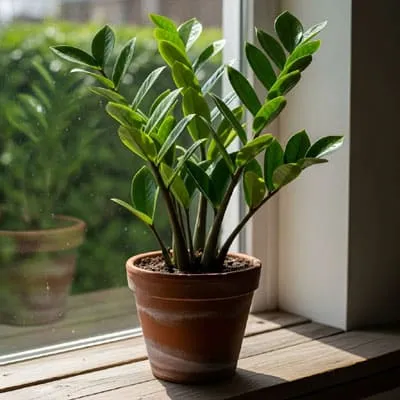
The ZZ Plant (Zamioculcas zamiifolia) thrives in low light and requires little water, making it ideal for shaded areas.
Other notable species are the Peace Lily (Spathiphyllum), offering lush foliage with minimal care, and the Bromeliad family, which adapts well to humid conditions without demanding frequent attention.
These plants exemplify how tropical vegetation can be both environmentally beneficial and practical for busy lifestyles.
Comparing Tropical Plant Varieties for Residential Use
| Plant Species | Water Needs | Light Preference |
|---|---|---|
| Snake Plant (Sansevieria) | Low | Indirect light |
| ZZ Plant (Zamioculcas) | Low | Low to medium light |
| Peace Lily (Spathiphyllum) | Medium | Shade to indirect light |
| Bromeliads | Low to medium | Bright indirect light |
Designing Residential Spaces Inspired by Tropical Forests
Creating Calm and Intentional Outdoor Environments
- Incorporate layered planting to mimic forest strata
- Use natural materials like wood and stone for pathways and seating
- Design water features that replicate natural streams or ponds
- Integrate shaded areas using trees or pergolas for comfort
- Focus on slow growth and seasonal changes to encourage mindfulness
Designing with tropical plants involves more than decoration; it is about creating spaces that foster tranquility and connection to nature. Intentional placement and layering of plants replicate forest structures, providing visual depth and ecological function.
Natural materials complement the vegetation, reinforcing a cohesive, grounded aesthetic that supports relaxation and reflection.
Balancing Human Needs and Environmental Considerations
Successful tropical landscapes anticipate human interaction and environmental stewardship simultaneously.
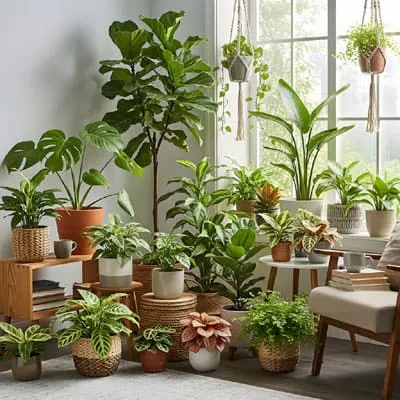
Paths and seating should accommodate daily activities without disturbing plant health. Shade and wind protection enhance usability while promoting plant vitality.
Water management systems must be integrated discreetly, ensuring sufficient hydration without waste. Native or well-adapted tropical species reduce chemical inputs, supporting a healthier environment.
This balance ensures that gardens remain both functional and ecologically responsible.
Using Tropical Plants to Enhance Indoor-Outdoor Connectivity
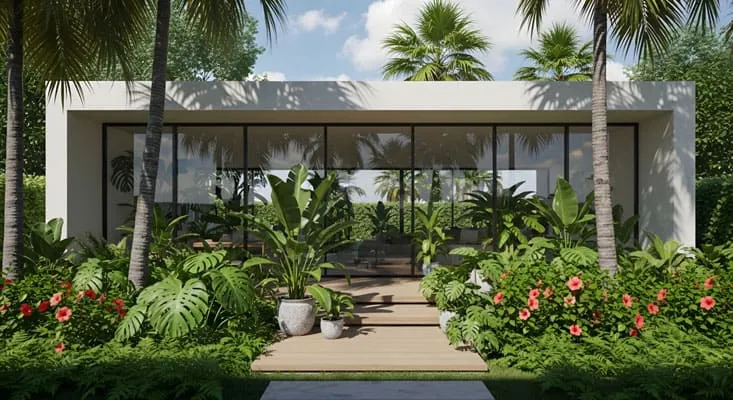
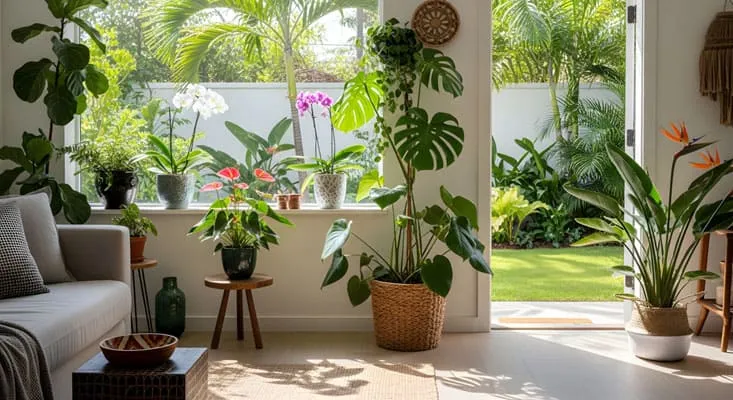
Bridging indoor and outdoor spaces with tropical plants creates seamless transitions that extend living areas. Large-leafed species near windows or patios soften architectural lines and invite the forest environment into the home.
Vertical gardens and container plantings allow flexibility in small spaces, enhancing air quality and aesthetic appeal. Selecting species that thrive indoors and outdoors provides continuity and ease of maintenance.
This integration supports a holistic living environment centered on well-being and environmental awareness.
Practical Care Strategies for Tropical Plants in Urban Contexts
Watering and Soil Management Techniques
- Utilize drip irrigation or self-watering systems to conserve water
- Apply organic mulch to retain soil moisture and suppress weeds
- Ensure well-draining soil to prevent root rot
- Test soil pH periodically and amend as necessary
Proper watering and soil care are paramount for tropical plants outside their native forest environments. Automated watering reduces human error and conserves resources. Mulching mimics the forest floor, supporting soil health and microbial activity.
Attention to drainage and soil chemistry ensures robust root systems and plant longevity.
Optimizing Light and Temperature Conditions
Tropical plants often require filtered sunlight similar to their natural understory habitat. Using shade cloths or planting beneath larger trees replicates this environment. Positioning plants to avoid harsh midday sun prevents leaf scorch.
In urban settings, temperature fluctuations can be more pronounced; thus, selecting cold-hardy tropical species or using microclimates near building walls can mitigate extremes. Seasonal adjustments in placement may be necessary to maintain optimal conditions.
Understanding these factors supports plant health and reduces maintenance needs.
Pest Control with Minimal Environmental Impact
Integrated pest management (IPM) prioritizes natural predators and biological controls over chemicals. Encouraging beneficial insects such as ladybugs and lacewings helps regulate pests. Regular inspection and early detection prevent infestations from escalating.
Neem oil and insecticidal soaps provide organic treatment options when necessary. Maintaining plant health through proper care reduces vulnerability to pests.
This approach aligns with ecological responsibility and supports the overall forest-inspired ecosystem.
Enhancing Biodiversity Through Tropical Plant Integration
Supporting Pollinators and Native Wildlife
- Plant flowering species that bloom at different times for continuous nectar supply
- Include host plants for butterflies and other beneficial insects
- Provide shelter through dense foliage and natural debris
- Use native tropical plants to support local ecosystems
- Limit pesticide use to protect beneficial organisms
Incorporating tropical plants thoughtfully enhances habitat quality for pollinators and native fauna. Diverse bloom periods ensure sustained food sources, while structural variety offers shelter and breeding sites.
Choosing native or regionally adapted tropical species fosters ecological balance and resilience.
Creating Microhabitats Within Residential Landscapes
Microhabitats such as shaded moist areas, sunny clearings, and water features replicate the complexity of tropical forests. These niches support varied species, increasing overall biodiversity.
Layered planting and thoughtful site planning encourage natural processes like decomposition and nutrient cycling. This complexity benefits both plants and animals, enhancing garden health.
Designing with microhabitats requires understanding species’ ecological roles and interactions.
Comparative Table of Tropical Plants for Biodiversity Support
| Plant Species | Pollinator Attraction | Wildlife Shelter |
|---|---|---|
| Heliconia | High | Moderate |
| Orchidaceae | Moderate | Low |
| Ferns | Low | High |
| Bromeliads | Moderate | Moderate |
Architectural Integration of Tropical Plants in Human-Centered Design
Incorporating Vegetation Into Building Envelopes
Tropical plants can be integrated into facades, green walls, and rooftops to enhance building performance. These installations improve insulation, reduce heat gain, and increase urban biodiversity. Selecting species with appropriate growth habits prevents structural damage and facilitates maintenance.
Green facades soften architectural lines and contribute to a sensory-rich environment. Incorporation should consider access for care and the potential interaction with building materials.
Such integration reflects an architectural approach that values environmental synergy and human experience.
Designing with Natural Light and Ventilation
Plants influence indoor air quality and thermal comfort by modulating humidity and filtering pollutants. Positioning tropical plants near operable windows enhances natural ventilation and daylighting strategies.
Architectural elements such as pergolas or screens with climbing tropical species create shaded outdoor rooms that extend living space while reducing energy loads.
This approach supports slow, intentional living by connecting occupants to natural rhythms and improving well-being.
Materiality and Texture Complementing Tropical Vegetation
Architectural surfaces using natural materials like bamboo, stone, and reclaimed wood harmonize with tropical plant textures. These materials age gracefully and require minimal maintenance, paralleling the low-maintenance philosophy of plant selection.
Textural contrast between plants and built elements adds depth and interest without overwhelming the senses. Using neutral palettes allows the vibrant greens and colors of tropical plants to stand out thoughtfully.
This synergy enhances the sensory experience and fosters calm, intentional spaces.
Maintenance Planning for Long-Term Tropical Gardens
Seasonal Care and Routine Maintenance Tasks
- Pruning to manage growth and maintain plant health
- Cleaning debris to prevent pests and diseases
- Checking irrigation systems for efficiency
- Monitoring soil nutrients and amending as needed
Developing a maintenance calendar helps busy homeowners stay on top of essential tasks without feeling overwhelmed. Regular attention prevents problems and supports vigorous plant growth.
Seasonal adjustments ensure plants adapt to changing environmental conditions effectively.
Tools and Techniques for Efficient Garden Management
Using ergonomic tools reduces physical strain during garden care.
Mulching and ground covers minimize weed growth, saving time. Incorporating slow-release fertilizers ensures steady nutrient availability without frequent application.
Technology, such as soil moisture sensors and automated irrigation, aids in precise resource use. Combining these with manual care creates a balanced, effective maintenance routine.
Efficiency is key to sustaining tropical gardens alongside busy urban lifestyles.
Cost and Resource Considerations over Time
| Maintenance Aspect | Initial Cost | Ongoing Cost |
|---|---|---|
| Irrigation System | Moderate | Low |
| Plant Replacement | Varies | Low to Moderate |
| Fertilizers & Soil Amendments | Low | Low |
| Pest Management | Low | Low |
Tropical Plants
Choosing tropical plants for residential environments requires a thoughtful balance between ecological benefits, aesthetic appeal, and maintenance practicality.
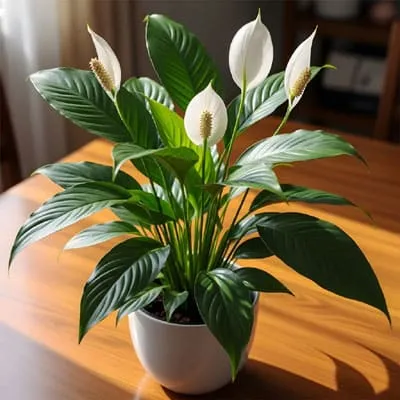
Understanding the characteristics of tropical plants, forest ecosystems, and environmental considerations enables homeowners to create resilient, sustainable gardens suited to busy lifestyles.
By integrating these plants thoughtfully into architectural design and maintenance routines, it is possible to foster calm, intentional spaces that support both human well-being and environmental health. Embracing tropical plants within the residential context invites a deeper connection to nature and encourages responsible stewardship of our shared environment.
Frequently Asked Questions (FAQ)
What Are the Best Low-maintenance Tropical Plants for Small Residential Gardens?
Some of the best low-maintenance tropical plants for small gardens include Snake Plant, ZZ Plant, Peace Lily, and Bromeliads. These species require minimal watering, adapt well to various light conditions, and resist common pests, making them ideal for busy homeowners.
How Do Tropical Plants Improve the Residential Environment?
Tropical plants enhance residential environments by improving air quality, moderating temperatures, supporting biodiversity, and creating calming, natural aesthetics. They also contribute to soil health and water management, fostering a sustainable and healthier living space.
Can Tropical Plants Thrive in Urban Areas with Fluctuating Climates?
Yes, many tropical plants can adapt to urban microclimates if selected carefully. Choosing species that tolerate temperature variations and providing appropriate care, such as shading and watering adjustments, helps them thrive even in less predictable environments.
What Are Effective Pest Control Methods for Tropical Plants Without Using Chemicals?
Effective pest control methods include encouraging natural predators like ladybugs, using organic treatments such as neem oil and insecticidal soaps, and maintaining plant health through proper watering and pruning. Early detection and manual removal of pests also reduce chemical use.
How Can I Integrate Tropical Plants Into My Home’s Architecture?
You can integrate tropical plants into your home’s architecture by using green walls, rooftop gardens, indoor container plants near windows, and shaded outdoor spaces with pergolas. Selecting appropriate species and materials creates a harmonious connection between built and natural environments.

Architect with extensive experience in residential and commercial design, including renovations and modular construction. Love to share information about Architecture, home and lifestyle in this blog.