
The concept of less is more has become a defining principle in contemporary home design, emphasizing simplicity, intentionality, and quality over quantity. This approach matters because it aligns with how people truly live, promoting calm, functional spaces that respect both the environment and human experience. Embracing less is more means starting with a clear vision focused on meaningful design, rather than excess or decoration.
Thank you for reading this post, don't forget to subscribe!In today’s architectural landscape, the challenge lies in balancing aesthetic restraint with comfort and sustainability. Climate-aware design paired with a human-centered approach reveals an opportunity to create homes that are not only elegant but also practical and eco-friendly. The less is more philosophy encourages thoughtful choices that reduce waste and enhance everyday living.
This article explores how the principle of less is more transforms residential architecture into a calm, intentional, and slow-paced lifestyle. We will examine practical strategies, material selections, and design philosophies that make minimalism a powerful tool for better homes worldwide.
Embracing Minimalism: The Essence of Less is More
The Origins and Meaning of Less is More
“Less is more” is a phrase famously attributed to architect Ludwig Mies van der Rohe, who championed minimalism as a design philosophy that values simplicity and clarity. This principle encourages stripping away the unnecessary to highlight essential elements, allowing the architecture to breathe and interact organically with its inhabitants.
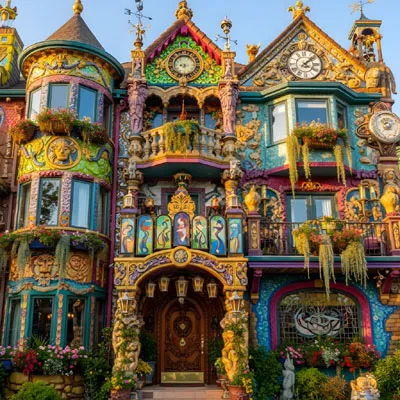
Minimalism in home design is about creating spaces that feel open, calm, and purposeful. It reduces visual clutter and focuses attention on quality materials, natural light, and spatial flow. This approach contrasts sharply with maximalist trends that prioritize ornate decoration.
By adopting less is more, architects and homeowners foster environments that nurture well-being and sustainability, emphasizing longevity and adaptability rather than fleeting trends.
Core Principles Behind Minimalist Residential Design
At the heart of less is more in residential design are principles such as simplicity, functionality, and intentionality. These guide choices about layout, materials, and furnishings, ensuring each element serves a purpose. The result is a home that is human-centered and climate-aware, tailored to real living patterns.
Designers focus on natural light, efficient spatial use, and reducing energy consumption. Materials are chosen not only for aesthetics but also for durability and environmental impact. These core principles create homes that feel grounded and international in appeal, yet deeply personal.
Less is more also implies slow design—taking time to consider every detail and resisting the urge to fill every corner. This considered process leads to spaces that age gracefully and adapt to changing needs.
Benefits of Adopting a Less is More Approach
Homes designed with less is more gain benefits beyond aesthetics. They enhance mental clarity by reducing visual noise and create environments conducive to relaxation and focus. Furthermore, simplicity often leads to easier maintenance and cleaning, saving time and stress for occupants.
Environmental benefits include lower energy consumption and reduced material waste, aligning with climate-conscious living. Financially, investing in quality over quantity often results in longer-lasting homes and furnishings, reducing replacement costs.
Ultimately, less is more supports a lifestyle that values calm, intentional living, fostering spaces that feel welcoming and resilient amid modern challenges.
Streamlining Space: Practical Applications of Less is More
Design Strategies for Efficient Space Utilization
- Open floor plans to maximize natural light and airflow
- Multi-functional furniture that adapts to different needs
- Built-in storage solutions to minimize clutter
- Neutral color palettes to create visual calm
- Clear circulation paths to enhance movement and flow
Efficient use of space is fundamental in expressing less is more. By removing unnecessary walls and partitions, homes feel larger and more connected. Furniture that serves multiple purposes reduces the need for excess pieces, maintaining simplicity.
Storage is cleverly integrated to keep belongings out of sight, preserving the clean lines of the design. Neutral colors and natural materials further enhance the sense of calm and openness, essential for a human-centered environment.
Material Choices That Reflect Simplicity
Choosing materials that are honest, durable, and environmentally responsible lies at the heart of less is more. Natural wood, stone, and concrete are favored for their timeless appeal and low environmental footprint. These materials develop character over time, adding subtle texture without overwhelming the senses.
Low-VOC ( volatile Organic Compound) paints and finishes improve indoor air quality, supporting health and comfort. The palette remains restrained, emphasizing subtle contrasts and natural imperfections. This approach helps homes age gracefully rather than become dated.
By prioritizing quality over quantity in materials, designers create spaces that feel authentic and grounded, aligning with both international standards and local contexts.
Climate-Conscious Design in Minimalist Homes
| Design Element | Less Is More Approach | Environmental Impact |
|---|---|---|
| Window Placement | Maximize daylight, minimize heat gain | Reduces energy for lighting and cooling |
| Insulation | High-performance, sustainable materials | Improves energy efficiency |
| Ventilation | Natural cross-ventilation design | Enhances indoor air quality, lowers HVAC use |
Integrating climate-aware strategies is essential when applying less is more. Thoughtful orientation, insulating materials, and natural ventilation reduce reliance on mechanical systems. These methods respect the environment and create healthier indoor environments.
This approach complements minimalist principles by emphasizing efficiency and reducing complexity in building systems, leading to homes that perform well throughout seasons.
Human-Centered Design: Making Less is More Livable
Designing for Human Experience and Comfort
- Ergonomic layouts that support daily routines
- Spaces that promote connection and privacy
- Natural materials that enhance tactile comfort
- Incorporation of biophilic elements such as plants and natural light
- Flexible spaces adaptable to changing needs
- Quiet zones for relaxation and focus
Less is more becomes truly successful when it serves the people living in the space. Ergonomic design ensures comfort and ease of movement, reducing strain and enhancing quality of life. Homes are designed to support both social interaction and solitude, balancing openness with privacy.
Natural materials and biophilic design elements create sensory connections to nature, improving well-being. Flexibility allows spaces to evolve with the household’s changing needs, embodying slow, intentional living.
Balancing Aesthetics with Practicality
Minimalist homes are often perceived as purely aesthetic, but the best designs prioritize practicality. This means selecting finishes and furnishings that are durable and easy to maintain. Surfaces are chosen for their longevity and resistance to wear.
Visual simplicity is paired with purposeful storage and organization, reducing frustration and clutter. The balance between beauty and function ensures the home remains inviting and usable, not sterile or overly sparse.
By focusing on how people actually live, designers create spaces that feel alive and welcoming, not just architecturally impressive.
Creating Calm and Intentional Spaces
Calmness is a central goal of less is more, achieved through deliberate design choices. Minimal distractions, subdued color palettes, and natural light help create serene environments.
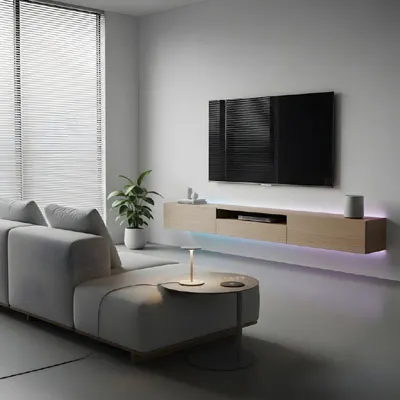
Intentionality means every element has meaning and purpose, contributing to emotional well-being.
Slow design encourages mindfulness and presence, allowing occupants to fully inhabit their spaces. This approach nurtures mental clarity and reduces stress, aligning with contemporary needs for mental health support.
The result is a home that feels like a sanctuary, supporting restful and meaningful living patterns.
International Perspectives on Less is More in Architecture
Global Trends Influencing Minimalist Residential Design
- Scandinavian simplicity and functionality
- Japanese wabi-sabi and imperfection appreciation
- European sustainable building certifications
- Australian indoor-outdoor living concepts
- North American focus on wellness and biophilia
- Emerging markets embracing compact living
- Cross-cultural fusion of traditional and modern elements
Minimalism in home design is a global phenomenon shaped by diverse cultural values. Scandinavian design emphasizes warmth and utility, while Japanese architecture embraces imperfection and natural materials.
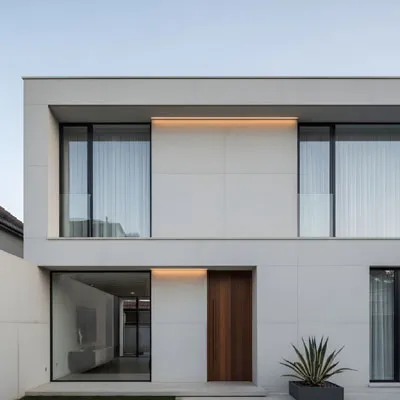
Europe leads with sustainability certifications that align with less is more principles.
Australia’s emphasis on indoor-outdoor flow and North America’s wellness trends further enrich the approach. Emerging urban centers worldwide adopt compact, efficient housing to respond to population growth, blending traditional and contemporary design.
This international perspective showcases the adaptability and relevance of less is more on a global scale.
Comparing Regional Material Preferences
| Region | Preferred Materials | Environmental Considerations |
|---|---|---|
| Scandinavia | Wood, stone, wool textiles | Local sourcing, carbon footprint reduction |
| Japan | Bamboo, rice paper, natural fiber | Renewable resources, biodegradability |
| Europe | Recycled steel, concrete, natural insulation | Energy efficiency, lifecycle analysis |
Material choices vary by region but share a common goal of sustainability and simplicity. Local availability and climate largely dictate preferences, ensuring that less is more remains responsive to environmental context. This respect for place enhances the authenticity and performance of homes worldwide.
Adapting Minimalism to Local Climates and Cultures
Successful minimalist design adapts to regional climates and cultural practices. In hot climates, less is more may mean prioritizing shading, ventilation, and thermal mass. In colder areas, insulation and compact forms minimize heat loss. Cultural habits influence layout and material choice, aligning with daily rituals and community values.
This adaptability ensures that less is more is not a one-size-fits-all concept but a flexible framework. It respects local identity while promoting universal values of simplicity and sustainability.
Architects working internationally must balance these factors to create meaningful, climate-aware homes.
Slow Living and Intentional Architecture
Philosophy of Slow Living in Home Design
- Prioritizing quality over speed and quantity
- Designing for longevity and adaptability
- Encouraging mindfulness through space and rhythm
- Reducing environmental impact with thoughtful choices
- Creating spaces that foster connection and reflection
Slow living emphasizes a deliberate pace, encouraging occupants to engage deeply with their environment. Architecture that supports this philosophy focuses on durability, flexibility, and emotional resonance, all core to the less is more mindset. Homes become places of refuge and renewal.
This approach counters fast-paced lifestyles and disposable design culture, fostering sustainable and fulfilling living.
Techniques for Achieving Intentionality in Architecture
Intentional architecture involves careful planning, material honesty, and spatial clarity. Architects use restrained palettes and simple forms to create coherent narratives.
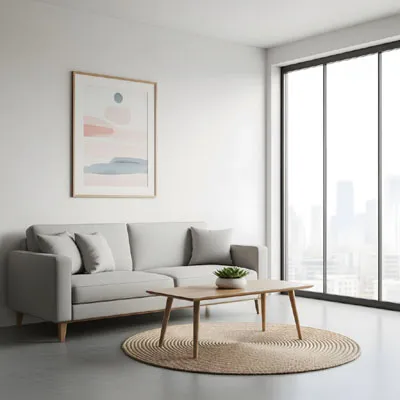
Every design choice is scrutinized for its necessity and impact, avoiding superfluous elements.
Intentionality also means designing with future adaptability in mind, allowing homes to evolve with inhabitants. This foresight reduces waste and promotes long-term satisfaction. The process itself often involves collaboration and reflection, deepening the connection between architect and client.
Ultimately, intentional design transforms a house into a meaningful home.
Impact of Slow and Intentional Design on Well-being
Homes designed with slow, intentional principles support mental and physical health by reducing stress and enhancing comfort. The calm, uncluttered environments foster relaxation and focus, while natural materials and lighting improve sensory experiences.
Intentional spaces encourage mindful living, helping occupants slow down and appreciate their surroundings. This contributes to overall well-being, productivity, and happiness, proving that less is more extends beyond aesthetics into life quality.
Such design helps counterbalance modern urban stressors, making it highly relevant today.
Technology and Innovation Supporting Less is More
Smart Home Integration for Simplified Living
Technology can enhance less is more by streamlining home operations and reducing clutter. Smart systems automate lighting, heating, and security, creating seamless, efficient environments. This reduces the need for multiple devices and manual controls, supporting simplicity and intentionality.
Integration with renewable energy sources and energy monitoring further aligns with climate-aware goals. Technology becomes a discreet servant to the architecture rather than a distraction, maintaining calm and functionality.
Smart homes embody the best of minimalism by blending innovation with human-centered design.
Innovative Materials and Sustainable Solutions
New materials such as cross-laminated timber, recycled composites, and bio-based insulation are revolutionizing minimalist design. These innovations reduce environmental impact while offering durability and aesthetic appeal. Their use supports less is more by enabling lighter, simpler structures with improved performance.
Sustainable solutions like rainwater harvesting and passive solar design complement these materials, creating homes that are both elegant and eco-friendly. This synergy between innovation and simplicity defines the future of residential architecture.
Adopting such technologies ensures minimalism remains relevant and responsible.
Digital Tools Facilitating Intentional Design
| Tool | Function | Benefit to Less Is More |
|---|---|---|
| BIM (Building Information Modeling) | 3D modeling and data management | Enhances precision and reduces waste |
| Energy Simulation Software | Predicts building performance | Optimizes energy efficiency and comfort |
| Virtual Reality (VR) | Immersive design visualization | Enables informed decision-making |
Digital tools allow architects to explore minimalist concepts thoroughly before construction. BIM facilitates collaboration and accuracy, minimizing errors and excess materials. Energy modeling ensures climate-aware choices, while VR helps clients experience the space and make intentional selections.
These tools support a more thoughtful, efficient design process aligned with less is more values.
Measuring Success: Performance and Impact of Less is More Homes
Assessing Environmental Performance
Less is more homes are evaluated on energy use, carbon footprint, and resource efficiency. Metrics such as energy consumption per square foot and embodied carbon provide tangible measures of sustainability. Successful designs demonstrate reduced reliance on fossil fuels and minimal waste production.
Post-occupancy evaluations assess how well the home performs in real life, informing continuous improvement. This data-driven approach ensures that minimalism delivers not only on aesthetics but also on measurable environmental goals.
Continued innovation and monitoring keep the philosophy relevant and impactful.
Evaluating Resident Satisfaction and Well-being
Resident feedback is crucial in gauging the success of less is more design. Surveys and interviews reveal how occupants experience comfort, functionality, and emotional connection to their homes. High satisfaction often correlates with thoughtful layouts, natural materials, and calm environments.
Designers use this information to refine future projects and validate the human-centered approach. Ultimately, well-being is the truest indicator of success, reflecting the principle’s core intent.
Positive outcomes encourage wider adoption of minimalist ideals.
Long-Term Economic Benefits
- Lower operating costs due to energy efficiency
- Reduced maintenance and replacement expenses
- Increased property value from timeless design
- Potential incentives for sustainable construction
Less is more homes often demonstrate compelling economic advantages over time. Efficient systems and durable materials lower utility and upkeep costs. The timeless aesthetic appeals to a broad market, maintaining or increasing property value.
Additionally, many jurisdictions offer financial incentives for sustainable building, further enhancing economic feasibility. These benefits make less is more a smart investment for homeowners and developers alike.
Well-being homes
The principle of less is more continues to redefine residential design by prioritizing simplicity, sustainability, and human experience. It encourages architects and homeowners to focus on quality, intentionality, and climate responsiveness, creating homes that nurture well-being and withstand the test of time.
By embracing less is more, we foster living spaces that are calm, adaptable, and deeply connected to both local context and global trends. This philosophy invites us all to consider how thoughtful simplicity can enhance our daily lives and the environment.
Frequaently Asked Questions (FAQ)
What Does “less is More” Mean in Residential Design?
“Less is more” in residential design means prioritizing simplicity and functionality over excessive decoration. It focuses on creating calm, intentional spaces that serve the occupants’ needs while reducing waste and complexity. The approach emphasizes quality materials, efficient layouts, and sustainability.
How Can Less is More Contribute to Energy Efficiency?
By using strategies like natural lighting, proper insulation, and efficient ventilation, less is more reduces energy consumption. The design minimizes reliance on artificial heating, cooling, and lighting, which lowers utility costs and environmental impact.
Is Less is More Suitable for Small Homes?
Yes, less is more is especially effective in small homes. It maximizes space through multifunctional furniture, open layouts, and integrated storage, making compact living comfortable and uncluttered without sacrificing style or function.
How Does Less is More Relate to Slow Living?
Less is more aligns with slow living by encouraging intentional design and mindful use of space. It creates environments that promote calmness, reflection, and a slower pace, supporting mental well-being and sustainable lifestyles.
Can Technology Support a Less is More Design Approach?
Absolutely. Smart home technologies can simplify household management, reduce clutter, and improve energy efficiency. Digital tools also help architects design with precision, ensuring intentionality and minimal waste in construction.