
The tallest buildings in the world have long fascinated architects, engineers, and urban planners alike. These massive structures embody the pinnacle of skyscraper architecture and provide invaluable structural design lessons that influence modern construction. Understanding how these buildings are conceived and realized matters not only for pushing height records but for improving safety, sustainability, and human-centered living environments.
Thank you for reading this post, don't forget to subscribe!Today’s skyscrapers face challenges beyond mere height, including climate responsiveness, residential integration, and structural efficiency. With urban populations growing, these towers offer unique opportunities to rethink how architecture can serve people intentionally, calmly, and sustainably. Exploring their design strategies reveals methods to balance aesthetics, function, and resilience in complex environments.
This article delves into the essential lessons drawn from the world’s tallest buildings, focusing on skyscraper architecture and structural design insights. We will examine design innovations, material advances, and the human-centered approaches that make these landmarks more than just feats of engineering—they become models for future urban living.
Innovations in Skyscraper Architecture and Design
Evolution of Tall Building Concepts
The evolution of skyscraper architecture reflects a continuous quest to optimize both form and function. Early designs focused largely on maximizing height, but modern concepts integrate sustainability, climate adaptability, and human experience.
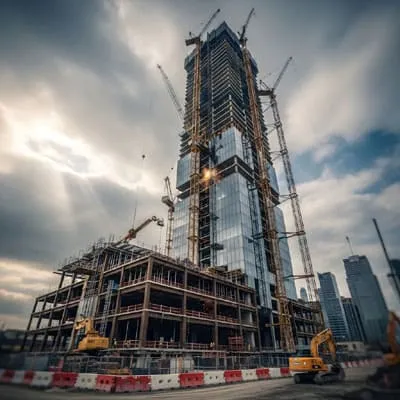
Architects now prioritize balancing structural integrity with aesthetic simplicity, ensuring buildings respond well to environmental forces such as wind and seismic activity.
Advanced computational modeling allows for more daring shapes and efficient use of materials, reducing weight while maintaining strength. Additionally, innovations such as sky gardens, mixed-use spaces, and energy-efficient facades contribute to a more holistic approach.
These developments illustrate a shift from decorative excess toward purposeful, intentional architecture that respects human scale even at the tallest heights.
Material Advances Driving Structural Integrity
Material science plays a crucial role in skyscraper architecture. The use of high-strength concrete, composite steel, and innovative glass technologies has enabled buildings to reach unprecedented heights safely. These materials not only improve load-bearing capacity but also enhance durability against wear and environmental stressors.
Lightweight yet strong materials reduce the overall mass, minimizing foundation pressure and improving seismic performance. Additionally, reflective and insulating glass systems contribute to climate control inside the tower, reducing energy consumption.
Material innovation supports both the structural and environmental goals of contemporary skyscraper design, allowing architects to envision taller, more sustainable towers.
Structural Systems That Shape the Skyline
Structural systems such as bundled tubes, outrigger walls, and diagrid frameworks are central to the success of the tallest buildings.
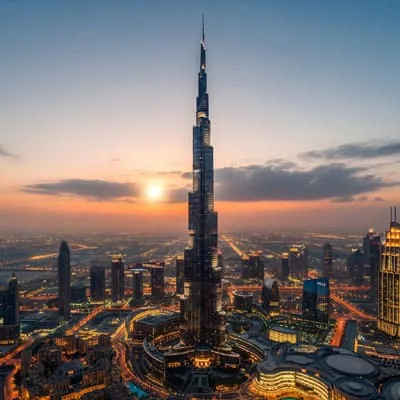
These systems distribute loads efficiently, resist lateral forces like wind, and maintain stability without excessive use of materials.
For example, the bundled tube system used in buildings like the Willis Tower provides rigidity and flexibility, enabling the structure to sway safely during storms or earthquakes. Outriggers connect the core to perimeter columns, enhancing stiffness and reducing displacement.
Understanding these structural design lessons is key for architects and engineers aiming to create resilient skyscrapers that perform reliably under complex conditions.
Structural Design Lessons from the Tallest Buildings
Key Principles for Stability and Safety
- Load Distribution: Efficiently transferring vertical and lateral loads through core and perimeter systems.
- Wind Resistance: Implementing aerodynamic shapes and damping systems to mitigate sway.
- Seismic Design: Incorporating flexible joints and base isolators to absorb earthquake forces.
- Material Optimization: Balancing strength and weight to ensure durability and cost-efficiency.
- Redundancy: Designing backup structural paths to maintain integrity in case of failure.
These principles form the backbone of skyscraper structural design, ensuring that tall buildings remain safe and functional throughout their lifespan.
By applying these lessons, architects can create towers that not only reach record heights but also provide secure environments for occupants.
Balancing Aesthetic Vision with Engineering Constraints
One of the core challenges in skyscraper architecture is translating ambitious aesthetic visions into feasible structural designs. Architects must collaborate closely with structural engineers to reconcile artistic intent with physical realities.
Complex geometries require innovative engineering techniques, such as parametric design and modular construction. Through iterative design, teams develop solutions that maintain visual impact while satisfying safety codes and buildability.
This balance results in iconic buildings that are both visually compelling and structurally sound, enriching urban environments without compromising on resilience.
Climate-Aware Structural Adaptations
Climate-conscious design is increasingly critical in skyscraper construction. Tall buildings must address wind loads, solar heat gain, and precipitation while reducing energy demands. Structural adaptations include double-skin facades that improve insulation and natural ventilation.
Additionally, green roofs and vertical landscaping help moderate microclimates and promote biodiversity. Structural systems accommodate these features by supporting additional load and integrating irrigation and drainage.
Such climate-aware design lessons ensure skyscrapers contribute positively to their environment rather than exacerbating urban heat islands or energy waste.
| Structural System | Example Building | Key Benefit |
|---|---|---|
| Bundled Tubes | Willis Tower | Enhanced rigidity and stability |
| Diagrid | Hearst Tower | Material efficiency and aesthetic form |
| Outrigger System | Burj Khalifa | Improved lateral load resistance |
Human-Centered Approaches in Tall Building Design
Residential Integration in Skyscrapers
- Mixed-use zoning combining living, working, and leisure spaces
- Privacy and noise mitigation strategies in dense vertical communities
- Access to natural light and ventilation for health and comfort
- Incorporation of communal and green spaces for social interaction
- Flexible floor plans adapting to diverse resident needs
Residential-focused skyscraper architecture redefines urban living by prioritizing occupant wellbeing and fostering vibrant communities within vertical limits.
Architects carefully consider how spaces function daily, ensuring residents enjoy both privacy and connectivity.
Designing for Calm and Intentional Living
Human-centered skyscrapers emphasize calm and intentional experiences through thoughtful spatial organization and materiality.
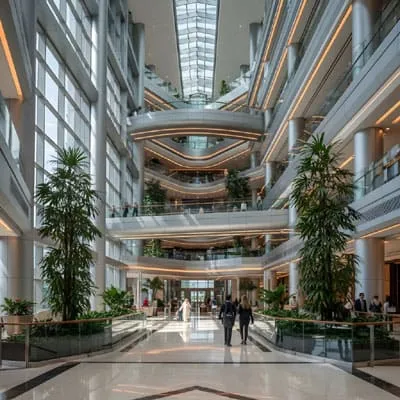
Acoustic design minimizes noise pollution, while natural materials and neutral color palettes create soothing interiors.
Intentional circulation paths reduce congestion and enhance wayfinding, supporting ease of movement. Thoughtful lighting design balances daylight and artificial sources to maintain circadian rhythms and comfort.
These elements combine to create environments that support mental health and a slower, more mindful pace of urban life.
Accessibility and Inclusivity in Vertical Architecture
Ensuring accessibility is fundamental in skyscraper design. Features such as step-free entrances, wide corridors, and adaptable units accommodate diverse physical abilities. Elevators are designed for efficiency and safety, with backup systems for emergencies.
Inclusive design also involves creating public spaces that invite all users, regardless of age or mobility. This approach fosters social equity within the vertical city.
Architectural strategies integrate universal design principles to make tall buildings truly human-centered.
Environmental and Climate Responsiveness in Skyscraper Architecture
Passive Design Strategies for Energy Efficiency
- Building orientation to maximize daylight while reducing heat gain
- High-performance glazing to control solar radiation
- Natural ventilation systems minimizing HVAC dependency
- Thermal mass utilization for temperature regulation
- Shading devices and green facades mitigating solar impact
- Rainwater harvesting integrated into building systems
Passive design reduces operational energy, supporting sustainable skyscraper development that aligns with climate-awareness goals.
These strategies also improve occupant comfort by maintaining stable indoor environments.
Active Systems and Renewable Energy Integration
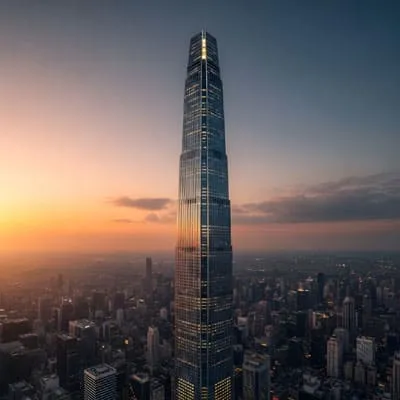
Complementing passive measures, active systems like photovoltaic panels, wind turbines, and energy recovery units enhance skyscraper sustainability.
These technologies reduce reliance on fossil fuels and lower carbon footprints.
Smart building management systems optimize energy use in real-time, adjusting lighting, temperature, and ventilation based on occupancy and weather conditions.
Integrating renewable energy within skyscraper design is critical for meeting global climate targets.
Resilience to Climate Change Impacts
Structural design lessons from the tallest buildings include planning for climate resilience. Elevated mechanical systems prevent flood damage, while materials are selected for durability under extreme weather.
Designs incorporate redundancies to maintain functionality during power outages or storms. Green infrastructure reduces heat island effects and manages stormwater runoff.
These approaches ensure skyscrapers withstand and adapt to an uncertain climate future.
| Climate Strategy | Implementation Example | Performance Benefit |
|---|---|---|
| Green Roofs | One Central Park, Sydney | Improved insulation and biodiversity |
| Double-Skin Facade | 30 St Mary Axe, London | Enhanced ventilation and energy savings |
| Photovoltaic Panels | Shanghai Tower | On-site renewable energy generation |
International Perspectives on Skyscraper Architecture
Comparing Regional Design Philosophies
Skyscraper architecture varies globally, reflecting cultural values, climate conditions, and urban contexts. Asian megacities often emphasize vertical density and mixed-use functions, while North American designs prioritize iconic silhouettes and technological expression.
European skyscrapers frequently integrate historical context and human scale, blending new towers with existing urban fabric. Middle Eastern projects showcase luxury and innovation amid desert climates.
These regional perspectives enrich the global discourse on tall building design, fostering cross-cultural learning.
Global Collaboration in Structural Engineering
International projects as Burj khalifa, Merdeka, Shangai Tower, Mecca Royal Clock tower, Ping an Finance Centre are examples who increasingly rely on cross-border teamwork among architects, engineers, and contractors. This collaboration facilitates knowledge exchange and innovation, combining expertise from diverse regulatory environments.
Shared digital platforms and BIM (Building Information Modeling) enhance coordination, allowing complex skyscrapers to be designed and built efficiently.
Such partnerships drive advances in structural design lessons applicable worldwide.
Adapting Skyscraper Architecture to Local Needs
While skyscrapers are global symbols, successful designs respond to local climate, culture, and social needs. Incorporating indigenous materials, vernacular forms, and community input ensures buildings are grounded and relevant.
For example, in hot climates, shading and ventilation are prioritized, while in seismic zones, flexible structures dominate. This adaptation supports human-centered and climate-aware architecture globally.
Recognizing local context is essential for creating tall buildings that resonate with their inhabitants.
Future Trends in Tall Building Design and Construction
Smart Technologies Enhancing Building Performance
Emerging smart technologies enable skyscrapers to optimize energy use, occupant comfort, and maintenance. Sensors track structural health, air quality, and occupancy patterns, feeding data to adaptive building management systems.
Artificial intelligence assists in predictive maintenance, reducing downtime and extending lifespan. These intelligent systems make tall buildings more responsive and sustainable.
Such innovations represent the future of skyscraper architecture, integrating technology seamlessly into structure and function.
Sustainable Materials and Circular Construction
- Use of recycled steel and concrete to lower environmental impact
- Modular construction allowing disassembly and reuse
- Bio-based materials improving carbon sequestration
- Designing for adaptability to extend building life
- Minimizing waste through precise digital fabrication
These strategies promote circular economy principles in skyscraper design, reducing resource consumption and waste.
Adopting sustainable materials is key to responsible urban development at height.
Human-Centered Innovation in Vertical Living
Future skyscrapers will increasingly focus on enhancing quality of life through wellness design, biophilic integration, and flexible spaces. Innovations include automated shading, personalized environmental controls, and community-focused amenities.
Designers are exploring vertical farming, shared mobility hubs, and wellness centers to create holistic urban ecosystems within towers.
Such human-centered innovations ensure skyscrapers remain not only feats of engineering but vibrant places to live and work.
Lessons from Iconic Tall Buildings Worldwide
Burj Khalifa: Pushing Structural Limits
The Burj Khalifa exemplifies advanced structural engineering with its buttressed core system providing exceptional stability. Its tapered form reduces wind forces, while bundled tubes distribute loads efficiently. This design allows it to soar over 828 meters with unparalleled safety and grace.
Its success demonstrates how innovative structural systems can enable extreme heights while addressing climate and human comfort.
The building’s integration of mixed uses and observation decks also reflects a human-centered approach to skyscraper design.
Shanghai Tower: Sustainability at Height
- Double-skin facade for insulation and ventilation
- Renewable energy systems including wind turbines
- Rainwater collection and recycling infrastructure
- Flexible floor plates adapting to varied uses
- Advanced fire safety and evacuation systems
Shanghai Tower sets a benchmark for climate-aware skyscraper architecture, combining structural innovation with sustainable technologies. Its design lessons inform future towers aiming for environmental leadership.
The tower’s human-centered spaces prioritize occupant wellbeing through natural light and communal areas.
One World Trade Center: Resilience and Symbolism
One World Trade Center integrates fortified structural systems to withstand extreme events, including a reinforced concrete core and blast-resistant materials. Its design balances security with openness, creating a symbol of resilience and renewal.
Human-centered features include accessible public spaces and sustainable mechanical systems, contributing to a calm and intentional urban presence.
This building teaches valuable lessons about integrating safety, symbolism, and sustainability in tall architecture.
| Building | Height (meters) | Key Structural Feature |
|---|---|---|
| Burj Khalifa | 828 | Buttressed core system |
| Shanghai Tower | 632 | Double-skin facade |
| One World Trade Center | 541 | Reinforced concrete core |
Skyscrapper Design
The tallest buildings in the world offer profound architectural and structural design lessons that extend far beyond their impressive heights. From innovative structural systems and material advances to climate-aware and human-centered approaches, these towers embody principles essential for future urban development.
By studying these skyscrapers, architects and engineers gain insights into creating resilient, sustainable, and livable vertical environments. Reflecting on these lessons invites us to envision cities where tall buildings enhance human experience and respond thoughtfully to our changing planet.
Frequently Asked Questions (FAQ)
What Makes Skyscraper Architecture Different from Other Building Types?
Skyscraper architecture combines advanced structural engineering with design strategies to address height-specific challenges such as wind loads, seismic forces, and vertical transportation. It emphasizes efficient load distribution, material innovation, and often integrates mixed-use functions within a compact footprint.
How Do Structural Systems Improve the Safety of the Tallest Buildings?
Structural systems like bundled tubes, outriggers, and diagrids distribute loads efficiently, resist lateral forces, and provide redundancy. These systems allow skyscrapers to withstand wind, earthquakes, and other stresses while maintaining occupant safety and structural integrity over time.
Why is Climate Responsiveness Important in Tall Building Design?
Climate responsiveness reduces energy consumption and environmental impact by optimizing natural ventilation, shading, and insulation. It also enhances occupant comfort by maintaining stable indoor temperatures and improving air quality, which is critical in tall, densely occupied structures.
How Do Human-centered Design Principles Apply to Skyscrapers?
Human-centered design in skyscrapers focuses on occupant wellbeing through access to natural light, noise control, flexible living spaces, and communal areas. It aims to create calm, intentional environments that support mental and physical health despite vertical density.
What Future Trends Will Shape Skyscraper Architecture?
Future trends include smart building technologies, sustainable and circular materials, biophilic design, and enhanced human-centered innovations. These developments will improve building performance, reduce environmental impact, and foster vibrant vertical communities.