
Wall finish, wallpaper, and wall texture are essential elements in defining the ambiance decor and functionality of residential interiors. These components not only enhance aesthetic appeal but also contribute to the comfort and durability of living spaces. Understanding their roles allows homeowners and designers to create environments that are both visually compelling and practical.
Thank you for reading this post, don't forget to subscribe!In an era where sustainability and climate responsiveness are paramount, choosing the right wall surface treatment involves more than decoration. It requires a thoughtful approach that considers material performance, human interaction, and architectural integrity. This article explores how wall finish, wallpaper, and wall texture trends are evolving to meet these demands in 2025.
We will delve into various options and innovations, from eco-friendly textures to sophisticated wallpapers, demonstrating how these choices impact residential spaces. The goal is to guide readers through informed decisions that balance style, durability, and environmental awareness.
Innovations in Wall Finish for Modern Homes
Sustainable Materials in Wall Finish
The demand for sustainable wall finishes has increased as homeowners seek eco-conscious solutions. Materials like lime plaster, clay-based finishes, and recycled content paints offer low environmental impact while providing exceptional breathability. These finishes regulate humidity naturally, enhancing indoor air quality and comfort.
Choosing natural raw materials reduces volatile organic compounds (VOCs), which benefits occupant health. Moreover, their durability and timeless aesthetics align with slow design principles, emphasizing longevity over trendiness.
Architectural finishes focus on texture and subtlety rather than bold decoration, supporting calm, intentional living spaces that age gracefully and adapt to changing needs.
Textured Paints and Their Architectural Appeal
Textured paints create depth and interest without overwhelming the space. Unlike wallpapers, they offer a seamless surface that is easier to maintain and repair. Popular textures include sand, stone, and fabric effects, which add tactile richness while preserving simplicity.
These finishes can enhance acoustic performance and conceal imperfections, making them practical for busy households. Their adaptability suits diverse architectural styles, from minimalist to rustic.
The subtlety of textured paints aligns with a human-centered design ethos, supporting environments that foster well-being through understated elegance.
Durability and Maintenance of Wall Finishes
Durability is a critical factor when selecting wall finishes, especially in residential settings subject to wear and tear. Modern finishes incorporate stain-resistant and washable properties, extending lifespan and reducing environmental waste.
Maintenance-friendly surfaces also support sustainable living by minimizing the need for frequent repainting or replacement. This practical aspect complements the aesthetic qualities, ensuring the finish remains beautiful and functional over time.
Architects prioritize finishes that balance performance with calm, intentional design, promoting spaces that feel lived-in yet cared for.
Wallpaper Trends Transforming Interior Walls
Popular Wallpaper Styles in 2025
- Natural fiber wallpapers such as grasscloth and bamboo
- Textured and embossed patterns offering tactile depth
- Botanical and nature-inspired motifs reflecting biophilic design
- Abstract geometric shapes for subtle modernity
- Matte finishes emphasizing understated elegance
Wallpaper has evolved from purely decorative to architectural, integrating texture and materiality. These trends reflect a shift towards calm, intentional interiors that celebrate craftsmanship and slow design.
Incorporating such wallpapers can create accent walls that foster warmth and personality without overwhelming the overall scheme.
Eco-Friendly Wallpaper Options
Environmental impact influences wallpaper production with an emphasis on sustainable fibers and non-toxic inks. Recycled paper bases and natural dyes reduce carbon footprints and improve indoor air quality.
Many manufacturers now offer peel-and-stick options that facilitate reuse and minimize waste during installation. These products align with climate-aware design, combining aesthetics with responsibility.
Choosing eco-friendly wallpapers supports long-term sustainability goals while enhancing residential spaces with natural textures and subtle color palettes.
Installation and Longevity Considerations
Proper wallpaper installation is crucial for durability and visual impact. Surface preparation, adhesive choice, and environmental conditions affect adhesion and lifespan. Professionals recommend moisture-resistant wallpapers in humid areas to prevent mold and peeling.
Longevity also depends on pattern and color selection; timeless designs resist visual fatigue and remain relevant as tastes evolve.
Maintenance-friendly wallpapers contribute to a slow design philosophy, ensuring walls can be refreshed without extensive renovation.
| Wallpaper Type | Material | Key Benefits |
|---|---|---|
| Grasscloth | Natural fibers (jute, hemp) | Eco-friendly, textured, breathable |
| Vinyl Coated | Vinyl over paper | Durable, washable, moisture-resistant |
| Peel-and-Stick | Adhesive-backed paper or fabric | Easy installation, reusable, low waste |
Exploring Wall Texture Techniques
Popular Texturing Methods
- Venetian plaster for polished, multi-dimensional finishes
- Stucco with rough, tactile surfaces
- Knockdown and skip trowel for subtle patterning
- Sand finishes adding granular depth
- Fabric-like wall textures using specialty paints
- Geometric relief patterns created with molds
Wall texture techniques offer architects ways to add character while maintaining a calm, intentional aesthetic. These methods provide visual interest through light interaction and shadow play without excessive ornamentation.
Choosing the right texture involves balancing touchability, light reflection, and the overall mood of the space.
Functional Benefits of Textured Walls
Textured walls improve acoustics by diffusing sound waves, reducing echo in living spaces. They also conceal minor wall imperfections, extending the wall finish’s life and reducing maintenance needs.
Additionally, textures can create tactile warmth, inviting touch and enhancing the human-centered experience of a room. This functionality aligns with climate-aware design by promoting comfort without relying on excessive climate control.
Such finishes contribute to a holistic architectural vision, where every detail supports well-being and thoughtful living.
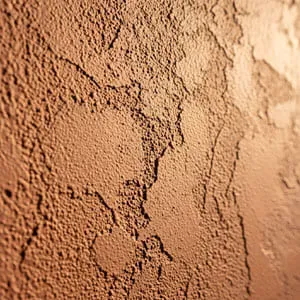
Combining Texture with Color and Light
The interplay between texture, color, and lighting dramatically affects perception. Matte textures absorb light softly, creating serene environments, while glossy plaster reflects light to enliven spaces.
Accentuating wall texture with directional lighting enhances depth and drama, reinforcing architectural intent over decoration. Color choices complement textures to either amplify warmth or calmness.
Intentional layering of these elements fosters balanced interiors that feel both grounded and refined.
Architectural Approaches to Wall Finish
Integrating Wall Finish with Structural Elements
Architects consider wall finish as an extension of the building’s structure. Materials like exposed concrete or brick serve dual roles as finish and support, lending authenticity and permanence.
Seamless integration with moldings, niches, and built-in furniture enhances spatial cohesion. This approach fosters environments that feel intentional, not decorative.
Respecting the building’s bones ensures finishes age gracefully and support sustainable living practices.
Minimalism and Material Honesty
Material honesty is a guiding principle in architectural wall finishes. Emphasizing raw materials such as wood, stone, or plaster rejects superficial decoration in favor of authenticity.
Minimalist finishes reduce visual noise, focusing attention on form and light. This supports slow living by encouraging occupants to appreciate subtlety and craftsmanship.
Such finishes create calming backdrops that accommodate evolving furniture and art choices.
Balancing Texture with Spatial Function
Spatial function influences wall finish decisions. High-traffic areas benefit from durable, washable surfaces, while quieter zones invite softer, textured finishes.
Architects balance tactile interest with practical considerations, ensuring finishes support daily life patterns. This human-centered design promotes well-being through thoughtful material selection.
Understanding use patterns avoids overly decorative or fragile finishes that may detract from longevity.
Wall Finish and Climate Adaptation
Breathable Surfaces for Humid Climates
Wall finishes that allow vapor permeability prevent moisture buildup and mold growth in humid environments. Lime plaster and clay finishes are exemplary choices that regulate indoor humidity naturally.
These breathable surfaces maintain thermal comfort without heavy reliance on mechanical systems, supporting sustainable residential design.
Architectural finishes that adapt to climate contribute to healthier, longer-lasting homes.
Thermal Performance of Wall Textures
Textured wall finishes can improve insulation by trapping air within their surface irregularities. Combined with appropriate wall assemblies, they reduce heat transfer and energy use.
Materials with thermal mass, such as plaster and stone, moderate temperature swings, enhancing occupant comfort.
Selecting finishes with these properties aligns with climate-aware architectural strategies.
Resilience Against Environmental Wear
Durable finishes resist fading, cracking, and degradation caused by sunlight, moisture, and temperature variations. Cementitious coatings and high-performance paints prolong wall lifespan in challenging climates.
Resilient finishes reduce maintenance frequency and resource consumption, supporting sustainable building operation.
Architects prioritize finishes that uphold aesthetic integrity over time while minimizing environmental impact.
| Finish Type | Climate Suitability | Key Feature |
|---|---|---|
| Lime Plaster | Humid, temperate | Breathable, mold-resistant |
| Vinyl Paint | Dry, temperate | Durable, washable |
| Textured Stucco | Hot, arid | Reflective, crack-resistant |
Human-Centered Design with Wall Texture
Impact of Texture on Well-being
Wall textures influence emotional and sensory responses, contributing to a sense of calm or stimulation. Soft, organic textures evoke warmth and comfort, while geometric patterns can energize spaces.
In residential environments, texture supports mental health by creating tactile engagement and visual interest without sensory overload.
Designers use texture intentionally to craft spaces that nurture occupants’ daily experiences.
Customization and Personal Expression
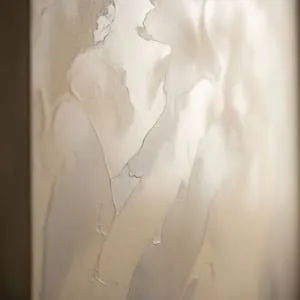
Advancements in wall finishing techniques allow homeowners to tailor textures and finishes to personal tastes while maintaining architectural coherence. Custom plasterwork, bespoke wallpapers, and hand-applied finishes elevate uniqueness.
Such customization respects human-centered design by involving occupants in shaping their environments.
This approach promotes a deeper connection between people and their living spaces.
Accessibility and Tactile Navigation
Textured walls can aid in spatial orientation for visually impaired individuals by providing tactile cues. Subtle relief patterns and material changes help navigate and differentiate zones within the home.
Integrating accessible textures enhances inclusivity without compromising aesthetic goals.
Architectural finishes thus serve both functional and experiential roles in human-centered design.
Emerging Trends in Wallpaper and Wall Texture
Biophilic and Nature-Inspired Designs
- Leaf and floral motifs connecting interiors to nature
- Natural color palettes emphasizing earth tones
- Textured wallpapers mimicking bark, stone, or moss
- Sustainable production methods reflecting environmental values
- Integration with living walls and indoor plants
These trends align with increasing awareness of nature’s role in human health and comfort. Wallpapers and textures that mimic natural elements create serene, grounding spaces.
Architectural intent prioritizes biophilic design as a key strategy in residential environments.
Technological Advances in Wall Treatments
Digital printing and 3D wall panels offer unprecedented customization and complexity. These technologies enable intricate textures and patterns that were previously difficult to achieve.
Smart wallpapers with antimicrobial or air-purifying properties enhance environmental quality. These innovations respond to health-conscious living trends.
Such advances merge aesthetics with performance, redefining wall finishes for contemporary homes.
Blending Traditional and Contemporary Styles
Mixing historic plaster techniques with modern wallpaper patterns creates layered, rich interiors. This fusion respects architectural heritage while embracing current design language.
Combining smooth and textured surfaces balances visual interest with calmness, supporting slow design values.
This approach fosters timeless interiors that evolve gracefully with occupants’ lifestyles.
| Trend | Description | Benefit |
|---|---|---|
| Biophilic Wallpaper | Nature-inspired prints and textures | Enhances well-being and calm |
| 3D Wall Panels | Textured, sculptural surfaces | Adds depth and tactile interest |
| Smart Finishes | Functional coatings with health benefits | Improves indoor air quality |
Wall decor
Wall finish, wallpaper, and wall texture define not only the aesthetic but also the functional quality of residential interiors. By embracing sustainable materials, innovative textures, and architectural integration, designers create spaces that prioritize human comfort and environmental responsibility.
In 2026, trends emphasize calm, intentional design that respects the way people live and the climates they inhabit. Selecting appropriate wall treatments enhances durability, well-being, and timeless beauty, inviting homeowners to invest in walls that truly support their lifestyles.
Frequently Asked Questions (FAQ)
What is the Difference Between Wall Finish and Wallpaper?
Wall finish refers to various surface treatments like paint, plaster, or textured coatings that protect and decorate walls. Wallpaper is a decorative material applied in sheets or rolls, offering patterns and textures. While finishes are often integral to the wall, wallpapers can be changed more easily.
How Does Wall Texture Affect Indoor Comfort?
Wall texture influences acoustics by diffusing sound and can regulate light reflection, reducing glare. Textured surfaces also affect tactile perception, promoting a sense of warmth and comfort, which contributes to occupant well-being.
Are Eco-friendly Wallpapers Durable?
Yes, many eco-friendly wallpapers use sustainable materials and non-toxic inks while maintaining durability. Innovations like peel-and-stick options also facilitate reuse, making them practical for long-term residential use.
Can Textured Wall Finishes Improve Energy Efficiency?
Certain textured finishes provide thermal mass or create insulating air pockets, which help moderate indoor temperatures. When combined with proper wall construction, they contribute to energy savings and thermal comfort.
How Do I Choose the Right Wall Finish for a Humid Climate?
In humid climates, breathable finishes like lime plaster or clay-based materials are ideal. They allow moisture to escape, preventing mold and maintaining indoor air quality. Avoid non-breathable coatings that trap moisture.
For further insights on sustainable wall finishes, visit the U.S. Green Building Council and explore resources on indoor environmental quality. Additionally, ArchDaily offers case studies highlighting innovative wall textures in contemporary architecture.