
Indoor-outdoor living rooms redefine how we experience furniture and space by seamlessly blending interiors with nature. This architectural approach enhances the flow between indoor comforts and outdoor environments, creating versatile, climate-conscious living areas. Understanding the role of furniture in defining space is crucial to designing these harmonious environments that support human-centered lifestyles.
Thank you for reading this post, don't forget to subscribe!As urbanization intensifies and climate awareness grows, integrating indoor and outdoor areas offers opportunities to optimize space while promoting sustainability. Thoughtful furniture selection and spatial planning allow homeowners to expand usable living areas without expanding footprints, fostering a calm and intentional connection with nature.
This article explores key concepts and practical strategies for developing indoor-outdoor living rooms that respect climate considerations and human needs. We will examine furniture arrangements, spatial dynamics, material choices, and architectural insights to help you create balanced, slow-living spaces that truly enhance everyday life.
Expanding Living Areas with Furniture and Space Integration
Blurring Boundaries Between Inside and Outside
Furniture plays a pivotal role in dissolving boundaries between indoor and outdoor spaces, often by mirroring design elements across both realms. Using similar materials, color palettes, and forms helps unify spaces visually and physically. For example, weather-resistant sofas paired with indoor lounge chairs create a coherent aesthetic that invites flexibility.
Spatial fluidity is achieved by aligning floor levels and removing barriers like heavy doors or walls.
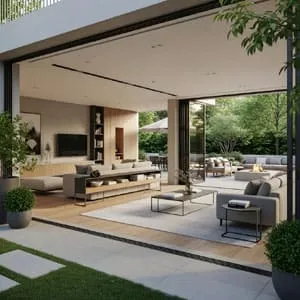
Sliding glass panels or expansive folding walls allow furniture arrangements to adapt seamlessly, enhancing the perception of an extended living room.
This approach invites natural light and fresh air, contributing to occupant comfort.
Incorporating multifunctional furniture supports diverse activities, from relaxation to entertaining, further bridging the gap between interior and exterior environments. This synergy nurtures a calm, intentional lifestyle rooted in architectural mindfulness rather than decorative excess.
Optimizing Layouts for Versatile Usage
Maximizing furniture placement within integrated spaces requires deliberate planning to accommodate movement and usability. Zones should be defined subtly, using rugs or plant screens rather than rigid partitions. This maintains openness while signaling functional areas for dining, lounging, or socializing.
Furniture pieces that are lightweight and modular allow easy reconfiguration based on needs, fostering slow, adaptable living. Thoughtful spacing avoids overcrowding, ensuring each piece complements the overall spatial harmony and human scale.
Additionally, considering climate-responsive layouts, such as positioning seating in shaded or breezy areas, enhances comfort and usability throughout different seasons, extending the lifespan and relevance of the furniture and space.
Materials Connecting Furniture and Environment
- Natural fibers like rattan and wicker for durability and aesthetic synergy
- Weather-resistant textiles that balance comfort with longevity
- Wood finishes treated for outdoor resilience yet warm in appearance
- Metal frames designed to withstand humidity and temperature changes
- Stone and concrete elements providing tactile grounding and permanence
Choosing materials that age gracefully and require minimal maintenance supports sustainable design and reflects an architectural ethos valuing quality over quantity. The tactile experience of furniture surfaces contributes to the sensory connection between people and their environment.
Integration of local, eco-friendly materials further grounds the furniture and space in context, enhancing both environmental responsibility and aesthetic authenticity.
Spatial Planning for Furniture and Space Harmony
Understanding Human Scale in Furniture Design
Human scale is fundamental to creating spaces where furniture and space coexist comfortably. Designing with anthropometric data ensures seating, tables, and circulation paths support natural postures and movements. This focus on ergonomics prevents spatial dissonance that can arise from oversized or undersized elements.
Architectural spaces that respect human proportions encourage slower, more intentional use, aligning with climate-aware design by prioritizing comfort over excess. Furniture that fits human scale naturally invites occupancy without overwhelming the space.
Integrating adjustable furniture pieces accommodates diverse users and activities, enhancing inclusivity and adaptability within indoor-outdoor environments.
Designing for Flow and Connectivity
Efficient spatial flow between furniture arrangements promotes uninterrupted movement and visual connection.
Aligning pathways and sightlines between interior and exterior areas invites exploration and interaction with the environment.
Furniture placement should support this flow by avoiding obstructions and encouraging social engagement. Incorporating flexible seating clusters allows spaces to evolve with changing needs, supporting both solitude and gatherings.
Designers often use transitional elements like pergolas or covered terraces to modulate the connection, blending spatial zoning with openness.
Balancing Privacy and Openness
- Use of landscaping and screens to create secluded seating pockets
- Strategic furniture orientation to minimize direct sightlines
- Incorporating natural barriers such as tall plants or trellises
- Adjustable shading devices that modulate openness throughout the day
- Layering textures and levels within furniture to suggest boundaries
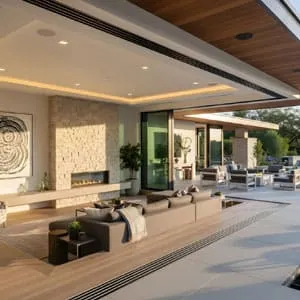
Balancing privacy with openness is critical in indoor-outdoor spaces to foster a sense of refuge while embracing nature. Furniture arrangements can create intimate zones without compromising overall connectivity.
This nuanced spatial approach reflects an architectural mindset prioritizing human comfort and environmental responsiveness over decorative fragmentation.
Furniture Selection for Climate-Conscious Spaces
Durability and Sustainability Considerations
Climate-aware furniture selection emphasizes materials and construction methods that endure environmental stressors while minimizing ecological impact. Sustainable sourcing, low-VOC finishes, and recyclable components contribute to healthier spaces and reduced carbon footprints.
Choosing furniture designed for longevity reduces waste and supports a slow-living philosophy. Durable pieces withstand sun exposure, moisture, and temperature fluctuations without sacrificing aesthetic quality or comfort.
Integrating natural materials like sustainably harvested wood or recycled metals aligns furniture with broader environmental goals and architectural integrity.
Adaptive Furniture for Seasonal Changes
- Stackable or foldable chairs and tables for easy storage
- Modular sofas with removable cushions for cleaning and rearranging
- Weatherproof covers and protective treatments
- Furniture with built-in heating or cooling features
- Lightweight designs for mobility and reconfiguration
- Materials resilient to UV radiation and moisture
- Multi-purpose pieces that serve both indoor and outdoor use
Adaptive furniture enhances the versatility of indoor-outdoor living rooms by accommodating seasonal shifts and diverse activities. This flexibility extends the functional space and aligns with sustainable consumption patterns.
Architectural foresight in furniture adaptability supports resilience and long-term usability, essential in climate-conscious design.
Comfort and Aesthetic Synergy
Comfort is paramount when selecting furniture to bridge indoor and outdoor spaces. Ergonomic cushions, breathable fabrics, and supportive structures foster relaxation and usability.
Aesthetic cohesion between furniture and architectural elements enhances the spatial experience, contributing to calm and intentional living.
Neutral color palettes with natural textures often harmonize better with outdoor environments, reducing visual noise. Timeless design avoids transient trends, ensuring that furniture remains relevant and elegant over time.
This thoughtful balance of comfort and appearance reflects an architectural sensibility focused on human well-being and environmental context.
Materiality and Texture in Furniture and Space Design
Natural Vs. Engineered Materials
| Material Type | Advantages | Considerations |
|---|---|---|
| Natural Wood | Warmth, renewability, tactile appeal | Requires maintenance, susceptible to weather |
| Engineered Composite | Durability, weather resistance, low upkeep | Less natural feel, potential environmental concerns |
| Natural Fiber Textiles | Breathability, comfort, biodegradability | Can degrade faster outdoors, needs treatment |
Material choices influence not only aesthetics but also the sensory and functional qualities of furniture and space. Selecting appropriate materials balances durability with human comfort and environmental responsibility.
Architects must assess these trade-offs to create spaces that age gracefully and remain inviting.
Textural Contrast and Cohesion
Texture adds dimension and tactility to furniture and spatial surfaces, enriching the sensory experience. Contrasting smooth metals with rough woods or soft fabrics with firm stone creates visual interest while maintaining cohesion through complementary tones and forms.
Textural layering supports an intentional, slow design approach, encouraging occupants to engage physically and emotionally with their environment.
In indoor-outdoor living rooms, harmonious textures bridge the gap between built structures and natural surroundings, reinforcing architectural narratives.
Environmental Impact of Material Choices
- Choosing locally sourced materials to reduce transportation emissions
- Prioritizing renewable and recyclable resources
- Reducing synthetic chemical use to improve indoor and outdoor air quality
Material selection profoundly affects environmental sustainability. Minimizing ecological footprints through deliberate sourcing and processing aligns furniture and spatial design with climate-aware principles.
Architectural responsibility includes advocating for materials that support long-term planetary health while serving human needs.
Functional Zoning in Furniture and Space Design
Defining Activity Areas Within Open Plans
Zoning furniture within open indoor-outdoor spaces helps define functional areas without erecting physical barriers. Using furniture groupings, rugs, and lighting creates distinct zones for dining, lounging, or working while maintaining spatial continuity.
This approach supports intentional living by offering clarity and purpose within flexible environments. Architectural design that integrates zoning promotes ease of use and enhances the spatial narrative.
Careful attention to scale and proportion ensures zones feel connected yet distinct, fostering a sense of calm and order.
Furniture as Spatial Dividers
| Divider Type | Function | Examples |
|---|---|---|
| Open Shelving | Visual separation, storage | Low bookcases, plant stands |
| Planters | Natural screening, ambiance | Large pots, vertical gardens |
| Furniture Arrangement | Flow control, zonal definition | Sofa backs, sideboards |
Using furniture as spatial dividers maintains openness while guiding movement and usage. This technique aligns with architectural intentions to foster human-centered spatial experiences.
Selecting multifunctional dividers enhances flexibility and sustainability within indoor-outdoor living spaces.
Layering Lighting to Support Zones
- Ambient lighting to create overall warmth and safety
- Task lighting for focused activities like reading or dining
- Accent lighting to highlight architectural or natural features
Lighting design complements furniture zoning by reinforcing function and atmosphere. Layered lighting enhances usability throughout the day and night, supporting slow living rhythms and spatial clarity.
An integrated lighting strategy elevates the indoor-outdoor experience, balancing practicality with aesthetic intention.
Ergonomics and Human-Centered Design in Furniture and Space
Prioritizing Comfort in Diverse Environments
Human-centered design integrates ergonomics to ensure furniture supports posture and comfort across varied indoor and outdoor settings. This focus reduces fatigue and encourages longer, more meaningful use of spaces.
Considerations include seat height, back support, cushioning, and adaptability to different body types. In outdoor areas, weather-resistant comfort materials enhance the livability of the space.
Architectural integration of these ergonomic principles creates environments that honor human well-being and promote intentional, calm living.
Inclusive Design for Accessibility
Designing furniture and spatial layouts with accessibility in mind ensures that all users, regardless of ability, can navigate and enjoy indoor-outdoor living rooms. This includes appropriate clearance, height variations, and tactile cues.
Inclusive design fosters equity and social sustainability, reflecting an architectural commitment to human-centered environments.
Furniture choices that accommodate mobility aids and diverse needs enhance the functional richness of the space.
Encouraging Connection Through Spatial Psychology
Furniture and space influence how people interact and feel within an environment.
Arrangements that promote eye contact, shared experiences, and comfort encourage social connection and psychological well-being.
In indoor-outdoor living rooms, this can mean circular seating or clusters that face communal areas, facilitating conversation and engagement.
Architectural awareness of spatial psychology supports calm, purposeful living through thoughtful furniture and space design.
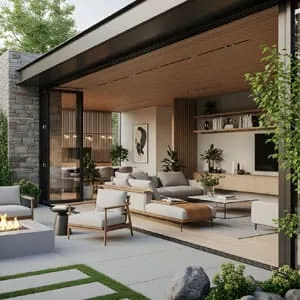
Indoors and Outdoors
Integrating furniture and space in indoor-outdoor living rooms requires a thoughtful balance of architectural insight, climate awareness, and human-centered design. By prioritizing durable materials, ergonomic comfort, and flexible spatial planning, these environments foster a calm and intentional lifestyle that honors how people truly live.
Embracing the synergy between furniture and spatial dynamics invites homeowners to create sustainable, versatile spaces that enhance their connection to nature and community. Consider these principles as a foundation for transforming your living environment into a harmonious extension of both indoors and outdoors.
Frequently Asked Questions (FAQ)
What Defines an Indoor-outdoor Living Room?
An indoor-outdoor living room is a seamless space that combines interior comfort with outdoor elements, often using architectural features like sliding walls and cohesive furniture to create a unified living area that connects with nature.
How Does Furniture Selection Impact Space in These Areas?
Furniture influences flow, comfort, and functionality, helping to define zones without physical barriers. Choosing adaptable, weather-resistant pieces ensures the space remains versatile and inviting across seasons.
What Materials Are Best for Climate-conscious Furniture?
Durable natural materials like treated wood, rattan, and weather-resistant textiles are preferred for their sustainability and ability to withstand environmental stress while maintaining comfort and aesthetic harmony.
How Can I Balance Privacy and Openness in Indoor-outdoor Spaces?
Using natural screens like plants, strategic furniture placement, and adjustable shading devices allows you to create intimate zones while preserving a connection to the outdoors and maintaining spatial flow.
Why is Human-centered Design Important in Furniture and Space Planning?
Human-centered design ensures furniture and spatial layouts prioritize comfort, accessibility, and psychological well-being, creating environments that support intentional, calm living and enhance everyday experiences.