
Creating a home that exudes luxury doesn’t always require a lavish budget. By choosing the right finishes such as stone, wallpaper, flooring, surface materials, and bathroom hardware, homeowners can elevate their spaces with sophistication and style. These elements not only enhance aesthetic appeal but also improve durability and comfort, making them essential considerations in residential design.
Thank you for reading this post, don't forget to subscribe!Incorporating high-quality finishes thoughtfully addresses both functionality and visual impact, especially when matched with the home’s climate and lifestyle needs. Understanding how to select and apply these materials intentionally can transform ordinary rooms into inviting, timeless environments without excessive spending.
This article explores the top home finishes that combine elegance and practicality, focusing on stone, wallpaper, flooring, surfaces, and bathroom hardware. It offers expert insights on materials, installation, and design strategies that prioritize architectural integrity and human-centered living.
Natural Stone Finishes for Timeless Elegance
Versatility of Stone in Residential Design
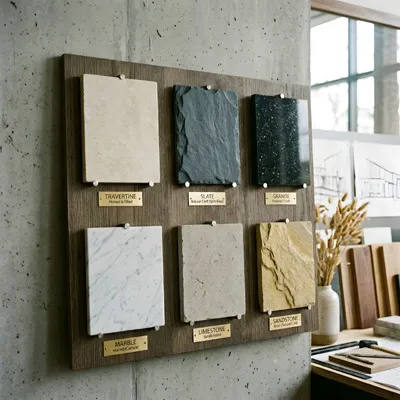
Stone has been a staple in architecture for centuries due to its durability and natural beauty. It provides a tactile surface that ages gracefully and adapts to various styles, from rustic to contemporary. Stone can be applied in flooring, countertops, wall cladding, and bathroom surfaces, adding depth and texture to any space. Its thermal properties also contribute to energy efficiency, regulating indoor temperatures effectively.
Different types of stone, such as granite, marble, slate, and limestone, offer unique colors and veining patterns, allowing for tailored aesthetics. Selecting stone that aligns with local climate conditions ensures longevity and performance, making it an excellent choice for both wet and dry areas.
When specifying stone, consider the finish—polished, honed, or textured—as each influences slip resistance and maintenance. Proper sealing and installation are critical to protect the surface and preserve its luxurious appearance over time.
Stone Surface Maintenance and Longevity
Maintaining stone surfaces involves routine cleaning and periodic sealing to prevent staining and erosion. Natural stone is porous, so care should be taken to avoid harsh chemicals that can degrade the finish. Using pH-neutral cleaners and promptly addressing spills extends the material’s lifespan and maintains its aesthetic quality.
Regular inspections help identify any cracks or chips early, enabling timely repairs and preventing further damage. Stone’s ability to withstand heavy use makes it ideal for high-traffic areas like entryways and kitchens, where durability is paramount.
Integrating stone into a home’s design not only adds value but also creates surfaces that improve with age, gaining character and patina reflective of a well-lived space.
Comparative Table of Popular Stone Types
| Stone Type | Durability | Ideal Application |
|---|---|---|
| Granite | High | Countertops, Flooring |
| Marble | Medium | Bathroom Surfaces, Accent Walls |
| Slate | High | Flooring, Exterior Cladding |
| Limestone | Medium | Interior Walls, Fireplace Surrounds |
Innovative Wallpaper Solutions for Sophisticated Surfaces
Modern Wallpaper Materials and Textures
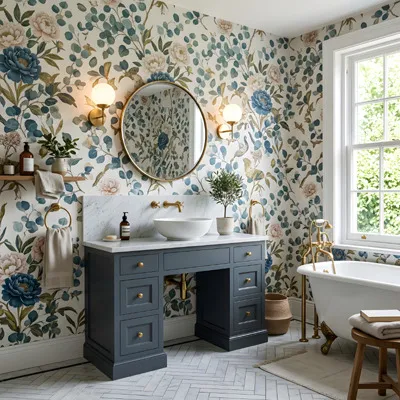
Wallpaper has evolved beyond traditional prints to include textured vinyl, grasscloth, silk, and even eco-friendly options made from natural fibers. These materials add depth and warmth to walls, creating an inviting atmosphere that complements stone and wood finishes.
Additionally, wallpapers with moisture-resistant properties are suitable for bathrooms and kitchens, expanding their functional use.
Designers often select wallpapers with architectural patterns or subtle textures to enhance spatial perception without overwhelming the room. This layered approach delivers a calm, intentional aesthetic aligned with contemporary residential needs.
Installation techniques have also advanced, allowing for seamless applications on curved or irregular surfaces, which broadens creative possibilities in interior design.
Benefits of Wallpaper in Climate-Aware Design
Wallpaper can improve thermal insulation and sound absorption, contributing to a more comfortable and energy-efficient home environment. In climates with temperature fluctuations, wallpaper reduces heat transfer through walls and dampens external noise, enhancing indoor living quality.
Using non-toxic, breathable wallpapers ensures indoor air quality is maintained, an important consideration for family health and wellbeing. Moreover, wallpapers that resist fading and peeling under sunlight provide lasting beauty in sun-exposed rooms.
Choosing wallpapers that align with environmental sustainability supports broader architectural goals of minimizing carbon footprints and promoting responsible material sourcing.
Recommended Wallpaper Types for Various Rooms
- Vinyl-coated wallpaper for moisture-prone areas
- Natural fiber wallpaper for living spaces
- Silk wallpaper for accent walls and formal rooms
- Textured grasscloth for subtle depth
- Eco-friendly recycled paper wallpaper
Flooring Options That Balance Luxury and Practicality
Choosing Flooring Materials for Residential Comfort
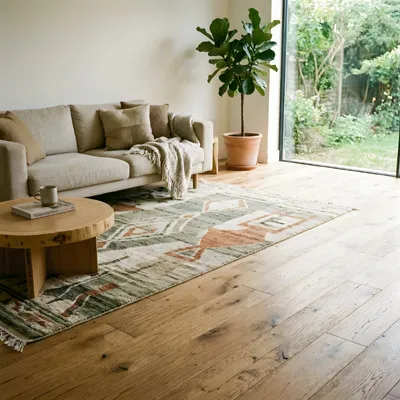
Flooring plays a critical role in both the aesthetic and functional aspects of a home. Materials such as engineered hardwood, luxury vinyl tile (LVT), ceramic, and natural stone offer diverse options suited for different budgets and lifestyles.
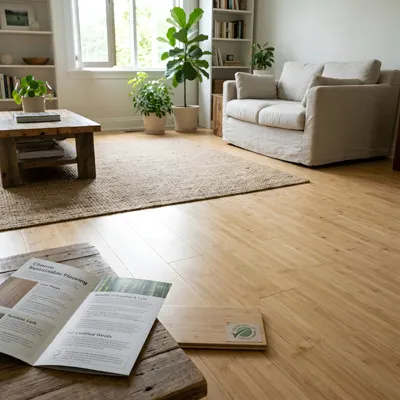
Each material affects acoustics, thermal comfort, and durability, which are essential for human-centered design.
Hardwood floors bring warmth and timeless appeal, while vinyl options provide resilience and water resistance, ideal for kitchens and bathrooms. Ceramic and stone tiles offer longevity and easy maintenance, especially in high-traffic or wet areas.
Understanding the specific needs of each space ensures flooring choices enhance the home’s overall performance without compromising style.
Installation Techniques for Lasting Flooring Performance
Proper flooring installation is paramount to prevent issues such as warping, cracking, or uneven surfaces. Techniques vary depending on material — floating floors for engineered wood, mortar and grout for tiles, and adhesive methods for vinyl.
Professional installation ensures precise alignment, expansion allowance, and moisture barriers where needed.
Attention to subfloor preparation and acclimatization of materials before installation extends the life of flooring and maintains its luxurious appearance. Maintenance plans tailored to each flooring type also contribute to preserving its quality over time.
Investing in skilled craftsmanship transforms flooring into a foundational element that supports both comfort and design integrity.
Popular Flooring Materials and Their Benefits
- Engineered hardwood – durability and natural warmth
- Luxury vinyl tile – moisture resistance and design versatility
- Ceramic tile – durability and ease of cleaning
- Natural stone tile – timeless beauty and thermal mass
- Bamboo flooring – sustainability and strength
- Cork flooring – comfort and sound insulation
Surface Materials That Enhance Functional Aesthetics
Countertops and Surfaces: Material Choices
Surface materials such as quartz, concrete, solid surface, and natural stone each offer distinct advantages in residential environments. Quartz combines durability with low maintenance, while concrete surfaces can be customized with pigments and textures for a unique look.
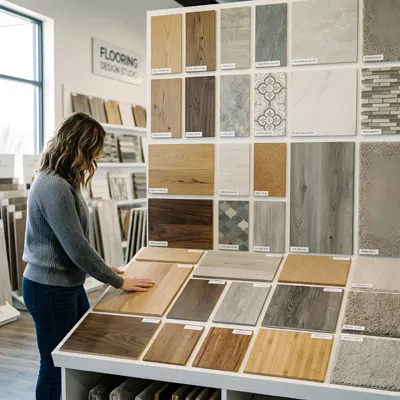
Solid surfaces provide seamless joints, beneficial for hygiene and easy cleaning.
Choosing surfaces that complement flooring and wall finishes creates a cohesive design language in kitchens, bathrooms, and living areas. The tactile and visual qualities of surfaces directly impact user experience and the perceived quality of the home.
Selecting materials with antimicrobial properties or easy-to-clean finishes enhances functionality, especially in high-use zones.
Comparing Surface Materials by Performance and Cost
| Material | Durability | Average Cost per Sq Ft |
|---|---|---|
| Quartz | High | $50 – $70 |
| Concrete | Medium | $40 – $60 |
| Solid Surface | Medium | $45 – $65 |
| Natural Stone | High | $60 – $100 |
Surface Finishes Tailored to Lifestyle Needs
Choosing the right surface finish depends on daily use, maintenance tolerance, and aesthetic preferences. Matte finishes conceal scratches better and offer a subdued elegance, while polished surfaces reflect light and emphasize color depth. Textured finishes provide grip and tactile interest, especially in wet or high-traffic areas.
For families with children or pets, durable and stain-resistant surfaces reduce wear and tear. In contrast, minimalistic designs may favor sleek, smooth finishes that integrate with modern architectural concepts.
Ultimately, surface materials should harmonize with other finishes to create a balanced and intentional home environment.
Bathroom Hardware: Functional Luxury Details
Selecting Bathroom Hardware for Seamless Integration
Bathroom hardware, including faucets, towel bars, showerheads, and cabinet handles, plays a crucial role in defining a space’s character while serving practical needs.
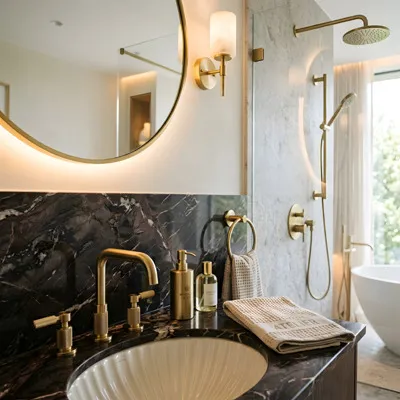
Choosing finishes such as brushed nickel, matte black, or polished chrome can complement stone tiles and surface materials, creating a cohesive look.
High-quality hardware enhances usability, ergonomics, and durability. Features like water-saving technologies and corrosion-resistant coatings underscore the importance of sustainable and long-lasting design solutions in bathrooms.
Hardware selection should balance style with accessibility, ensuring fixtures meet the needs of all users comfortably and safely.
Popular Styles and Finishes for Bathroom Fixtures
- Brushed nickel – subtle and fingerprint-resistant
- Matte black – modern and bold accent
- Polished chrome – classic and reflective
- Oil-rubbed bronze – warm and traditional
- Brass – timeless luxury with patina development
Durability and Maintenance of Bathroom Hardware
Durability in bathroom hardware is essential due to constant exposure to moisture and daily use. Materials like stainless steel and brass resist corrosion, maintaining their finish and function over time. Regular cleaning with mild soap and water prevents buildup and tarnishing.
Investing in quality fixtures reduces the frequency of replacements and repairs, contributing to a sustainable home environment. Hardware that is easy to disassemble and service supports long-term maintenance and the potential for upgrades without extensive remodeling.
Thoughtful hardware choices complete the bathroom’s design while enhancing user experience through reliable performance.
Innovations in Flooring Surfaces for Enhanced Living
Eco-Friendly and Sustainable Flooring Solutions
Modern flooring options increasingly prioritize environmental impact, offering materials like reclaimed wood, cork, and bamboo. These choices reduce resource depletion and often incorporate recycled contents, supporting sustainable architecture. Additionally, low-VOC adhesives and finishes improve indoor air quality, aligning with health-conscious design principles.
Sustainable flooring also typically features strong durability and natural thermal regulation, enhancing comfort. These surfaces provide a responsible alternative that does not compromise on luxury or style.
Incorporating eco-friendly flooring demonstrates a commitment to both aesthetics and environmental stewardship in residential settings.
Technological Advances in Flooring Performance
Technologies such as waterproof laminates, enhanced scratch-resistant coatings, and underfloor radiant heating systems improve flooring functionality. These advancements allow for greater versatility, especially in climates with humidity or temperature extremes. Flooring that integrates smart sensors can monitor wear or environmental conditions, informing maintenance needs.
Such innovations extend the life of floors and enhance occupant comfort, supporting a slow, intentional approach to living spaces. These features combine architectural foresight with human-centered design.
Smart flooring solutions represent the future of residential finishes, balancing beauty, comfort, and technology seamlessly.
Flooring Textures and Patterns to Elevate Space
- Herringbone and chevron wood patterns for visual interest
- Concrete overlays with stamped or stained finishes
- Textured porcelain tiles mimicking natural stone
- Mixed-material flooring combining wood and tile
Surface Treatments and Protective Coatings
Enhancing Durability with Surface Treatments
Applying treatments like sealants, waxes, and anti-slip coatings protects surfaces from wear, moisture, and stains. These treatments are especially important for porous materials such as stone and certain wallpapers.
Protective coatings extend the longevity of finishes while preserving their original appearance.
Choosing the right treatment depends on the material’s porosity, expected exposure, and maintenance preferences. Some coatings also provide antimicrobial properties, adding to the hygiene of living spaces.
Regular application schedules and professional consultation ensure optimal protection without compromising material breathability.
Comparing Surface Treatment Options
| Treatment Type | Best For | Key Benefits |
|---|---|---|
| Penetrating Sealers | Natural stone, concrete | Preserves breathability, repels stains |
| Topical Sealers | Polished surfaces, tiles | Enhances shine, adds protective film |
| Anti-slip Coatings | Flooring, bathroom surfaces | Improves safety, maintains texture |
Maintenance Tips for Treated Surfaces
Maintaining treated surfaces requires gentle cleaning with products compatible with the applied coatings. Avoid abrasive cleaners that can degrade protective layers. Periodic reapplication of sealants ensures continuous protection, particularly in high-use areas.
Monitoring the surface condition helps identify when retreatment is necessary to prevent damage. Educating homeowners on appropriate upkeep prolongs finish life and maintains the luxurious feel of the material.
Intentional care routines support sustainable surface performance and an enduring elegant home environment.
Materials for a luxury home
Choosing the right finishes such as stone, wallpaper, flooring, surfaces, and bathroom hardware can significantly enhance a home’s luxury without extravagant expense. These materials offer a blend of durability, beauty, and functionality, suited to diverse climates and lifestyles. Thoughtful selection and maintenance ensure these finishes perform well and age gracefully.
Incorporating these expert recommendations allows homeowners to create calm, intentional spaces that reflect architectural integrity and human-centered design. Embracing these finishes with care and knowledge transforms any residence into a sophisticated sanctuary.
Frequently Asked Questions ( FAQ)
What Are the Benefits of Using Natural Stone in Home Finishes?
Natural stone offers exceptional durability, timeless beauty, and thermal regulation. It adapts well to various design styles and climate conditions, providing surfaces that improve with age and withstand heavy use.
How Can Wallpaper Be Integrated Into Moisture-prone Areas?
Using moisture-resistant or vinyl-coated wallpaper in bathrooms and kitchens protects walls from humidity and splashes. Proper ventilation and installation further enhance wallpaper longevity in these spaces.
Which Flooring Materials Are Best for Families with Children?
Durable, easy-to-clean flooring such as luxury vinyl tile, engineered hardwood, or cork offers resilience and comfort. These materials withstand wear and support active lifestyles while maintaining aesthetic appeal.
How Should Bathroom Hardware Finishes Be Chosen to Match Other Home Finishes?
Select hardware finishes that complement stone, surface, and flooring tones. Consider durability and maintenance while aiming for cohesive style, such as brushed nickel with natural stone or matte black for modern contrast.
What Maintenance is Required for Treated Stone Surfaces?
Routine cleaning with pH-neutral products, avoiding abrasives, and periodic resealing maintain treated stone surfaces. This preserves their appearance and protects against stains, moisture, and wear.