
Embracing an outdoor lifestyle enhances both the comfort and value of residential homes by seamlessly blending nature with daily living. Outdoor living projects, centered around quality playgrounds, furniture, pools, and BBQ areas, create intentional spaces that encourage relaxation, socialization, and wellness. These well-designed environments respond to climate considerations and human needs, offering a calm, architectural approach to outdoor living.
Thank you for reading this post, don't forget to subscribe!As homeowners seek to maximize their property’s potential, the integration of functional and aesthetically pleasing outdoor elements becomes essential. Thoughtful planning in playground design, durable furniture selection, pool installation, and efficient BBQ setups can transform ordinary yards into dynamic extensions of indoor spaces. This approach not only elevates lifestyle quality but also increases real estate appeal in diverse climates.
This article explores how to design and implement outdoor living projects that balance architectural integrity, climate awareness, and human-centered design. It covers key aspects of playgrounds, furniture, pools, and BBQ areas, providing expert insight into creating lasting value and comfort in residential settings.
Enhancing Outdoor Living with Thoughtful Playground Design
Integrating Play Areas Into Residential Spaces
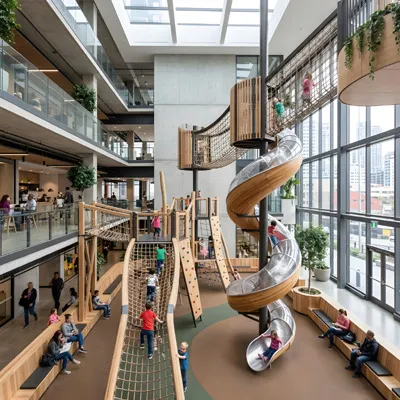
Playgrounds within outdoor living environments serve as vital spaces for family interaction and child development. Designing these areas requires careful consideration of safety, accessibility, and aesthetic harmony with the surrounding landscape. Durable materials and natural elements help create inviting play zones that encourage active lifestyles and imaginative play.
Incorporating playgrounds into residential yards supports outdoor lifestyle goals by promoting physical activity and social bonding. Thoughtful placement ensures visibility from indoor living areas, enhancing supervision and integration with other outdoor amenities. The use of eco-friendly components aligns these spaces with sustainable design principles.
Ultimately, well-conceived playgrounds enrich the overall outdoor living experience by fostering joy and engagement for all ages, seamlessly supporting both play and relaxation within home environments.
Materials and Safety Features for Playgrounds
Selecting appropriate materials is critical to playground longevity and safety. Options such as recycled rubber surfacing, treated wood, and weather-resistant metal components provide durability and minimize maintenance. Safety features like rounded edges, non-toxic finishes, and impact-absorbing surfaces reduce injury risks while enhancing the structure’s aesthetic.
Compliance with local safety regulations and standards ensures playgrounds meet essential protective criteria. Incorporating shade structures and seating areas nearby increases comfort for supervising adults and children alike. These elements contribute to a sustainable, enjoyable, and secure play environment.
By prioritizing material quality and safety, designers create playgrounds that withstand climate challenges and daily use, supporting an active outdoor lifestyle without compromising wellbeing.
Benefits of Playgrounds in Outdoor Living Projects
- Encourage physical health and motor skills development
- Promote social interaction among children and families
- Increase property value through family-friendly amenities
- Enhance aesthetic appeal with integrated natural design
- Support sustainable living with eco-conscious materials
Playgrounds contribute significantly to outdoor lifestyle by providing dedicated spaces that support healthy, active living. Their presence elevates the appeal of outdoor environments, making homes more attractive to families. Additionally, well-designed playgrounds integrate smoothly with other outdoor features, creating cohesive, multifunctional spaces.
These benefits underscore the importance of including playgrounds in residential outdoor projects as a means to enrich the human experience and architectural quality of home environments.
Optimizing Outdoor Furniture for Comfort and Durability
Choosing Materials That Withstand Climate Variations
Outdoor furniture must endure diverse weather conditions without sacrificing comfort or style. Materials like teak, powder-coated aluminum, and synthetic wicker offer excellent resistance to moisture, UV exposure, and temperature fluctuations. Selecting the right fabric is equally important; solution-dyed acrylics and other weatherproof textiles maintain color and texture over time.
Proper maintenance routines enhance furniture longevity, but initial material choice remains the cornerstone of durability. These selections ensure that outdoor seating and tables remain inviting throughout changing seasons, aligning with a slow, intentional outdoor lifestyle.
Ultimately, investing in quality furniture materials supports sustainable outdoor living by reducing replacement frequency and enhancing user experience in varying climates.
Ergonomics and Design for Human-Centered Outdoor Spaces
Comfort and usability are paramount when selecting outdoor furniture. Ergonomic design principles guide choices in chair angles, cushioning, and table heights to accommodate natural postures during relaxation and social interaction. Modular configurations offer flexibility, adapting to different group sizes and activities.
Human-centered design also considers accessibility, ensuring furniture arrangements support ease of movement and inclusivity. The balance between form and function results in outdoor areas that invite prolonged use and foster connection.
These design strategies reflect an architectural approach that prioritizes how people actually live and engage with their outdoor environments.
Key Features to Enhance Outdoor Furniture Performance
- Weather-resistant finishes and coatings
- Lightweight but sturdy frames for easy rearrangement
- Modular and multi-functional components
- UV-protected fabrics to prevent fading
- Low-maintenance materials to reduce upkeep
Incorporating these features into outdoor furniture selection improves durability and user satisfaction. They enable homeowners to create flexible, comfortable spaces that support socialization and relaxation. Additionally, these characteristics contribute to the sustainability and long-term value of outdoor living projects.
Such attention to detail ensures that furniture complements other outdoor elements while standing up to environmental challenges.
Designing Pools to Complement Outdoor Lifestyle Needs
Types of Residential Pools and Their Benefits
- In-ground pools: offer permanence and design integration
- Above-ground pools: cost-effective and flexible placement
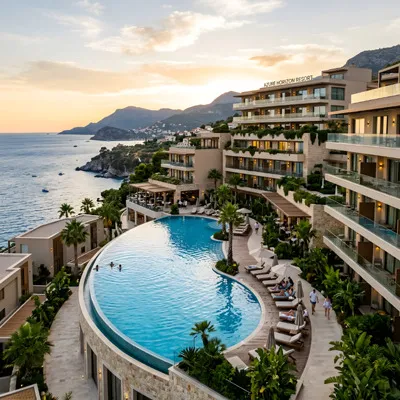
- Infinity pools: create visual harmony with landscapes
- Natural pools: eco-friendly with bio-filtration systems
- Lap pools: promote fitness and therapeutic use
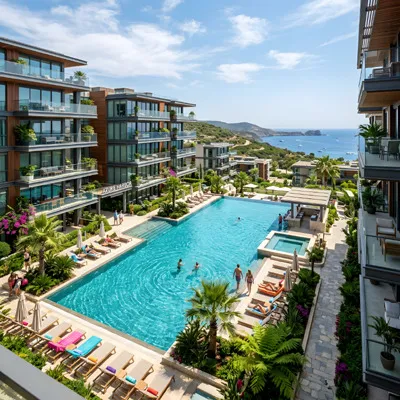
Each pool type supports different lifestyle goals, from recreation and fitness to aesthetic enhancement.
Carefully selecting the pool style to suit the home’s climate, space, and user preferences maximizes enjoyment and property value.
Integrating pools within outdoor living projects requires balancing form, function, and environmental impact to achieve a harmonious, human-centered design.
Climate Considerations in Pool Installation
Pool design must account for local climate to optimize usability and maintenance. In warmer regions, shading and cooling features extend comfort, while colder climates benefit from pool covers and heating systems.
Water conservation strategies and energy-efficient pumps reduce environmental footprint.
Positioning pools to capture sunlight while minimizing wind exposure enhances thermal comfort and operational efficiency. These considerations ensure the pool remains inviting year-round, supporting a slow, intentional use of outdoor space.
Proper climate integration aligns pool projects with sustainable architectural practices, reducing costs and environmental impact over time.
Pool Surroundings and Integration with Outdoor Spaces
| Feature | Benefit | Recommended Materials |
|---|---|---|
| Decking | Provides safe, slip-resistant surface | Composite wood, natural stone, textured concrete |
| Landscaping | Enhances privacy and aesthetic appeal | Native plants, shrubs, drought-resistant flora |
| Lighting | Improves safety and ambiance | LED fixtures, solar-powered lights |
Thoughtful integration of pool surroundings creates seamless transitions between water features and other outdoor zones. Materials are selected for durability, safety, and visual harmony, contributing to a calm and intentional outdoor lifestyle.
Well-planned pool environments extend living spaces, encourage social activity, and increase property desirability through architectural coherence.
Creating Functional and Inviting BBQ Areas
Design Principles for Outdoor Cooking Spaces
- Ergonomic layout for ease of movement and access
- Weather protection through pergolas or retractable awnings
- Durable countertops and storage solutions
- Integration with dining and seating zones
- Ventilation considerations for safety
- Incorporation of lighting and utilities
- Use of sustainable, low-maintenance materials
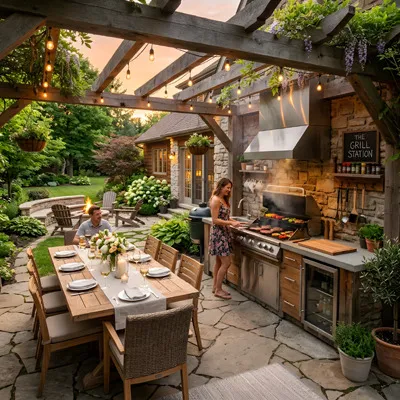
Effective BBQ areas blend functionality with comfort, ensuring that cooking outdoors is a pleasurable and social experience. The design supports efficient workflows and accommodates multiple users, enhancing usability for family gatherings and entertaining guests.
These principles reflect an architectural approach that respects both human activity and environmental context.
Materials and Equipment Selection for Durability
Choosing robust materials such as stainless steel appliances, stone countertops, and weather-resistant cabinetry ensures longevity and minimal upkeep. Quality grills with advanced heat distribution and fuel efficiency enhance cooking performance.
Fixtures and finishes should withstand exposure to elements including rain, sun, and temperature changes without degradation. These selections support a sustainable outdoor lifestyle by reducing replacement needs and operational costs.
Investing in durable BBQ infrastructure maximizes the return on outdoor living projects through increased functionality and user satisfaction.
Comparison of Popular BBQ Setup Types
| BBQ Type | Advantages | Considerations |
|---|---|---|
| Gas Grill | Quick heating, easy temperature control | Requires propane or natural gas supply |
| Charcoal Grill | Distinct smoky flavor, affordable | Longer prep time, more cleanup |
| Electric Grill | Convenient, suitable for small spaces | Limited flavor profile, requires power source |
Understanding the pros and cons of different BBQ setups helps homeowners make informed decisions aligned with their outdoor lifestyle and architectural goals. Each type offers unique benefits tailored to various cooking preferences and site constraints.
Choosing the right equipment integrates seamlessly into overall outdoor living design, enhancing both comfort and home value.
Furniture and Layout Strategies for Seamless Outdoor Integration
Spatial Planning for Multi-Functional Outdoor Areas
Effective layout planning ensures outdoor furniture supports diverse activities such as dining, lounging, and play. Zoning techniques use natural boundaries, level changes, and plantings to define spaces without interrupting flow. Flexible furniture arrangements adapt to seasonal needs and social occasions.
These strategies encourage a slow, intentional engagement with the environment, fostering comfort and usability. Proper spatial organization enhances the human-centered design ethos by prioritizing how people move and interact outdoors.
Ultimately, well-planned layouts maximize the potential of outdoor living projects, creating harmonious, functional, and inviting spaces.
Material and Style Cohesion Across Outdoor Elements
Harmonizing furniture styles with other outdoor components such as playgrounds, pools, and BBQ areas reinforces visual unity. Natural materials like wood and stone complement contemporary metals and fabrics, creating balanced contrasts. Color palettes are chosen to echo the surrounding landscape and architectural features.
Consistency in material use enhances durability and maintenance efficiency while supporting a calm, cohesive aesthetic. This architectural approach avoids decoration in favor of purposeful design aligned with human experience.
Attention to detail in style cohesion elevates the overall quality and perceived value of outdoor living environments.
Outdoor Furniture Arrangement Tips for Comfort and Flow
- Place seating groups to encourage conversation
- Ensure clear pathways for easy access and safety
- Incorporate shade structures strategically
- Balance open and intimate spaces
- Use rugs and planters to define zones
Applying these arrangement principles creates inviting outdoor rooms that feel both purposeful and relaxed. Thoughtful furniture placement supports social interaction while respecting natural movement patterns. These design decisions reflect an architectural sensitivity to how people live outdoors.
Such intentional layouts enhance comfort and usability, key factors in successful outdoor living projects focused on lasting value.
Climate-Conscious Approaches to Outdoor Lifestyle Design
Adapting Outdoor Spaces to Local Weather Patterns
Understanding regional climate is fundamental to outdoor project success. Strategies include orienting spaces to maximize shade or sunlight, selecting plants suited to local conditions, and using permeable materials to manage rainwater. These adaptations reduce environmental stress and increase usability throughout the year.
Climate-responsive design ensures outdoor living areas remain comfortable and functional regardless of seasonal changes. This approach supports sustainability by minimizing resource consumption and maintenance needs.
Incorporating climate awareness aligns with architectural best practices and enhances the human-centered quality of outdoor environments.
Energy Efficiency and Sustainable Material Choices
Choosing energy-efficient lighting, solar-powered features, and sustainable construction materials reduces the ecological footprint of outdoor living projects. Materials like reclaimed wood, recycled composites, and low-impact finishes contribute to environmental responsibility without sacrificing durability or aesthetics.
Water-saving irrigation and native plantings further support sustainability goals. These choices create resilient outdoor spaces that respect natural cycles and resources.
Integrating such elements reflects an intentional, slow design philosophy grounded in climate awareness and architectural integrity.
Examples of Climate-Aware Outdoor Lifestyle Enhancements
| Feature | Climate Benefit | Design Application |
|---|---|---|
| Green Roof Pergolas | Reduces heat gain, improves insulation | Shade seating areas, reduce urban heat island |
| Rain Gardens | Manages stormwater, improves soil health | Natural drainage near pools and play areas |
| Adjustable Shade Sails | Customizable sun protection | Flexible coverage for BBQ and dining zones |
Implementing these features demonstrates a commitment to climate-conscious design that enhances outdoor living comfort and sustainability.
They provide practical solutions that integrate architecture with environmental stewardship.
Such enhancements embody a human-centered, intentional outdoor lifestyle that adapts gracefully to changing conditions.
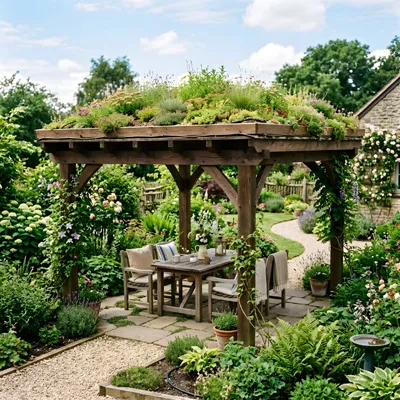
Outdoor lifestyle project
Outdoor lifestyle projects that include well-designed playgrounds, durable furniture, pools, and BBQ areas significantly enhance both comfort and property value. By focusing on climate-aware, human-centered architectural principles, these projects create intentional, slow-paced environments that reflect how people truly live outdoors.
Thoughtful integration of materials, layout, and sustainable features ensures these outdoor spaces remain functional, inviting, and resilient. Homeowners investing in such projects foster richer daily experiences while increasing their homes’ appeal and longevity.
Frequently Asked Questions (FAQ)
How Can I Ensure My Outdoor Furniture Lasts Through All Seasons?
Choosing weather-resistant materials like teak, powder-coated metals, and UV-protected fabrics is essential. Regular maintenance, such as cleaning and protective treatments, extends lifespan. Selecting covers or storing furniture during harsh weather also protects your investment.
What Safety Measures Should Be Considered When Designing a Playground at Home?
Ensure the use of impact-absorbing surfaces, rounded edges, and non-toxic materials. Compliance with local safety standards and clear sightlines for supervision are vital. Incorporating shade and comfortable seating nearby enhances safety and usability.
What Are the Benefits of Integrating a Pool Into My Outdoor Living Space?
Pools provide recreational opportunities, promote physical fitness, and add aesthetic appeal. Properly designed pools can extend usable outdoor time through heating or shading and increase property value through architectural integration.
How Do I Design a BBQ Area That Fits My Climate and Lifestyle?
Focus on durable, weather-resistant materials and protection from elements like sun or rain. Incorporate ergonomic layouts with easy access to utilities. Consider fuel type and ventilation to suit cooking preferences and safety in your climate.
Why is Climate Awareness Important in Outdoor Lifestyle Design?
Designing with climate in mind ensures comfort, durability, and sustainability. It reduces maintenance, conserves resources, and creates spaces that remain functional year-round, aligning with human-centered and architectural best practices.