
Small objects, meaningful objects, and affective photographies play a vital role in creating a home that feels cozy and deeply personal. These elements, though often subtle, shape the emotional landscape of residential spaces and offer a calm, intentional atmosphere where human experience is centered and celebrated.
Thank you for reading this post, don't forget to subscribe!In contemporary architecture and interior design, especially under the lens of climate awareness and international influences, minimalism need not sacrifice warmth or individuality. Instead, integrating carefully curated small objects and affective photographies can transform minimalist environments into spaces that foster connection and memory, emphasizing quality over quantity.
This article explores how these intimate items shape residential design, balancing minimalism with personal narrative. We will delve into practical strategies for selecting and placing meaningful objects, understand their emotional resonance, and examine how they align with climate-conscious, human-centered architectural principles.
Integrating Small Objects to Enhance Residential Spaces
Defining Small Objects and Their Role in Home Design
Small objects are often overlooked in architectural design, yet they hold significant power in shaping a room’s atmosphere. These include curated artifacts, heirlooms, or handcrafted items that carry personal or cultural significance. Their scale allows them to punctuate spaces without overwhelming, fostering a sense of calm and intentionality.
In residential settings, small objects bring texture and depth to minimal interiors by anchoring memories and stories. They serve as tactile reminders of human presence and continuity, connecting occupants to their surroundings in a meaningful way. Thoughtful placement of these items can create focal points that invite reflection and quiet engagement.
Moreover, small objects must be selected with care to avoid clutter. Their purpose is to complement architectural elements, not compete with them, ensuring that the design remains grounded and slow-paced, reflecting how people live and experience their homes daily.
Meaningful Objects as Emotional Anchors
Meaningful objects extend beyond mere decoration; they embody personal history and emotional resonance. Items like family heirlooms, gifts, or souvenirs carry narratives that enrich the living environment. Their presence fosters a sense of identity and belonging within the home.
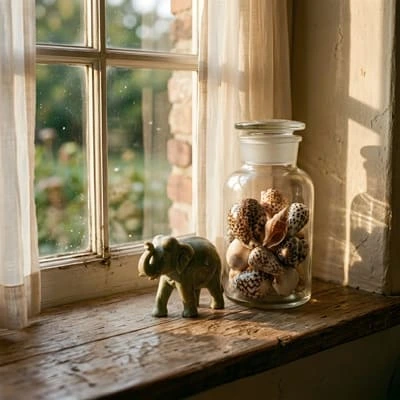
These objects also encourage mindfulness, prompting occupants to slow down and appreciate the stories embedded in their surroundings.
This deliberate engagement aligns with a human-centered design philosophy that prioritizes emotional well-being alongside physical comfort.
By incorporating meaningful objects thoughtfully, designers can bridge the gap between minimalism and personalization, crafting spaces that feel both intentional and intimate.
Capturing Memories Through Affective Photographies
Affective photographies are powerful tools for embedding memory and feeling within a space. Unlike generic art, these photographs evoke personal or collective histories that resonate emotionally with inhabitants. Their presence can transform a minimalist room into a narrative canvas, fostering connection and reflection.
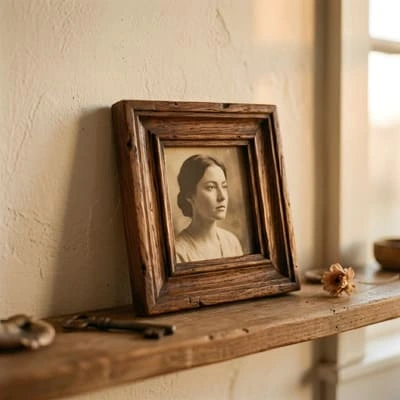
Choosing affective photographies involves selecting images that evoke warmth, nostalgia, or inspiration.
They should complement the architectural language, enhancing the space’s calm and intentional mood without disrupting visual harmony.
Displayed with care, these photographs become landmarks within the home, inviting occupants to revisit moments and emotions, thereby deepening the human connection to the environment.
Curating Small Objects for Meaningful Impact
Strategies for Selecting Impactful Small Objects
- Prioritize objects with personal or cultural significance.
- Choose items that complement the color palette and materials of the space.
- Consider the object’s texture and tactile qualities to enhance sensory experience.
- Limit quantity to avoid clutter and maintain a calm atmosphere.
- Integrate objects that tell a story or evoke emotion.
Selecting small objects requires intentionality and a clear understanding of the home’s narrative. This process involves balancing aesthetics with emotional weight, ensuring each item contributes uniquely to the overall atmosphere.
When well curated, these objects can guide the eye and encourage meaningful interactions, reinforcing the home’s identity and the occupant’s connection to place.

Placement Techniques for Small Objects
Effective placement of small objects enhances their visibility and emotional impact.
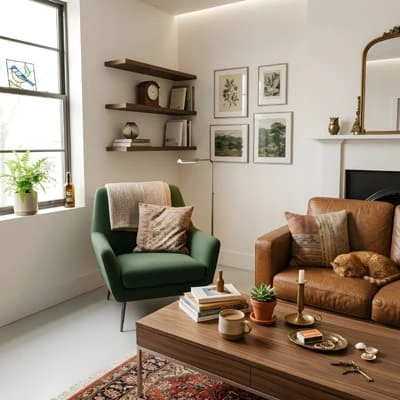
Grouping items in meaningful clusters or positioning them in moments of transition—such as entryways or near seating—can amplify their presence.
Consider architectural features like niches, shelves, or window sills as natural stages for these objects. Lighting also plays a crucial role, with soft, directional light highlighting textures and shapes without overpowering the space.
Thoughtful arrangement ensures small objects contribute to the home’s rhythm and flow, supporting slow living and intentional design.
Comparative Table: Materials and Emotional Resonance of Small Objects
| Material | Emotional Quality | Durability & Care |
|---|---|---|
| Wood | Warmth, natural connection | Requires occasional polishing, durable |
| Ceramics | Fragility, craftsmanship | Handle with care, breakable |
| Textiles | Softness, comfort | Needs regular cleaning, sensitive to light |
| Metal | Strength, timelessness | May tarnish, requires polishing |
Meaningful Objects as Cultural and Personal Narratives
Embedding Stories in Everyday Items
- Family heirlooms that carry generational stories.
- Handcrafted objects reflecting artisanal traditions.
- Travel souvenirs symbolizing personal journeys.
- Books and letters that capture intellectual heritage.
- Functional objects with sentimental value.
Meaningful objects function as tangible narratives within the home. Each item encapsulates memories and identities, anchoring the inhabitant’s story in the physical environment.
This narrative approach enriches minimalist interiors with layers of meaning, connecting past and present through objects that are seen and touched daily.
Balancing Minimalism with Personal Expression
Minimalism often evokes a sense of austerity, but meaningful objects introduce warmth and individuality without compromising simplicity. The key lies in selecting items that resonate deeply and arranging them to support the spatial flow.
This balance requires restraint and discernment, focusing on quality rather than quantity. The presence of meaningful objects encourages slow living, where occupants engage thoughtfully with their surroundings.
Through this balance, homes become reflections of human experience, grounded in both international design principles and personal histories.
Meaningful Objects in Climate-Conscious Design
Climate-aware architecture emphasizes sustainability and longevity, values inherently aligned with meaningful objects. Choosing durable, timeless items reduces waste and fosters environmental responsibility.
Additionally, objects crafted from natural or recycled materials support ecological goals while enhancing the sensory richness of a home. These choices demonstrate how personal expression and climate awareness coexist harmoniously.
Ultimately, meaningful objects contribute to a sustainable lifestyle by encouraging care, repair, and reverence instead of disposable trends.
Emotional Depth Through Affective Photographies
Selecting Photographs with Emotional Resonance
- Images that evoke positive memories or aspirations.
- Photographs capturing family moments or milestones.
- Scenes from nature or meaningful places.
- Black and white or color photos that complement
- Photographs with a timeless or contemplative quality.
- Portraits that reflect personal or cultural identity.
- Abstract photographs that invite interpretation.
Choosing affective photographies involves more than aesthetics; it’s about emotional connection. The selected images should invite contemplation, grounding the home in lived experience and memory.
By carefully selecting photographs, occupants can create visual narratives that evolve over time, integrating personal history with architectural space.
Techniques for Displaying Affective Photographies
Displaying photographies effectively enhances their emotional impact.
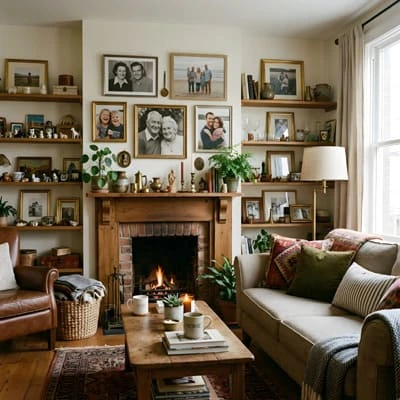
Consider formats such as framed prints, albums, or wall collages that suit the home’s rhythm.
Placement at eye level, in intimate spaces like bedrooms or living rooms, encourages engagement. Natural light should be balanced with UV protection to preserve images’ quality over time.
Consistent framing and spacing maintain visual harmony, supporting a calm, intentional atmosphere aligned with human-centered design.
Table: Comparing Photographic Styles and Emotional Effects
| Photographic Style | Emotional Tone | Best Placement |
|---|---|---|
| Black & White | Timeless, nostalgic | Living rooms, hallways |
| Color Documentary | Vibrant, lively | Kitchens, social spaces |
| Abstract | Contemplative, interpretive | Bedrooms, reading nooks |
| Portraiture | Personal, intimate | Private spaces, offices |
Small Objects and Meaningful Collecting Practices
Cultivating a Collection with Intention
- Define the collection’s theme or purpose.
- Focus on quality, craftsmanship, and story.
- Maintain balance between variety and cohesion.
Intentional collecting transforms small objects into a cohesive narrative, adding depth to the home’s character. This practice encourages mindfulness and discourages impulsive accumulation, resonating with slow living principles.
By prioritizing meaning and sustainability, collections become cherished parts of the domestic environment, reflecting the inhabitant’s values and experiences.
Maintaining and Caring for Small Objects
Preservation enhances the longevity and emotional value of meaningful objects. .
Regular cleaning, gentle handling, and appropriate environmental controls protect these items from damage.
Understanding material-specific care—from dusting wooden artifacts to avoiding direct sunlight on textiles—ensures objects age gracefully. This maintenance ritual fosters a deeper relationship between occupant and object.
Such care practices align with a climate-conscious, human-centered design approach, emphasizing respect and stewardship
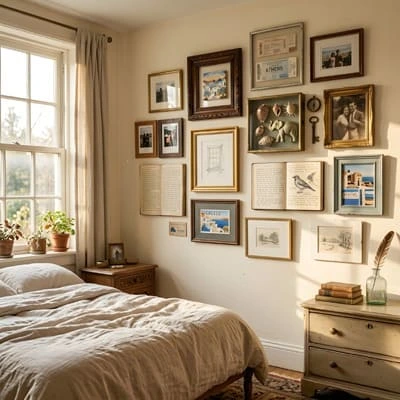
Ethical and Sustainable Considerations
Choosing objects ethically supports broader environmental and social goals. Sourcing from local artisans, upcycling, or selecting vintage pieces reduces environmental impact and promotes responsible consumption.
Ethical curation also respects cultural heritage, avoiding appropriation while celebrating diversity. This approach aligns with international but grounded design philosophies.
Ultimately, ethical collecting nurtures a home that is both meaningful and mindful, reflecting conscious choices that extend beyond aesthetics.
Creating Atmosphere with Small and Meaningful Objects
Using Texture and Materiality
Texture and materiality contribute significantly to the sensory experience of a home. Small objects crafted from natural materials—wood, stone, ceramics—introduce tactile warmth that contrasts with minimalist surfaces.
These textures invite touch and engagement, grounding spaces in a human scale and rhythm. This sensory dimension is crucial for fostering calm and intentional environments.
Material choices also influence acoustics and light reflection, subtly shaping the atmosphere in line with architectural intent.
Color and Visual Balance
Small objects and photographies provide opportunities to introduce nuanced color accents without disrupting a minimalist palette.
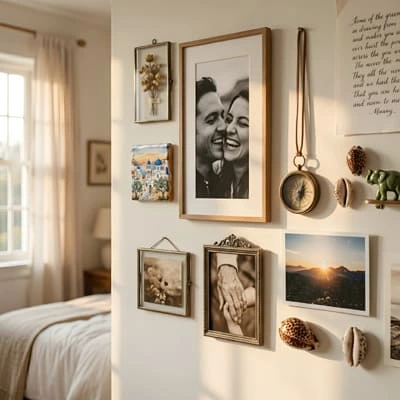
Soft, muted tones enhance calm, while strategic pops of color enliven the space.
Visual balance is achieved through repetition, scale, and contrast, ensuring objects harmonize with architectural elements. This balance supports slow, intentional living by avoiding overstimulation.
Color choices should reflect both personal preference and the broader spatial context, reinforcing coherence and warmth.
Lighting as a Design Tool
- Use warm, directional lighting to highlight objects.
- Incorporate natural light to enhance texture and color.
- Employ dimmers for adjustable ambiance.
- Consider shadow play to add depth and interest.
- Integrate lighting solutions that are energy efficient and sustainable.
Lighting profoundly affects how small objects and photographies are perceived. Thoughtful illumination elevates their presence, creating moments of intimacy and reflection within the home.
Architecturally integrated lighting supports climate-aware design, combining aesthetics with functionality while emphasizing human experience.
Home with personality
Small objects, meaningful objects, and affective photographies are essential components of a home that feels both minimal and deeply personal. Their careful curation and placement enrich residential spaces with emotional depth, supporting a calm and intentional lifestyle.
By embracing these elements through a climate-conscious, human-centered architectural lens, homeowners and designers create environments that honor memory, identity, and sustainability. Reflect on your own space—what small objects or photographs can you introduce to transform your home into a sanctuary of meaning and calm?
Frequently Asked Questions (FAQ)
What Defines a Small Object in Home Design?
Small objects are items of modest size that contribute to the aesthetic and emotional atmosphere of a space. They often carry personal or cultural significance and are carefully placed to enhance a home’s character without causing visual clutter.
How Can Meaningful Objects Improve the Feel of a Minimalist Home?
Meaningful objects introduce personality and emotional resonance to minimalist spaces. By reflecting personal stories or cultural heritage, they create warmth and connection, balancing simplicity with intimacy and fostering a human-centered environment.
What Makes Affective Photographies Different from Regular Photos?
Affective photographies evoke strong emotional responses, often tied to personal or collective memories. Unlike generic images, they serve as narrative anchors that deepen occupants’ connection to their environment and enrich the home’s atmosphere.
How Do Small Objects Align with Climate-aware Design Principles?
Small objects made from sustainable or recycled materials support climate-aware design by reducing environmental impact. Their longevity and timelessness promote slower consumption and encourage care, aligning with eco-conscious living.
What Are Best Practices for Displaying Affective Photographies?
Display affective photographies in intimate or frequently used spaces, using consistent framing and proper lighting to protect and highlight the images. Placement should encourage engagement and complement the architectural design for a cohesive, calm atmosphere.
References:
- ArchDaily – Architecture and Design
- National Trust – Conservation and Heritage
- Slow Design – Sustainable Design Movement