Last updated on September 14th, 2026 at 08:27 pm
Garden style is a crucial aspect of residential architecture that shapes how outdoor spaces are experienced and enjoyed. It refers to the intentional design approach that balances aesthetics, functionality, and the natural environment, creating spaces that invite slower mornings and longer afternoons. Understanding garden style is essential for crafting outdoor areas that enhance daily living while responding thoughtfully to climate and human needs.
Modern garden style transcends mere decoration—it embraces a calm, architectural language that supports relaxation and connection with nature. This approach addresses the challenge of busy lifestyles by promoting intentional, slow living through well-considered outdoor environments. By integrating climate-aware planting and purposeful design, garden style creates resilient and inviting spaces that enrich residential life.
This article explores diverse elements and strategies within garden style, offering insights on how to design gardens that foster tranquility and meaningful use. From spatial layout to plant selection, each section delves into variations and nuances that help homeowners and designers create outdoor environments tailored for lasting comfort and engagement.
Exploring Variations of Garden Style
Defining Garden Style in Residential Contexts
Garden style in residential design signifies a thoughtful blend of form, function, and environment. It prioritizes human experience, ensuring outdoor spaces are not just visually appealing but also comfortable and practical.
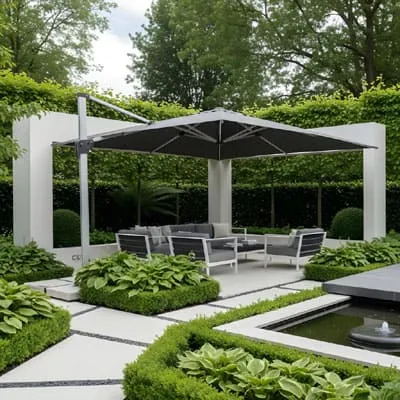
This style often incorporates climate-sensitive plant choices and materials that perform well over time.
The core of garden style lies in its architectural quality, emphasizing clean lines, natural textures, and spatial harmony. It avoids superfluous decoration, focusing instead on intentional elements that support slow living and well-being.
Understanding these principles helps homeowners create gardens that are extensions of their living spaces, encouraging longer use throughout the day and across seasons.
Common Variations and Synonyms of Garden Style
Garden style encompasses various design approaches, including minimalist, naturalistic, and contemporary styles. Each variation shares a commitment to purposeful design and climate awareness, adapting to local conditions and user habits.
Terms like landscape architecture, outdoor living design, and ecological gardening often overlap with garden style, highlighting its multifaceted nature. These concepts emphasize sustainability, spatial clarity, and sensory experience.
Recognizing these synonyms aids in selecting the best strategies for a specific site and lifestyle, ensuring a cohesive and grounded garden design.
Key Elements That Shape Garden Style
Several elements define the character of a garden style, such as plant palette, hardscape materials, and spatial organization.
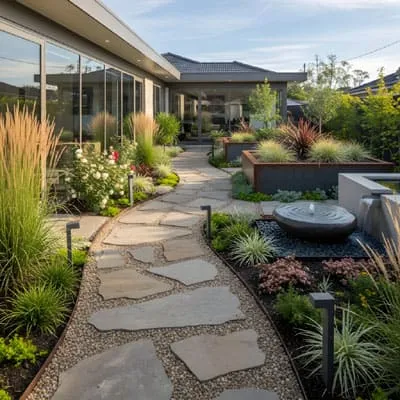
Together, they create a balanced environment that invites relaxation and engagement.
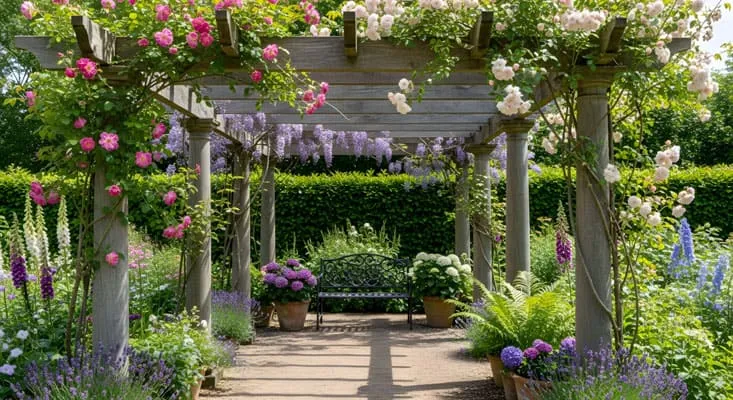
Architectural features like pergolas, seating areas, and pathways are integrated thoughtfully to foster a calm atmosphere. Plant selection prioritizes native or climate-adapted species, reducing maintenance and enhancing ecological value.
The result is a garden style that supports slow mornings and long afternoons through intentional design, comfort, and visual harmony.
Garden Style Principles for Intentional Outdoor Living
Core Principles Guiding Garden Style Design
- Human-centered spatial planning for comfort and accessibility
- Climate-adaptive plant and material choices
- Architectural simplicity and functional beauty
- Integration of natural light and shade for daily use
- Encouragement of slow, mindful engagement with the outdoors
These principles ensure that garden style is more than aesthetic—it is a framework for meaningful outdoor living. The design respects human rhythms and environmental conditions, promoting spaces that feel intentional and calm.
Applying these guidelines results in gardens that enhance wellness, providing spaces that are both beautiful and livable throughout the year.
Balancing Functionality and Aesthetic in Garden Style
Successful garden style harmonizes utility with visual appeal. Functional zones such as dining areas, lounges, and pathways are integrated seamlessly with plantings and structural elements. This balance invites use and enjoyment while maintaining design coherence.
Materials are selected not only for durability but also for their tactile and visual qualities, contributing to an overall sense of calm. The layout encourages natural movement and connection with nature.
Such an approach ensures the garden supports slow mornings and long afternoons by being both usable and inspiring.
Environmental Responsiveness in Garden Style
Climate awareness is a cornerstone of garden style, influencing plant selection, irrigation strategies, and material choices. Designs consider sun angles, prevailing winds, and rainfall patterns to create resilient and comfortable outdoor spaces.
This responsiveness reduces resource consumption and enhances the garden’s ecological integration. Native plants and sustainable materials help foster biodiversity and long-term vitality.
By aligning design with environmental conditions, garden style becomes a living architecture that supports both people and place.
| Principle | Design Impact | Example |
|---|---|---|
| Human-centered Planning | Enhances comfort and usability | Accessible pathways and seating zones |
| Climate Adaptation | Improves sustainability and resilience | Use of drought-resistant plants |
| Architectural Simplicity | Creates calm and cohesive spaces | Minimalist pergola structures |
Designing Garden Style for Residential Comfort
Creating Comfortable Outdoor Rooms
- Define zones with planting and paving
- Incorporate shade structures for sun protection
- Use natural materials for tactile warmth
- Add seating with ergonomic consideration
- Plan for privacy and quiet areas
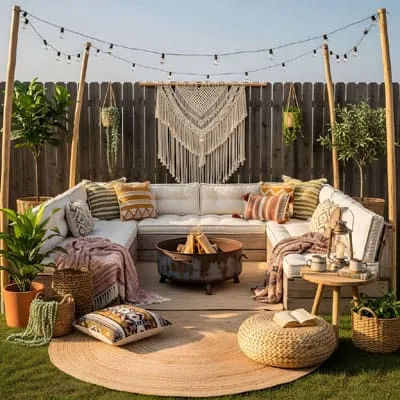
Comfort is central to garden style, ensuring outdoor spaces feel like extensions of the home. Designing distinct “outdoor rooms” with purposeful boundaries and amenities encourages longer, slower use throughout the day.
These spaces support a range of activities from quiet reflection to social gatherings, all grounded in a calm and intentional design language.
Plant Palette Choices for Residential Gardens
Selecting plants for garden style involves prioritizing those suited to local climate and soil conditions. Native and drought-tolerant species reduce water use and maintenance while providing year-round interest.
Layering plants by height and texture creates depth and softness, complementing architectural elements. Seasonal variation adds subtle dynamism without overwhelming the calm aesthetic.
This considered planting strategy supports ecological health and enhances the sensory experience of the garden.
Integrating Water Features and Lighting
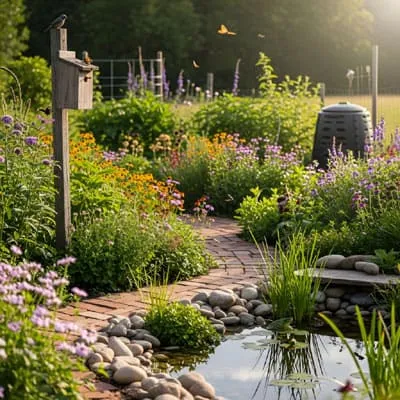
Water elements such as reflecting pools or subtle fountains offer tranquility and enhance microclimates. Their placement and scale are deliberate, contributing to the garden style’s architectural coherence.
Lighting extends usability into the evening, highlighting paths and focal points without disrupting the calm atmosphere. Soft, warm light sources encourage relaxation and safety.
Thoughtful integration of these features complements the overall design intent and supports slow, intentional outdoor living.
Landscape Architecture Approaches to Garden Style
Architectural Frameworks in Garden Style
- Structured pathways defining flow and movement
- Geometric planting beds for clarity and order
- Use of repetition and rhythm in materials and plants
- Framing views within and beyond the garden
Landscape architecture principles provide the backbone for garden style, lending coherence and function. These frameworks guide users through the space thoughtfully, ensuring moments of pause and engagement.
This approach blends the organic with the constructed, creating gardens that feel both intentional and alive.
Material Selection and Sustainability
Materials in garden style are chosen for durability, aesthetics, and environmental impact. Natural stone, sustainably sourced wood, and permeable paving support ecological performance and visual warmth.
Recycled and locally sourced materials reduce carbon footprint and integrate the garden with its context. Maintenance considerations also influence material choices, supporting long-term use.
These decisions reflect the garden style’s commitment to slow, sustainable living and architectural integrity.
Comparing Garden Style Design Methods
| Method | Focus | Outcome |
|---|---|---|
| Minimalist | Reduction of elements | Calm, uncluttered spaces |
| Naturalistic | Ecological harmony | Layered, diverse planting |
| Contemporary | Architectural boldness | Strong forms and materials |
Climate-Aware Strategies Within Garden Style
Adapting to Local Climate Challenges
- Maximizing shade and ventilation
- Incorporating drought-tolerant species
- Designing for rainwater capture and reuse
- Using thermal mass in hardscape
- Employing windbreaks and sheltering plants
Climate-aware garden style addresses environmental challenges proactively, creating spaces that remain comfortable and sustainable year-round. This approach reduces resource use and enhances resilience to changing weather.
Designers and homeowners benefit from understanding these strategies to ensure their gardens thrive and support slow, mindful living.
Planting Techniques for Climate Resilience
Techniques such as layering canopy and understory, mulching, and choosing native species improve soil health and water retention. These methods create microclimates that protect plants and enhance comfort.
Succession planting ensures continuous coverage, reducing erosion and maintenance. These thoughtful techniques align with garden style’s emphasis on intentional and slow landscape evolution.
The result is a garden that adapts gracefully to its environment, supporting longer, more enjoyable outdoor time.
Water Management in Garden Style
Effective water management is critical in climate-aware garden style. Strategies include rain gardens, bioswales, and permeable surfaces that manage runoff and recharge groundwater.
Efficient irrigation systems, like drip lines and moisture sensors, minimize waste and support plant health. These methods reflect a commitment to sustainability and environmental stewardship.
Water-conscious design enhances the garden’s beauty and function, making it an enduring part of residential life.
Human-Centered Garden Style Design
Designing for Daily Routines and Rituals
- Creating morning sun spots for coffee and reflection
- Establishing afternoon shade retreats
- Incorporating spaces for gardening and play
- Facilitating social interaction with comfortable seating
Human-centered garden style focuses on how people actually live and interact with their outdoor spaces. By anticipating daily activities and rhythms, designers create environments that enhance well-being and connection.
This approach ensures gardens feel personal, inviting, and supportive of slower, more intentional living.
Accessibility and Inclusivity in Garden Style
Inclusive garden design considers diverse mobility and sensory needs, ensuring all users can enjoy the space safely and comfortably. Features like smooth transitions, varied seating heights, and tactile plantings support accessibility.
Designing for inclusivity broadens the garden’s appeal and usability, fostering connection and community within residential settings.
This attentiveness reflects garden style’s human-centered ethos and architectural integrity.
Emotional and Psychological Benefits
Garden style promotes mental well-being through calming spatial arrangements and natural elements. Access to greenery and natural light reduces stress and supports restorative experiences.
Slow, intentional outdoor living nurtures mindfulness and presence, enhancing quality of life. The garden becomes a sanctuary for contemplation and social bonding.
This psychological dimension underscores the importance of garden style in residential design.
Architectural Integration of Garden Style
Blending Indoor and Outdoor Spaces
- Use of large openings and sliding doors
- Continuity of flooring materials
- Visual and physical connection through sightlines
Architectural integration in garden style dissolves barriers between interior and exterior, enhancing flow and expanding living areas. This approach invites natural light and fresh air while framing garden views.
Such seamless connections encourage people to spend more time outdoors, embracing slow, intentional living aligned with garden style principles.
Structural Elements Supporting Garden Style
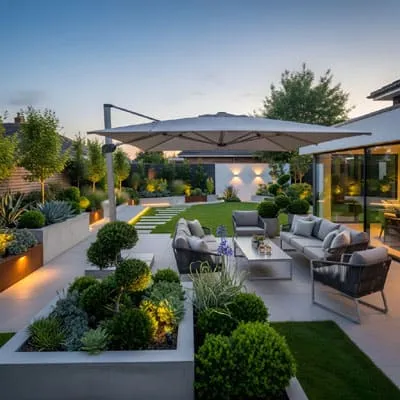
Elements like pergolas, trellises, and built-in seating anchor the garden architecturally. They provide shade, define spaces, and add texture, all while maintaining simplicity and calm.
These structures are designed to complement the home’s architecture, reinforcing cohesion and enhancing usability throughout the day.
Thoughtful integration of built elements supports the garden’s role as an extension of the home’s living environment.
Material Palette for Architectural Cohesion
Choosing materials that resonate with the home’s architectural language strengthens garden style coherence. Natural stone, timber, and muted metals create a tactile and visual harmony.
Durability and environmental impact are central considerations, ensuring materials age gracefully and support sustainability goals.
This cohesive material palette elevates the garden from a decorative afterthought to an integral architectural component.
Garden Style
Garden style is a sophisticated design approach that merges architecture, climate awareness, and human experience to create residential outdoor spaces that encourage slow, intentional living. Through thoughtful plant selection, material choices, and spatial planning, it fosters environments that support longer, more meaningful use.
Embracing garden style allows homeowners and designers to craft gardens that are not only beautiful but also functional and sustainable. Reflect on your outdoor space and consider how these principles can transform it into a sanctuary for slower mornings and longer afternoons.
Frequently Asked Questions (FAQ)
What Does Garden Style Mean in Residential Design?
Garden style refers to a deliberate approach to designing outdoor spaces that integrates architectural principles, climate awareness, and human-centered elements. It focuses on creating calm, functional, and sustainable gardens that enhance everyday living.
How Can Garden Style Improve Outdoor Comfort?
By prioritizing shading, climate-adaptive plants, and ergonomic seating, garden style designs create outdoor rooms that invite longer use and relaxation. Thoughtful spatial planning ensures comfort throughout the day and across seasons.
What Are Some Climate-aware Strategies in Garden Style?
Strategies include selecting drought-tolerant plants, designing for natural ventilation, capturing rainwater, and using permeable surfaces. These approaches enhance sustainability and resilience while maintaining aesthetic appeal.
How Does Garden Style Support Slow Living?
Garden style fosters slow living by creating environments that encourage mindful interaction, relaxation, and extended time outdoors. Its calm, intentional design resists hurried use and invites presence and reflection.
Can Garden Style Be Adapted for Small Residential Gardens?
Yes, garden style principles can be scaled to any size. Careful zoning, plant selection, and material use create intimate, functional spaces that maximize comfort and aesthetic impact, even in limited areas.
Sources and further reading:
- American Society of Landscape Architects
- U.S. Green Building Council
- ArchDaily: Landscape Architecture

Architect with extensive experience in residential and commercial design, including renovations and modular construction. Love to share information about Architecture, home and lifestyle in this blog.