
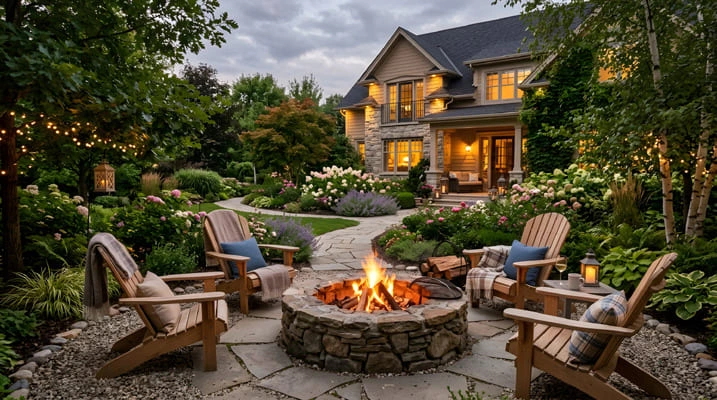
Outdoor fire pits have evolved from simple backyard fixtures to well-designed architectural elements that reshape how we experience open-air living. Understanding the various types of fire pits available is essential for creating an outdoor space that is both functional and harmonious with its environment. Far beyond mere decoration, fire pits serve as focal points for gatherings, sources of warmth, and even tools for cooking.
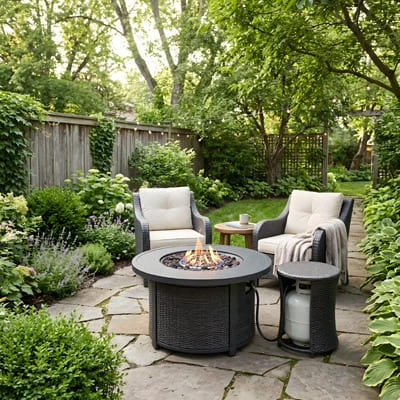
This article explores the principal types of fire pits, their construction, and their suitability for different climates and lifestyles.
Knowing the distinctions among fire pit designs helps homeowners make informed decisions that align with safety standards, local regulations, and personal usage patterns.
Whether you are looking for a permanent installation or a portable solution, this guide clarifies the technical and practical aspects behind each type, drawing from real-world experience and architectural insight.
The Essentials of Fire Pit Selection
- Fire pits are broadly categorized into wood-burning, gas-powered, and hybrid types, each with distinct operational and environmental considerations.
- The choice of materials—such as steel, concrete, or stone—significantly affects durability, heat retention, and aesthetic integration with outdoor architecture.
- Climate and local regulations influence which fire pit types are viable options, especially regarding emissions and safety zones.
- Portable fire pits offer flexibility but often compromise on heat output and longevity compared to built-in designs.
- Modern fire pits incorporate design elements that facilitate social interaction while minimizing environmental impact.
Understanding the Different Types of Fire Pits for Outdoor Use
Fire pits typically fall into three main types based on their fuel source and construction: wood-burning, gas-powered, and hybrid models. A wood-burning fire pit is a traditional design that uses logs or charcoal, delivering an authentic flame experience and the characteristic aroma of burning wood. These require more maintenance and careful management of smoke and embers. Gas fire pits, fueled by propane or natural gas, offer cleaner combustion, easier ignition, and precise control over flame intensity.
Hybrids combine both fuel sources, allowing flexibility depending on user preference or availability.
Each type has architectural implications. For instance, natural gas fire pits necessitate professional gas line installation and adherence to stringent code requirements, whereas wood-burning pits require adequate clearance and often a stone or metal enclosure to contain sparks.
Climate also plays a role: in regions prone to drought or with strict fire bans, gas fire pits are often the safer and more compliant option.
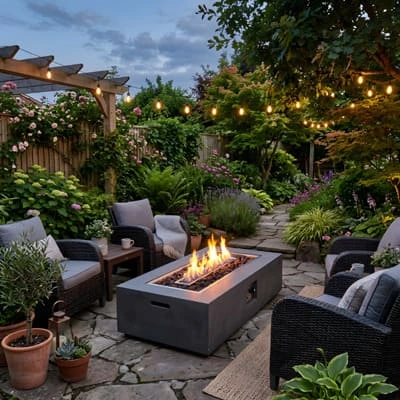
“The difference between wood-burning and gas fire pits lies not just in their fuel source but in how they integrate with the surrounding environment, balancing ambiance, convenience, and safety.” — Architectural Outdoor Design Journal, 2023
Material Choices That Impact Fire Pit Performance and Longevity
Materials define both the functional lifespan and the aesthetic expression of a fire pit. Common materials include steel, cast iron, concrete, and natural stone. Steel offers versatility and modern design potential but requires coatings or treatments to resist rust and heat distortion. Cast iron excels in heat retention but is heavier and can crack under extreme thermal stress. Concrete is favored for built-in fire pits due to its durability and ability to be molded into various shapes; however, it must be properly sealed to avoid deterioration from moisture.
Natural stone, such as granite or limestone, creates a timeless look but requires skilled masonry and routine maintenance to prevent cracking or staining. The choice of material also affects thermal performance: dense materials retain heat longer, enhancing comfort but potentially raising safety concerns for children or pets.
Portable Versus Built-In Fire Pits: Weighing Flexibility Against Permanence
Portable fire pits have surged in popularity due to their convenience and lower upfront cost. These units are typically lightweight, made of steel or aluminum, and fueled by propane tanks or wood. Portability allows for repositioning based on social needs or weather conditions. However, they often lack the robust heat output and aesthetic integration of built-in fire pits.
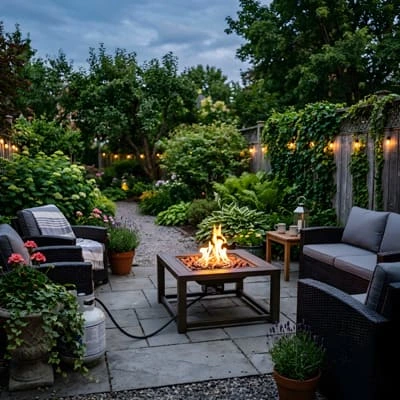
Built-in models, by contrast, are permanent architectural features designed to complement the landscape and home exterior.
They allow customization in size, shape, and materials, often including seating areas or counters around the fire.
From experience, portable fire pits serve best in small outdoor spaces or temporary setups, while built-in designs enhance the long-term value and usability of outdoor living areas.
Yet, built-in pits require more significant investment and must comply with zoning and safety codes.
“Portable fire pits provide instant ambiance but rarely replicate the commanding presence and warmth of a thoughtfully integrated built-in fire feature.” — Landscape Architect Review, 2022
Integrating Fire Pits Into Outdoor Living with Climate and Safety in Mind
Designing a fire pit with climate awareness means considering factors like wind, precipitation, and temperature fluctuations. For example, fire pits in windy areas need wind guards or deeper bowls to prevent flames from spreading embers. In wet climates, materials resistant to moisture and corrosion are critical. Some designs incorporate covers or retractable lids to protect the fuel source and structure when not in use.
Safety is paramount: fire pits should maintain appropriate clearances from structures, vegetation, and overhanging branches.
Local building codes often dictate minimum distances and require fire-resistant materials. In urban or fire-prone areas, gas fire pits are usually recommended due to lower particulate emissions and controlled flames.
In rural settings with ample space, wood-burning fire pits may be more acceptable but still demand responsible use.
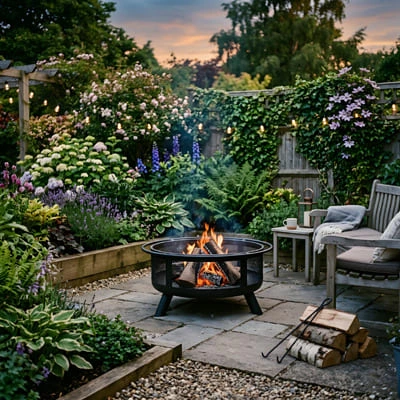
Enhancing Outdoor Experience: Fire Pit Features and Accessories
The modern fire pit transcends its basic function by incorporating features that enhance user experience and sustainability. Accessories such as spark screens, cooking grates, and adjustable flame controls transform a fire pit into a multifunctional outdoor appliance.
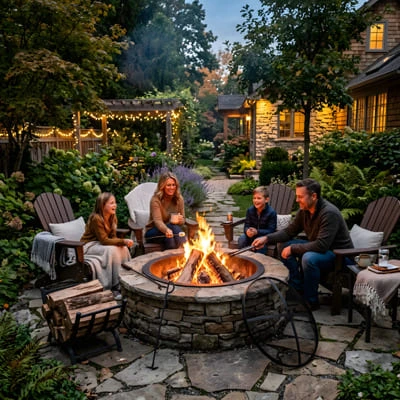
Some designs integrate seating or lighting to create a cohesive social hub.
Technological innovations include remote ignition systems, heat-resistant glass barriers, and eco-friendly fuel options like bioethanol.
These additions require thoughtful architectural planning to maintain safety and ease of use.
Recognizing the interplay between design, functionality, and user behavior is crucial for a successful fire pit installation.
What to Do Now: Choosing the Right Fire Pit for Your Outdoor Space
Assess your outdoor environment, local regulations, and personal preferences before selecting a fire pit type. If safety and low maintenance are priorities, gas fire pits offer a reliable solution. For those seeking ambiance and a traditional feel, wood-burning models remain unmatched but require more care. Portable fire pits suit transient needs or small spaces, while built-in options provide a lasting architectural statement. Ultimately, aligning your choice with climate factors and lifestyle ensures a fire pit that enriches your outdoor living for years to come.
Frequently Asked Questions About (FAQ)
What Are the Main Differences Between Wood-burning and Gas Fire Pits?
Wood-burning fire pits use logs or charcoal, providing a traditional flame and smoky aroma but require more maintenance and create more smoke and ash. Gas fire pits operate on propane or natural gas, offering cleaner combustion, easier ignition, and better flame control. However, they lack the sensory experience of burning wood. The choice depends on your priorities regarding ambiance, convenience, and local regulations.
Can I Install a Fire Pit Myself, or Should I Hire a Professional?
Installation depends on the fire pit type and local codes. Portable fire pits usually require no special installation and can be set up by homeowners. Built-in gas fire pits often need professional gas line installation and compliance with safety regulations. Wood-burning pits may require a masonry expert for proper construction. Hiring professionals ensures safety and adherence to local laws.
Are Fire Pits Safe to Use in All Climates?
Not all fire pits suit every climate. Windy or drought-prone areas might restrict wood-burning fire pits due to fire hazards. Gas fire pits are generally safer in such conditions because of controlled flames and fewer sparks. Moisture-resistant materials are essential in wet climates to prevent damage. Always check local fire regulations before installation.
What Materials Are Best for a Durable Fire Pit?
Durability depends on material choice and climate. Steel and cast iron are popular for portability but require protective coatings to prevent rust. Concrete and natural stone offer lasting outdoor resilience, especially for built-in pits. Each material has pros and cons regarding heat retention, maintenance, and aesthetics, so selection should align with usage patterns and environmental exposure.
How Do I Maintain a Fire Pit to Ensure Longevity?
Regular cleaning removes ash, debris, and soot, preventing buildup that can degrade materials. Protective covers shield fire pits from weather when not in use. For metal pits, inspect and touch up coatings to prevent rust. Wood-burning pits need chimney or vent cleaning if applicable. Proper maintenance extends the lifespan and maintains safety.

Architect with extensive experience in residential and commercial design, including renovations and modular construction. Love to share information about Architecture, home and lifestyle in this blog.