Last updated on August 28th, 2026 at 02:23 pm
Landscaping a residential property involves more than just aesthetics; it demands a thoughtful understanding of the various types of plants that can thrive in different climates and living conditions. Plants are the foundational elements that shape the architecture of outdoor spaces, influencing not only beauty but also functionality, sustainability, and the overall experience of the garden. Knowing the types of plants and their unique characteristics enables homeowners and designers to create gardens that are both productive and harmonious with their natural environment.
By exploring the diversity of plant classifications—from structural forms like trees and shrubs to ecological groupings such as native and drought-tolerant species—this article outlines how to approach planting with intention. Whether the goal is to enhance privacy, improve air quality, or cultivate edible landscapes, understanding the core types of plants is essential for making informed choices that align with climatic realities and lifestyle needs.
What you need to know?
- Plants are categorized by form, lifecycle, and environmental adaptation, which influence their placement and function in residential gardens.
- Deciduous and evergreen plants serve distinct architectural and ecological roles, affecting light, privacy, and seasonal dynamics.
- Native and climate-adapted species reduce maintenance needs and support local biodiversity, critical for sustainable gardening.
- Incorporating edible plants integrates productivity with design, offering both nourishment and aesthetic value.
- Understanding the limitations of plant types in specific climates is key; some species excel only under certain soil, water, or temperature conditions.
Understanding the Main Types of Plants and Their Roles in Residential Gardens
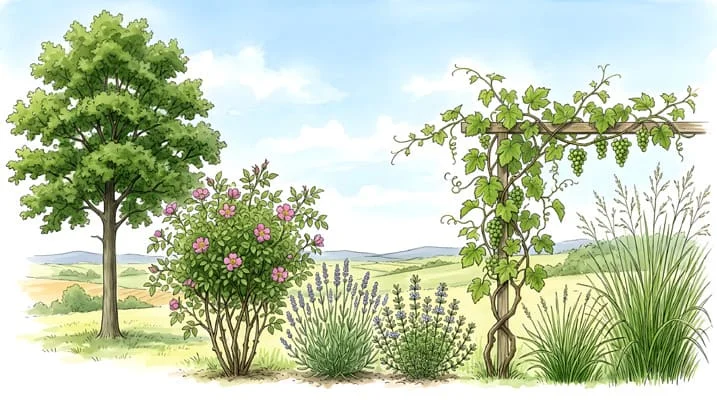
To approach the types of plants effectively, it is essential to first define their classifications based on morphology, lifecycle, and ecological behavior. Broadly, plants fall into categories such as trees, shrubs, herbs, vines, and grasses, each bringing different structural and functional qualities to a garden. Trees provide vertical structure and shade, while shrubs offer mid-level volume and privacy screens. Herbs and groundcovers fill spaces with texture and often have aromatic or culinary uses. Vines create vertical accents and can soften hard architectural lines.
From a lifecycle perspective, plants are divided into annuals, biennials, and perennials. Annual plants complete their cycle in one growing season, offering bursts of color and variety but requiring replanting. Perennials return year after year, creating stability and permanence in the landscape. Biennials bridge these with a two-year cycle, often used for transitional planting.
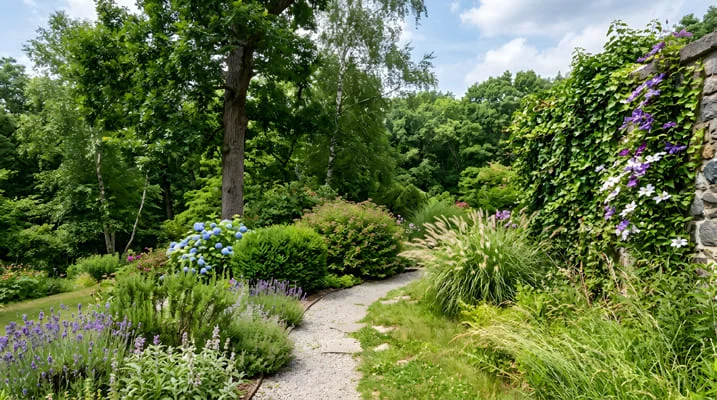
These distinctions matter because they influence maintenance, longevity, and seasonal dynamics. For example, deciduous trees lose leaves seasonally, allowing winter light penetration, whereas evergreens maintain year-round privacy and wind protection. Selecting the right combination based on these traits shapes the garden’s microclimate and usability.
“What separates functional landscape planting from mere decoration is the understanding that plant types dictate not only aesthetics but also microclimate, ecological impact, and human comfort.”
Deciduous Versus Evergreen Plants: Architectural and Climatic Implications
The choice between deciduous and evergreen plants is foundational in garden design, particularly for residential spaces where seasonal change affects comfort and energy efficiency. Deciduous plants, which shed leaves annually, allow sunlight to reach the home during winter months, warming interiors naturally.
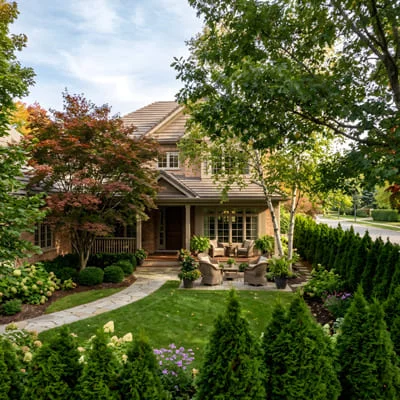
Conversely, during summer, their foliage provides shade, reducing cooling demands. This seasonal rhythm enhances passive climate control.
Evergreens, with their persistent leaves or needles, serve as year-round screens against wind and noise, contributing to privacy and protection.
However, their dense foliage can block winter sun, which may be undesirable in colder climates. Understanding the trade-offs between these types helps tailor the landscape to specific site conditions and family needs.
In practice, combining deciduous trees with evergreen shrubs can balance light, privacy, and shelter. For example, a row of evergreens can shield a property’s perimeter, while deciduous trees closer to the house modulate seasonal sunlight.
“Integrating deciduous and evergreen plants allows landscapes to act as dynamic systems that respond to seasonal shifts, optimizing both comfort and energy use.”
The Importance of Native and Climate-Adaptive Plants in Sustainable Residential Landscaping
Native plants evolved in specific regions, adapting to local soils, rainfall patterns, and temperature ranges over millennia. Incorporating these species into residential gardens brings ecological benefits such as supporting pollinators, reducing water use, and minimizing the need for fertilizers and pesticides. Native plants tend to establish more robust root systems, improving soil health and reducing erosion—a critical factor in climate-resilient design.
Climate-adaptive plants extend this concept by including species that tolerate conditions like drought, heat, or saline soils, even if not strictly native. These plants are increasingly vital as homeowners face unpredictable weather patterns and water restrictions.
Edible Plants as Integral Types for Productive and Living Gardens
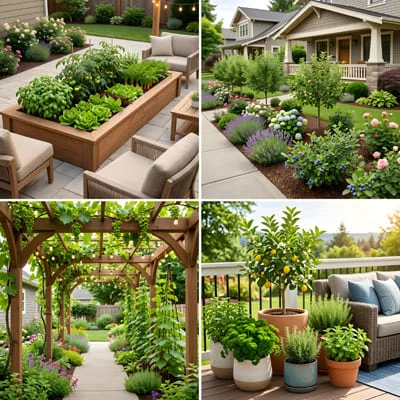
Incorporating edible plants into residential landscapes blends productivity with design intent. Vegetables, herbs, fruit trees, and berry bushes serve as living installations that provide nourishment and aesthetic value. Selecting edible plants requires understanding their growth habits and seasonal needs to ensure they complement rather than compete with non-edible landscape elements.
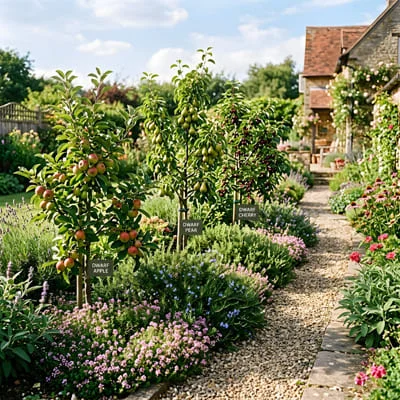
For example, dwarf fruit trees can be planted along sunny borders, while perennial herbs like rosemary and thyme create fragrant groundcovers.
Edibles also encourage human engagement with the garden, promoting sustainable living and connection to nature.
However, edible plants demand more management, including soil amendments, pest control, and harvesting schedules.
These factors must be integrated into the overall garden plan to maintain harmony and productivity.
Challenges and Considerations in Selecting the Right Types of Plants for Your Climate and Space
Even with a thorough understanding of plant types, successful residential planting hinges on recognizing site-specific constraints. Soil quality, drainage, sun exposure, and prevailing winds all influence which plants will thrive. For example, a plant native to a humid region may fail in arid conditions despite its appealing form.
Water availability is a critical limitation, particularly in regions facing drought.
Selecting drought-tolerant species and implementing efficient irrigation strategies can mitigate this challenge. Similarly, urban microclimates with heat islands or air pollution require resilient plants capable of withstanding stressors.
Practical experience shows that overplanting or choosing species without regard to mature size leads to maintenance issues and loss of design intent. Planning for growth, pruning needs, and plant interactions is essential.
“Effective plant selection balances ecological suitability with architectural intent, recognizing that a plant’s success is contingent on nuanced site conditions and long-term stewardship.”
What to Do Now: Applying Knowledge of Plant Types in Your Residential Garden
Start by assessing your garden’s microclimate and soil conditions. Use this data to narrow down plant types that fit naturally with your environment.
Prioritize native and climate-adaptive species for sustainability and reduced upkeep. Incorporate a structural hierarchy—trees, shrubs, groundcovers—to create layered interest and functionality.
Experiment with including edible plants that suit your lifestyle and space, ensuring they integrate seamlessly with ornamental species.
Be mindful of mature sizes and growth habits to avoid overcrowding. Finally, develop a maintenance plan grounded in the specific needs of your chosen plants.
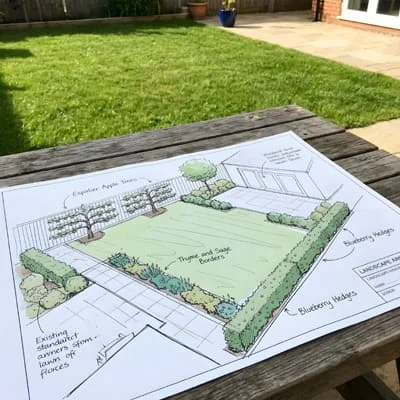
This intentional approach transforms your garden into a living, productive landscape that supports well-being and ecological health.
frequently Asked Questions (FAQ)
What Are the Main Categories of Plants Used in Residential Gardens?
Residential gardens typically incorporate trees, shrubs, herbs, vines, and grasses. Trees provide height and shade; shrubs add mid-level structure and privacy; herbs and groundcovers contribute texture and often have culinary or aromatic uses; vines create vertical interest. Understanding these categories helps in designing gardens that are functional, sustainable, and visually balanced.
How Do Deciduous and Evergreen Plants Differ in Their Impact on Garden Design?
Deciduous plants lose their leaves seasonally, allowing sunlight to warm spaces in colder months and providing shade in summer. Evergreens retain foliage year-round, offering continuous privacy and wind protection. Combining both types strategically can enhance seasonal comfort, energy efficiency, and the architectural rhythm of the garden.
Why Are Native and Climate-adaptive Plants Preferred for Sustainable Landscaping?
Native and climate-adaptive plants are well-suited to local environmental conditions, requiring less water, fertilizer, and pest control. They support local wildlife, improve soil health, and are more resilient to climate stressors. Using these plants promotes sustainability and reduces maintenance efforts in residential landscapes.
Can Edible Plants Be Integrated Effectively Into Ornamental Garden Designs?
Yes, edible plants such as fruit trees, herbs, and vegetables can be incorporated into ornamental landscapes to enhance productivity without sacrificing aesthetics. Proper planning ensures that edible species complement other plants, considering factors like sun exposure, growth habits, and seasonal cycles to maintain harmony and ease of maintenance.
What Are Common Challenges When Selecting Plants for a Specific Climate?
Challenges include matching plants to soil type, water availability, sun exposure, and temperature ranges. Some species may not tolerate drought, salinity, or urban conditions. Overlooking mature plant size and care requirements can cause overcrowding or maintenance difficulties. Site-specific analysis and careful selection are critical to overcoming these hurdles.

Architect with extensive experience in residential and commercial design, including renovations and modular construction. Love to share information about Architecture, home and lifestyle in this blog.