
Achieving a clutter-free lifestyle is a goal many homeowners strive for, and hidden store solutions, modular shelving, and minimalist kitchen designs play a crucial role in making this possible. These architectural concepts focus on creating intentional, calm, and efficient environments that not only optimize storage but also enhance daily living. Understanding how to integrate these elements can transform your home into a functional and serene space.
Clutter can disrupt the flow and tranquility of a residence, often leading to stress and inefficiency. The challenge lies in designing storage that is both accessible and discreet, while supporting a lifestyle that values simplicity and sustainability. Modular shelving systems and minimalist kitchens offer flexible and climate-aware solutions that adapt to the unique needs of each household.
This article explores the best strategies for incorporating hidden store solutions, modular shelving, and minimalist kitchen principles into residential architecture. From practical design tips to sustainable materials, you’ll gain expert insight into creating a well-organized, visually calm home environment.
Innovative Hidden Store Solutions for Residential Spaces
Maximizing Space with Discreet Storage Options
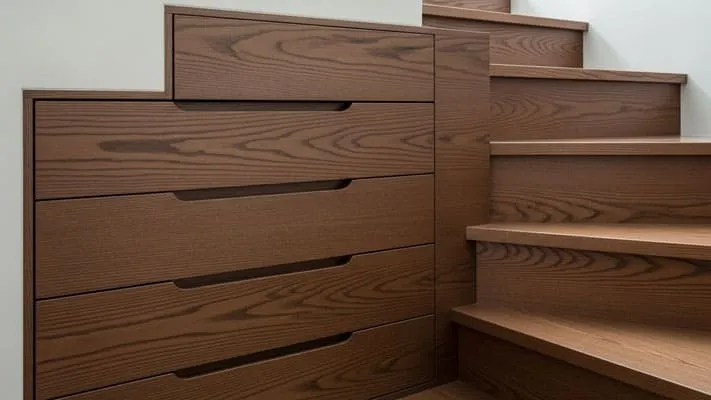
Hidden store solutions are essential in residential designs that prioritize calmness and intentional living. These solutions focus on integrating storage compartments seamlessly into architectural elements, such as built-in cabinetry or recessed wall units. By concealing everyday items, homes maintain a clean aesthetic while enhancing functionality. This approach reduces visual clutter and supports a minimalist lifestyle.
Incorporating elements like under-stair drawers or concealed pantry doors can also optimize underutilized spaces. These features encourage deliberate organization and promote a slower pace of life by minimizing distractions. The key is thoughtful placement that anticipates how residents interact with their environment.
Hidden storage also supports climate-aware design by protecting belongings from environmental factors. Materials and finishes used in these solutions often reflect sustainable practices, ensuring both durability and ecological responsibility.
Designing with Modular Shelving for Flexibility
Modular shelving systems complement hidden store solutions by offering adaptable storage tailored to changing needs. These systems use standardized components that can be rearranged or expanded, allowing residents to customize their space without major renovations.
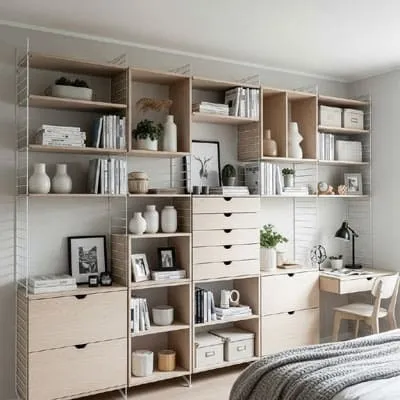
This flexibility aligns with the human-centered approach architects advocate for in modern living.
Materials such as sustainably sourced wood or metal enhance the longevity and aesthetic of modular shelving, while also integrating well with minimalist kitchen designs. Modular units can serve as display areas or concealed storage, bridging function with architectural intent.
The ability to evolve storage solutions over time ensures an intentional, slow lifestyle, reducing the need for frequent replacements or excessive consumption.
Integrating Minimalist Kitchen Concepts
- Streamlined cabinetry with handle-less doors
- Built-in appliances to reduce countertop clutter
- Open shelving combined with concealed storage
- Neutral color palettes emphasizing natural materials
- Multi-functional kitchen islands for prep and storage
The minimalist kitchen is a natural extension of hidden store solutions and modular shelving, emphasizing simplicity and calm. It prioritizes clean lines, efficient layouts, and durable, sustainable materials to create a space that supports mindful cooking and interaction. This design philosophy reduces unnecessary visual noise and fosters an environment where everyday tasks feel intentional and unhurried.
Adaptive Modular Shelving: Enhancing Function and Aesthetic
Customization for Diverse Residential Needs
- Adjustable shelf heights for varied item sizes
- Interchangeable panels to update appearance
- Integration with lighting for ambiance and utility
- Combination of open and closed storage modules
- Compatibility with smart home technology
Modular shelving’s strength lies in its adaptability, which is vital for homes that evolve over time. Customization allows residents to tailor storage to seasonal changes, lifestyle shifts, or new hobbies, maintaining a clutter-free environment. This flexibility supports the architectural principle of human-centered design by responding to actual living patterns rather than rigid aesthetics.
By combining materials like glass, metal, and sustainably harvested wood, modular shelving can also become a subtle architectural feature rather than a purely functional element. This balance between utility and design underscores the importance of intentionality in residential spaces.
Material Choices Impacting Sustainability and Design
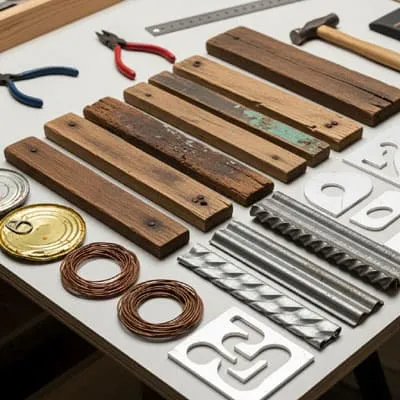
Choosing materials for modular shelving influences both performance and environmental impact. Reclaimed wood and recycled metals are popular in climate-aware designs, reducing ecological footprints while providing durability. These materials also age gracefully, supporting the slow design ethos that values longevity over fleeting trends.
Finishes that resist wear and moisture are critical in areas like kitchens, where humidity and spills are common. Selecting non-toxic, low-VOC coatings further aligns with human-centered priorities, ensuring indoor air quality and occupant health.
The tactile and visual qualities of materials contribute to the calm atmosphere that minimalist kitchens and hidden storage seek to achieve, reinforcing the overall architectural narrative.
Comparison of Popular Modular Shelving Systems
| System | Material | Best Use Case |
| IKEA SEKTION | Particleboard, Melamine | Affordable kitchen modular storage with customization |
| USM Haller | Steel, Glass | High-end adaptable shelving for living and kitchen areas |
| Muuto Stacked | Wood, Metal | Modular open shelving focusing on Scandinavian minimalism |
Minimalist Kitchen Designs Supporting Functional Simplicity
Streamlining Layouts for Efficiency
- Work triangle optimization between sink, stove, and fridge
- Open floor plans to encourage movement and social interaction
- Decluttered countertops with built-in storage solutions
- Multi-purpose zones combining prep and dining
- Use of integrated lighting to highlight workspaces
- Neutral tones enhancing spatial perception
- Durable surfaces for easy cleaning and maintenance
Minimalist kitchens embrace architectural clarity by focusing on the essentials. Streamlined layouts prevent unnecessary obstacles, making the kitchen a calm and efficient space. This practicality aligns with the human-centered approach, recognizing how people interact with their kitchens daily and designing accordingly.
Beyond aesthetics, these kitchens often incorporate climate-aware features such as energy-efficient appliances and natural ventilation, further contributing to a sustainable and comfortable home environment.
Incorporating Hidden Storage for Clutter Control
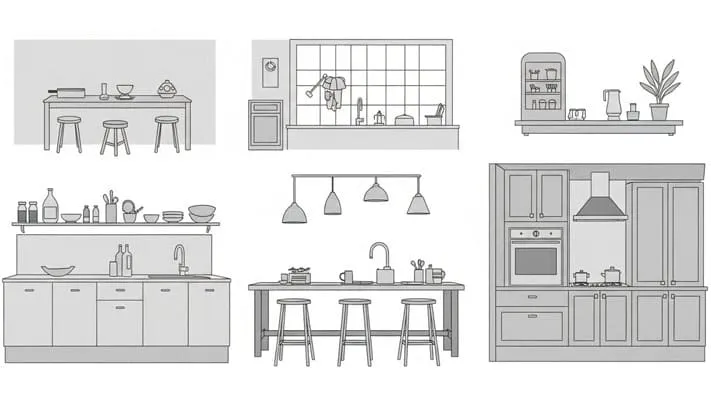
Integrating hidden store solutions into minimalist kitchens is vital for maintaining the clean, intentional look desired. Concealed pantry doors, pull-out drawers, and under-counter compartments keep utensils, cookware, and groceries out of sight yet easily accessible.
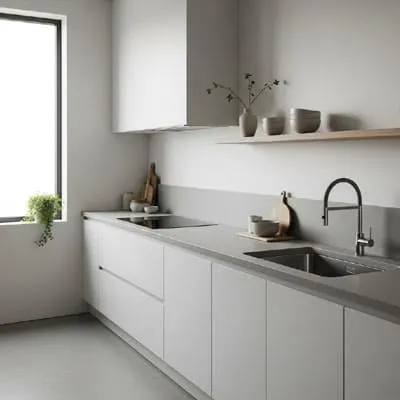
This organization ensures that visible surfaces remain uncluttered, reinforcing the calm atmosphere.
Architects often incorporate custom cabinetry that blends seamlessly with surrounding walls or appliances, preserving the minimalist aesthetic. This approach also enhances the perception of space, making kitchens feel more expansive and inviting.
Such hidden storage techniques reduce decision fatigue by providing designated spaces for items, supporting a slow lifestyle where every object has purpose and place.
Comparative Overview of Kitchen Storage Types
| Storage Type | Advantages | Limitations |
| Pull-out Drawers | Easy access, maximizes lower cabinet space | May require precise measurements for installation |
| Open Shelving | Visual openness, quick access to frequently used items | Requires regular maintenance to avoid dust and clutter |
| Hidden Cabinets | Maintains clean lines, conceals clutter | May limit quick accessibility if poorly planned |
Climate-Aware Approaches to Home Storage and Kitchens
Materials and Finishes for Environmental Responsiveness
Climate-aware design emphasizes materials that minimize environmental impact and enhance indoor comfort. Using renewable resources like bamboo, reclaimed wood, and recycled metals reduces carbon footprints. Finishes should be durable and non-toxic, contributing to healthier indoor air quality. These considerations are central to hidden store solutions and modular shelving that endure over time without compromising sustainability.
Additionally, moisture-resistant materials are critical in kitchens and storage areas exposed to humidity. This protects the integrity of furniture and stored items, extending their lifespan and reducing waste.
Such material choices reflect a commitment to slow design, where longevity and ecological balance guide architectural decisions.
Energy Efficiency in Kitchen Design
Integrating energy-efficient appliances and lighting is a core component of climate-aware minimalist kitchens. LED lighting with dimmable controls reduces electricity consumption while enhancing ambiance. Appliances rated for low energy use contribute to sustainable living by lowering utility bills and carbon emissions.
Architectural features such as natural ventilation and strategic window placement minimize reliance on mechanical systems. These passive design elements support a calm and comfortable kitchen environment that aligns with human-centered living principles.
Energy efficiency complements hidden storage by reducing the overall environmental footprint of the home, reinforcing the importance of intentional design.
Techniques for Sustainable Modular Shelving
- Utilizing modular components for easy repair and replacement
- Preferring local materials to reduce transportation emissions
- Designing for disassembly to support recycling
- Incorporating finishes with low environmental impact
- Supporting multifunctionality to reduce furniture excess
These techniques enhance the sustainability of modular shelving systems. By designing shelves that adapt and evolve, homeowners reduce waste and encourage a slower consumption cycle. This method aligns with architectural strategies that prioritize environmental stewardship alongside aesthetics and functionality.
Human-Centered Design in Hidden Store and Kitchen Solutions
Understanding Daily Habits to Inform Storage Design
Human-centered design begins with observing how residents use their homes. This insight guides the placement and type of hidden store solutions and modular shelving.
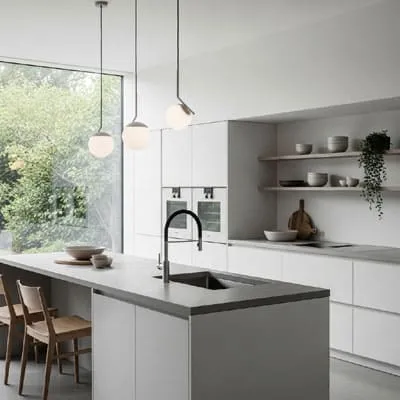
For example, frequently used kitchen tools should be stored within easy reach, while seasonal or infrequently used items can be tucked away in less accessible compartments.
This approach enhances convenience and reduces frustration, creating spaces that adapt to real-life needs rather than theoretical ideals. It also supports calm and intentional living by minimizing clutter and decision fatigue.
Ultimately, the goal is a home that feels intuitive, comfortable, and responsive to its occupants.
Ergonomic Considerations for Storage and Kitchen Layouts
Ergonomics play a vital role in designing hidden store solutions and minimalist kitchens. Proper shelf heights, countertop levels, and drawer mechanisms ensure ease of use and prevent strain. Modular shelving should be accessible to all household members, including children or people with mobility challenges.
Integrating ergonomic principles supports a slow lifestyle by making daily tasks less tiring and more enjoyable. This attentiveness to human factors reflects a sophisticated architectural understanding of how design influences wellbeing.
Ergonomic design also encourages longer use of furnishings, aligning with sustainable and climate-aware objectives.
Balancing Aesthetics and Functionality
- Choosing cohesive materials that complement architectural style
- Integrating storage seamlessly to maintain visual harmony
- Prioritizing simplicity to avoid unnecessary ornamentation
- Using color and texture to create calming environments
While hidden store solutions and modular shelving emphasize function, they also contribute to the architectural narrative of a home. Balancing aesthetic appeal with usability ensures that storage solutions feel like intentional parts of the design rather than afterthoughts. This careful integration supports minimalist kitchens that are both beautiful and practical.
Such balance aligns with the architectural principle that design should serve how people actually live, fostering calm and clarity throughout the residence.
Implementing Modular Shelving Systems in Modern Homes
Planning and Measuring for Optimal Fit
Successful installation of modular shelving starts with precise planning. Measuring spaces accurately and considering the types of items to be stored ensures that shelves meet both functional and aesthetic goals.
Architects recommend mapping daily routines to identify storage priorities before selecting modular components.
This preparation minimizes costly adjustments and supports a slow, intentional approach to home organization. It also allows for future modifications as needs evolve, reinforcing the flexibility inherent in modular shelving.
Proper planning ultimately results in a harmonious integration of storage within the home’s architectural framework.
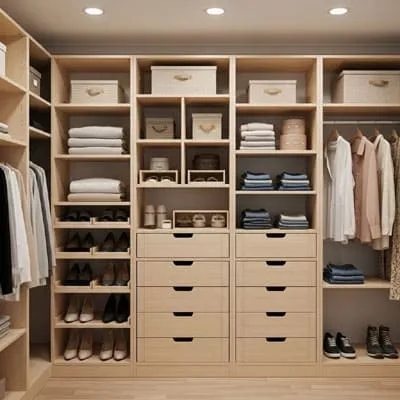
Installation Techniques and Best Practices
Installation of modular shelving requires attention to structural support and alignment. Using wall anchors or floor-mounted systems improves stability, especially for heavier items.
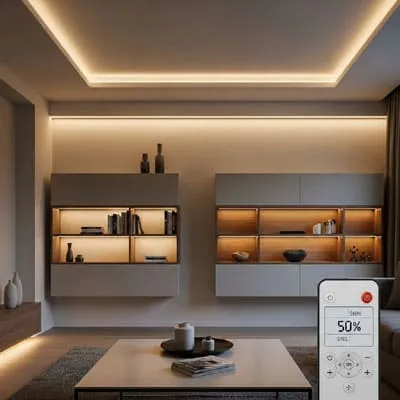
Modular units benefit from professional installation to ensure seamless joints and precise leveling.
Many manufacturers provide customizable kits that facilitate easier assembly and disassembly, supporting adaptable residential environments. Following best practices guarantees longevity and maintains the clean lines essential to minimalist kitchens and hidden store solutions.
Ensuring proper installation also contributes to the safety and usability of storage systems, key concerns in human-centered design.
Comparative Advantages of Modular Shelving Brands
| Brand | Customization | Price Range |
| String Furniture | Highly customizable, modular components | Mid to high |
| Elfa (The Container Store) | Adjustable shelving and drawer options | Mid |
| Vitsoe | Iconic modular shelving with timeless design | Mid |
Maintaining a Clutter-Free Lifestyle with Hidden and Modular Solutions
Daily Habits That Support Clutter- Free Organization
- Regularly declutter and donate unused items
- Return items to their designated hidden storage spots
- Limit new acquisitions to essential purchases only
- Use modular shelving to categorize belongings clearly
- Schedule periodic reviews of storage efficiency
Maintaining an organized home requires consistent habits alongside well-designed storage. Hidden store solutions and modular shelving make it easier to uphold these habits by providing intuitive places for everything. This encourages a slow lifestyle that values mindfulness over accumulation.
Intentionality in daily routines complements architectural design, ensuring that clutter-free living is sustainable and fulfilling.

Seasonal Adjustments to Storage Systems
Adapting hidden store solutions and modular shelving seasonally helps optimize space and accessibility. For example, winter gear can be stored away during summer months, and kitchen tools for holiday cooking can be rotated in when needed. This dynamic approach keeps storage relevant and reduces clutter.
Seasonal adjustments also align with climate-aware principles by encouraging conscious consumption and reducing waste. Modular systems facilitate these changes with their inherent flexibility.
Such practices reinforce a calm, intentional home environment that responds fluidly to life’s rhythms.
Long-Term Benefits of Strategic Storage Design
Investing in hidden store solutions and modular shelving yields long-term advantages beyond immediate organization. Homes maintain their architectural integrity and value, while residents enjoy reduced stress and enhanced wellbeing. These storage strategies encourage sustainable living by promoting durability and adaptability.
By fostering a minimalist kitchen and clutter-free lifestyle, homeowners create spaces that support intentional living and environmental responsibility. This aligns with the broader goal of designing residences that nurture how people actually live.
Ultimately, strategic storage is an investment in quality of life and architectural coherence.
Clutter-free lifestyle
Hidden store solutions, modular shelving, and minimalist kitchen designs are foundational to achieving a clutter-free lifestyle that is both functional and aesthetically calm. By integrating these elements thoughtfully, homeowners can create residential spaces that support intentional living and respond to actual daily needs. These strategies also promote sustainability and environmental awareness through smart material choices and adaptable designs.
Embracing these architectural principles encourages a slower, more deliberate approach to home organization—one that enhances wellbeing and preserves the integrity of the living environment. Consider how hidden storage and modular systems can transform your home into a serene and efficient sanctuary.
Frequently Asked Questions
What Are Hidden Store Solutions in Home Design?
Hidden store solutions refer to storage methods that conceal items within architectural features, such as built-in cabinets or under-stair compartments. They help maintain a minimalist aesthetic by reducing visible clutter while maximizing functional space.
How Does Modular Shelving Benefit Minimalist Kitchens?
Modular shelving offers flexibility and customization, allowing residents to adapt storage to their evolving needs. In minimalist kitchens, it supports clean lines and functional simplicity by combining open shelves with concealed compartments.
Are Minimalist Kitchens Practical for Everyday Use?
Yes, minimalist kitchens focus on efficient layouts and durable materials that support daily cooking activities. Their design reduces clutter and improves workflow, making everyday kitchen use more enjoyable and less stressful.
Can Hidden Storage Solutions Improve Home Sustainability?
Absolutely. Hidden storage often uses durable, sustainable materials and promotes longevity by encouraging organized, purposeful living. This reduces waste and supports climate-aware design principles.
What Should I Consider When Choosing Modular Shelving?
Consider factors such as material quality, customization options, ease of installation, and how well the system integrates with your home’s architecture. Also, evaluate the adaptability to future needs to ensure long-term usability.
or further reading on sustainable design principles, visit ArchDaily and explore US Green Building Council.

Architect with extensive experience in residential and commercial design, including renovations and modular construction. Love to share information about Architecture, home and lifestyle in this blog.