
Incorporating wall art and sculpture into home decor elevates interior spaces by adding texture, depth, and personal expression. These elements serve not only as decorative features but as architectural statements that influence ambiance and spatial perception. Understanding how to blend art and photography thoughtfully provides a sophisticated approach to creating harmonious residential environments that respect both human scale and climate awareness.
Combining wall art and sculpture in living spaces offers opportunities to reflect personality while responding to the architectural context. However, balancing these elements requires intention, ensuring they complement rather than overwhelm. This is particularly important in residential design, where calm and slow aesthetics foster wellbeing and connection to the home environment.
This article explores techniques to merge wall art, sculpture, and photography in home decor, emphasizing architectural integrity and human-centered design. Through structured insights, it guides readers on selecting, positioning, and integrating these artistic forms to create calm, intentional, and climate-aware interiors.
Understanding Wall Art and Sculpture as Architectural Elements
Defining Wall Art and Sculpture Beyond Decoration
Wall art and sculpture transcend mere decoration by functioning as integral components of architectural design. They influence spatial dynamics, scale, and light interaction, contributing to a room’s identity. Unlike decorative accessories, these elements engage users with visual narratives and tactile qualities that enrich everyday experience.
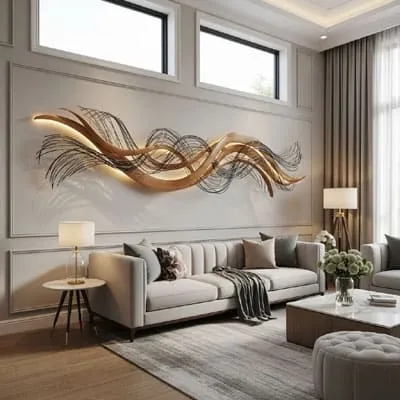
By integrating wall art and sculpture thoughtfully, architects and designers create environments that encourage reflection and human connection. This approach shifts focus from ornamentation to an intentional interaction between space and occupant.
Recognizing wall art and sculpture as architectural features demands attention to materiality, proportion, and placement, fostering environments that are calm and purposeful rather than cluttered or superficial.
Materials and Textures in Wall Art and Sculpture
Choosing appropriate materials enhances the dialogue between wall art, sculpture, and interior architecture. Natural materials like wood, stone, and metal offer tactile contrasts and durability, complementing sustainable design principles. Textures provide sensory richness, breaking visual monotony and inviting touch.
Consideration of climate impact informs material selection—favoring eco-friendly and locally sourced elements helps reduce environmental footprint. Textural interplay between smooth photographic prints and sculptural surfaces creates dynamic yet balanced compositions.
Material choices should integrate with the surrounding finishes and architectural intent, reinforcing a calm and intentional atmosphere aligned with human-centered design.
Visual Impact and Spatial Awareness
- Enhance spatial depth through layered compositions
- Use scale to balance human proportions and room size
- Incorporate light and shadow to animate surfaces
- Create focal points without overwhelming the environment
- Maintain visual harmony with architectural lines and volumes
Understanding how wall art and sculpture influence spatial perception is crucial. Properly scaled pieces can complement architectural volumes, guiding movement and attention while preserving calmness. Contrast in materials and forms adds visual interest without disrupting the flow of space.
Light manipulation—both natural and artificial—animates these elements, transforming interiors throughout the day. This dynamic quality enhances the residential experience by subtly connecting inhabitants to changing environmental conditions.
Techniques for Integrating Photography with Wall Art and Sculpture
Curating Photographic Art Within Architectural Contexts
- Select images that resonate with spatial themes
- Match photographic scale to wall dimensions
- Use framing strategies that complement architectural elements
- Incorporate photographic textures to contrast or blend with sculptures
- Consider printing materials for tactile and visual coherence
- Balance color palettes with surrounding finishes
Photography integration requires curatorial precision to avoid visual competition. Selecting images that echo architectural themes or materials strengthens spatial coherence. For example, monochromatic prints can amplify calmness, while textured photographic surfaces add depth akin to sculptural qualities.
Framing and print materials should harmonize with architectural finishes, reinforcing an intentional, slow aesthetic. Thoughtful placement relative to sculptures can create dialogue, enhancing narrative and spatial complexity.
Blending Two-Dimensional and Three-Dimensional Elements
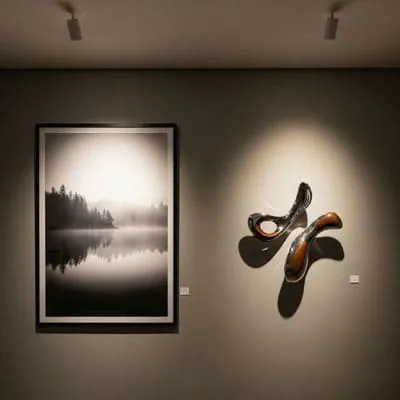
Combining photography (two-dimensional) with sculpture (three-dimensional) challenges designers to balance flatness and volume. Layering photographic prints near or on sculptural bases creates interactive installations that engage viewers from multiple perspectives.
This blending respects human scale by inviting proximity and tactile curiosity. Spatial arrangement should encourage natural movement, allowing occupants to experience varied visual and sensory effects. Such compositions enrich residential interiors by fostering intentional, slow engagement with art.
Strategic lighting emphasizes contrasts and complements both media, anchoring the artwork within the architectural framework.
Innovative Display Methods for Harmonious Integration
- Floating frames and shadow boxes for dimensionality
- Wall-mounted sculptural shelves to combine forms
- Integrated lighting to unify art pieces
- Modular arrangements for adaptable compositions
- Use of natural materials for display elements
- Custom-built installations enhancing architectural features
- Subtle hardware minimizing visual distraction
Innovative display techniques bridge the gap between art and architecture. Floating frames create depth, while shadow boxes frame photographic prints as sculptural objects. Wall-mounted shelves allow interplay between photographic art and three-dimensional pieces, generating unified compositions.
Lighting integration is critical, molding perception and emphasizing textures. Modular displays offer flexibility, adapting to evolving tastes or spatial needs. Employing natural materials for mounts and supports sustains the climate-aware, human-centered ethos.
Spatial Planning and Placement Strategies
Optimizing Wall Art and Sculpture Positioning
Effective placement considers sight lines, natural light, and circulation patterns to maximize impact and usability.
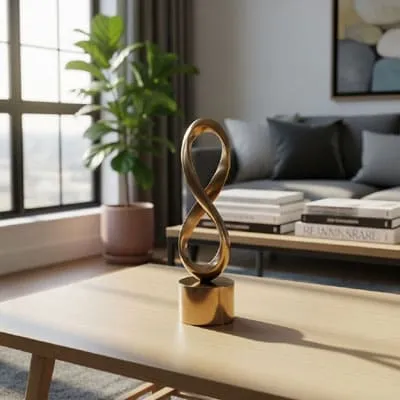
Artworks should complement architectural volumes, avoiding clutter or visual noise. Positioning at eye level enhances connection and engagement.
Spatial planning must respect the flow of daily life, accommodating furniture arrangement and functional zones. Sculptures placed in transition areas or corners can activate overlooked spaces, contributing to spatial narrative.
Intentional gaps and breathing room around pieces preserve calmness and allow each element to be appreciated fully without distraction.
Creating Focal Points with Mixed Media
Wall art and sculpture can be orchestrated to create compelling focal points that anchor rooms. Combining bold photographic prints with subtle sculptural forms generates tension and balance, drawing attention without overwhelming.
Focal compositions benefit from contrasting textures and materials while maintaining harmony with overall color schemes and architectural features. This strategy enhances human-centered design by offering visual anchors that support spatial orientation and comfort.
Lighting and scale adjustments further define focal areas, complementing the rhythm of the interior.
Balancing Scale and Proportion
| Art Type | Recommended Scale | Placement Tips |
| Large Wall Art (Photography) | 3/4 to full wall height | Center on main wall, align with furniture |
| Medium Sculptures | 3/4 to full wall height | Place on pedestals or shelves in transition zones |
| Small Artworks | Clustered arrangements | Group in visually connected clusters for impact |
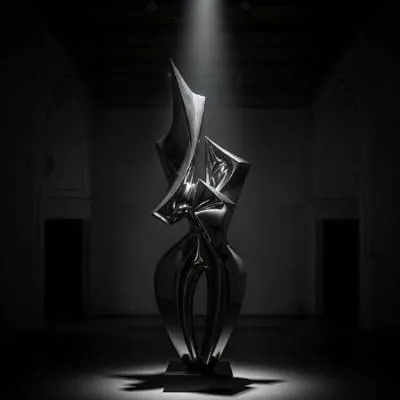
Scale and proportion are critical to maintaining architectural harmony. Oversized pieces can dominate, while undersized ones risk invisibility. Aligning scale with room dimensions and human proportions ensures balance and comfort.
Clustering smaller works within defined zones creates coherent visual narratives without fragmentation, supporting a calm and intentional environment.
Materiality and Sustainability Considerations
Selecting Sustainable Materials for Art and Sculpture
- Reclaimed wood and natural fibers
- Recycled metals and composites
- Low-VOC paints and finishes
- Biodegradable or renewable materials
- Locally sourced natural stones
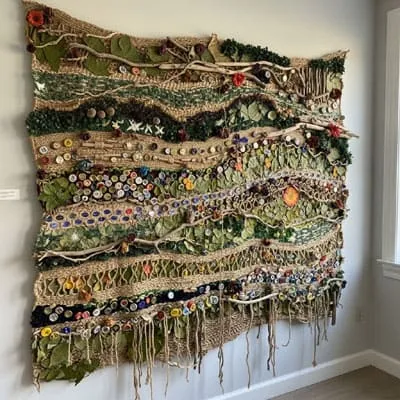
Material choice directly impacts environmental footprint and indoor air quality. Emphasizing sustainability aligns with contemporary architectural ethics and climate-aware design. Selecting reclaimed or recycled elements supports circular economy principles and adds historic or textural depth to artworks.
Low-emission finishes and adhesives contribute to healthier interiors, fostering human-centered environments that prioritize wellbeing. Local sourcing reduces transportation emissions, embedding the artwork within regional ecological contexts.
Durability and Maintenance in Residential Settings
Wall art and sculpture in homes must balance aesthetic appeal with practical durability. Materials should withstand environmental factors like humidity, light exposure, and handling. Protective coatings and finishes extend longevity while preserving visual qualities.
Maintenance strategies should be simple and non-invasive, supporting slow living philosophies by reducing the need for frequent replacement or repair. This promotes sustainable consumption and preserves the intentional character of the design.
Thoughtful materiality ensures that artworks age gracefully, contributing to the home’s evolving narrative.
Comparing Common Materials for Wall Art and Sculpture
| Material | Sustainability | Suitability for Indoor Use |
| Wood | High (reclaimed preferred) | Excellent – natural warmth |
| Metal | Moderate (recycled options) | Good – durable, needs coating |
| Glass | Low to Moderate | Fragile – decorative accents |
| Stone | High (local sourcing) | Excellent – timeless and sturdy |
Understanding material properties helps in selecting appropriate media for wall art and sculpture. Wood and stone support sustainable, tactile aesthetics, while metals offer versatility and strength. Glass provides visual lightness but requires careful handling.
Balancing these factors ensures that residential art installations remain beautiful, meaningful, and aligned with climate-aware architectural values.
Lighting and Environmental Integration for Art Display
Natural Lighting Strategies for Art and Sculpture
Natural light enhances the visual and tactile qualities of wall art and sculpture. Positioning artworks to benefit from diffused daylight softens contrasts and reveals material textures subtly. Window orientation and shading devices influence illumination quality, affecting perception throughout the day.
Careful control prevents fading or damage, ensuring longevity. Incorporating adjustable shading supports user control and protects artworks while maintaining a connection with natural rhythms.
Natural light integration complements climate-aware design, reducing reliance on artificial sources and promoting wellbeing.
Artificial Lighting Techniques for Emphasis and Mood
Artificial lighting should be layered and adjustable, combining ambient, accent, and task lighting to highlight artworks without glare or harsh shadows.
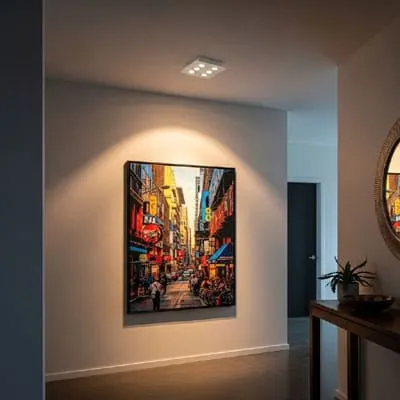
LED fixtures with variable color temperature preserve materials and create desired moods.
Directional spotlights accentuate sculptural forms and photographic details, animating surfaces and enriching spatial experience. Dimmers allow customization, supporting slow and intentional living by adapting ambiance to daily rhythms.
Lighting design must align with architectural intent, enhancing calmness and human-scale perception within residential settings.
Integrating Art with Climate-Aware Home Systems
- Climate control to avoid humidity damage
- UV-filtering window films for artwork protection
- Smart lighting systems for energy efficiency
- Materials chosen for thermal comfort interaction
Integration of wall art and sculpture with home environmental systems safeguards artworks and inhabitants. Climate control systems prevent moisture buildup, reducing deterioration risks. UV filters protect colors and materials from fading, extending lifespan.
Smart lighting reduces energy consumption while supporting dynamic display options. Selecting materials that contribute to thermal comfort reinforces human-centered and climate-aware design, ensuring that art enhances rather than disrupts home ecology.
Stylistic Approaches to Harmonize Wall Art, Sculpture, and Photography
Minimalist and Intentional Compositions
Minimalism emphasizes space, light, and materiality, creating serene interiors where wall art and sculpture serve as focal points without excess. This approach promotes slow living by encouraging contemplation and reducing visual clutter.
Intentional selection of pieces with restrained palettes and simple forms enhances architectural coherence. Photography with muted tones and sculptural works with clean lines complement this ethos, fostering calm, human-centered environments.
Minimalist compositions balance presence and absence, allowing each element to resonate within the overall spatial narrative.
Eclectic and Textural Layering
Eclectic styling mixes diverse textures, materials, and media to create rich, tactile interiors. Layering wall art and sculpture with photographic elements adds depth and personal narrative, reflecting lived experience.
This approach requires careful curation to avoid chaos, ensuring balance and flow. Textural contrasts—such as rough sculpture surfaces against smooth photographic prints—engage senses and add warmth.
Eclectic layering supports human-centered design by inviting interaction and storytelling, grounding spaces in lived reality.
Monochromatic and Tonal Harmonies
| Style | Color Strategy | Effect |
| Monochromatic | Single color variations | Creates calm and unity |
| Tonal | Gradients and muted contrasts | Enhances depth without distraction |
| Contrasting Accents | Bold color pops | Generates focal interest |
Monochromatic schemes unify wall art, sculpture, and photography, reinforcing calm and intentional interiors. Tonal harmonies provide subtle depth, supporting slow engagement and spatial coherence.
Strategic use of contrasting accents can punctuate compositions, drawing attention without disrupting ambiance. This nuanced color management enhances architectural integration and human experience.
Maintenance and Preservation for Long-Term Enjoyment
Routine Care for Wall Art and Sculptures
- Dusting with soft, dry cloths
- Avoiding direct exposure to sunlight
- Regular inspection for damage or wear
- Using appropriate cleaning agents for materials
Maintaining wall art and sculpture preserves their aesthetic and structural integrity. Gentle dusting prevents buildup without abrasion. Protecting pieces from sunlight reduces fading and material degradation.
Routine inspections catch early signs of deterioration, allowing timely intervention. Using material-specific cleaning agents ensures longevity and respects original finishes.
Professional Restoration and Conservation
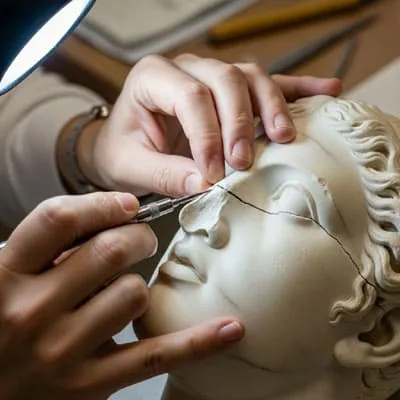
Over time, some artworks may require professional restoration to address structural or aesthetic issues. Conservation specialists assess damage and apply appropriate treatments, balancing preservation with artistic intent.
Engaging experts ensures that restoration aligns with the original materiality and architectural context. This supports sustainable, climate-aware stewardship of home art collections.
Professional care extends the life of wall art and sculptures, maintaining their role as meaningful architectural elements.
Planning for Longevity: Environmental Controls
| Factor | Optimal Range | Impact on Art |
| Humidity | 40-60% | Prevents warping and mold |
| Temperature | 65-75°F (18-24°C) | Maintains material stability |
| Light Exposure | Indirect, filtered | Reduces fading and deterioration |
Controlling environmental factors is essential for longevity. Maintaining stable humidity and temperature prevents physical stress on materials. Limiting light exposure protects colors and finishes.
Integrating environmental controls aligns with climate-aware design, ensuring that wall art and sculpture remain vibrant and integral to home aesthetics over time.
Harmonize wall art
Integrating wall art, sculpture, and photography in home decor requires a nuanced understanding of architectural principles, human-centered design, and climate awareness. By selecting sustainable materials, balancing scale and placement, and employing thoughtful lighting, these art forms elevate residential environments from decoration to architectural experience.
Approaching art with intention and calm fosters meaningful connections between inhabitants and their spaces. This article provides practical strategies to harmonize wall art and sculpture with photography, encouraging a slow, intentional lifestyle that respects both people and planet.
Frequently Asked Questions
What is the Best Way to Combine Wall Art and Sculpture in a Small Space?
In small spaces, focus on scale and placement to avoid overcrowding. Use smaller sculptures and select wall art that complements the room’s proportions. Layer artworks thoughtfully and use vertical space to create depth without overwhelming.
How Can I Protect My Wall Art and Sculptures from Climate Damage?
Maintain stable indoor humidity and temperature, avoid direct sunlight, and use UV-filtering window treatments. Proper climate control prevents warping, fading, and deterioration, extending artwork longevity.
Can Photography Be Effectively Integrated with Sculpture in Modern Home Decor?
Yes, combining photography and sculpture creates dynamic, multi-dimensional compositions. Use framing, materials, and lighting to unify these media, enhancing spatial interest while maintaining architectural coherence.
What Materials Are Recommended for Sustainable Wall Art and Sculpture?
Opt for reclaimed wood, recycled metals, natural stone, and low-VOC finishes. These materials reduce environmental impact and align with climate-aware design principles important for healthy, intentional living spaces.
How Important is Lighting in Displaying Wall Art and Sculpture?
Lighting is crucial for emphasizing textures, colors, and forms. Combining natural and artificial layers allows flexible and intentional display, enhancing both aesthetic appeal and spatial experience.
For further expertise on integrating art into architecture and sustainable design, consult resources such as the American Institute of Architects and the Green Building & Design Magazine.

Architect with extensive experience in residential and commercial design, including renovations and modular construction. Love to share information about Architecture, home and lifestyle in this blog.