
The geodesic dome to live and dome to rent concepts represent a revolutionary approach to residential architecture, where geometry meets human comfort and sustainability. These innovative geodesic structures offer efficient living solutions that blend environmental awareness with intentional design. Understanding how these domes function and benefit inhabitants is essential for anyone considering alternative living spaces.
Thank you for reading this post, don't forget to subscribe!As urban areas face increasing pressure from population growth and climate change, dome homes present an opportunity to rethink how we build and inhabit spaces. Their unique geometry optimizes structural integrity and energy efficiency, making them attractive for both permanent residences and rental properties. This article explores the architectural principles behind dome to live and dome to rent, highlighting their potential to transform modern living.
We will delve into seven key aspects of geodesic dome design, examining how geometry influences comfort, sustainability, and adaptability. Each section will unpack variations of the dome to live and dome to rent concepts, supported by practical examples and comparative tables, aiming to provide a comprehensive resource for architects, developers, and residents alike.
Architectural Foundations of Dome to Live and Dome to Rent
Understanding Geodesic Dome Geometry
Geodesic domes are built using a network of triangles that distribute stress evenly across the structure, creating a lightweight yet extremely strong form. This geometry reduces material use and enhances durability, making dome to live and dome to rent options sustainable and cost-effective. The triangular facets allow for a spherical shape that resists environmental loads such as wind and snow.
The efficiency of geodesic geometry also contributes to thermal performance, as the compact shape minimizes surface area.
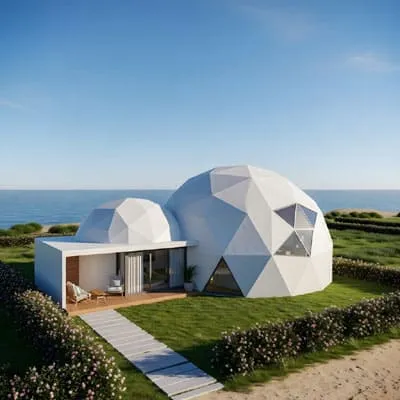
This design principle is crucial for reducing heating and cooling demands, directly impacting the comfort of residents. By embracing these geometric fundamentals, architects can create living spaces that are both resilient and inviting.
Moreover, the modular nature of geodesic domes facilitates adaptable layouts, allowing customization for different residential needs or rental models. This flexibility is a key reason why dome homes are gaining popularity internationally, especially in climates demanding sustainable solutions.
Materials and Construction Techniques
Modern dome to live and dome to rent projects utilize diverse materials, from traditional timber and steel to advanced composites and insulated panels. Each material choice impacts the dome’s thermal insulation, acoustic properties, and environmental footprint. For instance, wood offers natural insulation and a warm aesthetic, while steel provides structural rigidity and longevity.
Innovations in prefabrication and 3D modeling have streamlined dome construction, reducing waste and labor costs. These techniques enable rapid assembly on-site, making dome homes viable in remote or urban contexts. Furthermore, sustainable materials enhance the eco-friendly profile of dome residences, aligning with climate-aware design goals.
Proper integration of waterproof membranes, ventilation systems, and finishes is essential to maintain durability and indoor air quality. These construction details support the dome’s long-term performance, ensuring that dome to live and dome to rent structures remain comfortable and healthy environments.
Comparing Dome Forms for Residential Use
- Class 1 domes: Simple frequency, easier to construct, suitable for small homes.
- Class 2 domes: Higher frequency, smoother curves, ideal for larger living spaces.
- Monolithic domes: Cast concrete shells with excellent insulation and durability.
- Hybrid domes: Combine geodesic frameworks with traditional building elements.
- Inflatable domes: Temporary or seasonal shelters, easy to rent and relocate.
Each dome type offers distinct advantages and challenges, influencing their suitability for dome to live or dome to rent applications. Understanding these differences helps stakeholders select the best geometry and materials for their specific needs.
Sustainability and Energy Efficiency in Dome to Live Concepts
Passive Solar Design Strategies
Dome to live designs often incorporate passive solar principles, taking advantage of the dome’s shape to maximize natural light and heat gain. The spherical surface allows sunlight to enter from multiple angles, reducing reliance on artificial lighting. Strategic window placement and thermal mass materials help regulate indoor temperatures throughout the day.
These strategies contribute significantly to lowering energy consumption, a critical factor in climate-aware architecture. Integrating shading devices and ventilation openings further enhances comfort by preventing overheating during summer months. Architects leverage these passive techniques to create dome homes that perform efficiently year-round.
Incorporating renewable energy systems, such as solar panels, complements passive design, enabling dome to live structures to approach net-zero energy status. This holistic approach ensures that sustainability is embedded in both form and function.
Water and Waste Management Systems
Effective water management is integral to sustainable dome to live solutions. Rainwater harvesting systems can be seamlessly integrated into the dome’s curved surface, channeling water to storage tanks for reuse in irrigation or domestic needs. Greywater recycling further reduces environmental impact by treating and reusing wastewater within the home.
Composting toilets and bio-digesters offer eco-friendly waste treatment options compatible with dome living. These systems minimize reliance on municipal infrastructure, promoting self-sufficiency. Properly designed drainage and waterproofing prevent moisture intrusion, protecting the dome’s structural integrity.
Collectively, these water and waste management strategies support resilient living environments that align with ecological principles, enhancing the appeal of dome to live homes.
Energy Consumption Comparison
| Building Type | Average Energy Use (kWh/m²/year) | Key Efficiency Features |
|---|---|---|
| Traditional House | 150 | Standard insulation, conventional HVAC |
| Geodesic Dome Home | 90 | Optimized geometry, passive solar, airtightness |
| Passive Dome | 30 | High insulation, triple glazing, solar gain |
Adaptability and Flexibility in Dome to Rent Models
Modular Interior Layouts
Dome to rent properties benefit from modular interior designs that accommodate diverse tenant needs. Movable partitions, multifunctional furniture, and open floor plans allow spaces to be easily reconfigured. This flexibility maximizes rental appeal by catering to singles, families, or coworking setups.
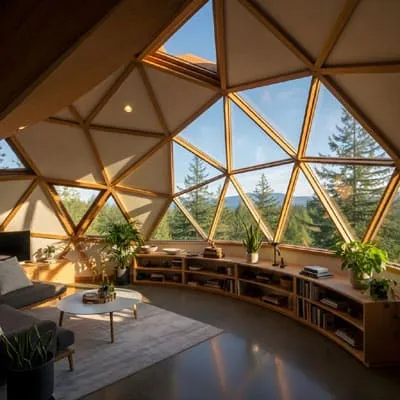
Modularity also facilitates maintenance and upgrades without extensive structural alterations. For landlords, this means reduced downtime between rentals and improved asset longevity. Tenants experience a living environment that adapts to their lifestyle, enhancing satisfaction and retention.
Incorporating smart home technology further personalizes the rental experience, enabling control over lighting, climate, and security within the dome’s unique spatial dynamics
Durability and Maintenance Considerations
Durability is paramount for dome to rent structures, where frequent occupant turnover can accelerate wear. Geodesic domes inherently distribute loads efficiently, reducing structural stress and maintenance needs.
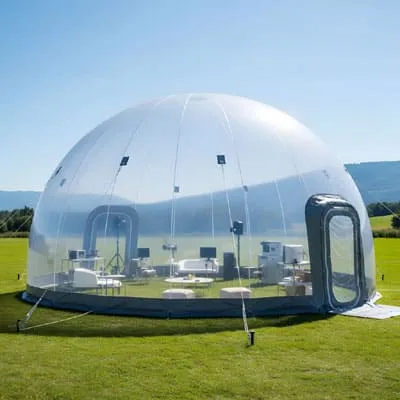
Material selection focuses on weather resistance and ease of cleaning.
Routine inspections of seals, ventilation, and finishes ensure longevity and tenant comfort. Maintenance plans often emphasize preventative care, addressing potential issues before they impact the living experience. This proactive approach minimizes costs and preserves property value over time.
Additionally, domes constructed with prefab components can simplify repairs, allowing for quick replacement of damaged sections without disrupting the entire structure.
Key Factors for Rental Market Success
- Location accessibility and community integration
- Competitive pricing aligned with unique architecture
- Marketing emphasizing sustainability and novelty
- Flexible lease terms and furnished options
- Amenities supporting modern lifestyles
- Compliance with local building codes and safety standards
These factors influence tenant interest and retention, ensuring dome to rent projects thrive in competitive markets.
Comfort and Acoustics in Dome Living Environments
Thermal Comfort Optimization
The dome shape inherently supports uniform temperature distribution by minimizing corners and dead air zones. This creates a stable indoor climate with fewer hot or cold spots.
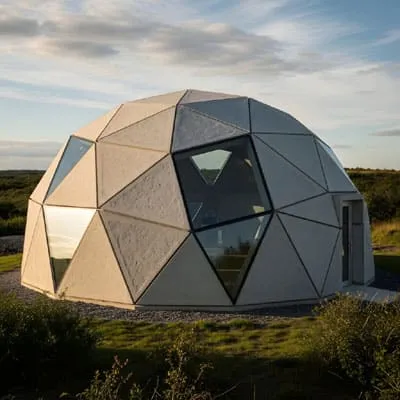
Thermal insulation combined with radiant heating or cooling systems enhances occupant comfort, reducing energy waste.
Architects design ventilation pathways that leverage natural airflow, preventing humidity buildup and ensuring fresh air circulation. The smooth interior surfaces contribute to efficient heat transfer, supporting passive climate control strategies.
Incorporating adaptive shading devices allows residents to modulate solar exposure, balancing daylight and thermal comfort throughout the year.
Acoustic Performance and Noise Control
Managing acoustics in dome to live homes requires addressing sound reflection caused by curved surfaces. Acoustic paneling, textiles, and strategic furniture placement help absorb and diffuse sound, preventing echo and enhancing privacy.
Double-glazing windows and insulated walls reduce external noise intrusion, vital for urban or high-traffic locations. These measures create tranquil indoor environments conducive to relaxation and productivity.
Sound masking technologies and smart noise control solutions can further enhance acoustic comfort, adapting to occupant preferences and activities.
Enhancing sound quality contributes significantly to the overall livability and appeal of dome homes.
Light Distribution and Visual Comfort
- Skylights positioned at dome apexes increase natural light penetration
- Translucent panels diffuse sunlight, reducing glare
- Window orientation maximizes daylight without overheating
- Interior finishes selected for light reflectance improve brightness
- Smart lighting systems adjust artificial illumination based on daylight
These features ensure dome to live interiors are bright and inviting, enhancing occupant well-being and reducing dependence on artificial lighting.
Cost Analysis and Economic Viability of Dome to Live and Rent
Initial Investment and Construction Costs
While dome to live and dome to rent structures may have higher upfront costs due to unique materials and specialized labor, these are often offset by savings in energy, maintenance, and longevity. Prefabrication and modular construction techniques reduce on-site time and associated expenses.
Investors benefit from the dome’s durability, which lowers repair costs over time. Additionally, the distinctive aesthetic can command premium rental rates or resale value, improving return on investment.
Understanding cost breakdowns is essential for developers to budget accurately and communicate value to buyers or tenants.
Operational Savings and Lifecycle Costs
Efficient energy use in dome homes translates to significant operational savings. Reduced heating, cooling, and lighting costs contribute to lower monthly expenses for residents and landlords alike. Water-saving fixtures and waste management systems decrease utility bills further.
Lifecycle cost analyses demonstrate that dome to live and dome to rent projects maintain economic viability by balancing initial investments with long-term savings. This holistic financial view supports sustainable decision-making.
Insurance premiums may also be favorable due to the dome’s resistance to natural disasters, enhancing economic stability.
| Cost Aspect | Traditional Home | Geodesic Dome |
|---|---|---|
| Construction | $150,000 | $170,000 |
| Annual Energy | $2,400 | $1,200 |
| Maintenance (10 yrs) | $15,000 | $8,000 |
Financing and Incentives
- Green building loans for eco-friendly construction
- Tax credits related to renewable energy installations
- Grants supporting sustainable housing development
- Reduced insurance rates for disaster-resistant structures
- Community development funds for innovative housing solutions
Leveraging these financial incentives can lower barriers to adopting dome to live and dome to rent projects, encouraging wider implementation.
International Trends and Cultural Integration
Global Adoption of Dome Living
Dome to live and dome to rent concepts have gained traction worldwide, from North America’s eco-communities to Europe’s sustainable urban projects. Each culture adapts the dome’s design to local climate, materials, and lifestyle preferences, showcasing versatility.
International case studies reveal successes in affordability, energy savings, and social acceptance. These examples provide valuable insights for future developments seeking to balance tradition and innovation.
Cross-cultural collaboration among architects and planners accelerates knowledge exchange, fostering continuous improvement in dome housing solutions.
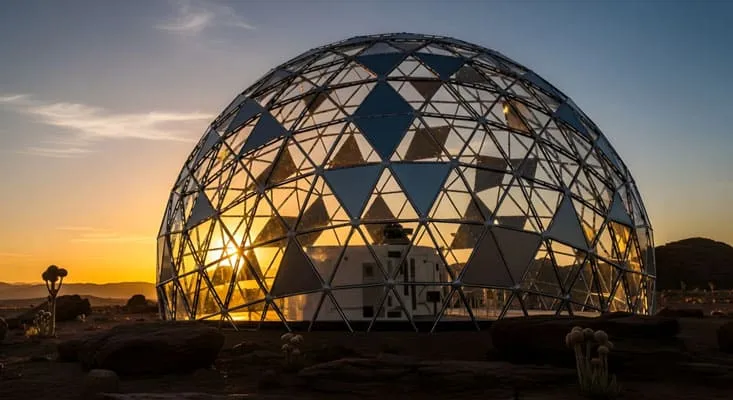
Cultural Sensitivity and Design Adaptation
Incorporating local architectural elements and cultural values into dome designs enhances community acceptance. This may involve adjusting spatial organization, facade treatments, or interior layout to reflect regional customs.
Respecting cultural context supports occupant well-being and identity, critical in residential-focused architecture. Dome to live and dome to rent projects that embrace this approach tend to achieve greater social sustainability.
Architects must engage with local stakeholders early in the design process to ensure meaningful integration and lasting success.
Future Directions and Innovations
Emerging technologies like 3D printing, smart materials, and AI-driven design promise to revolutionize dome to live and dome to rent construction.
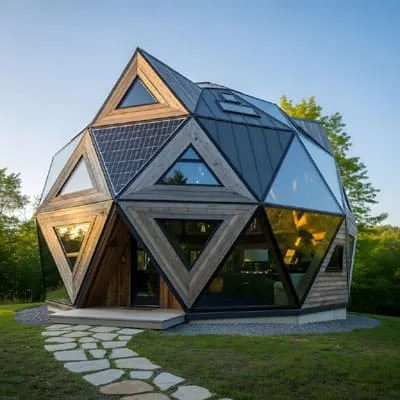
These advances will enable more efficient, personalized, and responsive homes.
Integration with urban infrastructure and renewable energy grids will further enhance sustainability. The ongoing evolution of dome architecture offers exciting possibilities for addressing global housing challenges.
Continued research and pilot projects will refine best practices, ensuring that domes remain relevant and accessible for diverse populations.
All domes..
Dome to live and dome to rent structures embody a harmonious blend of geometry, sustainability, and human-centered design. Their unique form delivers enhanced comfort, energy efficiency, and adaptability, addressing modern residential needs with intentionality and calm.
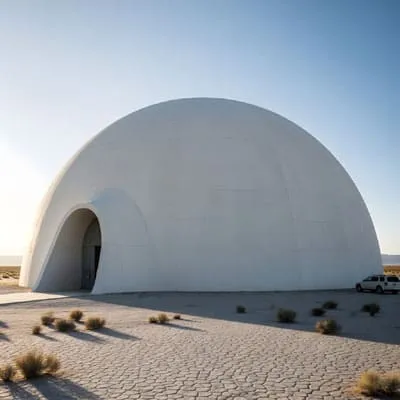
By exploring architectural foundations, environmental strategies, and economic factors, this article has illuminated the multifaceted benefits of domes as viable living and rental solutions.
As interest grows worldwide, embracing dome living offers an opportunity to rethink how we build and inhabit spaces, promoting resilient communities and a deeper connection with our environment. Considering dome to live and dome to rent options can inspire architects, developers, and residents to pursue innovative, climate-aware housing models for the future.
Frequently Asked Questions (FAQ)
What Makes Dome Homes More Energy-efficient Than Traditional Houses?
Dome homes use a spherical shape that minimizes surface area and evenly distributes heat, reducing thermal loss. Their geometry supports passive solar design and natural airflow, which together lower heating and cooling energy demands significantly compared to traditional buildings.
Are Dome Homes Suitable for All Climates?
Yes, dome homes can be adapted to various climate conditions through appropriate material choices, insulation levels, and ventilation systems. Their aerodynamic shape performs well in high winds and snow loads, making them versatile for different environments.
Can Dome Homes Be Rented on a Short-term Basis?
Absolutely. Dome to rent properties are increasingly popular for short-term stays due to their unique design and comfort. Modular interiors and flexible layouts make them ideal for vacation rentals, eco-tourism, or temporary housing.
How Long Does It Take to Build a Geodesic Dome Home?
Construction time varies with size and complexity but generally ranges from a few weeks to a few months. Prefabricated components and efficient assembly methods can significantly reduce building duration compared to conventional homes.
What Are the Main Challenges in Maintaining Dome Homes?
Maintenance focuses on preserving waterproofing seals, ventilation systems, and surface finishes. Curved surfaces require specialized cleaning and inspection, but overall, domes are durable structures that demand less upkeep than traditional homes.
For further reading on geodesic dome architecture, visit Geodesic Dome Institute and explore sustainable housing resources at the U.S. Green Building Council.