Last updated on September 14th, 2026 at 06:38 pm
Small living spaces such as studios, lofts, and tiny houses have redefined modern residential design by emphasizing efficiency, intentionality, and human-centered architecture. These compact homes prioritize thoughtful floor plans that optimize every square foot, making them essential for sustainable urban living. Understanding the best floor plans for small homes is crucial for anyone seeking to maximize comfort and functionality without sacrificing style.
Designing for small homes presents unique challenges and opportunities. Limited space demands innovative architectural solutions that balance natural light, storage, and circulation while fostering a calm and intentional atmosphere. Climate-conscious design further enhances these dwellings by reducing environmental impact and adapting to local conditions, ensuring livability year-round.
This article delves into architect-approved designs for studios, lofts, and tiny houses, exploring versatile floor plans that address real-life living needs. From multi-functional layouts to sustainable materials, we cover strategies to create serene, efficient homes that resonate with modern lifestyles and global architectural trends.
Innovative Layouts for Studio, Loft, and Tiny House Living
Maximizing Space with Open-Concept Designs
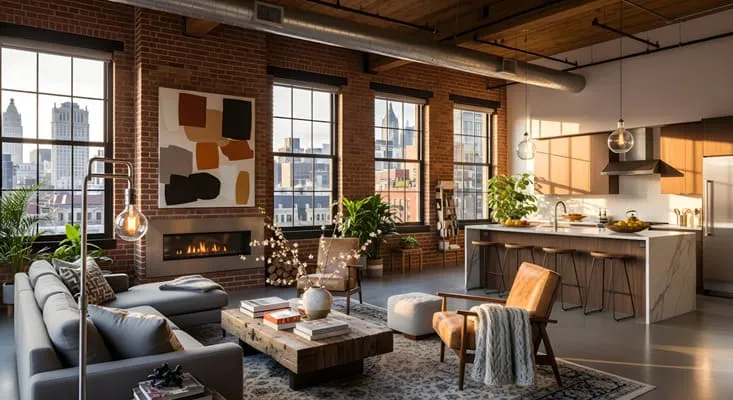
Open-concept floor plans are the foundation of small home design, particularly in studios and lofts. By minimizing interior walls, these layouts create an illusion of spaciousness and promote flexible living zones. Integrating kitchen, dining, and living areas encourages social interaction while keeping the space fluid and adaptable.
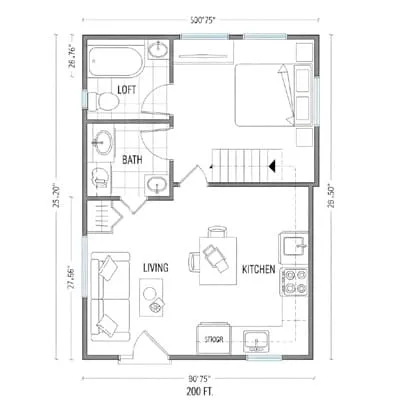
Natural light plays a vital role in enhancing openness. Large windows and skylights are strategically placed to brighten interiors and connect occupants with the outdoors. Thoughtful furniture arrangement complements these spaces by defining zones without obstructing flow.
Materials and finishes in open-concept small homes prioritize simplicity and durability. Using light-colored surfaces and natural textures maintains calmness and intentionality, aligning with the human-centered design approach.
Multi-Functional Zones in Compact Footprints
In studios, lofts, and tiny houses, rooms often serve more than one purpose. Designing multi-functional zones allows residents to live comfortably without overcrowding. For example, a dining table can double as a workspace, or a sofa bed can provide seating and sleeping options.
Partition elements like sliding panels or curtains help create privacy when needed while preserving flexibility. These adaptable solutions respond to varied daily routines and lifestyle changes.
Integrating built-in storage beneath seating or within stairs enhances functionality, reducing clutter and maximizing floor area. This approach supports intentional living by keeping spaces organized and efficient.
Key Features of Efficient Small Home Floor Plans
- Open layouts that enhance spatial perception
- Natural lighting to improve ambiance and wellbeing
- Multi-use furniture and zones for versatility
- Built-in storage to optimize space
- Minimalist finishes to maintain calmness
- Climate-responsive elements for sustainability
Compact Studio Designs: Efficient Living in One Room
Optimizing Single-Room Living for Comfort
Studios condense living, sleeping, and cooking areas into one open space. The challenge lies in designing a layout that feels spacious despite spatial constraints. Architects prioritize natural light, ventilation, and a clear circulation path to avoid claustrophobia.
Furniture placement is deliberate, often relying on modular pieces that can be rearranged or stored away. A defined sleeping nook separated by shelving or curtains can create intimacy without closing off the room.
Climate-aware design is essential, with insulation and window orientation tailored to the local environment. This reduces energy consumption and enhances occupant comfort year-round.
Storage Solutions Tailored for Studios
Storage in studios must be clever and unobtrusive. Vertical storage units and wall-mounted shelves free up floor space while providing ample room for essentials. Under-bed drawers or lofted beds create hidden storage zones.
Architects emphasize decluttering strategies, encouraging residents to keep only necessary belongings. This philosophy aligns with the intentional, slow living mindset intrinsic to studio design.
Materials selected for storage solutions are durable and aesthetically neutral to maintain a cohesive and calming interior.
Balancing Privacy and Openness in Studio Layouts
- Use of screens or curtains to create separations
- Lofted beds to define private sleeping areas
- Flexible furniture to adjust space usage
- Acoustic considerations for noise control
- Visual zoning through rugs or lighting
| Feature | Benefit | Example |
|---|---|---|
| Lofted Bed | Creates privacy and frees floor space | Loft bed with desk underneath |
| Built-in Shelving | Maximizes vertical storage | Wall-mounted shelves near kitchen |
| Sliding Curtain | Flexible space division | Separates sleeping area on demand |
Loft Floor Plans: Vertical Living and Spatial Efficiency
Utilizing Vertical Space in Loft Homes
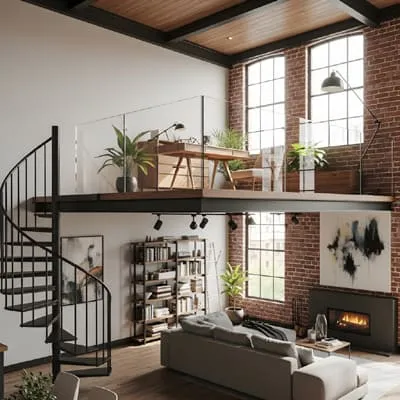
Loft designs capitalize on high ceilings and vertical volume to expand usable living areas.
This vertical strategy enables separate zones for sleeping, working, and relaxing without enlarging the home’s footprint.
Architectural elements such as mezzanines and staircases become functional focal points that enhance circulation and storage. Vertical windows or clerestory glazing bring in natural light high above, improving air quality and ambiance.
Such designs are climate-sensitive, often including ventilation strategies that use stack effect principles to maintain comfort.
Flexible Loft Layouts for Diverse Lifestyles
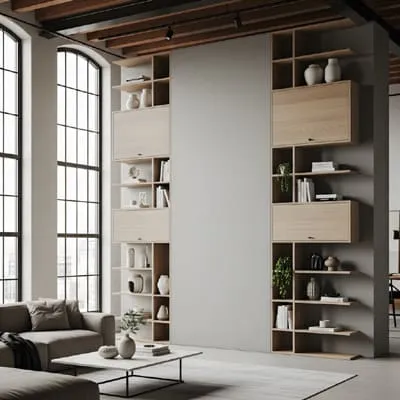
Lofts cater to varying occupant needs by offering adaptable spaces. Movable partitions, fold-down furniture, and convertible rooms allow residents to customize their environment.
Architects recommend designing lofts with future adaptability in mind, supporting changes in household size or function without major renovations.
Materials with thermal mass and natural insulation contribute to maintaining steady indoor temperatures, enhancing sustainability.
Design Elements That Define the Loft Experience
- Mezzanine floors for sleeping or work
- Open staircases to preserve sightlines
- Large vertical windows for daylight and ventilation
- Multi-functional furniture for space saving
- Use of natural materials to create warmth
- Incorporation of green walls or plants
- Energy-efficient lighting and appliances
Tiny House Floor Plans: Compact Living with Big Impact
Essentials of Tiny House Design
Tiny houses epitomize minimalist living, requiring floor plans that incorporate only what is necessary for daily life. They emphasize simplicity, sustainability, and a deep connection to the environment.
Careful zoning within very limited square footage ensures that every inch is purposeful. Kitchens are scaled down but fully functional, while bathrooms use space-saving fixtures.
Insulation and passive solar design are non-negotiable to reduce energy consumption and increase comfort in all climates.
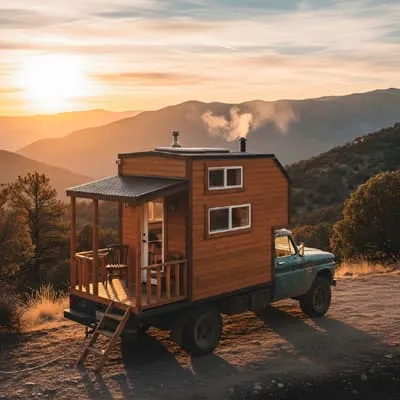
Innovative Storage and Furniture in Tiny Houses
Storage innovations in tiny houses often include fold-away tables, convertible seating, and hidden compartments. Furniture is custom-designed to fit exact dimensions and maximize usability.
Lofted beds with storage underneath and staircases that double as drawers are common solutions to maintain open floor areas.
Architects stress the importance of quality over quantity, selecting durable materials that age well and require minimal maintenance.
Integrating Nature and Climate Awareness
- Orientation for optimal solar gain
- Natural ventilation through operable windows
- Use of sustainable, low-impact materials
- Rainwater collection and greywater recycling
- Green roofs or vertical gardens
| Design Aspect | Benefit | Application |
|---|---|---|
| Passive Solar Orientation | Reduces heating costs | South-facing windows with shading |
| Foldable Furniture | Maximizes usable space | Wall-mounted drop-leaf tables |
| Rainwater Harvesting | Supports off-grid water needs | Roof gutters leading to storage tanks |
Human-Centered Design Principles in Compact Homes
Prioritizing Occupant Comfort and Wellbeing
Human-centered design ensures that studio, loft, and tiny house layouts cater to real needs and habits. This approach involves ergonomic considerations, natural light optimization, and thermal comfort.
Quiet zones, ample daylight, and good air quality contribute to mental and physical health. Architects incorporate these elements to create spaces that feel welcoming and restorative despite their size.
Designs also consider flexibility to accommodate diverse lifestyles and activities, supporting a slow and intentional pace of living.
Materials and Finishes for Calm and Durability
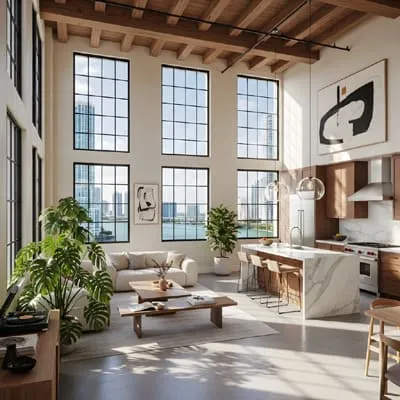
Choosing natural, non-toxic materials enhances indoor air quality and longevity. Wood, stone, and recycled materials align with sustainable values and create a tactile, warm environment.
Finishes are typically matte and muted to avoid visual clutter and support calmness. This restrained palette is a hallmark of architectural, not decorative, design.
Durability reduces maintenance needs, allowing residents to focus on living rather than upkeep.
Design Strategies Supporting Intentional Living
- Minimalist layouts to reduce distractions
- Spaces encouraging mindfulness and relaxation
- Integration of nature for biophilic benefits
- Flexible areas for work and leisure
Climate-Aware Solutions for Small Residential Spaces
Passive Design Techniques in Compact Homes
Small homes benefit greatly from passive design strategies that minimize energy demand. These include proper orientation, shading devices, and thermal mass utilization.
Natural ventilation strategies such as cross-breezes and stack effect reduce reliance on mechanical cooling. Insulation and airtight construction maintain stable indoor temperatures.
Architects tailor these solutions to local climates, enhancing comfort and sustainability.
Renewable Energy Integration and Efficiency
Incorporating solar panels or small wind turbines aligns with tiny house and loft sustainability goals. Energy-efficient appliances and LED lighting further reduce the ecological footprint.
Battery storage systems and smart home technologies optimize energy use and accommodate off-grid living where applicable.
Designs often include water-saving fixtures and graywater recycling to conserve resources.
Material Choices for Environmental Responsibility
| Material | Environmental Benefit | Use in Small Homes |
|---|---|---|
| Bamboo | Rapidly renewable and strong | Flooring and cabinetry |
| Recycled Steel | Reduces mining impact | Structural framing |
| Low-VOC Paints | Improves indoor air quality | Interior finishes |
Global Trends in Studio, Loft, and Tiny House Architecture
International Inspirations and Adaptations
Architectural trends for small homes reflect diverse cultural approaches to compact living.
Scandinavian designs emphasize light, clean lines, and natural materials, while Japanese micro-homes focus on modularity and multifunctionality.
Urban tiny houses in Europe often integrate communal outdoor spaces, enhancing social connection despite limited private area. In North America, container homes and prefabricated modules are gaining popularity for affordability and speed.
Each context adapts to climate and lifestyle, demonstrating the versatility of studio, loft, and tiny house concepts globally.
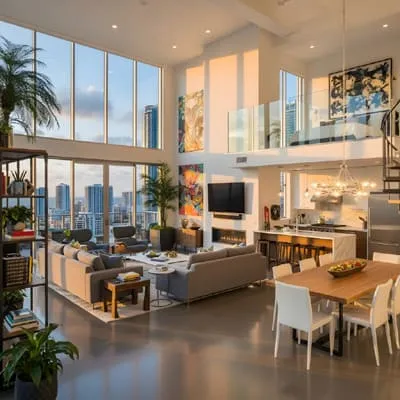
Technology’s Role in Modern Small Home Design
Smart home technology enables efficient management of energy, lighting, and security in small residences. Mobile apps can control heating or ventilation remotely, enhancing occupant convenience.
Building Information Modeling (BIM) and 3D printing are transforming design and construction processes, allowing for precise customization and waste reduction.
These innovations support the slow, intentional living ethos by minimizing resource use and optimizing function.
Future Directions and Emerging Concepts
- Modular and expandable tiny homes
- Community-focused micro-villages
- Biophilic design integration
- Net-zero energy and water homes
- Adaptive reuse of urban spaces
Enhancing Residential Performance with Small Home Floor Plans
Improving Energy and Space Efficiency
Small home floor plans focus on reducing wasted space and optimizing energy performance. Compact footprints reduce material needs, while efficient layouts decrease heating and cooling loads.
Architects emphasize zoning to separate conditioned and unconditioned spaces, improving thermal comfort. High-performance windows and insulation contribute to this goal.
Energy modeling during design phases ensures optimal system sizing, reducing operational costs.
Indoor Environmental Quality and User Experience
Quality of light, air, and acoustics are key to occupant satisfaction in small homes. Designs include operable windows, sound-absorbing materials, and daylighting strategies to enhance wellbeing.
Attention to ergonomic furniture and circulation supports daily activities without strain or discomfort.
The result is a calm, intentional environment that feels larger and more comfortable than its size suggests.
Key Strategies for Sustained Performance
- Proper insulation and airtightness
- Natural ventilation and daylighting
- Multi-functional spaces to reduce clutter
- Durable, low-maintenance materials
| Strategy | Benefit | Impact on Performance |
|---|---|---|
| High-Performance Windows | Improves insulation and light | Reduces energy costs |
| Natural Ventilation | Enhances air quality | Increases comfort |
| Multi-Use Furniture | Maximizes space | Improves functionality |
In conclusion, architect-approved floor plans for studios, lofts, and tiny houses demonstrate how small homes can be both functional and serene. By embracing human-centered design, climate awareness, and spatial efficiency, these compact residences offer a sustainable and intentional lifestyle. Whether optimizing vertical space or integrating multi-functional zones, the key lies in thoughtful planning that respects how people truly live. Exploring these innovative layouts unlocks new possibilities for comfortable, climate-conscious small home living.
As urban areas grow and environmental challenges intensify, adopting these architectural principles will become increasingly relevant. Consider how your own living space can benefit from such design strategies to foster wellbeing and sustainability.
Frequently Asked Questions (FAQ)
What Defines a Tiny House Compared to a Studio or Loft?
Tiny houses are typically standalone homes under 400 square feet, designed for minimalistic living with all essential functions. Studios and lofts are mainly apartment-style spaces within larger buildings, focusing on open layouts and vertical space use.
How Can I Maximize Storage in a Loft Apartment?
Utilize vertical shelving, built-in cabinets, and under-stair storage. Multi-functional furniture like beds with drawers or fold-down desks also helps. Keep clutter minimal to maintain openness and ease of movement.
Are Tiny Houses Suitable for All Climates?
Yes, but they require climate-aware design. Proper insulation, ventilation, and passive solar orientation are essential. Some tiny houses incorporate renewable energy and water-saving systems to adapt to local conditions effectively.
What Materials Are Best for Sustainable Small Home Construction?
Renewable and recycled materials like bamboo, reclaimed wood, and recycled steel are ideal. Low-VOC paints and natural insulation improve indoor air quality, aligning with green building practices.
Can Small Homes Accommodate Families?
While studios and tiny houses typically suit individuals or couples, larger lofts and modular tiny homes can be configured to support small families. Flexible layouts and multi-functional spaces are key to adapting to family needs.

Architect with extensive experience in residential and commercial design, including renovations and modular construction. Love to share information about Architecture, home and lifestyle in this blog.