
Solar-powered garden lighting systems are an innovative solution that harnesses solar panel technology to illuminate outdoor spaces sustainably. These systems integrate various types of light, including colorful lights, offering both functional and aesthetic benefits to residential gardens. Understanding how solar panels work with different lighting types can help homeowners design energy-efficient, climate-conscious landscapes that enhance safety and ambiance.
Thank you for reading this post, don't forget to subscribe!As energy costs rise and environmental awareness grows, solar garden lights present an opportunity to reduce carbon footprints without sacrificing design quality. The integration of colorful lights adds personality and versatility, enabling tailored lighting schemes that reflect human-centered architectural principles. This article explores the key components of solar lighting systems, focusing on types of light, the role of colorful LEDs, and practical architectural applications.
We will cover seven detailed sections, each highlighting essential aspects of solar panels and lighting types. From technical considerations to design strategies and performance optimization, this guide equips you with expert knowledge to create calm, intentional, and sustainable outdoor lighting solutions.
Understanding Solar Panel Technology for Outdoor Lighting
Basics of Solar Panels in Residential Lighting
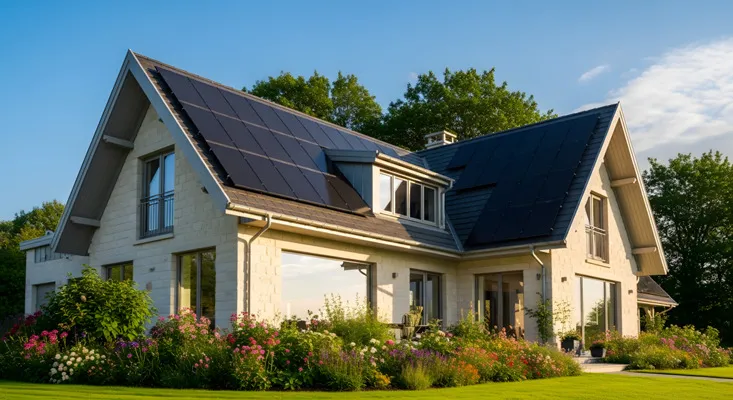
Solar panels convert sunlight into electrical energy, powering garden lights without the need for external wiring or grid dependency. Residential solar panels typically use photovoltaic cells made from silicon to generate direct current (DC), which is then stored in batteries for nighttime use. This technology is crucial for sustainable garden lighting, reducing reliance on fossil fuels and lowering electric bills.
In outdoor settings, solar panels must be positioned to maximize sunlight exposure while blending seamlessly with architectural elements. Proper sizing and panel efficiency directly impact the duration and brightness of the garden lights powered by them. Selecting panels with high conversion rates ensures better performance even in less sunny climates.
Solar panels’ modularity allows for flexible installation, enabling integration with various types of light fixtures. This adaptability supports diverse lighting designs, from subtle path markers to vibrant color-changing displays, accommodating different user preferences and environmental conditions.
Solar Panel Efficiency and Weather Considerations
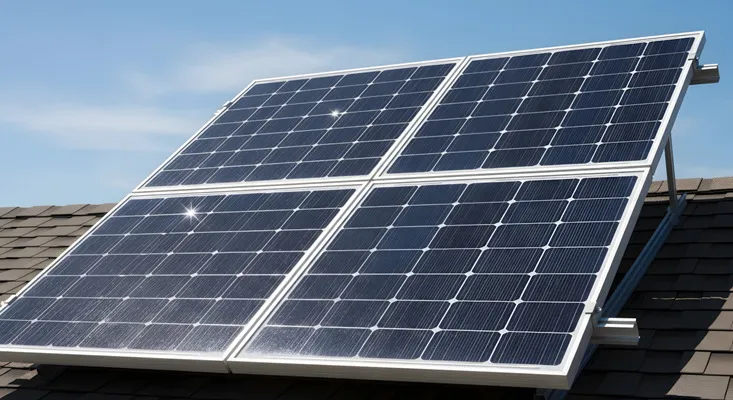
Efficiency in solar panels depends on factors such as material quality, angle of installation, and environmental conditions. Weather plays a significant role; cloudy or shaded areas reduce energy capture, which can affect lighting performance at night. Therefore, understanding local climate patterns is essential when planning solar-powered garden lighting.
Innovations in panel coatings and materials have improved resilience against dust, moisture, and temperature fluctuations, extending the lifespan and reliability of solar lighting installations. Incorporating these advancements into residential projects ensures consistent illumination despite changing weather.
Maintenance routines, including periodic cleaning and inspection, help maintain peak solar panel efficiency. Neglecting these aspects can lead to reduced energy generation and inconsistent lighting output, undermining the system’s overall effectiveness.
Environmental Impact and Sustainability Benefits
Solar-powered garden lighting significantly reduces greenhouse gas emissions compared to traditional electrical systems. By harnessing renewable energy, homeowners contribute to carbon footprint reduction and promote sustainable living practices. This aligns with modern architectural approaches that prioritize environmental responsibility and climate awareness.
Incorporating solar panels into garden lighting also mitigates light pollution by enabling precise control over light intensity and placement. This human-centered design approach respects both the natural environment and the well-being of residents.
The lifecycle of solar lighting systems, including recyclable components and low energy consumption, further supports sustainability goals. Choosing solar technology for outdoor illumination reflects a deliberate, slow design philosophy that values long-term ecological balance over short-term convenience.
Exploring Types of Light in Solar Garden Systems
Common Light Sources Used with Solar Panels
- Light Emitting Diodes (LEDs)
- Halogen bulbs
- Compact Fluorescent Lamps (CFLs)
- Incandescent bulbs
- Fiber optic lighting
LEDs dominate solar garden lighting due to their high energy efficiency and long lifespan. Halogen and incandescent bulbs are less common because they consume more power and generate excess heat, which is counterproductive for solar setups.
Fiber optic lighting is occasionally used for decorative effects but requires a separate light source, making it less practical for solar-powered gardens. Understanding these light types helps architects and homeowners select the best option for their needs, balancing brightness, color quality, and energy usage.
Color Temperature and Its Impact on Garden Ambiance
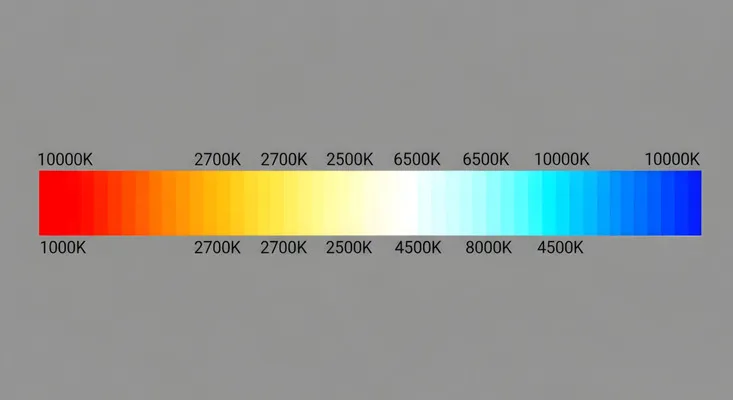
Color temperature, measured in Kelvin (K), defines the warmth or coolness of light emitted. Warm white (2700K-3000K) creates a cozy, inviting atmosphere, while cool white (4000K-5000K) enhances visibility and modern aesthetics. Selecting the appropriate color temperature affects both the functionality and mood of garden spaces.
Architectural lighting integrates color temperature considerations to align with the overall design concept, ensuring human comfort and visual harmony. For example, pathways may use warm tones for gentle guidance, whereas security lighting favors cooler hues for clarity.
Solar lighting systems that allow adjustable color temperature provide versatility, enabling outdoor environments to transition seamlessly from day to night activities with intentional lighting effects.
Light Distribution and Beam Angles
Light distribution refers to how light spreads from a fixture, influenced by beam angle. Narrow beams (spotlights) focus light on specific areas, ideal for highlighting garden features or pathways. Wide beams (floodlights) cover broader areas, enhancing general visibility and safety.
Solar-powered lighting must consider beam angles carefully to optimize energy use and avoid light wastage. Architecture-driven designs often employ directional lighting to minimize light pollution and maximize user comfort.
Choosing fixtures with adjustable beam angles increases flexibility, allowing homeowners to customize illumination patterns according to changing landscape needs or seasonal variations.
Integrating Colorful Lights in Solar Garden Designs
Benefits of Using Colorful LEDs
- Energy-efficient illumination
- Enhanced aesthetic appeal
- Dynamic mood setting
- Low heat emission
- Long operational lifespan
Colorful LEDs offer a spectrum of hues that can transform garden environments, providing not only light but also artistic expression. These lights consume minimal power, making them ideal companions for solar panels with limited energy budgets.
Incorporating color-changing LEDs supports human-centered lighting designs, allowing users to tailor outdoor lighting to specific occasions, times of day, or personal preferences while maintaining sustainability.
Architectural Applications of Colorful Lighting
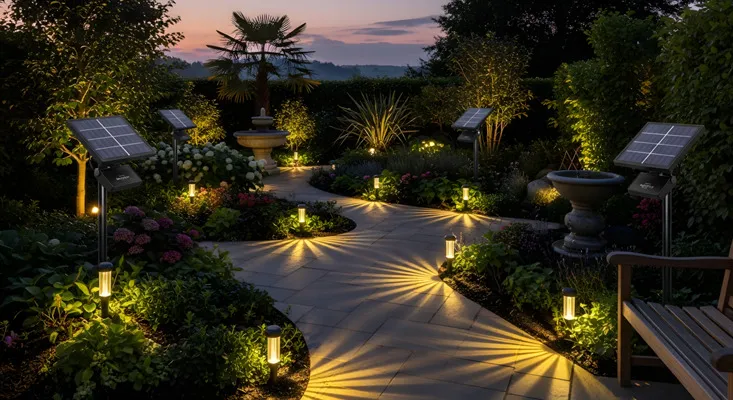
Architects use colorful lights to accentuate textures, highlight pathways, or create focal points in gardens. By layering colors and intensities, solar lighting systems can visually articulate architectural features and landscape elements.
Colorful lighting also enhances safety by improving visibility in dark areas without overwhelming the senses. Thoughtful placement avoids glare and harsh contrasts, fostering calm and intentional outdoor environments.
These lighting strategies align with slow design principles, encouraging residents to engage meaningfully with their surroundings through controlled, purposeful illumination.
Technical Considerations for Colorful Solar Lights
Implementing colorful solar lights requires attention to power consumption, battery capacity, and control systems. RGB LEDs, for example, need controllers to mix colors precisely, which can increase complexity and cost.
Battery storage must accommodate peak energy use during color transitions or higher brightness settings. Selecting efficient controllers and batteries ensures reliable performance without compromising sustainability goals.
Wiring and fixture durability are also critical, as outdoor conditions demand weather-resistant components. Integrating these elements seamlessly into garden architecture preserves both function and form.
Designing with Solar Panels and Light Types for Optimal Performance
Balancing Light Quality and Energy Efficiency
Achieving optimal garden lighting involves selecting light types that provide sufficient brightness while conserving energy. LEDs excel in this balance, offering high luminous efficacy and customizable color options.
Architectural design must consider fixture placement, solar panel orientation, and battery capacity to maintain consistent illumination without overloading the system. This holistic approach ensures that aesthetic goals do not conflict with energy constraints.
Energy management strategies, including dimming and motion sensors, further enhance performance, adapting light output to actual usage and environmental conditions.
Planning Solar Panel Placement for Maximum Sunlight
Proper placement of solar panels is critical to capture maximum sunlight throughout the day.
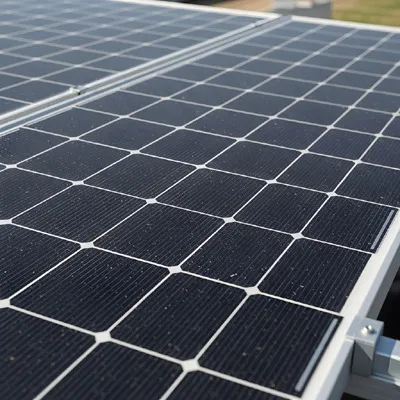
Panels should be installed at angles adjusted to the latitude and avoid shading from trees, buildings, or other obstacles.
Architects integrate solar technology subtly within garden structures, such as pergolas or raised beds, to maintain the visual integrity of the space while optimizing energy capture.
Using multiple smaller panels distributed strategically can also improve overall system resilience and flexibility, offering redundancy and easier maintenance.
Comparative Table: Solar Panel Types for Garden Lighting
| Type | Efficiency | Typical Cost |
|---|---|---|
| Monocrystalline | 18-22% | High |
| Polycrystalline | 15-17% | Medium |
| Thin-film | 10-12% | Low |
Maintenance and Longevity of Solar Garden Lighting
Routine Maintenance Practices
- Cleaning solar panels regularly to remove dust and debris
- Checking battery health and replacing when capacity depletes
- Inspecting wiring and fixtures for weather damage
- Adjusting panel angles seasonally for optimal sunlight
- Testing light output and replacing LEDs as needed
Maintaining solar garden lighting ensures consistent performance and extends system lifespan. Simple upkeep tasks prevent energy loss and preserve the intended ambiance of outdoor spaces.
Homeowners should schedule biannual inspections, preferably in spring and fall, to address environmental wear and prepare the system for seasonal changes.
Troubleshooting Common Issues
Common challenges include dim or flickering lights, reduced battery life, and panel shading. Diagnosing these problems involves checking for dirt accumulation, battery degradation, and physical obstructions.
Replacing aging batteries with compatible, high-capacity units often restores functionality. Ensuring solar panels remain unobstructed by foliage or debris is critical to prevent energy shortfalls.
Technical support from manufacturers or professional installers can assist with complex issues related to controllers or wiring integrity.
Cost-Benefit Analysis of Solar Lighting Systems
Investing in solar garden lighting entails upfront costs for panels, batteries, and fixtures but yields long-term savings through zero electricity bills and low maintenance expenses. The environmental benefits further justify the investment by reducing carbon emissions.
When compared to traditional electric garden lights, solar systems offer greater independence from grid fluctuations and energy price increases. Their scalability allows gradual upgrades aligned with budget and design aspirations.
This financial perspective supports informed decisions that prioritize sustainability without sacrificing quality or design intent.
Innovative Lighting Technologies Complementing Solar Panels
Smart Controls and Automation
- Motion sensors to activate lighting only when needed
- Programmable timers for scheduled illumination
- Remote control via smartphone apps
- Adaptive brightness based on ambient light
- Integration with home automation systems
Smart technologies enhance the usability and efficiency of solar-powered garden lighting, offering users precise control over their outdoor environment. Automation reduces unnecessary energy consumption and allows lighting schemes to adapt to lifestyle changes.
These innovations align with human-centered design by improving convenience and responsiveness while maintaining environmental responsibility.
Advances in Battery Storage Solutions
Modern batteries, such as lithium-ion and gel lead-acid types, provide higher energy density, longer lifespans, and better charge-discharge cycles than traditional options. These improvements allow solar garden lights to operate reliably over extended periods.
Battery management systems protect against overcharging and deep discharge, preserving battery health and performance. Selecting the right battery type depends on the lighting load, climate, and maintenance preferences.
Enhanced storage technologies support larger and more complex lighting installations, encouraging architectural creativity without compromising sustainability.
Comparative Table: Battery Types for Solar Lighting
| Battery Type | Capacity (Wh) | Lifespan (Years) |
|---|---|---|
| Lithium-ion | 100-200 | 5-10 |
| Gel Lead-Acid | 80-150 | 3-5 |
| Nickel-Cadmium | 60-120 | 2-4 |
Architectural Strategies for Human-Centered Solar Lighting
Designing for User Comfort and Safety
Human-centered lighting prioritizes visual comfort, avoiding glare and harsh contrasts that can cause discomfort or accidents. Solar-powered fixtures are placed to illuminate pathways, steps, and entrances evenly, enhancing safety without overwhelming brightness.
Architectural design integrates lighting with landscape features, using soft, indirect illumination to create calming environments. This approach supports residents’ wellbeing by fostering a sense of security and tranquility.
Color temperature and intensity adjustments further personalize outdoor spaces, accommodating diverse user needs and activities.
Blending Lighting with Landscape Architecture
Solar lighting is integrated subtly into garden elements such as stone walls, plant beds, and water features, enhancing natural textures and forms.
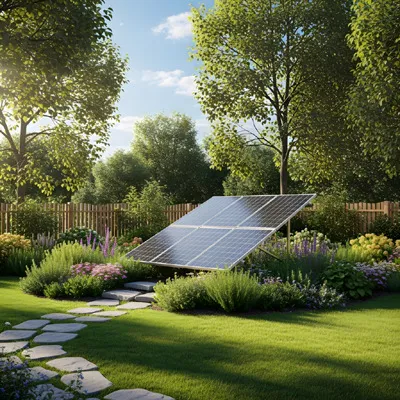
This thoughtful placement avoids visual clutter and complements the overall architectural language.
Using colorful lights selectively accentuates key features without overpowering the natural environment, supporting a slow, intentional design ethos.
Such strategies encourage residents to engage actively with their outdoor spaces, cultivating meaningful connections to place and nature.
Case Studies of Successful Solar Garden Lighting
Several residential projects demonstrate effective use of solar panel technology combined with diverse light types. For example, a coastal home in California uses monocrystalline panels powering warm white LEDs to balance efficiency and ambiance.
Another project in Northern Europe integrates colorful RGB LEDs controlled via smartphone, enabling seasonal and event-based lighting variations that enhance community interaction.
These cases illustrate how architectural expertise transforms solar lighting from mere utility to a dynamic design element that respects climate and human experience.
What to expect?
Solar-powered garden lighting systems offer a sustainable, versatile way to illuminate outdoor spaces with various types of light and colorful options. By combining efficient solar panels, carefully selected lighting types, and thoughtful architectural design, homeowners can create calm, intentional environments that support both safety and aesthetic goals.
Embracing these technologies encourages climate-aware, human-centered living, demonstrating how innovation and design can harmonize with nature. Consider integrating solar lighting in your garden to enhance your home’s ambiance while reducing environmental impact.
Frequently Asked Questions (FAQ)
What Are the Main Advantages of Solar Garden Lighting?
Solar garden lighting offers energy efficiency, sustainability, easy installation without wiring, and reduced maintenance. It uses renewable energy, lowering electricity costs and carbon footprint while providing flexible design options with various types of light.
How Do Colorful Lights Affect Energy Consumption in Solar Systems?
Colorful LEDs generally consume slightly more energy when displaying multiple colors or higher brightness levels. However, their efficiency remains high, and smart controls help manage consumption to optimize battery life and overall system performance.
Can Solar Lighting Work Effectively in Shaded or Cloudy Environments?
Solar lighting performance decreases in shaded or cloudy conditions due to reduced sunlight for charging. Using high-efficiency solar panels and larger batteries can mitigate these issues, but placement in sunny areas is optimal for consistent operation.
What Maintenance is Required for Solar-powered Garden Lights?
Routine maintenance includes cleaning solar panels, checking batteries, inspecting fixtures for damage, and adjusting panel angles seasonally. These simple tasks ensure efficient energy capture and prolonged system lifespan.
Are Solar Garden Lighting Systems Compatible with Smart Home Technology?
Yes, many modern solar lighting systems support integration with smart controls, allowing remote operation, scheduling, motion detection, and adaptive lighting. This enhances user convenience and energy efficiency.