
Integrating home audio systems such as TV, radio, YouTube, and Alexa into modern interior design is essential for creating seamless living spaces that prioritize both functionality and aesthetics. Understanding how these technologies interact with contemporary architecture enables homeowners to enhance their audio-visual experience without compromising design integrity.
Thank you for reading this post, don't forget to subscribe!The challenge lies in blending these entertainment options into residential environments thoughtfully, considering climate awareness and human-centered design principles. This integration must respect the calm, intentional, and slow atmosphere that modern interiors demand, avoiding clutter and promoting ease of use.
This article explores practical strategies for incorporating TV, radio, YouTube, and Alexa devices into homes with architectural finesse. It delves into design considerations, technology selection, placement, and performance optimization to create balanced, immersive living spaces.
Modern TV Integration Techniques for Residential Spaces
Designing with TV as a Central Visual Element
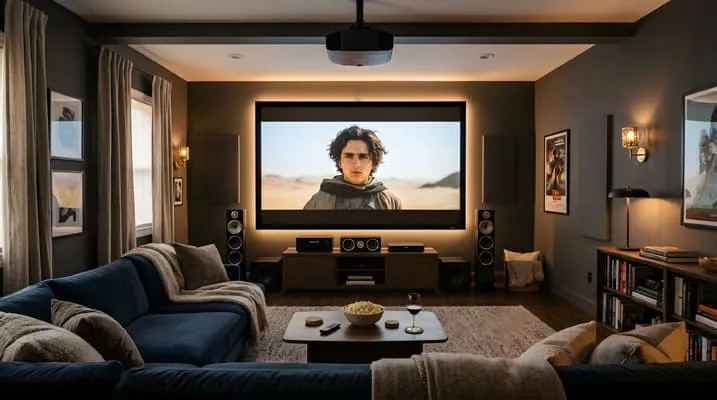
The TV remains a dominant feature in many living rooms, but integrating it requires sensitivity to the overall interior design. Selecting sleek, minimalist models helps maintain a calm atmosphere, while recessed or wall-mounted installations reduce visual clutter. Proper framing or cabinetry can also create a harmonious relationship between the TV and surrounding architectural elements.
Consideration of screen size relative to room dimensions is crucial to avoid overwhelming the space. Balanced sightlines and ergonomic viewing angles improve comfort and usability, making the TV a natural and purposeful part of daily living.
Materials and finishes around the TV should complement the room’s palette, ensuring the device blends rather than disrupts. Concealing cables and speakers preserves architectural cleanliness and fosters a human-centered setup.
Optimizing TV Sound Systems in Climate-Aware Homes
Sound quality is paramount when integrating TV systems, especially in climate-sensitive homes where insulation and ventilation affect acoustics. Selecting soundbars or built-in speakers designed for energy-efficient spaces improves audio clarity without excessive volume.
Acoustic treatments such as soft furnishings or wall panels can minimize echo and enhance sound distribution. Using wireless speakers reduces installation complexity and allows flexibility in positioning based on room usage.
Energy-efficient audio devices contribute to sustainable living, aligning technology with ecological goals. This approach supports a calm and intentional ambiance, essential for slow-living environments.
Enhancing User Experience with TV Connectivity Features
- Smart TV integration with streaming platforms
- Compatibility with voice assistants like Alexa
- Multi-room audio synchronization
- Easy mobile device casting and control
- Customizable user interfaces for accessibility
Modern TVs offer a variety of connectivity options that enhance interaction and control. Integrating these features smoothly into the home ecosystem maximizes usability and comfort.
Designers should prioritize devices that support natural interfaces, ensuring effortless engagement and minimal disruption to the residential environment.
Incorporating Radio Systems Into Contemporary Interiors
Choosing Radio Equipment for Style and Function
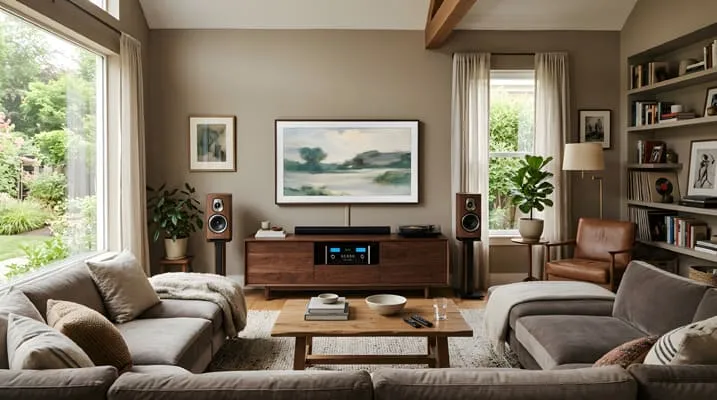
Radio remains a timeless medium for ambient sound and news, and selecting equipment that matches interior aesthetics is important. Compact, vintage-inspired radios or sleek digital models can serve as both functional devices and decorative accents.
Placement should consider user accessibility and room acoustics, often favoring communal areas such as kitchens or lounges where background sound enhances atmosphere without intrusion.
Integrating radio with smart home systems like Alexa allows voice-controlled operation, adding convenience while maintaining design coherence.
Radio Placement and Acoustic Optimization
- Position near reflective surfaces to amplify sound
- Avoid corners to reduce muffling
- Use wall shelves or stands to elevate devices
- Combine with soft furnishings for balanced acoustics
- Integrate with multi-room audio systems for whole-home coverage
Proper placement ensures optimal sound quality while respecting the spatial flow and interior design principles. Acoustic balance supports residential comfort and intentional living.
Designers must consider the interplay of sound, materials, and spatial arrangement to create cohesive environments.
Climate Considerations for Radio Equipment Longevity
Temperature and humidity can affect radio device performance, especially in climates with extreme variations. Selecting equipment with robust casing and proper ventilation safeguards longevity.
Integrating climate control features or situating radios away from heat sources helps maintain optimal operating conditions. This approach aligns with sustainable design practices and human-centered care.
Regular maintenance and thoughtful installation prevent degradation, ensuring consistent audio quality over time.
Leveraging YouTube for Integrated Home Entertainment
Designing Spaces for YouTube Content Consumption
- Comfortable seating arrangements focused on screens
- Adjustable lighting to reduce glare and eye strain
- Acoustic panels to enhance sound clarity
- Flexible furniture for multi-use purposes
- Easy access to charging stations and controls
- Integration with smart assistants for voice commands
YouTube has become a major source of entertainment and education, requiring spaces that accommodate prolonged viewing with comfort and style. Thoughtful design supports user engagement and wellbeing.
Flexibility and adaptability in room layouts allow residents to enjoy diverse content formats seamlessly.
Technology Selection for High-Quality YouTube Streaming
Reliable Wi-Fi connectivity is essential to stream YouTube content without interruption. Devices such as smart TVs, streaming sticks, or dedicated media players should support full HD or 4K resolution.
Audio systems must complement video quality, offering clear dialogue and immersive sound. Integration with Alexa or other voice assistants enhances control and accessibility.
Investing in future-proof technology ensures compatibility with evolving streaming standards and user preferences.
Creating a User-Centric YouTube Experience
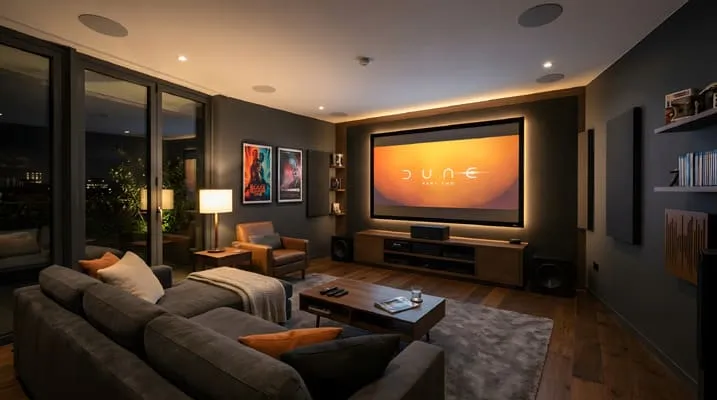
Interfaces should be intuitive, allowing users of all ages to navigate content effortlessly. Voice search and commands via Alexa simplify interaction and reduce reliance on remote controls.
Customizable playlists and subscriptions can be managed through connected devices, personalizing the viewing experience. Multi-user profiles support household diversity and privacy.
Designers should consider ergonomics and user behavior to facilitate natural, enjoyable engagement with YouTube content.
Alexa and Voice-Controlled Home Integration
Smart Home Connectivity with Alexa Devices
- Centralized control of lighting, climate, and security
- Integration with TV and audio streaming platforms
- Voice-activated multi-room audio management
- Custom routines for daily living enhancements
- Hands-free communication and intercom functions
Alexa serves as a hub for smart home automation, linking various entertainment and environmental systems. This enables effortless control and enhances the residential experience.
Designers must ensure device placement supports voice recognition while blending discreetly into interiors.
Optimizing Alexa Placement for Acoustic Performance
Positioning Alexa speakers centrally in rooms improves voice command responsiveness and sound dispersion. Avoiding obstructions and reflective surfaces helps maintain clarity.
Multiple devices can be synchronized for consistent coverage, facilitating seamless interaction throughout the home.
Integrating Alexa into existing architectural elements, such as built-in shelves or niches, preserves the calm and intentional atmosphere of modern interiors.
Privacy and Security Considerations
Voice-controlled devices raise concerns about data privacy. Ensuring secure network configurations and regular firmware updates mitigates risks.
Users should be informed about device settings and permissions, fostering transparent and responsible use.
Architectural design can incorporate discrete physical controls or mute options to enhance user confidence and comfort.
Seamless Integration of Multi-Media Systems
Combining TV, Radio, YouTube, and Alexa for Unified Control
Unified media systems allow users to switch effortlessly between TV broadcasts, radio stations, YouTube content, and Alexa commands. This harmonization simplifies daily routines and reduces technological barriers.
Centralized control panels or mobile apps enable intuitive operation, supporting a user-friendly environment.
Consistent design language across devices enhances visual cohesion and user familiarity.
Benefits of Multi-Media Synchronization
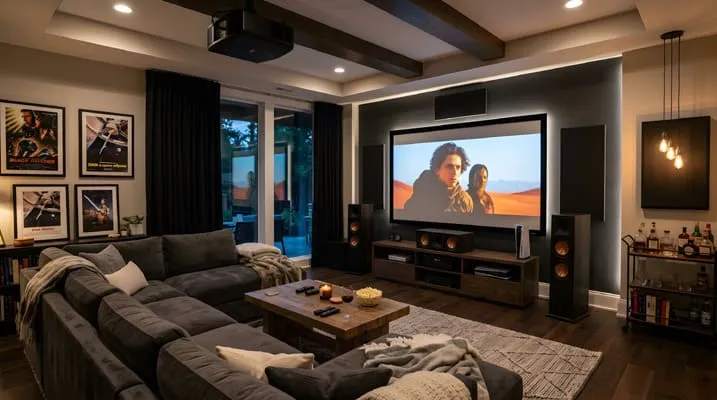
- Streamlined user experience
- Reduced clutter from multiple remotes
- Improved accessibility for all household members
- Enhanced audio consistency across rooms
- Energy savings through coordinated device management
Synchronization of media devices contributes to a more intentional and calm home environment, reinforcing the principles of slow and mindful living.
This integration also supports climate-aware operation by optimizing power use.
Challenges and Solutions in Multi-Media Integration
Compatibility issues between devices can complicate integration. Selecting interoperable brands and platforms mitigates these challenges.
Professional installation ensures proper wiring and setup, preventing performance degradation.
Ongoing support and updates maintain system functionality and user satisfaction.
| Device | Primary Function | Integration Capability |
|---|---|---|
| Smart TV | Video streaming and broadcast | Alexa, YouTube, Multi-room audio |
| Internet Radio | Audio streaming | Alexa, Wi-Fi, Multi-room |
| Alexa Speaker | Voice control and audio playback | Smart TV, Radio, YouTube |
Acoustic Design for Enhanced Audio Experience
Principles of Acoustic Treatment in Homes
- Minimize sound reflections with absorbent materials
- Use diffusers to distribute sound evenly
- Isolate rooms to prevent audio bleed
- Incorporate soft furnishings and textiles
Effective acoustic design enhances the clarity and richness of audio from TV, radio, YouTube, and Alexa devices. This contributes to a calm and intentional atmosphere aligned with architectural goals.
Understanding room dimensions and materials helps tailor acoustic treatments to individual spaces.
Material Selection for Climate and Sound Balance
Choosing materials that balance thermal insulation with sound absorption is critical in climate-aware homes. Natural fibers, cork, and recycled textiles offer sustainable options that support both goals.
These materials also contribute to the tactile and visual warmth of interiors, reinforcing human-centered design.
Integration of acoustic panels or ceiling clouds must respect architectural aesthetics and spatial harmony.
Implementing Acoustic Solutions in Multi-Use Spaces
Multi-use rooms require flexible acoustic strategies to accommodate various activities, from media consumption to conversation and relaxation.
Adjustable elements such as curtains, movable panels, or modular furniture allow dynamic sound control.
Designers should prioritize subtle, integrated solutions that maintain the calm, slow-living feel of the home.
| Acoustic Solution | Benefit | Climate Impact |
|---|---|---|
| Absorptive Panels | Reduces echo and reverberation | Improves thermal insulation |
| Diffusers | Balances sound distribution | Neutral impact |
| Soft Furnishings | Enhances warmth and comfort | Supports humidity regulation |
Future Trends in Home Audio and Smart Integration
Emerging Technologies in TV, Radio, YouTube, and Alexa
Advancements include AI-driven content recommendations, improved voice recognition, and enhanced spatial audio technologies. These innovations promise richer, more personalized experiences within homes.
Integration with augmented reality and IoT devices is expanding the possibilities for immersive environments.
Designers must stay informed to incorporate these trends effectively and sustainably.
Design Implications of Smart Audio Evolution
As devices become more compact and versatile, spatial planning must adapt to new configurations. Invisible speakers, flexible screen formats, and decentralized control points offer fresh design opportunities.
Climate-aware and human-centered principles guide the adoption of these technologies, ensuring comfort and environmental responsibility.
Slow integration paced by user needs promotes thoughtful technology use.
Preparing Homes for Next-Generation Media Consumption
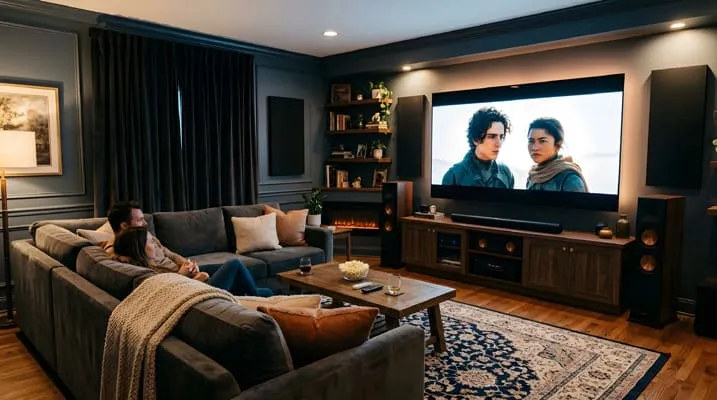
- Flexible infrastructure for device upgrades
- Enhanced network security and privacy controls
- Personalized acoustic environments
- Energy-efficient and sustainable hardware choices
Forward-thinking design anticipates evolving media habits and technological capabilities, creating resilient homes that adapt gracefully over time.
Balancing innovation with architectural integrity preserves the calm, intentional living experience.
The key for integration
Integrating TV, radio, YouTube, and Alexa into modern interior design requires a careful balance of technology, architecture, and human experience. Thoughtful placement, acoustic optimization, and seamless multi-media connectivity create living spaces that are both functional and serene. Climate awareness and slow-living principles ensure these systems support sustainable, comfortable homes.
By embracing expert strategies and emerging trends, homeowners and designers can craft environments where technology enhances daily life without overwhelming it. Reflecting on how these elements coexist encourages intentional design choices that respect both people and the planet.
Frequently Asked Questions (FAQ)
How Can I Hide Cables from My TV and Alexa Devices?
To maintain clean lines, use in-wall cable management systems or decorative conduits that match your interior finishes. Wireless devices help minimize cable clutter, and built-in cabinetry can conceal equipment effectively, preserving the calm aesthetic of your space.
Is It Possible to Integrate Radio with Smart Home Systems Like Alexa?
Yes, many modern radios support Wi-Fi and Bluetooth connectivity, allowing integration with Alexa and other voice assistants. This enables hands-free control and multi-room audio synchronization, enhancing convenience and user experience.
What Are the Acoustic Considerations When Installing Multiple Audio Devices?
It’s important to balance sound reflection and absorption using materials like cushions, curtains, and panels. Avoid placing speakers too close to corners and consider room size to prevent echo or muffled audio, ensuring clear and pleasant sound.
Can YouTube Content Be Streamed Directly Through Alexa Devices?
While Alexa devices primarily support audio streaming, some smart displays with Alexa integration can stream YouTube videos. For TVs and media players, Alexa can control playback and search content via voice commands, streamlining interaction.
How Do Climate-aware Designs Impact the Placement of Home Audio Systems?
Climate-aware designs emphasize energy efficiency and environmental comfort, influencing device placement to avoid heat sources and ensure proper ventilation. This protects equipment longevity and contributes to sustainable living without sacrificing audio quality.