
Choosing the right rug is essential in modern residential architecture, as it influences not only the aesthetics but also the spatial experience and comfort of a home. Understanding the various types of rugs, their sizes, price points, and where to purchase them can guide homeowners and architects in integrating these elements thoughtfully within contemporary living spaces.
Thank you for reading this post, don't forget to subscribe!Rugs serve functional and architectural roles, grounding spaces and defining zones without overwhelming the minimalist or climate-conscious design principles common in modern residences. Selecting the appropriate rug requires careful consideration of materials, dimensions, durability, and cost, all while aligning with the unique characteristics of the home’s architecture and environment.
This article explores the diverse types of rugs available, optimal sizing strategies, pricing factors, and reliable stores to source them. It aims to provide an architecturally informed, human-centered approach to choosing rugs that complement modern residential interiors.
Varieties of Rugs for Contemporary Homes
Natural Fiber Rugs: Sustainability Meets Style
Natural fiber rugs such as wool, jute, sisal, and cotton offer sustainable and durable options that align well with climate-aware design. Wool rugs, prized for their softness and resilience, bring warmth and insulation, ideal for cooler climates. Jute and sisal introduce organic textures and earth tones, enhancing the tactile quality of minimalist interiors. Cotton rugs, meanwhile, provide versatility and ease of maintenance, making them suitable for high-traffic areas.
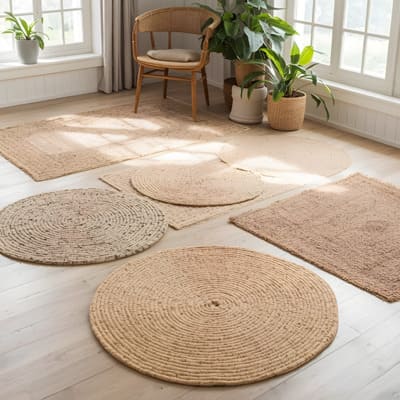
These materials are renewable and biodegradable, contributing to a slower, more intentional design philosophy.
Their breathability and natural resistance to dirt and stains improve ind oor air quality and longevity, essential factors in residential settings. Selecting natural fibers supports both environmental responsibility and human comfort.
When choosing natural fiber rugs, consider the weave density and pile height, which affect durability and cleaning ease. These factors also influence aesthetic integration with architectural elements like exposed wood or concrete floors, reinforcing a calm and grounded atmosphere.
Handwoven Vs. Machine-Made Rugs: Craftsmanship and Consistency
Handwoven rugs exhibit unique textures and patterns that reflect artisanal skill, offering bespoke quality that complements architectural intentionality. They often feature natural dyes and irregularities that add character and slow design narratives. Machine-made rugs, in contrast, provide uniformity, cost efficiency, and a wider range of sizes and patterns, appealing to projects with budget or timing constraints.
Understanding the differences helps in aligning the rug choice with the home’s spatial rhythm and user lifestyle. Handwoven pieces contribute to a tactile, human-centered design, while machine-made options support pragmatic needs without compromising on style.
Both types can be sourced from specialty stores or online retailers, but handwoven rugs typically require more careful handling and maintenance. Deciding between them depends on the desired balance between craftsmanship and functionality.
Innovative Materials: Blending Technology and Tradition
Modern rug manufacturing incorporates innovative materials such as recycled plastics, synthetic fibers, and blends that enhance durability and weather resistance. These options are particularly relevant in climate-aware homes where moisture, sunlight, or pets pose challenges. They also cater to international markets by combining local design sensibilities with global sustainability trends.
Synthetic rugs often mimic the appearance of natural fibers but offer superior stain resistance and UV protection, making them suitable for indoor-outdoor transitions. Blended rugs merge softness with performance, ideal for families or high-use areas where slow, intentional living meets practical demands.
Choosing innovative materials requires understanding their environmental impact, texture, and interaction with architectural surfaces, ensuring the rug integrates seamlessly without detracting from the residential design ethos.
Optimal Rug Sizes for Residential Architecture
Determining Rug Size by Room Function
- Living rooms: Large rugs that anchor seating arrangements
- Dining areas: Rugs extending beyond table and chair footprint
- Bedrooms: Rugs partially under the bed for softness on entry
- Hallways: Long, narrow runners defining circulation paths
- Entryways: Durable, medium-sized mats for welcoming
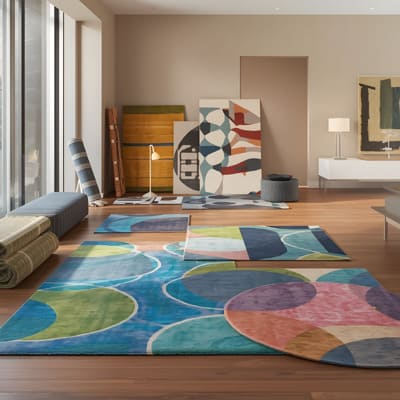
Choosing the correct rug size is crucial to balance scale and proportion within a room. Rugs that are too small can disrupt spatial harmony, while oversized rugs may overwhelm or obscure architectural details. Aligning rug dimensions with functional zones supports intentional design and user comfort.
Architects often recommend measuring furniture layouts before selecting rug size to ensure the piece enhances rather than competes with the spatial geometry. This practice fosters calm, purposeful environments where rugs complement rather than dominate.
Layering Rugs for Depth and Texture
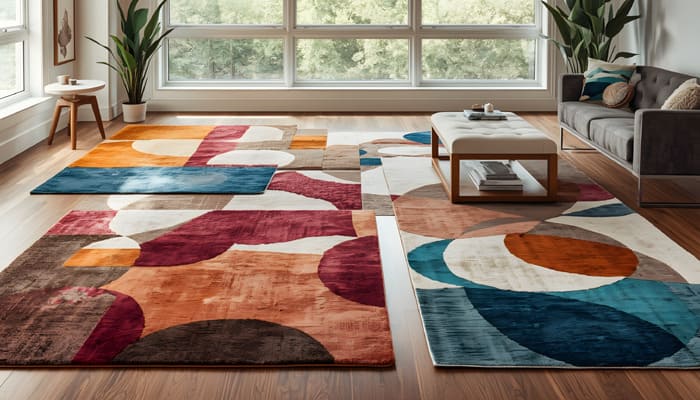
Layering smaller rugs over larger neutral bases introduces texture and interest without cluttering minimalist spaces. This technique allows personalization and seasonal variation while respecting the architectural flow. For example, a sisal base rug topped with a soft wool runner can delineate pathways or create cozy reading nooks.
Layering also accommodates varying floor materials, offering protection while enhancing comfort. It supports a slow design approach by enabling incremental updates rather than wholesale replacements.
Careful layering preserves visibility of flooring details such as hardwood grain or tile patterns, reinforcing the home’s architectural narrative. This method remains popular in international design trends where adaptability is valued.
Custom Rug Sizing: Tailored Solutions for Unique Spaces
Custom rugs provide precise fits for irregular or architecturally complex rooms, such as L-shaped living areas or vaulted ceilings with sloped walls.
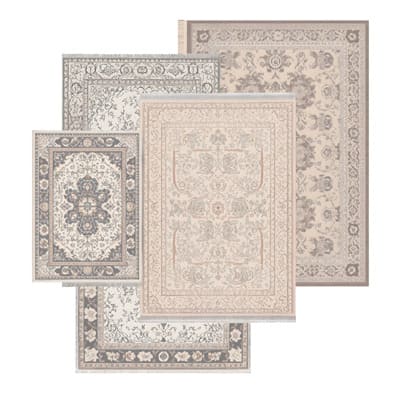
They enable integration with built-in furniture, staircases, or uniquely shaped floor plans, enhancing spatial coherence.
The commissioning process involves collaboration between designers, architects, and manufacturers to select materials, patterns, and dimensions that align with the home’s climate considerations and human usage patterns.
Though typically more costly, custom rugs yield long-term value by perfectly complementing the architectural intent and elevating residential comfort and style.
Price Factors Influencing Rug Selection
Material Quality and Craftsmanship
- Natural fibers generally command higher prices due to sourcing and durability
- Handwoven rugs often cost more for labor-intensive processes
- Innovative synthetic blends can vary widely based on technology
- Machine-made rugs offer budget-friendly options but with shorter lifespan
- Custom designs increase cost but enhance uniqueness and fit
Price reflects more than aesthetics; it encompasses longevity, environmental impact, and maintenance needs. Understanding these factors aids in making informed investments aligned with residential architectural values.
Architects advise clients to consider lifecycle costs rather than just initial price, ensuring rugs contribute to sustainable, slow design principles.
Retail Markups and Store Types
Different retail models influence rug pricing significantly. Specialty stores and galleries often feature higher markups but provide curated selections, expert advice, and provenance details. Big-box retailers and online marketplaces offer competitive pricing and convenience but may lack personalized service.
Stores located in design hubs or international centers may stock unique, limited-edition rugs reflecting global trends and craftsmanship, appealing to clients seeking architectural authenticity.
Awareness of retail pricing structures helps buyers balance cost, quality, and service expectations effectively.
Investment Value and Resale Potential
High-quality rugs, especially handwoven and antique pieces, can appreciate over time, becoming part of a home’s architectural heritage. Collectors and architects often view rugs as long-term investments enhancing property value and cultural capital.
Price fluctuations depend on rarity, condition, provenance, and market demand. Investing in durable, timeless designs aligns with a slow, intentional lifestyle approach.
Understanding resale potential encourages selecting rugs that remain relevant and valuable within evolving residential aesthetics and climates.
| Rug Type | Average Price Range | Durability |
|---|---|---|
| Wool (Handwoven) | $800 – $5,000+ | High |
| Jute/Sisal | $200 – $1,200 | Medium |
| Machine-Made Synthetic | $100 – $800 | Medium to High |
| Custom Rugs | $1,000 – $10,000+ | Varies |
Where to Purchase Rugs for Residential Projects
Specialty Rug Stores and Galleries
- Offer curated selections emphasizing craftsmanship and material quality
- Provide expert guidance on sizing, placement, and care
- Often carry exclusive or limited-edition collections
- Support sustainable and artisanal production methods
These stores serve architects and homeowners seeking rugs that enhance architectural narratives with authenticity and longevity. They also facilitate relationships with artisans and manufacturers for custom orders.
Locating specialty stores in design-focused cities can yield unique finds that align with international and climate-aware design principles.
Online Retailers and Marketplaces
The rise of e-commerce has expanded access to diverse rug styles, sizes, and prices worldwide. Reputable online platforms offer detailed product information, customer reviews, and flexible return policies making remote selection feasible.
However, the tactile experience is limited, so buyers should request samples or consult experts before purchasing. Online stores often provide filters for material, size, and price to streamline decision-making.
Many online retailers emphasize eco-friendly products and transparent sourcing, supporting responsible consumerism in global markets.
Local Artisans and Custom Workshops
Engaging local artisans offers personalized rug solutions that reflect regional materials and craftsmanship traditions. This approach supports local economies and reduces environmental impact from shipping.
Custom workshops enable collaboration on design, ensuring rugs complement architectural features and occupant needs precisely. This aligns with human-centered design and slow living philosophies.
Direct relationships with artisans also facilitate maintenance and restoration over the rug’s lifecycle, sustaining quality and value.
| Store Type | Advantages | Considerations |
|---|---|---|
| Specialty Stores | High-quality, expert advice, curated selection | Higher prices, limited locations |
| Online Retailers | Wide selection, convenience, competitive pricing | Limited tactile experience, shipping times |
| Local Artisans | Customization, sustainability, cultural authenticity | Longer lead times, variable pricing |
Integrating Rug Size with Architectural Space
Proportion and Scale in Modern Interiors
Rug size should enhance the scale of architectural elements such as ceiling height, window dimensions, and floor area. Oversized rugs can unify open-plan spaces, while smaller rugs punctuate intimate zones.
Architectural balance is achieved when rugs harmonize with furniture scale and circulation patterns, maintaining calm and intentional spatial flows.
Using floor plans and 3D modeling tools helps visualize volume relationships before selecting rug dimensions.
Climate Considerations and Material Performance
In warmer climates, lighter, breathable rugs minimize heat retention, while in cooler zones, thicker, insulating rugs improve comfort. Size influences thermal performance by covering more or less floor area, affecting indoor climate control.
Material choice combined with size impacts durability against humidity, sunlight, and wear. Natural fibers excel in temperate environments; synthetics suit harsher conditions.
Architects must integrate these factors to sustain human comfort and preserve architectural intent across diverse climates.
Rug Placement and Spatial Flow
Strategic rug placement delineates functional areas without erecting physical barriers, preserving open sightlines and enhancing human interaction. Size determines how well a rug defines zones such as seating, dining, or circulation.
Properly sized rugs anchor furniture arrangements, prevent tripping hazards, and contribute to acoustic dampening, supporting calm and intentional residences.
Consideration of traffic patterns ensures rug edges do not interfere with door swings or pathways, maintaining slow, purposeful living environments.
Designing with Price and Quality in Mind
Balancing Budget with Long-Term Value
- Prioritize durable materials for high-use areas
- Invest in timeless designs to avoid frequent replacements
- Consider custom options for architectural harmony
- Leverage sales and off-season discounts judiciously
- Factor in maintenance costs alongside purchase price
Budget-conscious design does not mean compromising quality. Instead, it requires strategic selection emphasizing longevity and architectural integration.
Smart purchasing decisions align with slow design values, reducing waste and enhancing residential comfort over time.
Comparing Rug Types by Price and Performance
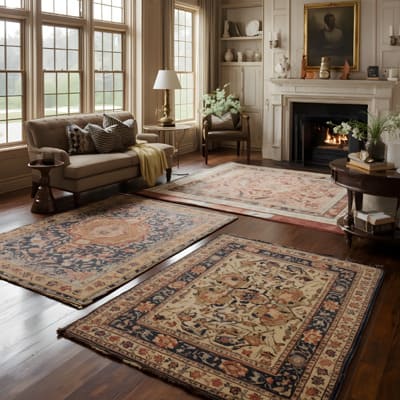
Expensive rugs often feature superior craftsmanship and materials but evaluating price against expected lifespan and environmental impact is vital.
Mid-range options may offer adequate durability for less trafficked spaces, while budget rugs suit temporary or decorative functions.
Architects advise clients to analyze total cost of ownership, including cleaning and potential replacement frequency, to optimize investment.
Price-performance balance supports human-centered design by ensuring practical comfort without sacrificing aesthetics.
Maintenance and Care Costs
Rugs with natural fibers or intricate weaves may require professional cleaning, increasing lifetime expenses. Synthetic rugs typically allow easier maintenance with lower costs.
Size affects cleaning difficulty and frequency; larger rugs may demand specialized services, while smaller rugs are easier to clean at home.
Understanding ongoing care requirements helps homeowners select rugs aligned with their lifestyle and architectural priorities.
| Rug Type | Price Range | Maintenance Needs |
|---|---|---|
| Handwoven Wool | High | Professional cleaning recommended |
| Sisal/Jute | Medium | Regular vacuuming, avoid moisture |
| Machine-Made Synthetic | Low to Medium | Easy cleaning, stain resistant |
Shopping Tips for Rug Stores and Online Platforms
Evaluating Store Credibility and Product Authenticity
- Check for transparent material sourcing and craftsmanship details
- Read customer reviews and testimonials
- Confirm return policies and guarantees
- Verify certifications for sustainable or fair-trade products
- Visit physical stores when possible to assess texture and color
Reliable stores build trust through transparency, ethical practices, and customer service, essential for significant architectural investments.
Authenticity ensures the rug’s quality aligns with promised durability and aesthetic standards.
Comparing Prices and Shipping Conditions
Compare prices across multiple retailers, including hidden costs like shipping or customs duties. Some online stores offer free shipping or expedited options, important for project timelines.
Check packaging and delivery conditions to avoid damage, particularly for handwoven or custom pieces.
Architects recommend budgeting for shipping and insurance when ordering from international stores to safeguard investments.
Utilizing Samples and Visualization Tools
Request fabric or color samples to evaluate rug texture and palette in the actual home environment under natural light. Many online retailers provide virtual room visualizers to preview rug placement and scale.
These tools reduce uncertainty and enhance decision-making aligned with architectural intent and user preferences.
Involving clients in sample review fosters collaboration and ensures human-centered outcomes.
All rugs
Choosing the right types of rugs, size, price, and store is a multifaceted process that requires architectural insight and human-centered considerations. Rugs are not merely decorative elements but integral components that shape spatial experience, comfort, and sustainability in modern residential design.
By understanding material qualities, sizing strategies, pricing dynamics, and sourcing options, homeowners and architects can make intentional choices that complement architectural principles and support a calm, climate-aware lifestyle. Thoughtful rug selection enriches the home’s character while fostering slow, purposeful living.
Frequently Asked Questions (FAQ)
What Are the Best Types of Rugs for High-traffic Residential Areas?
Durable materials like wool and synthetic fibers are ideal for high-traffic areas due to their resilience and stain resistance. Low-pile rugs with tight weaves also perform well, balancing comfort and longevity in frequently used spaces.
How Do I Determine the Right Rug Size for My Living Room?
Measure your furniture layout and ensure the rug is large enough to anchor key pieces, such as sofas and chairs. Typically, all front legs of furniture should rest on the rug for balance and spatial cohesion.
Are Handwoven Rugs Worth the Investment Compared to Machine-made Ones?
Handwoven rugs offer unique craftsmanship, durability, and aesthetic value, often becoming heirlooms. While more expensive, they align with slow design principles and can appreciate over time, making them worthwhile for many homeowners.
Where Can I Find Sustainable Rugs That Align with Climate-conscious Design?
Specialty stores, artisan workshops, and select online retailers offer sustainable rugs made from natural or recycled fibers. Look for certifications and transparent sourcing to ensure alignment with environmental values.
What Maintenance is Required for Natural Fiber Rugs?
Natural fiber rugs need regular vacuuming, prompt stain treatment, and occasional professional cleaning. Avoid moisture exposure to prevent mold or damage, and rotate rugs periodically to ensure even wear.
For further reading on sustainable textile choices, visit the Canadian Fibers Institute and The Rug Foundation.