
The desert rose, a captivating succulent known for its sculptural form and resilience, has become an essential element in residential landscaping. Its variety of forms and adaptability to different climates make it a versatile choice for homeowners seeking a unique, low-maintenance plant. Understanding desert rose varieties, types, and climates is crucial for designing landscapes that are both beautiful and sustainable.
Thank you for reading this post, don't forget to subscribe!In arid and semi-arid regions, the desert rose thrives where water conservation is paramount. However, selecting the right type and accommodating its climatic needs remains a challenge for many. This knowledge gap often results in underwhelming growth or plant loss, undermining the potential of this architectural specimen.
This article explores the diversity of desert rose varieties, their specific climatic preferences, and how to integrate them thoughtfully into residential landscapes. By addressing these points, homeowners and designers can create calm, intentional spaces that celebrate the natural beauty of the desert rose.
Exploring Desert Rose Varieties for Residential Use
Common Species and Their Distinct Features
The desert rose typically refers to members of the Adenium genus, with Adenium obesum being the most prevalent species used in landscaping. This species is prized for its swollen caudex and vibrant flowers. Other species offer variations in size, flower color, and growth habits, allowing for tailored residential design solutions.
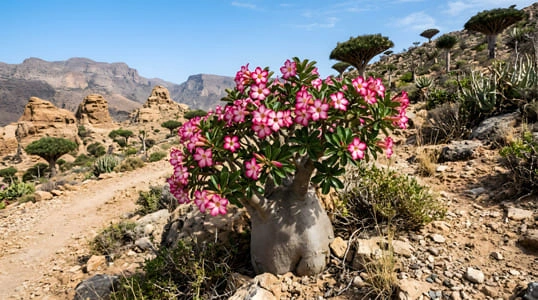
Each variety possesses unique architectural qualities that influence placement and care. For example, some exhibit a more compact form suitable for container gardening, while others develop expansive branches that create striking focal points.
Understanding these distinctions guides homeowners in selecting varieties that complement their outdoor living spaces while meeting environmental constraints.
Hybrid Varieties and Cultivation Advances
Recent horticultural advances have introduced hybrid desert rose varieties with enhanced flower colors and improved drought tolerance. These hybrids expand the palette available to landscape architects and gardeners, offering deeper reds, pinks, and bi-color blooms.
Hybridization efforts also focus on improving disease resistance and growth rates, making these plants more viable in diverse climates. Cultivars such as ‘Socotra’ and ‘Desert Star’ demonstrate these improvements, combining aesthetic appeal with robustness.
Careful selection of hybrids can address specific residential needs, ensuring long-term landscape success.
Maintenance Requirements Across Varieties
- Watering frequency and drought tolerance
- Pruning for shape and health
- Soil and drainage preferences
- Pest and disease susceptibility
- Sunlight exposure needs
Maintenance varies widely among desert rose varieties. Some require minimal watering once established, while others benefit from seasonal irrigation. Pruning is essential to maintain their sculptural shape and prevent woody overgrowth.
Choosing a variety with compatible maintenance requirements ensures harmony between the plant’s needs and the homeowner’s capacity to provide care.
Understanding Types of Desert Rose for Climate Adaptability
Succulent Form and Growth Patterns
Desert roses are succulents characterized by thick, water-storing stems and roots, enabling survival in harsh environments. Their growth patterns vary from shrub-like to tree forms, with some types developing prominent caudexes that serve as water reservoirs.
This structural adaptation not only defines their aesthetic but also informs their placement in residential landscapes. Taller varieties can serve as shade providers, while smaller types contribute to rock garden compositions.
Recognizing these growth habits allows for more intentional design strategies that align with climate conditions.
Climate Zones Suitable for Each Type
- USDA Zones 9-11: Ideal for most desert rose types
- Subtropical regions with mild winters
- Arid and semi-arid zones with minimal frost
- Indoor cultivation in cooler climates
- Greenhouse protection for temperate zones
Desert roses flourish mainly in warm climates with minimal frost risk.
Their tolerance to heat and drought makes them ideal for USDA zones 9 through 11. In more temperate areas, indoor cultivation or greenhouse protection is necessary to maintain health during colder months.
Choosing the right type for the local climate maximizes plant longevity and reduces maintenance challenges.
Adaptations to Extreme Weather Conditions
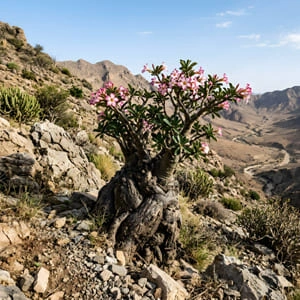
Some desert rose types have evolved to withstand extreme temperatures and prolonged droughts. Their thickened stems and deep root systems enable efficient water storage and uptake, critical in desert climates.
These adaptations also make them resilient to sudden weather changes, such as heatwaves or dry spells, common in arid regions. However, excessive moisture or freezing temperatures can be detrimental.
Understanding these survival traits aids in landscape planning and mitigates risks associated with climatic stress.
| Desert Rose Type | Optimal Climate | Key Adaptation |
|---|---|---|
| Adenium obesum | USDA Zones 10-11, arid | Caudex water storage |
| Adenium arabicum | Subtropical, warm winters | Thick bark for heat resistance |
| Hybrid varieties | Wide range with greenhouse care | Enhanced flower colors |
Climatic Considerations for Desert Rose Landscaping
Temperature and Sunlight Requirements
Desert roses require abundant sunlight, ideally six hours or more daily, to thrive and bloom profusely. They prefer daytime temperatures between 70°F and 100°F, with cooler nights to simulate natural desert conditions.
Exposure to full sun not only supports photosynthesis but also encourages compact growth and vibrant flower production, integral to their sculptural appeal.
Inadequate light or temperature extremes can lead to etiolation or dormancy, diminishing their landscape impact.
Watering Strategies Based on Climate
- Minimal watering during dormant winter months
- Increased irrigation during active growth seasons
- Use of well-draining soil to prevent root rot
- Rainwater harvesting to supplement irrigation
- Mulching for moisture retention in hot climates
- Adjustment for humidity levels
Water management is critical in desert rose care. Overwatering is a common mistake that leads to root rot, especially in humid or cooler climates. Employing drought-conscious strategies aligned with seasonal growth phases ensures plant health.
Integrating climate-aware irrigation schedules promotes sustainable water use and supports the plant’s longevity.
Microclimate Influence on Plant Health
Microclimates within residential landscapes impact desert rose performance significantly. Factors such as wind exposure, shade from buildings, and proximity to heat-retaining surfaces alter temperature and moisture levels.
Strategic placement to protect from harsh winds or frost pockets while maximizing sun exposure enhances survival rates. Additionally, using landscape elements like stone walls or gravel beds can create favorable microclimates.
Architectural awareness of these nuances leads to more resilient and visually striking desert rose installations.
Designing with Desert Rose Varieties in Mind
Integrating Sculptural Forms Into Outdoor Spaces
- Use as focal points in minimalist xeriscapes
- Combination with drought-tolerant groundcovers
- Placement near patios and seating areas for visual interest
- Grouping for layered textures and heights
- Incorporation into container gardens for flexibility
- Creating contrast with smooth stone or wood elements
- Highlighting natural form with subtle lighting
The desert rose’s sculptural qualities make it an ideal architectural element in residential gardens. Its form commands attention without overwhelming the space, promoting a calm, intentional aesthetic.
Designers can exploit the plant’s natural lines and textures to complement hardscape materials and create harmonious outdoor environments that respect local climate and lifestyle needs.
Using Color Variations for Seasonal Interest
Flower color diversity among desert rose varieties offers a natural palette for seasonal landscape activation..
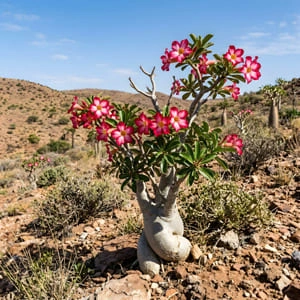
Bright reds, pinks, and whites can punctuate neutral desert tones, enlivening the garden during blooming periods.
Selecting complementary plantings that echo or contrast these colors enhances visual depth and rhythm, key to slow, intentional design approaches.
Color planning also considers bloom duration and timing, ensuring continuous interest throughout the growing season
Balancing Functionality and Aesthetics
Beyond beauty, desert roses provide functional benefits such as erosion control on slopes and habitat for pollinators. Their low water requirements align with sustainable landscaping goals, reducing maintenance and resource use.
In residential settings, these plants can define pathways, frame entryways, or serve as natural barriers, integrating seamlessly into daily living patterns.
Balancing these functional roles with their sculptural presence is essential for a climate-aware, human-centered landscape design.
| Design Element | Benefit | Considerations |
|---|---|---|
| Focal Point Placement | Visual anchor in garden | Requires sun and space |
| Container Gardening | Mobility and control | Needs well-drained soil |
| Group Planting | Textural complexity | Water balance management |
Soil and Water Management for Desert Rose Types
Ideal Soil Composition and Drainage
Desert roses require well-draining, sandy or rocky soils to prevent water retention that causes root rot. Amending native soil with coarse sand or perlite improves aeration and drainage, replicating desert substrate conditions.
Soil pH should ideally be neutral to slightly acidic to support nutrient uptake. Avoiding heavy clay soils is critical for plant health.
Proper soil preparation enhances root development and overall vigor, foundational to successful landscaping.
Irrigation Techniques for Varied Climates
- Drip irrigation for precise water delivery
- Scheduling based on seasonal growth cycles
- Adjustments for rainfall and humidity
- Mulching to reduce evaporation
Implementing efficient irrigation systems tailored to desert rose needs conserves water while maintaining optimal soil moisture. Drip irrigation minimizes waste and targets root zones effectively.
Incorporating sensors or timers aligned with local climate data further refines watering practices, supporting sustainable residential landscapes.
Nutrient Management and Fertilization
Although desert roses thrive in nutrient-poor soils, periodic fertilization encourages robust flowering and growth. Balanced fertilizers with a focus on phosphorus and potassium promote blooming and root strength.
Organic amendments like compost can improve soil texture and microbial health without overfeeding the plant.
Understanding the nutritional requirements of different varieties ensures tailored care that respects the plant’s natural adaptations.
Challenges in Growing Desert Rose Across Climates
Common Diseases and Pest Management
Desert roses are susceptible to fungal infections such as root rot and stem blight, often exacerbated by poor drainage or overwatering. Pests including aphids, spider mites, and mealybugs can also affect plant health.
Integrated pest management strategies emphasize cultural controls, such as proper watering and sanitation, alongside targeted biological or chemical treatments when necessary.
Regular monitoring and prompt action are essential to maintaining healthy specimens in residential settings.
Climate-Related Stress Factors
- Frost damage in colder zones
- Heat stress during extreme summer days
- Humidity-induced fungal growth
- Wind desiccation effects
- Water availability fluctuations
Adverse climatic factors can stunt growth or cause plant loss. Protective measures like frost cloths, shading, or windbreaks help mitigate these effects.
Designers and homeowners must anticipate these stressors and plan accordingly to ensure the desert rose’s resilience.
Adaptive Strategies for Residential Landscapes
Successful desert rose cultivation in varying climates demands adaptive strategies such as selecting appropriate varieties, modifying microclimates, and adjusting care routines seasonally.
Employing raised beds or containers allows better control over soil and water conditions. Additionally, integrating companion plants that share similar environmental needs can improve overall landscape health.
These interventions uphold the balance between aesthetic intent and environmental realities.
Environmental Benefits of Desert Rose Landscaping
Water Conservation and Drought Resistance
Desert roses contribute significantly to water-wise landscaping by thriving on minimal irrigation. Their succulent nature enables efficient water storage, reducing dependency on supplemental watering.
In regions facing water scarcity, incorporating desert rose varieties aligns with sustainable design principles, promoting resilience in residential gardens.
This makes them exemplary models for future-focused landscape architecture.
Supporting Biodiversity in Urban Areas
- Providing nectar for pollinators
- Offering shelter for beneficial insects
- Enhancing plant diversity in arid zones
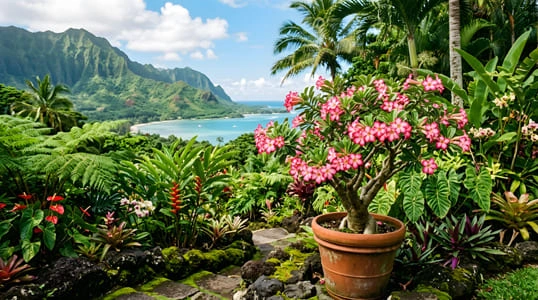
Beyond aesthetics, desert roses support local ecosystems by attracting bees, butterflies, and other pollinators. Their presence enriches urban biodiversity, contributing to ecological balance.
Incorporating these plants encourages a more connected and healthy urban environment.
Carbon Footprint and Soil Health Impact
Low-maintenance and drought-tolerant, desert roses reduce the carbon footprint associated with frequent landscaping interventions. Their root systems improve soil stability, reducing erosion and promoting healthier substrates.
By minimizing water use and chemical inputs, these plants support environmentally responsible gardening practices.
Integrating desert rose varieties into residential landscapes aligns with broader sustainability goals.
Types of Desert rose
Desert rose varieties, types, and climates present a complex yet rewarding opportunity for residential landscape design. Their sculptural beauty combined with climate adaptability makes them invaluable assets in sustainable, intentional gardens. Understanding their diverse forms and environmental needs ensures successful integration into various residential settings.
By embracing these principles, homeowners and designers can cultivate landscapes that are not only visually compelling but also resilient and ecologically sound. The desert rose stands as a testament to thoughtful design harmonizing nature and architecture.
Frequently Asked Questions (FAQ)
What Are the Most Common Desert Rose Varieties for Home Gardens?
The most common species is Adenium obesum, known for its swollen caudex and vibrant flowers. Hybrids with enhanced colors and growth traits are increasingly popular, offering diverse options for residential landscapes.
Can Desert Roses Survive in Colder Climates?
Desert roses prefer USDA zones 9-11 and are sensitive to frost. In colder regions, they require indoor cultivation or greenhouse protection to survive winter months and avoid damage.
How Often Should I Water My Desert Rose?
Watering frequency depends on climate and season. Generally, desert roses need minimal watering during dormant periods and moderate irrigation during active growth, always ensuring well-draining soil to prevent root rot.
What Soil Type is Best for Desert Rose Plants?
Desert roses thrive in sandy or rocky soils with excellent drainage. Soil amendments like coarse sand or perlite improve aeration, preventing waterlogging and supporting healthy root development.
Are Desert Roses Beneficial for Local Ecosystems?
Yes, desert roses attract pollinators such as bees and butterflies and provide shelter for beneficial insects, enhancing biodiversity and supporting urban ecological health.
For more detailed horticultural information, visit the USDA Plant Database or the Arid Plants Research Institute.