
Refurbishment, renew, and restore are essential concepts in interior design that focus on enhancing residential spaces thoughtfully and sustainably. These approaches prioritize preserving architectural integrity while updating a home to better suit the modern lifestyle, climate considerations, and human needs. Understanding how to effectively implement these strategies can transform outdated interiors into calm, intentional environments that feel both timeless and functional.
Thank you for reading this post, don't forget to subscribe!The challenge often lies in avoiding common mistakes that compromise the quality and coherence of refurbishment projects. Many homeowners rush through updates without considering the long-term impact on spatial harmony, energy efficiency, or material longevity. This article explores key interior design errors related to refurbishment, renewal, and restoration, and offers practical solutions rooted in architectural expertise and mindful living.
From planning to execution, we will cover seven main areas where pitfalls occur and demonstrate how to correct them. Each section delves into a variation of our focus keywords, providing rich insights and actionable advice for anyone aiming to elevate their living space through thoughtful refurbishment, renewal, or restoration.
Understanding Refurbishment: Foundations for Thoughtful Renewal
What Refurbishment Means in Residential Design
Refurbishment involves updating and improving existing residential interiors without complete demolition. It focuses on enhancing functionality, comfort, and aesthetics while maintaining the core architectural elements. This approach reflects an awareness of a building’s history and its current context, combining preservation with innovation.
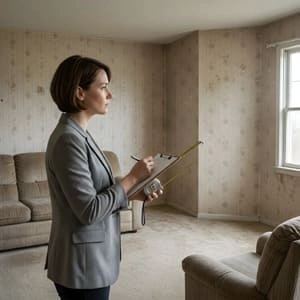
Emphasizing refurbishment allows homeowners to renew their living spaces gradually and intentionally.
By choosing refurbishment, the environmental impact is minimized since fewer materials are discarded or replaced.
It also encourages a slower, more human-centered design process, where the lived experience of the residents guides decisions.
This method respects the natural aging of materials and values craftsmanship, connecting the past with the present.
In practice, refurbishment can address issues such as outdated layouts, inefficient insulation, or worn finishes. It requires a thoughtful evaluation of what to keep, what to improve, and how to integrate new elements seamlessly. This foundation supports sustainable and climate-aware design principles, making refurbishment a strategic choice for modern interiors.
Key Principles of Effective Renewal
Renewal in interior design is about breathing new life into existing spaces by updating them with purpose. Unlike superficial makeovers, true renewal aligns with the architectural character of the home and the rhythms of daily life. It involves careful material selection, spatial reconfiguration, and lighting improvements that prioritize wellbeing and environmental responsiveness.
Architects and designers approach renewal by first analyzing the building’s structural and environmental context.
This includes understanding natural light patterns, ventilation, and thermal performance.
The goal is to enhance these natural assets while reducing reliance on artificial systems.
Renewal also incorporates flexible design elements that adapt to changing family needs, making the home resilient over time.

Importantly, renewal is not about rapid trends but rather about timelessness and intentionality. It encourages slow design, where each intervention is meaningful and connected to the occupants’ lifestyle. This mindset helps avoid common pitfalls like over-decoration or ignoring spatial flow, leading to interiors that feel calm and purposeful.
Common Pitfalls in Restoration Projects
Restoration aims to return a space to its original condition or dignity, often preserving historic or architectural significance. However, mistakes can arise when the process becomes too rigid or decorative, ignoring modern living requirements or climate concerns. Over-restoration may lead to spaces that look pristine but feel impractical or sterile.

Another common issue is improper material matching, where replacements do not blend well with original elements, creating visual dissonance.
Neglecting energy efficiency upgrades during restoration also undermines sustainability goals.
Lastly, failing to engage occupants in the design process can result in spaces that do not support real-life use, defeating the purpose of restoration.
Successful restoration requires balancing authenticity with functionality, respecting the building’s story while ensuring comfort and adaptability. This balance demands architectural insight and a human-centered approach, allowing restoration to be a living, evolving process rather than a static reproduction.
Renewal Strategies: Enhancing Functionality and Comfort
Integrating Sustainable Materials and Methods
- Use locally sourced, low-impact materials to reduce carbon footprint.
- Incorporate natural insulation like cork or sheep wool for improved thermal performance.
- Choose finishes with low volatile organic compounds (VOCs) to improve indoor air quality.
- Implement water-saving fixtures and energy-efficient appliances.
- Reuse or refurbish existing elements whenever possible to minimize waste.
Sustainability is a cornerstone of effective renewal, ensuring that upgrades benefit both the environment and the occupants. Selecting eco-friendly materials and construction methods not only reduces environmental harm but also enhances the health and comfort of the home over time.
These strategies foster a deeper connection between the residents and their living environment, promoting a slower, more mindful way of inhabiting the space. Moreover, sustainable renewal can increase property value while contributing to global climate goals.
Optimizing Spatial Layout for Modern Living
Renewal offers a unique opportunity to rethink spatial configurations to better align with current lifestyle patterns.
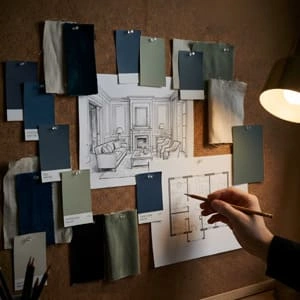
Open-plan designs, multifunctional rooms, and improved circulation paths enhance usability and natural light distribution. Architects emphasize flow and proportion to create balanced interiors that support daily activities smoothly.
Attention to spatial ergonomics ensures that furniture placement, storage, and access points serve practical needs without sacrificing aesthetic coherence.
Incorporating flexible elements like sliding partitions or modular furniture allows spaces to adapt over time, accommodating evolving family dynamics or work-from-home scenarios.
By focusing on spatial optimization, renewal transcends mere decoration and becomes a tool for improving quality of life. This approach respects the home as a living organism, responsive to its inhabitants.
Balancing Aesthetics with Practicality
Effective renewal harmonizes beauty with functionality, ensuring that design choices serve both visual appeal and everyday use. This balance avoids common mistakes like prioritizing trendy finishes over durability or ignoring maintenance considerations. Selecting timeless colors, textures, and materials supports long-term satisfaction.
Architects recommend integrating natural elements and subtle textures to evoke warmth and calm without overwhelming the senses.
Lighting design also plays a crucial role, combining ambient, task, and accent lighting to enhance atmosphere and usability.
Practical details such as durable flooring, accessible switches, and efficient storage contribute to a cohesive and user-friendly interior.

Ultimately, balancing aesthetics and practicality fosters spaces that feel intentional and human-centered, guiding occupants toward comfort and ease.
| Renewal Strategy | Benefits | Considerations |
|---|---|---|
| Sustainable Materials | Eco-friendly, Healthier indoor air | Cost, Availability |
| Optimized Layout | Functionality, Flexibility | Structural constraints |
| Aesthetic-Practical Balance | Timelessness, User comfort | Material durability |
Restoration Techniques: Preserving Character with Modern Needs
Assessing Architectural Integrity
Restoration begins with a thorough assessment of a building’s architectural features and structural soundness. Understanding the original design intent and materials used is crucial to preserving character. This process often involves historical research and physical examination to identify areas needing repair or reinforcement.
Maintaining architectural integrity requires prioritizing original craftsmanship and design elements. This may include restoring moldings, windows, or flooring to their authentic state while integrating subtle modern enhancements. The goal is to respect the building’s heritage without hindering contemporary functionality.
Skilled professionals usually collaborate with preservation societies or regulatory bodies to ensure compliance with guidelines and standards, safeguarding the building’s legacy.
Incorporating Climate-Aware Upgrades
- Improve insulation discreetly to maintain original aesthetics.
- Install energy-efficient glazing compatible with historic windows.
- Integrate passive ventilation strategies to reduce HVAC needs.
- Use renewable energy sources like solar panels sensitively placed.
- Employ moisture control techniques to protect materials.
Modern restoration must address climate challenges to improve comfort and sustainability. Upgrading energy performance while preserving historic details demands innovative solutions. These climate-aware interventions extend the building’s lifespan and reduce environmental impact.
By blending old and new thoughtfully, restoration projects achieve resilience without compromising authenticity.
Addressing Common Restoration Challenges
Restoration projects often encounter challenges such as hidden structural damage, material incompatibility, and regulatory restrictions.
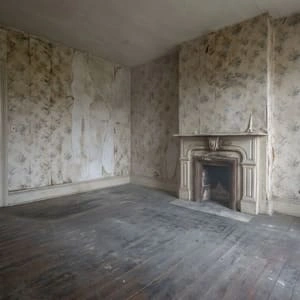
Budget limitations can also impact the scope and quality of interventions. These obstacles require careful planning, skilled craftsmanship, and sometimes creative problem-solving.
Another challenge is balancing preservation with occupant needs, ensuring that restored spaces accommodate modern lifestyles comfortably.
This may involve discreetly integrating technology or updating layouts while retaining historic charm. Communication between clients, architects, and contractors is key to navigating these complexities successfully.
Ultimately, overcoming these challenges leads to meaningful spaces that honor the past and embrace the future.
| Restoration Challenge | Typical Issue | Solution Approach |
|---|---|---|
| Structural Damage | Hidden rot or decay | Detailed inspections, selective repairs |
| Material Compatibility | New vs. old materials | Matching or sympathetic materials |
| Regulatory Compliance | Preservation rules | Collaboration with authorities |
Refurbishment Planning: From Concept to Execution
Setting Clear Objectives and Scope
- Define the primary goals: energy efficiency, aesthetics, functionality.
- Identify budget constraints and timeline expectations.
- Assess existing conditions and prioritize interventions.
- Engage stakeholders early to align vision and needs.
- Plan for contingencies and unexpected findings.
Successful refurbishment begins with detailed planning that clarifies what the project aims to achieve. Establishing clear objectives ensures focused decision-making throughout. A well-defined scope helps avoid scope creep and keeps the renovation intentional and manageable.
Collaborative planning also reduces the risk of miscommunication and enhances project outcomes. This phase sets the foundation for a calm, deliberate refurbishment process aligned with architectural integrity and human-centered values.
Choosing the Right Professionals
Selecting architects, designers, and contractors experienced in refurbishment, renewal, and restoration is vital. These professionals understand the nuances of working with existing structures and materials, balancing preservation with innovation. Their expertise helps navigate technical, regulatory, and aesthetic challenges effectively.
Clients should seek collaborators who communicate transparently and respect the home’s history and occupant needs. A team aligned in vision contributes to a smoother process and higher-quality results. References, portfolios, and clear contracts support informed decisions.
Ultimately, the right professionals empower homeowners to realize a calm, intentional, and sustainable refurbishment.
Managing Timelines and Budgets
Refurbishment projects often encounter delays and unexpected costs due to the complexity of working with existing structures. Realistic timeline estimation and budget management are crucial to maintaining project momentum and avoiding frustration. Phased approaches can help spread costs and allow for adjustments.
Regular monitoring, transparent reporting, and contingency funds prepare homeowners for surprises. Effective communication among all parties ensures timely decision-making and problem resolution. This proactive management supports a deliberate, slow design process that values quality over speed.
Balancing cost, time, and quality leads to successful refurbishment outcomes that respect the home and its inhabitants.
Renewal Materials: Selecting for Durability and Grace
Natural Vs. Engineered Materials
- Natural materials like wood, stone, and clay provide warmth and authenticity.
- Engineered materials offer consistency, durability, and often enhanced performance.
- Blending both can optimize aesthetics and functionality.
- Consider lifecycle impact and maintenance needs.
- Choose materials with certifications for sustainability.
Material selection is a critical aspect of renewal that affects the interior’s atmosphere and longevity. Natural materials connect occupants to nature and age gracefully, while engineered options bring technical advantages. Architects recommend thoughtful combinations tailored to each space’s demands.
Material choices influence not only appearance but also indoor air quality, thermal comfort, and acoustic performance. Prioritizing durability reduces the need for frequent replacements, aligning with slow, intentional design philosophies.
Finishes That Support Calm and Intention
Finishes set the tone for interiors, contributing to a sense of calm and deliberateness. Matte, muted surfaces reduce glare and visual noise, while textures add subtle depth without distraction. Neutral color palettes grounded in natural hues enhance timelessness and versatility.
Architecturally, finishes should complement spatial proportions and lighting conditions. Sustainable finishes with low emissions promote health and comfort. Avoiding overly decorative or trendy treatments preserves the home’s serenity and adaptability.
Thoughtful finish selection supports the overarching goals of refurbishment, renewing interiors that nurture wellbeing and connection.
Enhancing Energy Efficiency Through Material Choice
Materials influence a building’s thermal performance and energy consumption. High-performance insulation, reflective surfaces, and airtight seals contribute to reducing heating and cooling loads. Incorporating phase-change materials or thermal mass elements can stabilize indoor temperatures naturally.
Renewal that integrates energy-efficient materials supports climate-aware living without sacrificing architectural character. This approach reduces utility costs and environmental impact while enhancing occupant comfort. Combining traditional knowledge with modern innovations creates resilient and responsive interiors.
Ultimately, material choices play a pivotal role in creating homes that endure and adapt gracefully.
| Material Type | Advantages | Considerations |
|---|---|---|
| Natural Wood | Warmth, Biodegradable | Maintenance, Moisture sensitivity |
| Engineered Stone | Durability, Uniformity | Production footprint |
| Recycled Metals | Strength, Recyclability | Cost, Thermal conductivity |
Restoration Impact: Long-Term Benefits for Home and Environment
Preserving Cultural and Architectural Heritage
Restoration protects the unique identity of buildings, preserving cultural narratives embedded in architecture. This process fosters community pride and continuity across generations.
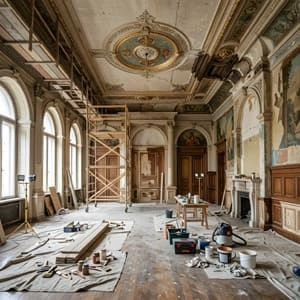
Maintaining original craftsmanship and design details supports historical education and architectural diversity.
Architectural heritage preservation also attracts thoughtful investment and tourism, creating broader economic and social benefits. It encourages environmentally responsible practices by extending a building’s lifecycle, reducing demolition waste, and conserving material resources.
In this way, restoration transcends aesthetics, contributing to sustainable cultural ecosystems.
Enhancing Property Value and Market Appeal
- Restored homes often command higher resale values due to unique character.
- Energy-efficient upgrades increase attractiveness to eco-conscious buyers.
- Quality craftsmanship signals durability and care.
- Historic charm differentiates properties in competitive markets.
Investing in restoration can yield strong financial returns while enhancing livability. Buyers increasingly appreciate homes that combine authenticity with modern comfort and sustainability. This trend underscores the strategic importance of restoration within residential real estate.
Architects advocate for leveraging restoration benefits by integrating subtle innovations that complement historic features.
Supporting Environmental Responsibility
Restoration minimizes the environmental footprint compared to new construction by reusing structures and materials. It reduces landfill waste, energy consumption, and resource extraction. Incorporating climate-aware technologies during restoration further advances sustainability goals.
This approach aligns with global efforts to combat climate change and promote circular economies. Homeowners become active participants in environmental stewardship through mindful restoration practices. The resulting homes serve as models of resilience and care.
Long-term environmental responsibility is an integral outcome of well-executed restoration projects.
Human-Centered Renewal: Designing for Real Life
Understanding Occupant Behavior and Needs
- Conduct interviews or surveys to gather resident insights.
- Observe daily routines and space usage patterns.
- Identify pain points and opportunities for improvement.
- Consider accessibility and inclusivity requirements.
- Adapt designs to accommodate future changes in household composition.
Human-centered renewal prioritizes the lived experience over purely aesthetic goals. Understanding how people use their homes informs design decisions that enhance comfort, safety, and functionality. This empathetic approach fosters environments that support wellbeing and adaptability.
Designers balance technical solutions with social and emotional factors, creating spaces that truly resonate with inhabitants. This methodology helps avoid generic or superficial renovations that fail to meet real needs.
Incorporating Biophilic Elements
Biophilic design integrates natural elements such as plants, natural light, and organic materials into interiors. This connection to nature reduces stress, improves air quality, and enhances mood. Renewal projects often include green walls, indoor gardens, or ample window access to daylight.
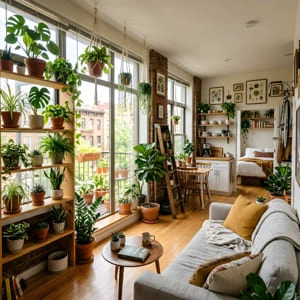
These features promote health and productivity, aligning with slow and intentional design philosophies.
Biophilic incorporation also supports climate awareness by improving energy efficiency and indoor environmental quality.
Residents benefit from a calming, restorative atmosphere that nurtures holistic wellbeing.
Architects advocate for subtle, meaningful biophilic interventions tailored to each home’s context and occupants.
Creating Flexible, Multi-Use Spaces
Modern lifestyles demand interiors that adapt to diverse activities such as remote work, exercise, and family gatherings. Flexible spaces with movable partitions, modular furniture, and adaptable lighting support this versatility. Renewal embraces these features to accommodate changing needs over time.
Designing for flexibility also encourages slow consumption by reducing the need for frequent renovations or relocations. It respects the home as a dynamic environment that evolves with its inhabitants. Such thoughtful planning enhances long-term satisfaction and functionality.
Ultimately, human-centered renewal empowers residents through spaces that reflect and support their unique lives.
Challenges
Refurbishment, renew, and restore are interconnected strategies that enable homeowners to transform their interiors thoughtfully and sustainably. By understanding their distinct roles and challenges, it is possible to avoid common mistakes that compromise quality, functionality, and environmental responsibility. This article has highlighted essential principles and practical approaches rooted in architectural expertise and human-centered values.
Embracing these concepts fosters calm, intentional, and climate-aware homes that honor heritage while meeting contemporary needs. Whether upgrading materials, optimizing layouts, or preserving historic elements, a deliberate and slow design process ensures spaces that truly support the way people live. Reflect on your own home and consider how refurbishment, renewal, or restoration can enhance its lasting value and comfort.
Frequently Asked Questions (FAQ)
What is the Difference Between Refurbishment, Renewal, and Restoration?
Refurbishment updates existing interiors without major demolition, focusing on improvement and preservation. Renewal breathes new life into spaces with purposeful changes aligned to current needs. Restoration aims to return a building to its original condition, often preserving historical elements while integrating subtle modern functions.
How Can I Ensure My Refurbishment Project is Climate-aware?
Incorporate sustainable materials, improve insulation, optimize natural lighting and ventilation, and install energy-efficient fixtures. Consulting professionals with expertise in climate-responsive design helps balance environmental impact with comfort and functionality.
Are There Common Mistakes to Avoid in Restoration Projects?
Yes, including over-restoration that prioritizes aesthetics over usability, mismatching new materials with old, neglecting energy efficiency, and ignoring occupant needs. Careful planning and expert guidance help maintain authenticity while ensuring modern comfort.
How Important is Human-centered Design in Renewal?
It is crucial, as understanding how occupants live enables designs that enhance wellbeing, adaptability, and satisfaction. Human-centered renewal considers behavior, routines, and future needs, creating spaces that truly support daily life.
Can Refurbishment Increase My Property’s Value?
Yes, thoughtful refurbishment improves functionality, aesthetics, and energy efficiency, making the home more appealing to buyers. Preserving architectural character while updating key systems often results in higher market value and desirability.