
Sliding door systems have become essential elements in modern residential design, particularly for indoor-outdoor living rooms. These systems enhance spatial flow, increase natural light, and create seamless transitions between interior and exterior spaces. Understanding the best sliding door systems available is crucial for homeowners who seek to elevate their living environments with both style and functionality.
Thank you for reading this post, don't forget to subscribe!The opportunity to select the best sliding door systems for indoor-outdoor living rooms is vast, with options spanning the best in USA, best in Australia, and best in Asia markets. Each region offers unique innovations tailored to different climates, architectural styles, and performance requirements. Evaluating these options carefully ensures that the chosen system will deliver durability, energy efficiency, and aesthetic harmony.
This article explores seven critical aspects of sliding door systems, focusing on their design, materials, climate adaptability, and installation considerations. By the end, readers will have a comprehensive understanding of the best sliding door systems for indoor-outdoor living rooms, informed by international standards yet grounded in practical residential needs.
Top Sliding Door Innovations in the USA, Australia, and Asia
Emerging Trends in Sliding Door Technology
The sliding door market in the USA, Australia, and Asia is rapidly evolving with new technologies that emphasize energy efficiency and smooth operation.
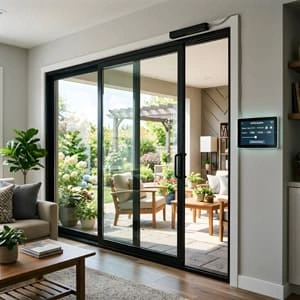
Key innovations include advanced thermal breaks, multi-point locking systems, and smart automation. These developments prioritize user comfort and security while optimizing indoor-outdoor connectivity.
Manufacturers focus on integrating sustainable materials that perform well in diverse climates. For instance, aluminum frames with thermal barriers are popular in both the USA and Australia due to their resilience and insulation properties. In Asia, there is a growing emphasis on lightweight yet durable composite materials suited to humid environments.
These technological advancements reflect a broader architectural trend toward human-centered, climate-conscious design. Sliding doors are no longer merely functional elements but integral components of a home’s environmental strategy.
Regional Design Preferences and Their Impact
Regional preferences directly influence the design and functionality of sliding doors. In the USA, expansive glass panels and minimalist frames cater to open-plan layouts and panoramic views. Australian designs often incorporate wide spans with robust weatherproofing to withstand coastal conditions.
Asian designs frequently prioritize space-saving mechanisms and flexibility, with multi-panel doors that fold or slide compactly. These choices respond to higher urban density and varied climatic zones.
Understanding these regional nuances is essential for selecting systems that align with both aesthetic goals and practical requirements in indoor-outdoor living spaces.
Material Innovations Across Continents
Materials used in sliding door construction vary significantly across the USA, Australia, and Asia, reflecting both local climates and resource availability. Aluminum remains a favorite in all three regions due to its strength and recyclability, but treatments differ.
In the USA, anodized finishes and powder coating improve corrosion resistance, especially in coastal areas. Australia favors thermally broken aluminum to reduce heat transfer. In Asia, hybrid materials combining wood aesthetics with aluminum durability are gaining traction.
These material strategies contribute to enhanced door longevity and performance, essential for indoor-outdoor living areas exposed to varying weather conditions.
Energy Efficiency and Climate Adaptation in Sliding Doors
Strategies for Thermal Performance
Energy efficiency is a paramount concern when selecting sliding doors, especially for homes that integrate indoor and outdoor living spaces. Best sliding door systems for indoor-outdoor living rooms incorporate multi-chambered frames, insulated glass units, and weatherstripping to minimize heat loss.
In the USA and Australia, climate zones vary widely, necessitating doors that can adapt to both extreme heat and cold. Asia’s tropical and subtropical regions demand moisture-resistant and ventilated designs to maintain comfort.
- Double or triple glazing options for improved insulation
- Thermal breaks to prevent heat transfer through frames
- High-performance seals to reduce air infiltration
- Low-emissivity coatings to reflect infrared heat
These features collectively contribute to lower energy bills and enhanced indoor comfort, making them essential for high-quality sliding door systems.
Weather Resistance in Different Climates
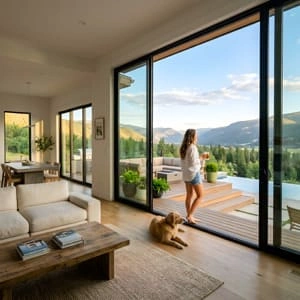
Sliding doors must withstand regional weather challenges such as strong winds, heavy rain, and UV exposure.
The best in USA, Australia, and Asia markets include products rigorously tested for water tightness and wind load resistance, ensuring durability in harsh conditions.
Australia’s coastal areas necessitate corrosion-resistant finishes, while Asian monsoon regions require superior drainage systems integrated into door frames. In the USA, hurricane-prone zones demand impact-resistant glass and reinforced frames.
Ensuring that sliding doors meet or exceed local building codes and standards enhances home resilience and occupant safety.
Comparative Thermal Ratings of Popular Systems
| System | U-Value (W/m²K) | Applicable Region |
|---|---|---|
| Aluminum Thermal Break (USA) | 1.4 | Cold to Temperate Regions |
| Double Glazed Timber Composite (Australia) | 1.1 | Temperate to Hot Regions |
| Multi-Chamber PVC with Low-E Glass (Asia) | 1.3 | Tropical and Subtropical Zones |
Design Flexibility and Customization Options
Frame and Finish Choices
Best sliding door systems offer a broad range of frame materials and finishes to suit diverse architectural styles. Aluminum frames are favored for their sleek profiles and resistance to warping, while timber frames provide warmth and natural texture.
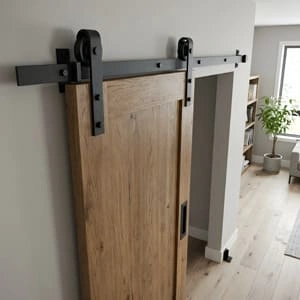
Custom finishes, including powder coating and wood stains, allow homeowners to harmonize doors with interior and exterior elements.
This flexibility supports the human-centered design approach where aesthetics meet practical living needs.
Manufacturers also provide options for concealed hardware and flush tracks, enhancing minimalism and ease of use in indoor-outdoor living rooms.
Panel Configurations and Sizes
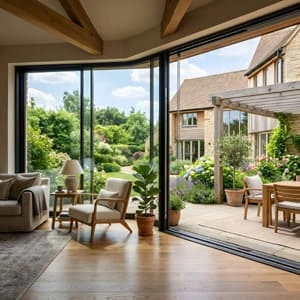
Sliding doors come in multiple panel configurations, from traditional two-panel systems to expansive multi-panel arrangements that stack or fold.
This variety enables large openings that blur the boundaries between inside and outside.
Custom sizing accommodates unique architectural conditions, supporting both small urban terraces and expansive suburban patios.
The best sliding door systems in the USA, Australia, and Asia all emphasize modularity and adaptability.
Such flexibility is crucial for creating intentional, calm spaces that respond to how people live and interact with their environments.
Hardware and Operation Mechanisms
- Smooth, low-friction rollers for effortless sliding
- Multi-point locking systems for enhanced security
- Soft-close mechanisms to prevent slamming
- Automated sliding options integrated with smart home systems
- Durable weather seals for noise reduction
These hardware options contribute to the overall performance and user experience of sliding door systems, reinforcing their role as architectural elements rather than mere decorative features.
Installation and Maintenance Considerations
Site Preparation and Structural Requirements
Proper installation of sliding doors for indoor-outdoor living rooms requires careful site preparation and structural evaluation. Load-bearing walls and foundation stability must be assessed to support large glass panels and heavy frames.
In different regions, installation techniques vary to address seismic activity, wind loads, and thermal movement. For example, Australian standards may require additional sealing for cyclone-prone zones, while Asian installations focus on moisture barriers.
Engaging experienced professionals ensures the sliding door system performs optimally and integrates seamlessly with the home’s architecture.
Routine Maintenance Practices
Maintenance is key to preserving the performance and appearance of sliding doors. Regular cleaning of tracks, lubrication of rollers, and inspection of seals prevent operational issues and extend product lifespan.
Climate-specific concerns include managing corrosion in coastal areas and preventing mold in humid environments. Proper maintenance routines differ slightly across the best sliding door systems in USA, Australia, and Asia but share core principles.
Homeowners benefit from manufacturer guidelines and professional servicing to maintain the doors’ integrity and efficiency.
Common Installation Challenges and Solutions
| Challenge | Cause | Solution |
|---|---|---|
| Track Misalignment | Uneven flooring or poor installation | Level flooring, professional alignment |
| Water Leakage | Improper sealing or drainage | Upgrade seals, improve drainage design |
| Difficulty Sliding | Dirt build-up, worn rollers | Regular cleaning, replace rollers |
Cost Analysis and Value Assessment
Price Ranges Across Regions
Sliding door system costs vary widely depending on materials, size, and regional market factors. In the USA, high-performance aluminum doors typically range from $1,200 to $3,500 per unit. Australian prices are comparable but may increase with enhanced weatherproofing.
Asia offers more budget-friendly options, especially in emerging markets, with prices starting around $800 for standard models.
However, premium imported systems command higher prices reflecting superior technology and materials.
Understanding these price dynamics helps homeowners balance budget with desired performance and aesthetics.
Long-Term Value and Energy Savings
Investing in quality sliding door systems pays off through energy savings and increased home value. High-efficiency doors reduce heating and cooling costs, especially in climates with extreme temperatures.
Durable materials and weather-resistant finishes minimize repair and replacement expenses. Additionally, modern sliding doors enhance natural light and ventilation, improving indoor environmental quality.
These benefits contribute to a strong return on investment over the door’s lifespan.
Comparative Cost-Benefit Table
| Feature | Cost Impact | Value Added |
|---|---|---|
| Triple Glazing | High | Excellent insulation, energy savings |
| Thermal Break Frames | Medium | Improved thermal performance |
| Automated Operation | High | Convenience, increased home value |
Sustainability and Environmental Impact
Eco-Friendly Materials and Manufacturing
The best sliding door systems increasingly incorporate sustainable materials such as recycled aluminum and responsibly sourced timber. Manufacturers in the USA, Australia, and Asia are adopting greener production methods to reduce carbon footprints.
Low-VOC finishes and non-toxic sealants contribute to healthier indoor air quality. These practices align with climate-aware architectural principles, supporting long-term environmental stewardship.
Choosing eco-conscious products benefits not only homeowners but also the planet.
Energy Codes and Certification Programs
Compliance with energy codes such as ENERGY STAR in the USA or Green Star in Australia ensures sliding door systems meet strict performance benchmarks. Asian markets are adopting similar certification programs reflecting evolving sustainability priorities.
Certified products are independently tested for thermal efficiency, air leakage, and durability. These programs help consumers identify reliable options that contribute to green building goals.
Certification also facilitates incentives and rebates, lowering upfront costs for homeowners.
Lifecycle Assessment of Sliding Door Systems
- Material sourcing and embodied energy
- Manufacturing emissions and waste management
- Operational energy savings during use
- End-of-life recyclability and disposal
Lifecycle assessments provide comprehensive insights into the environmental impacts of sliding door systems, guiding architects and homeowners toward more sustainable choices.
Integration with Smart Home Technologies
Automated Sliding Door Systems
Smart sliding doors offer automated opening and closing controlled via smartphones, voice assistants, or sensors. These systems enhance accessibility and convenience, especially for indoor-outdoor living rooms that host frequent social gatherings.
Automation also enables integration with security systems, lighting, and HVAC controls, creating a cohesive home environment responsive to occupant needs.
The best sliding door systems in USA, Australia, and Asia increasingly incorporate these features, reflecting a human-centered approach to design.
Security Enhancements
Advanced locking mechanisms and sensor alarms improve sliding door security while maintaining aesthetic minimalism. Multi-point locks, reinforced frames, and shatter-resistant glass protect against intrusion.
Integration with home security networks allows real-time monitoring and alerts, providing peace of mind for residents.
These innovations align with residential priorities for safety without compromising the calm, intentional atmosphere of indoor-outdoor living spaces.
Energy Management and Smart Integration
- Automated shading and blinds coordination
- Temperature-responsive door operation
- Remote monitoring and energy consumption tracking
- Integration with HVAC for optimized climate control
Smart sliding door systems contribute to holistic energy management strategies, essential for sustainable and comfortable homes.
Sliding Door System
Choosing the best sliding door systems for indoor-outdoor living rooms involves evaluating a range of factors from material performance to climate adaptability. The best in USA, Australia, and Asia markets offer diverse options that meet high standards for energy efficiency, design flexibility, and sustainability.
By understanding regional innovations, installation requirements, and smart integration capabilities, homeowners can select sliding doors that enhance their living experience. Investing in quality systems not only improves indoor-outdoor connections but also promotes long-term value and environmental responsibility.
Frequently Asked Questions (FAQ)
What Are the Most Durable Materials for Sliding Doors in Different Climates?
Durable materials vary by climate: aluminum with thermal breaks suits cold and coastal areas, timber composites excel in temperate zones, and multi-chamber PVC is ideal for humid or tropical regions due to moisture resistance and thermal performance.
How Do Sliding Door Systems Improve Energy Efficiency?
Sliding door systems enhance energy efficiency through insulated glazing, thermal breaks in frames, and airtight seals. These features reduce heat transfer and air leakage, lowering heating and cooling costs while maintaining comfort.
Are Smart Sliding Doors Compatible with Existing Home Automation Systems?
Yes, many smart sliding door systems are designed to integrate seamlessly with popular home automation platforms, enabling remote control, automation, and security features via smartphone apps or voice commands.
What Maintenance is Required to Keep Sliding Doors Functioning Smoothly?
Regular maintenance includes cleaning tracks, lubricating rollers, inspecting seals, and checking hardware for wear. Addressing issues early prevents operational problems and extends the door’s lifespan.
Can Sliding Doors Be Customized to Fit Non-standard Openings?
Absolutely. Most manufacturers offer custom sizing and panel configurations to accommodate unique architectural requirements, ensuring a perfect fit and optimal indoor-outdoor flow.