
Backyards often accumulate more than just leaves and grass clippings over time. Old branches, garden debris, and even discarded soil or mulch can pile up, turning outdoor spaces into cluttered zones. Proper yard waste removal involves more than tossing everything into a bin—it requires understanding how to manage organic material sustainably, comply with local regulations, and maintain the health of your landscape. This article explores practical approaches to yard waste removal, grounded in real-life experience and mindful of environmental impact.
Thank you for reading this post, don't forget to subscribe!Efficiently clearing yard waste not only improves the appearance of your outdoor space but also promotes healthier soil and reduces the risk of pests and diseases.
Whether you’re tackling seasonal cleanups or ongoing garden maintenance, knowing the best practices and available services can save time and effort.
This guide offers an architectural perspective on yard waste removal, balancing form, function, and environmental responsibility.
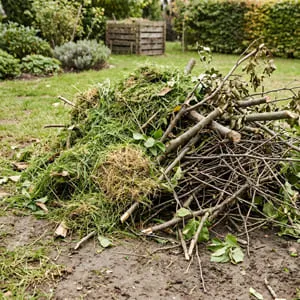
The Essentials of Managing Yard Waste Effectively
- Yard waste removal involves collecting, processing, and disposing of organic materials like leaves, branches, grass clippings, and garden debris in an environmentally responsible way.
- Composting and mulching are preferred methods for recycling yard waste, reducing landfill use and improving soil health.
- Local regulations often dictate how yard waste should be handled, including restrictions on burning and requirements for collection.
- Professional yard waste removal services vary in scope; choosing the right option depends on volume, type of waste, and sustainability goals.
- Seasonal timing matters: removing yard waste promptly after storms or heavy growth prevents pest infestations and disease spread.
Understanding Yard Waste Removal and Its Environmental Impact
Yard waste removal refers to the process of collecting and disposing of organic materials generated by residential landscaping and gardening activities. This includes leaves, grass clippings, branches, twigs, weeds, and sometimes soil or mulch residues.
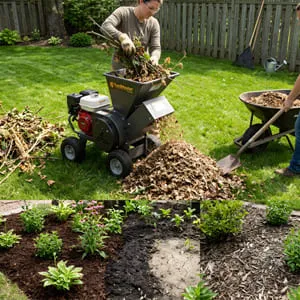
Proper disposal is crucial because yard waste constitutes a significant portion of municipal solid waste, and if landfilled, it contributes to methane emissions—a potent greenhouse gas.
In technical terms, yard waste is categorized as biodegradable organic matter suitable for composting or mulching.
When managed correctly, these materials return nutrients to the soil, supporting plant growth and reducing the need for synthetic fertilizers.
However, inappropriate disposal methods like open burning or landfill dumping undermine environmental goals and may violate local laws.
“Effective yard waste removal transforms organic debris from a disposal problem into a resource that enhances soil vitality and mitigates greenhouse gas emissions.”
Entities involved in yard waste management include municipal waste departments, environmental agencies like the Environmental Protection Agency (EPA), and local extension services that provide guidelines on composting and sustainable landscaping. According to EPA data from 2023, yard trimmings account for approximately 13% of the total municipal solid waste stream in the U.S., highlighting the importance of sustainable handling.
Techniques and Tools for Efficient Yard Waste Removal
Removing yard waste efficiently starts with selecting the right tools and methods tailored to the type and volume of material. Common techniques include manual raking, using leaf blowers, and mechanical mulching. For larger debris like branches, pruning shears or wood chippers are essential. In practice, combining these tools minimizes labor and speeds up cleanup.
Composting is the most sustainable method for yard waste removal, converting organic matter into nutrient-rich compost that can be reused in your garden. Home composting systems vary from simple piles to enclosed bins, while community composting programs offer alternative disposal for those without space.
- Mulching: Shredding yard waste into smaller pieces to cover soil, suppress weeds, and retain moisture.
- Chipping: Processing branches and woody debris into mulch or biomass fuel.
- Collection services: Scheduled municipal pickup or private hauling to composting facilities.
- Burning: Generally discouraged due to air pollution and legal restrictions.
“Homeowners who integrate mulching and composting into their yard maintenance routines reduce waste volume by up to 50% annually.”
How Local Regulations Shape Yard Waste Removal Practices
Legal frameworks governing yard waste removal vary widely by city, county, and state. Many municipalities provide curbside yard waste pickup, but strict rules often apply regarding what can be included, how materials must be prepared, and collection schedules. For instance, some areas require biodegradable bags or prohibit plastic containment to facilitate composting.
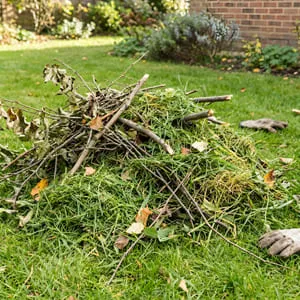
Burning yard waste is outlawed or tightly regulated in many regions due to health and environmental concerns. Residents must also be aware of restrictions on dumping yard debris in public spaces or natural areas, which can harm ecosystems.
Understanding these regulations prevents fines and supports community sustainability efforts. Official sources such as EPA’s yard waste guidelines and local municipal websites provide detailed instructions tailored to specific locations.
Choosing the Right Yard Waste Removal Service for Your Home
Homeowners face multiple options for yard waste removal: self-managed composting, municipal collection, or hiring professional services. Each choice has trade-offs related to cost, convenience, environmental impact, and volume handled.
Professional services range from simple curbside pickups to full-service landscaping companies offering debris clearance and sustainable disposal. When selecting a service, consider factors such as:
- Certification and environmental standards adherence (e.g., use of composting facilities)
- Pricing structures (flat fee vs. volume-based)
- Frequency and scheduling flexibility
- Customer reviews and reliability
In practice, those managing large properties or frequent heavy pruning benefit most from professional help, while smaller-scale gardeners may find home composting sufficient. Combining approaches often yields the best results.
Seasonal Strategies for Maintaining a Clean and Healthy Yard
Yard waste accumulation follows seasonal patterns, with spring and fall typically producing the most debris. Timely removal is critical to prevent pest infestations, fungal diseases, and nutrient loss. For example, wet leaves left on the ground over winter can harbor pathogens that affect spring plantings.
Adopting a seasonal maintenance schedule—raking leaves in autumn, mulching in spring, and pruning in summer—helps keep yard waste manageable and promotes plant health. Additionally, using organic mulch protects soil and reduces erosion during heavy rains.
“Seasonal yard waste removal aligned with plant growth cycles supports ecological balance and reduces labor intensity over time.”
Integrating climate-aware practices, like adjusting cleanup frequency based on local weather patterns, further enhances sustainability and garden resilience.
What to Do Now: Implementing Effective Yard Waste Removal
Start by assessing your yard’s waste patterns and local disposal options. Test small-scale composting if space allows, and research municipal pickup schedules and rules. For larger projects, obtain quotes from professional yard waste removal services that prioritize environmentally responsible practices.
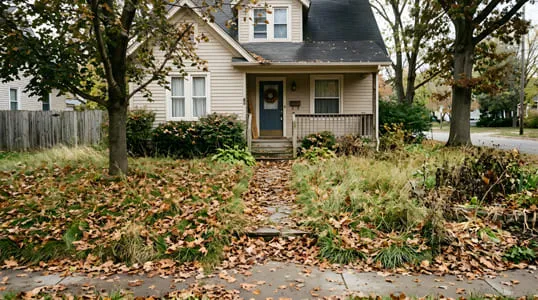
Implementing strategic yard waste management not only improves your outdoor living space but also positively impacts your community and environment.
Take action this season by choosing methods that align with your goals and local conditions.
How Can I Compost Yard Waste at Home Effectively?
Composting yard waste at home requires a mix of green materials (like grass clippings) and brown materials (such as dry leaves or twigs) to balance nitrogen and carbon. Maintain moisture and aerate the pile regularly to speed decomposition and avoid odors. Avoid composting diseased plants or invasive weeds. A well-managed compost bin can produce rich soil amendment in a few months, reducing the need for chemical fertilizers.
Are There Any Risks Associated with Improper Yard Waste Disposal?
Improper disposal of yard waste, such as burning or illegal dumping, can lead to air pollution, water contamination, and spread of pests or diseases. Piling debris against structures may also create fire hazards and attract rodents. Following local regulations and sustainable practices minimizes these risks and promotes a healthier environment.
What Types of Yard Waste Are Typically Excluded from Municipal Collection?
Municipal collection programs often exclude bulky items like large stumps, root balls, and construction debris. Some restrict plastic bags or non-biodegradable containers. Hazardous materials such as treated wood or chemical-contaminated soil are also prohibited. Checking local guidelines ensures compliance and prevents service refusal.
How Does Mulching Differ from Composting in Yard Waste Management?
Mulching involves spreading shredded yard waste directly over soil to conserve moisture and suppress weeds, whereas composting breaks down organic matter into nutrient-rich soil amendment. Mulching works immediately to protect plants, while composting requires time for decomposition. Both methods complement each other and reduce yard waste volume sustainably.
What is the Environmental Benefit of Using Professional Yard Waste Removal Services?
Professional yard waste removal services often have access to industrial composting facilities and recycling programs that convert organic debris into valuable products like mulch or bioenergy. They reduce landfill reliance and greenhouse gas emissions. Selecting certified services supports broader environmental goals beyond individual property management.