Last updated on September 14th, 2026 at 05:25 pm
Incorporating a verandah in apartment or verandah in homes offers a unique opportunity to extend living spaces beyond traditional interiors. These semi-outdoor areas provide a seamless transition between indoors and outdoors, enhancing daily life with natural light, fresh air, and flexible use. Understanding how to design these spaces thoughtfully is essential for creating calm, functional environments that respond to local climate and human needs.
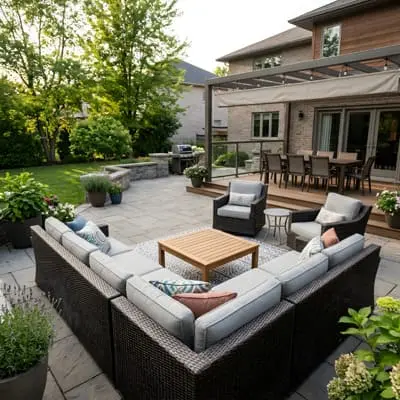
In many residential settings, verandahs serve as intentional extensions of living rooms or kitchens, adding versatility without sacrificing comfort.
However, the challenge lies in integrating them in a way that respects architectural integrity and environmental context.
This article explores the best practices for designing verandahs in apartments and homes that prioritize long-term usability and a strong connection to place.
We will examine key architectural considerations, materials, climate responsiveness, and practical layouts to help homeowners and designers create verandahs that truly expand everyday living spaces.
Integrating Verandahs in Apartment Living
Design Strategies for Compact Verandahs
Verandahs in apartments often face spatial constraints, requiring smart design strategies to maximize usability. Using foldable or sliding glass panels can create a flexible enclosure, allowing residents to adjust the space according to weather or privacy needs. Incorporating built-in seating with storage underneath helps optimize limited square footage.
Another approach involves utilizing lightweight materials and minimalistic furniture to maintain an open, airy feel.
Thoughtful shading devices, such as retractable awnings or louvers, protect against harsh sunlight while preserving ventilation.
These elements collectively make small verandahs practical extensions of apartment living rooms
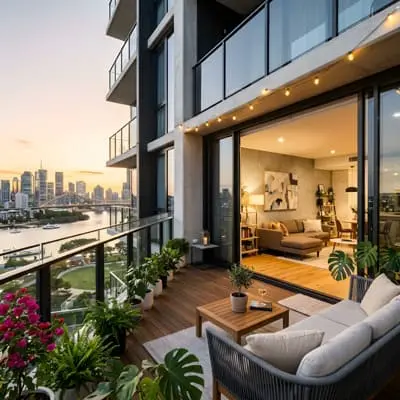
To further enhance functionality, integrating planters or vertical gardens adds natural ambiance and improves air quality without occupying floor space.
Materials Best Suited for Apartment Verandahs
Durability and maintenance are critical when selecting materials for verandahs in apartments. Aluminum framing paired with tempered glass offers a weather-resistant and visually light structure. Composite decking materials provide longevity and resist warping better than traditional wood, especially in urban environments with pollution.
Natural stone tiles or porcelain pavers deliver elegant, low-maintenance flooring options that complement diverse architectural styles.
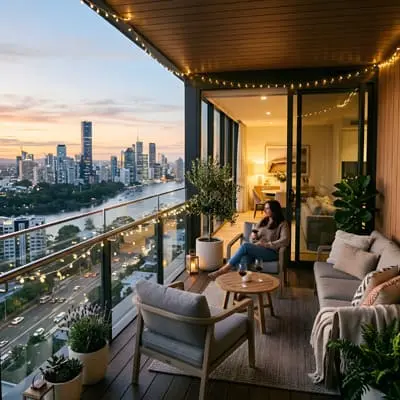
Prioritizing materials with high thermal performance helps regulate temperature, improving comfort throughout the year.
Additionally, choosing finishes that resist fading and staining ensures the verandah remains inviting over time.
For safety, non-slip surfaces and sturdy railings are essential, particularly in high-rise buildings where wind exposure can be significant.
Benefits of Verandahs in Apartment Settings
- Enhances natural ventilation and daylight access
- Creates additional living and social areas
- Improves connection to the outdoors without leaving home
- Supports mental well-being through access to fresh air and greenery
- Increases property value and appeal
Architectural Approaches to Verandahs in Homes
Harmonizing Verandahs with Home Design
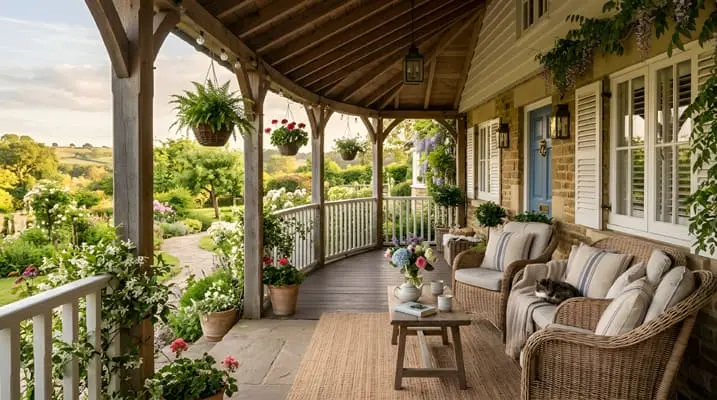
In residential homes, verandahs should be designed as coherent parts of the architectural language, complementing the building’s form and materials. This integration maintains visual harmony while enhancing functional flow between interior and exterior spaces.
Aligning rooflines and structural elements helps achieve a seamless transition.
Verandahs with deep overhangs provide protection from sun and rain, encouraging year-round use.
The choice of columns, balustrades, and flooring should reflect the home’s style—whether modern minimalism, traditional craftsman, or rustic farmhouse. Thoughtful lighting design further reinforces the verandah’s role as an inviting extension of the home.
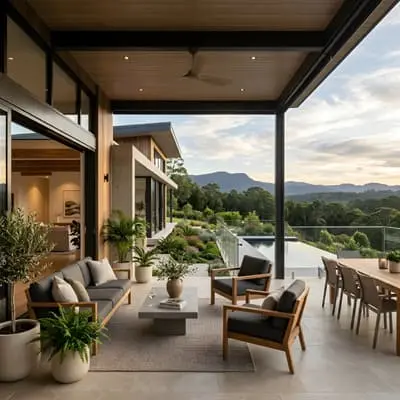
Incorporating built-in outdoor kitchens or seating areas can enhance the space’s usability and foster social interaction.
Optimizing Climate Responsiveness
Designing verandahs with climate awareness ensures comfort and energy efficiency. In hotter regions, orienting verandahs to capture prevailing breezes and using shading devices like pergolas with adjustable slats reduce heat gain.
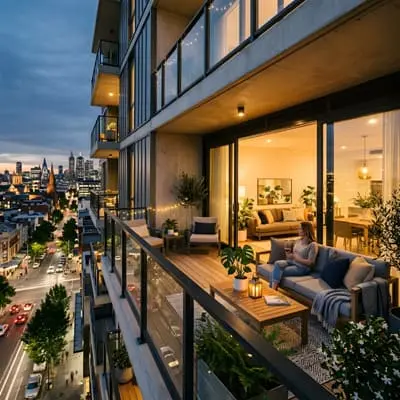
In cooler climates, glass enclosures or insulated panels can extend usability through colder months.
Employing materials with high thermal mass—such as brick or stone—helps moderate temperature swings.
Landscaping elements, including deciduous trees, provide seasonal shading and privacy. Integrating rainwater harvesting systems for garden irrigation promotes sustainability and resilience.
These strategies collectively create verandahs that respond thoughtfully to their environmental context.
Common Features of Home Verandahs
- Wide, covered spaces for comfortable seating
- Durable flooring materials with slip resistance
- Lighting for ambiance and safety
- Integration with garden or yard
- Flexible furniture arrangements for varied uses
Maximizing Usability of Verandahs in Residential Spaces
Furniture and Layout Considerations
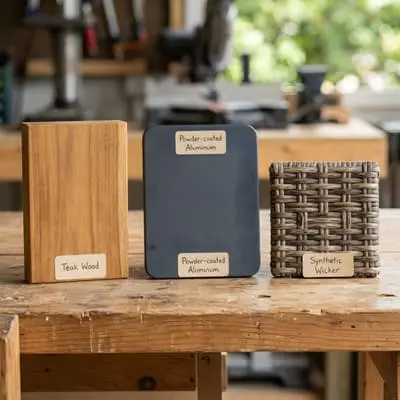
Choosing appropriate furniture is critical for a verandah’s functionality. Weather-resistant materials like teak, aluminum, or synthetic wicker ensure longevity with minimal upkeep. Modular furniture systems allow residents to reconfigure seating for different activities, from intimate gatherings to family meals.
Positioning furniture to encourage social interaction while maintaining clear circulation pathways enhances comfort.
Incorporating multi-purpose pieces—such as benches with storage or foldable tables—adds flexibility. Textiles designed for outdoor use bring warmth and texture without compromising durability.
Lighting should be layered, combining task, ambient, and accent sources to support various activities throughout the day and evening.
Incorporating Greenery and Nature
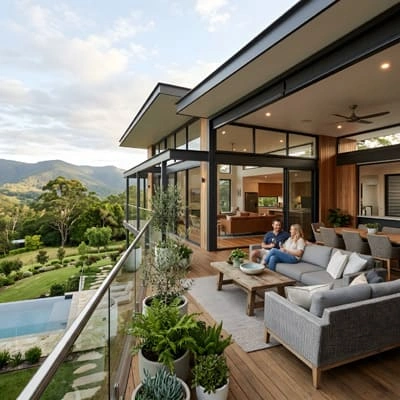
Integrating plants into verandah design improves air quality and creates a calming atmosphere. Using container gardens with herbs, flowers, or small shrubs brings nature closer to living spaces. Vertical gardens and hanging planters are effective in apartments where floor space is limited.
Choosing native or drought-tolerant species reduces maintenance and water consumption. Strategically placed greenery also enhances privacy without relying solely on screens or walls. Sound buffering through plantings contributes to a peaceful environment.
The connection with nature nurtures mental well-being and encourages more frequent use of verandahs.
Maintenance Tips for Longevity
- Regular cleaning of flooring and furniture to prevent dirt buildup
- Seasonal inspection of structural elements for weather damage
- Reapplying protective finishes on wood or metal components
- Pruning and watering plants appropriately
- Ensuring drainage systems remain clear to avoid water pooling
Sustainability in Verandah Design for Homes and Apartments
Choosing Eco-Friendly Materials
Using sustainable materials in verandah construction reduces environmental impact. Bamboo, reclaimed wood, and recycled composites are excellent alternatives to traditional hardwoods. Low-VOC paints and finishes improve indoor and outdoor air quality.
Incorporating permeable flooring options supports natural water infiltration, preventing excess runoff. Selecting locally sourced materials minimizes transportation emissions.
These choices align with broader goals of sustainable residential design and long-term durability.
Moreover, eco-friendly materials often require less maintenance, reducing resource consumption over time.
Energy Efficiency and Climate Adaptation
Verandahs can improve a home’s energy profile by shading windows and walls, reducing cooling loads in summer. Using operable screens and vents allows natural ventilation, lowering reliance on mechanical systems. Solar shading devices designed for specific orientations optimize comfort.
Incorporating solar panels on verandah roofs can contribute to renewable energy generation. Rainwater harvesting systems integrated into verandah design support garden irrigation and reduce potable water use. Such measures contribute to resilient, climate-aware homes and apartments.
Thoughtful design balances energy savings with occupant comfort and usability.
Environmental Benefits of Outdoor Living Spaces
- Promotes connection with nature and biodiversity
- Supports passive cooling and heating strategies
- Reduces urban heat island effect through greenery
- Encourages sustainable lifestyle habits
| Material | Environmental Impact | Lifespan |
|---|---|---|
| Bamboo | Renewable, low carbon footprint | 10-15 years |
| Reclaimed Wood | Reduces waste, sustainable reuse | 15-25 years |
| Composite Decking | Recycled materials, low maintenance | 20-30 years |
Enhancing Privacy and Comfort in Verandahs
Designing for Visual Privacy
Privacy is a principal concern when integrating verandahs into apartment or home layouts. Using screening elements like lattice panels, trellises with climbing plants, or frosted glass can shield the space from neighboring views without compromising openness. Positioning the verandah strategically with respect to adjacent buildings helps maintain privacy naturally.
Layered landscaping adds another dimension of seclusion while contributing to the aesthetic. Movable screens or curtains provide flexibility, enabling users to adjust privacy levels throughout the day. The goal is to create a comfortable, intimate outdoor room that respects personal boundaries.
Visual privacy boosts the verandah’s usability for a variety of activities, from relaxation to socializing.
Acoustic Comfort and Noise Control
Noise pollution can disrupt the enjoyment of verandahs, especially in urban environments. Incorporating soft landscaping, including dense shrubs and trees, helps absorb sound. Acoustic panels or outdoor curtains made from sound-dampening fabrics further reduce noise intrusion.
Positioning the verandah away from traffic or communal areas minimizes exposure to disruptive sounds. Water features, such as fountains, can mask background noise and create a serene atmosphere. Thoughtful acoustic design supports calm, slow-paced living aligned with human-centered architecture.
These measures ensure the verandah remains a restorative retreat even in busy settings.
Climate Control Solutions
- Retractable awnings or shades for sun protection
- Ceiling fans or portable heaters to regulate temperature
- Operable glass enclosures for wind and rain protection
- Use of thermal curtains or blinds to moderate heat loss
Furniture and Decor Choices for Verandah Comfort
Selecting Durable Outdoor Furniture
Outdoor furniture must withstand exposure to weather without degrading or requiring excessive maintenance. Materials such as powder-coated aluminum, teak, and synthetic wicker are preferred for their durability and timeless appeal. Cushions and textiles should be water-resistant and UV-protected.
Choosing ergonomic designs enhances comfort for extended use. Lightweight pieces facilitate rearrangement, adapting the space to different functions. High-quality furniture contributes to the verandah’s role as a tranquil extension of the home, supporting leisurely activities and gatherings.
Investing in furniture that balances aesthetics and functionality ensures long-lasting satisfaction.
Textiles and Accessories
Outdoor rugs, cushions, and throws add softness and color, creating a welcoming atmosphere. Selecting fabrics with quick-drying and mildew-resistant properties is essential to maintain cleanliness and appearance.
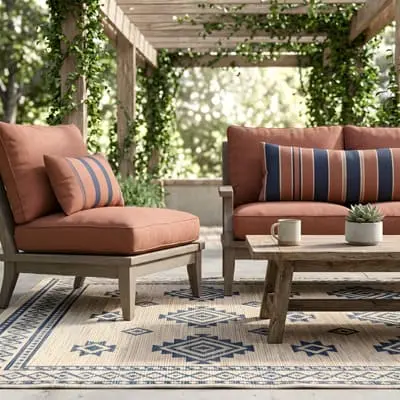
Neutral or earth tones connect the verandah visually to natural surroundings.
Adding elements like lanterns, planters, and wind chimes introduces layers of sensory experience.
Careful curation of accessories reinforces the slow, intentional design philosophy behind successful verandahs. These touches personalize the space without overwhelming its calm ambiance.
Textiles and accessories should harmonize with architectural elements to maintain cohesion.
Lighting Design for Ambiance and Safety
- Soft ambient lighting through string or fairy lights
- Task lighting with adjustable wall sconces or lamps
- Solar-powered pathway lights for sustainability
- Accent lighting to highlight plants or architectural features
| Lighting Type | Best Use | Energy Efficiency |
|---|---|---|
| LED String Lights | Ambient mood lighting | High |
| Solar Path Lights | Walkway illumination | Very High |
| Wall Sconces | Task and accent lighting | Moderate to High |
Future Trends in Verandah Design
Smart Technology Integration
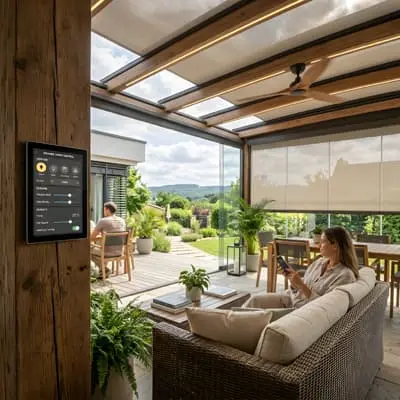
Emerging trends include incorporating smart controls for lighting, shading, and climate management in verandahs. Automated awnings that respond to sunlight and temperature sensors optimize comfort and energy efficiency. Voice-activated outdoor speakers and smart irrigation systems contribute to a connected and convenient outdoor experience.
These technologies support sustainable living by reducing waste and enhancing user control. Integration should be unobtrusive, preserving the calm and intentional character of verandahs.
As homes become more connected, verandahs will evolve as adaptable, responsive spaces.
Smart verandahs blend architectural tradition with modern innovation to meet evolving lifestyle needs.
Biophilic and Wellness-Focused Design
Designers increasingly emphasize biophilic principles in verandah spaces, reinforcing the human-nature connection. Features such as natural materials, abundant greenery, water elements, and natural light support mental and physical well-being. Spaces are arranged to promote relaxation, mindfulness, and social interaction.
Incorporating wellness-focused features like ergonomic seating, quiet zones, and air-purifying plants aligns verandahs with holistic health trends. These spaces become sanctuaries for slow, intentional living, fostering resilience in increasingly urbanized environments.
Biophilic design enhances the emotional and sensory quality of verandahs in homes and apartments.
Modular and Adaptive Structures
- Prefabricated verandah modules for quick installation
- Adjustable shading and enclosure systems
- Multi-functional furniture for changing needs
- Expandable or collapsible layouts for seasonal use
Modular designs offer flexibility and scalability, allowing residents to customize verandahs according to lifestyle changes or environmental conditions. This adaptability supports longevity and reduces waste by enabling upgrades instead of full replacements. The future of verandah design favors solutions that balance permanence with versatility.
All verandahs
Thoughtful design of verandah in apartment and verandah in homes extends everyday living spaces in ways that enrich lifestyle, comfort, and connection to nature. Careful material selection, climate responsiveness, and privacy considerations create functional and inviting outdoor rooms that integrate harmoniously with residential architecture.
Embracing sustainability, durability, and future-forward technologies ensures verandahs remain valuable assets for years to come. As flexible, human-centered environments, verandahs support slow, intentional living, making them essential features in contemporary residential design.
Frequently Asked Questions (FAQ)
What is the Main Advantage of Having a Verandah in an Apartment?
A verandah in an apartment provides additional usable living space that connects residents to the outdoors, improves ventilation, and increases natural light, enhancing the overall comfort and functionality of the home.
How Can I Maximize Privacy on My Verandah in a Densely Populated Area?
Using screening elements like lattice panels, plants, or frosted glass helps create visual privacy. Positioning furniture and landscaping to block sightlines also contributes to a secluded and comfortable verandah space.
What Materials Are Best for Maintaining a Verandah with Minimal Upkeep?
Durable materials such as composite decking, aluminum frames, and porcelain tiles are low-maintenance and weather-resistant, making them ideal choices for long-lasting verandah surfaces and structures.
How Does a Verandah Contribute to Energy Efficiency in Homes?
Verandahs provide shading that reduces solar heat gain, lowering cooling needs. They also enable natural ventilation, decreasing reliance on air conditioning and improving overall energy performance.
Can Verandahs Be Designed to Be Used Year-round?
Yes, by incorporating elements like retractable glass enclosures, shading devices, and outdoor heaters or fans, verandahs can be adapted for comfortable use across different seasons.

Architect with extensive experience in residential and commercial design, including renovations and modular construction. Love to share information about Architecture, home and lifestyle in this blog.