Last updated on September 14th, 2026 at 08:02 pm
Designing a backyard that harmonizes furniture, types of garden, and pool elements is a sophisticated balance of form, function, and environment. Thoughtful integration of outdoor furniture with garden styles and pool features can transform ordinary outdoor spaces into intentional retreats. This article explores how these components interact architecturally, creating meaningful outdoor environments that enhance daily living.
Understanding the relationship between garden typologies, the choice of outdoor furniture, and pool design is essential for crafting a cohesive backyard. Each element influences user experience, durability, and aesthetics, especially when factoring in climate and lifestyle needs. We will unpack practical insights to help homeowners and designers build gardens that feel both natural and purposeful.
The Essentials to Consider
- Outdoor furniture must align with garden type and pool use to ensure durability and comfortable experience.
- Different garden styles—formal, naturalistic, tropical, or minimalist—demand specific planting schemes that complement pool layouts.
- Material selection for furniture and pool surrounds affects maintenance and climate resilience.
- Spatial planning integrates circulation paths, seating arrangements, and water features for fluid, functional outdoor living.
- Environmental factors, such as sun exposure and local climate, dictate appropriate garden types and pool positioning.
How Furniture, Types of Garden, and Pool Design Interact in Backyard Planning
Outdoor furniture, garden typologies, and pools are interdependent components in backyard design that require a holistic approach. Furniture is not just decorative; it must withstand weather, relate spatially to garden elements, and support poolside activities. Gardens, categorized broadly into types such as formal, informal, xeriscape, or tropical, establish the character and ecological footprint of the space. Pools introduce dynamic water elements that influence microclimate and require specific safety and material considerations.
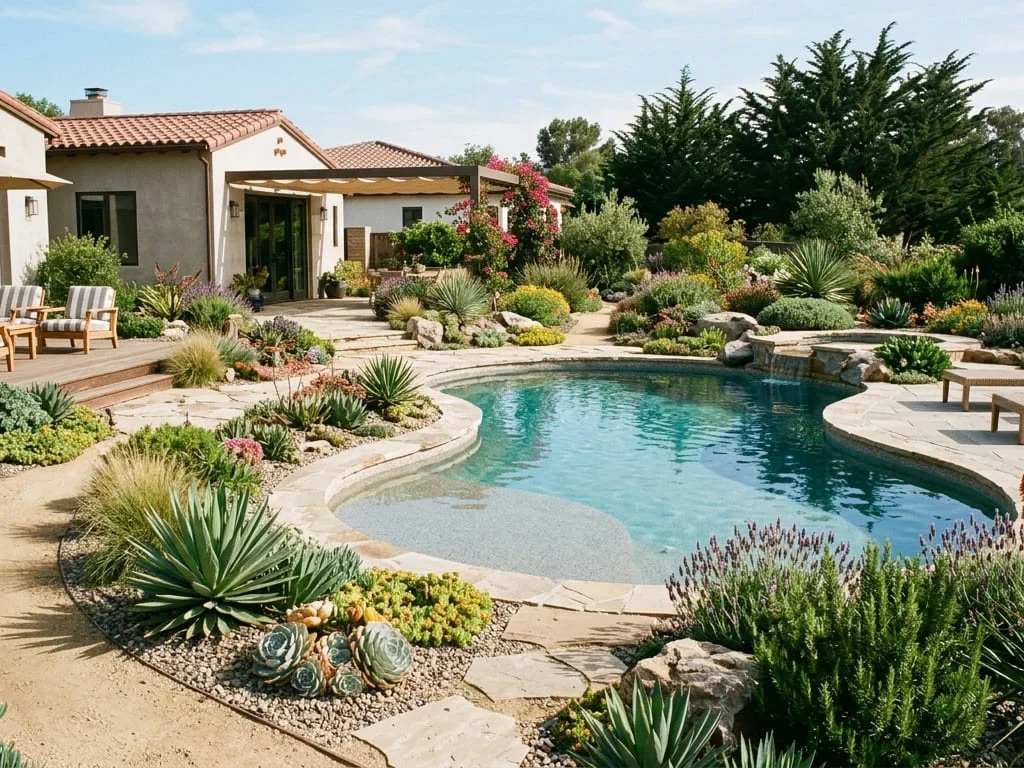
In practice, landscape architects start by defining the garden type, which sets the stage for selecting appropriate furniture and pool forms. For example, a minimalist garden with clean lines and native plants benefits from sleek, low-profile furniture and a geometric pool. Conversely, a lush tropical garden pairs well with natural wood furniture and a freeform pool that mimics natural water bodies. This layered design approach ensures that every element feels intentional and interconnected.
“The difference between a functional backyard and a true retreat lies in the deliberate integration of furniture, planting, and water elements—not just their individual qualities.”
Choosing Outdoor Furniture That Complements Garden Styles and Pool Environments
Outdoor furniture selection is a technical and aesthetic challenge that hinges on garden style and pool interaction. Durable materials like teak, powder-coated aluminum, and synthetic wicker are common because they resist humidity, UV rays, and temperature swings. However, the choice goes beyond durability; the furniture’s form language should reflect the garden’s character.
In formal gardens, furniture tends to be symmetrical and classic, often wrought iron or refined wood, reinforcing order and structure. Naturalistic or cottage gardens favor rustic, weathered pieces that blend with organic shapes and flowering plants. Poolside furniture must prioritize comfort and water resistance, with quick-dry cushions and non-slip surfaces. Considering the furniture’s scale relative to garden paths and pool decks prevents overcrowding and promotes fluid movement.
Exploring Common Types of Gardens Suited for Residential Backyards
Garden types vary widely, but five common residential styles offer distinct benefits and challenges when paired with pools and furniture:
- Formal gardens: Characterized by symmetry, clipped hedges, and geometric layouts. These gardens require coordinated furniture and pool shapes that echo the rigidity and order.
- Informal or naturalistic gardens: Emphasize native plants, irregular shapes, and habitat support. Furniture tends to be understated to let the landscape shine, and pools may have organic shapes.
- Tropical gardens: Use lush foliage, vibrant colors, and water features. Furniture here often includes natural materials like rattan, and pools integrate seamlessly with planting.
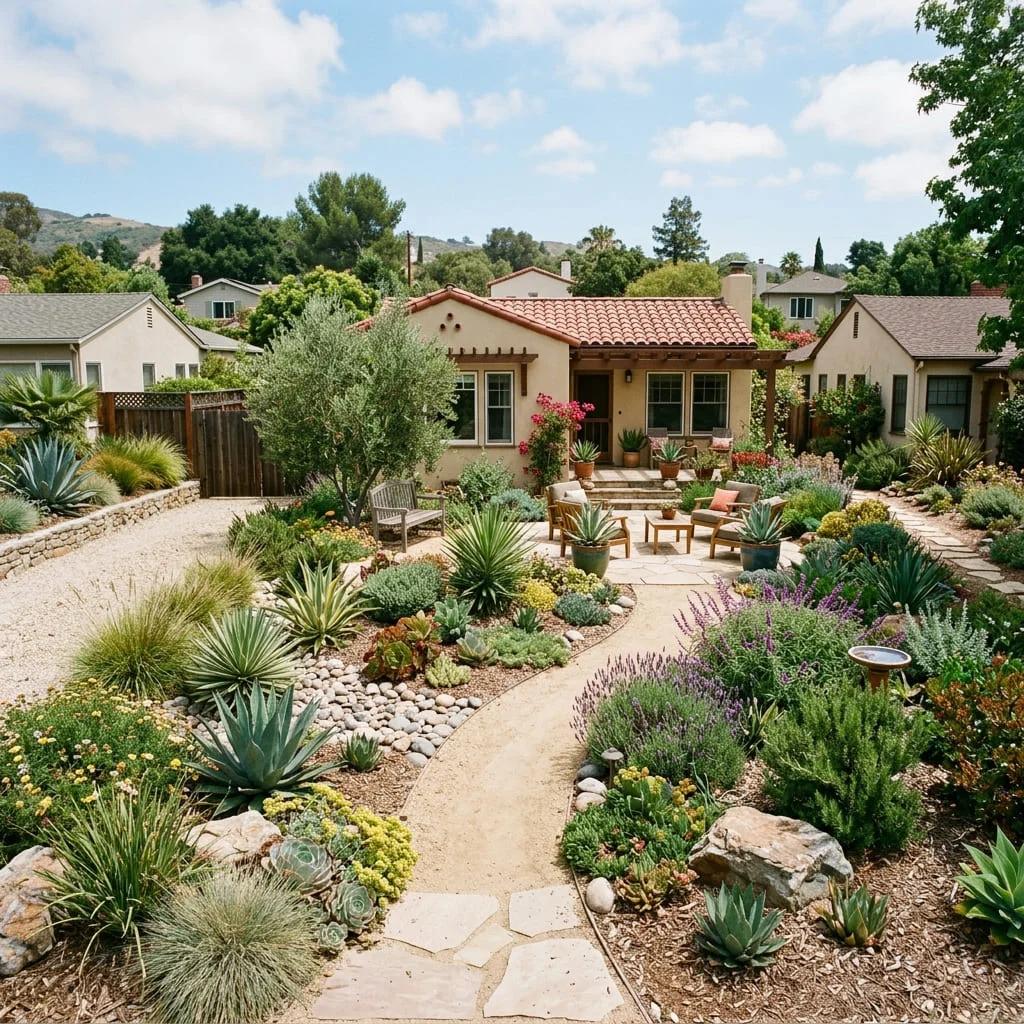
- Xeriscape or drought-tolerant gardens: Focus on low-water-use plants and gravel or stone mulches. Furniture is often lightweight and easy to rearrange to accommodate changing sun angles.
- Minimalist gardens: Feature simple plant palettes, clean lines, and restrained decoration. Pool and furniture designs are sleek, favoring functionality and understated elegance.
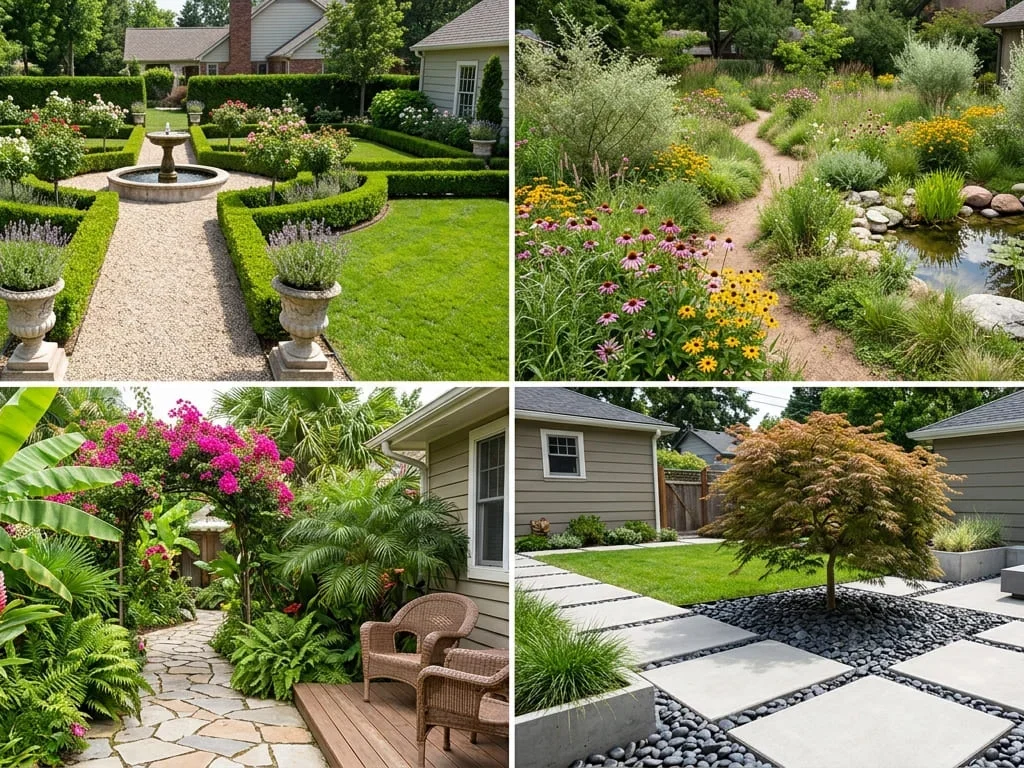
Each garden type influences the microclimate, drainage, and maintenance requirements, impacting pool positioning and furniture durability. For example, tropical gardens may raise humidity levels around the pool, requiring corrosion-resistant materials.
Integrating Pools with Garden Design and Outdoor Furniture for Climate-aware Living
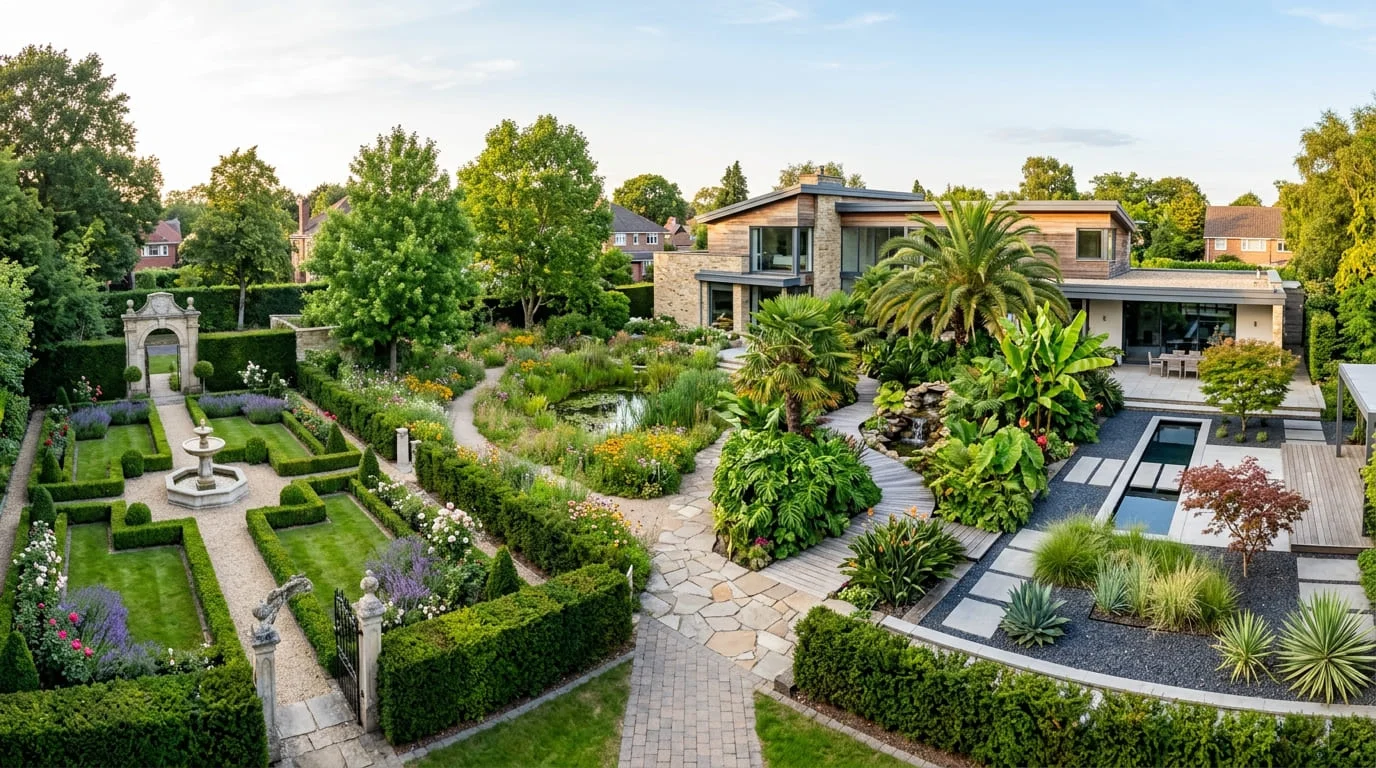
Pool design must respond to the garden’s ecological and climatic context. In hot, arid climates, pools act as cooling elements, and surrounding gardens use drought-tolerant plants that don’t compete with the pool for water. Furniture in these settings leans toward breathable fabrics and reflective finishes to reduce heat absorption.
In humid or temperate zones, pools may be shaded by dense planting or pergolas, which also influences furniture choice—materials must resist mold and mildew. Pool orientation affects sun exposure, essential for heating and user comfort. Incorporating sustainable practices, such as rainwater harvesting for irrigation and energy-efficient pool pumps, enhances environmental responsibility.
“Sustainable backyard design is not a trend but a necessity; integrating pools, gardens, and furniture with climate awareness ensures longevity and user well-being.”
Practical Considerations for Maintaining Furniture, Gardens, and Pools Together
Maintenance is often underestimated when combining furniture, garden, and pool elements. The proximity of plants to pools can introduce organic debris that clogs filters, and certain plant species may stain pool surfaces. Choosing low-litter trees and shrubs helps reduce cleaning frequency.
Furniture requires periodic treatment depending on material—wood may need sealing, metal might need rust prevention, and fabrics should be stored or covered during harsh weather.
Pool maintenance involves chemical balancing, surface cleaning, and equipment upkeep, all influenced by the surrounding landscape.
Planning circulation routes that separate high-traffic zones from delicate garden beds preserves both plant health and furniture condition.
Proper drainage design prevents water accumulation around pool decks and furniture, extending their lifespan.
What to Do Now: Applying These Principles in Your Backyard
Start by assessing your local climate and backyard conditions to select a garden type that supports sustainable maintenance. Then choose outdoor furniture that balances durability, comfort, and style aligned with your chosen garden. Integrate pool design early in the planning stage to ensure spatial harmony and environmental efficiency.
Test configurations with mockups or digital models to visualize flow and comfort. Consult authoritative sources like the American Society of Landscape Architects and EPA guidelines on outdoor water use for best practices. Implement changes gradually, prioritizing climate resilience and user experience to create a backyard that truly functions as a retreat.
Frequently Asked Questions (FAQ)
What Types of Outdoor Furniture Are Best for Poolside Use?
Furniture made from weather-resistant materials such as teak, powder-coated aluminum, and synthetic wicker performs best poolside. These materials withstand sun exposure, humidity, and occasional splashes without deteriorating quickly. Cushions should use quick-dry, mildew-resistant fabrics like solution-dyed acrylics to maintain comfort and longevity. Additionally, non-slip and lightweight designs improve safety and flexibility around pool areas.
How Do Different Garden Types Influence Pool Placement?
The garden style affects pool positioning by dictating sun exposure, wind patterns, and aesthetic flow. For example, formal gardens often place pools centrally or symmetrically, reinforcing structure, while naturalistic gardens favor irregular, organic pool shapes tucked among plantings. Tropical gardens may integrate pools as water features surrounded by lush foliage, providing shade and privacy. Understanding garden ecology guides optimal pool siting for comfort and maintenance.
Can I Mix Different Garden Styles with Modern Outdoor Furniture?
Mixing garden styles with modern furniture is possible but requires careful balance. A minimalist garden pairs naturally with sleek, contemporary furniture, while more eclectic or rustic gardens might clash if the furniture feels too stark. To bridge styles, select furniture with natural textures or muted colors that complement the garden’s plants and layout, ensuring the overall design remains cohesive and intentional.
What Climate Factors Should I Consider When Designing a Backyard with a Pool?
Key climate factors include temperature ranges, humidity, precipitation patterns, and sun orientation. Hot, dry climates benefit from pools that provide cooling and shade from drought-tolerant plants. Humid regions require corrosion-resistant materials and fungal-resistant fabrics for furniture. Seasonal shifts impact pool usability and garden health, so designing for year-round comfort and sustainability leads to better long-term results.
How Can I Reduce Maintenance When Combining a Garden, Pool, and Outdoor Furniture?
Maintenance reduction starts with selecting low-litter, pest-resistant plants and durable furniture materials suited to your environment. Designing proper drainage around pools and furniture prevents water damage. Using covers for furniture and pool during off-seasons protects surfaces. Regular but streamlined cleaning routines, such as leaf nets for pools and quick wipe-downs for furniture, help maintain the space without overwhelming effort.

Architect with extensive experience in residential and commercial design, including renovations and modular construction. Love to share information about Architecture, home and lifestyle in this blog.