
Last updated on September 14th, 2026 at 05:29 pm
Summer offers a unique opportunity to engage children in outdoor activities that boost creativity, physical health, and social skills—all from the comfort of home. When thoughtfully designed, these activities do more than pass the time; they shape how kids connect with their environment and develop lifelong habits. Outdoor summer activities at home provide an intentional way to integrate nature, play, and learning, acknowledging the architectural and spatial realities families live in.
Understanding summer activities as more than just entertainment reframes them as vital components of a child’s growth and well-being. This article explores practical, climate-aware, and residential-focused ideas that appreciate the lived experience of families, balancing fun with mindfulness and intentionality.
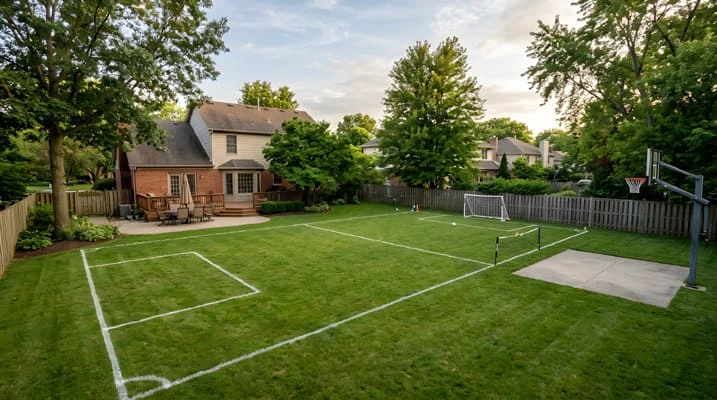
The Essentials for Outdoor Summer Activities at Home
- Engaging children in outdoor activities at home promotes physical health, cognitive development, and emotional resilience simultaneously.
- Designing summer activities with spatial and climatic awareness enhances children’s connection to their immediate environment and sustainability practices.
- Incorporating architectural elements such as shaded areas and adaptable outdoor spaces increases the success and safety of summer activities.
- Outdoor play benefits vary significantly with age, interests, and home setting, requiring adaptable and diverse activity options.
- Experts recommend mixing structured and unstructured outdoor experiences to optimize learning and creativity.
How Outdoor Summer Activities at Home Support Child Development
Outdoor summer activities encompass a broad range of physical, imaginative, and social experiences that take place outside a formal setting. Technically, these activities stimulate motor skills, sensory integration, and social interaction by encouraging children to explore their environment actively.
From an architectural perspective, a well-thought-out outdoor area serves as a dynamic classroom and playground, blending natural elements with safe, adaptable structures.
In practice, children who regularly engage in outdoor play exhibit better concentration, creativity, and emotional regulation. According to a 2023 report by the American Academy of Pediatrics, unstructured outdoor play reduces symptoms of anxiety and improves executive function in children. However, the benefits depend heavily on how these activities are embedded into the home context—whether there is sufficient shade, safe surfaces, and flexible spaces that accommodate different types of play.
“Outdoor activities at home act as a bridge between physical health and cognitive development, but their effectiveness depends on intentional design that respects the child’s environment and needs.”
Designing Summer Activities with Climate and Space in Mind
Climate affects the feasibility and safety of outdoor summer activities significantly. Homes located in warmer regions require strategies that mitigate heat exposure, such as incorporating shaded zones, water play areas, and lightweight, breathable materials for play equipment. Conversely, homes in cooler climates might focus on maximizing sun exposure and using windbreaks.
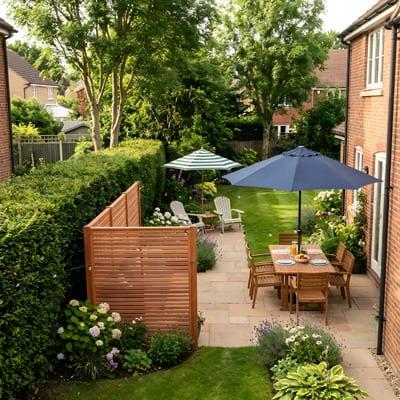
From a spatial standpoint, architects and designers recommend multifunctional outdoor areas that adapt to seasonal changes and various activities.
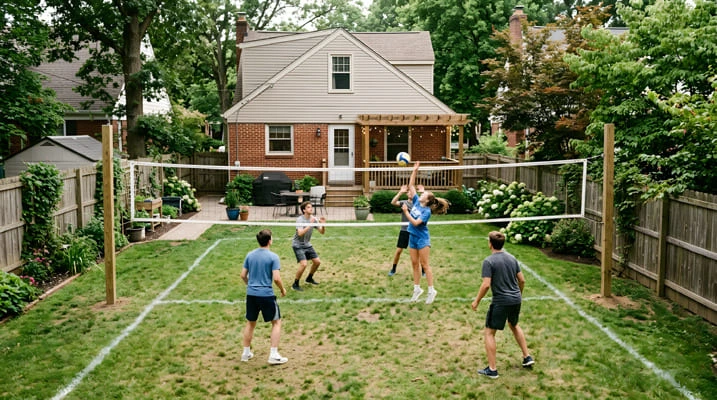
For example, a backyard can serve as a sports field one day and a nature exploration zone the next.
The key is flexibility—movable furniture, modular play structures, and natural elements like trees and gardens encourage varied interactions.
Recognizing these factors enables caregivers to select or create summer activities that are both enjoyable and sustainable, improving children’s relationship with their immediate surroundings.
Five Practical Outdoor Summer Activities for Kids at Home
- Nature Scavenger Hunts: Encourages observation and learning about local flora and fauna while promoting physical movement.
- Water-Based Play: Activities like sprinkler games or DIY water tables cool children down and improve motor coordination.
- Gardening Projects: Planting and tending to a small garden teaches responsibility and provides sensory stimulation.
- Creative Outdoor Art: Using natural materials or washable paints on large canvases to foster creativity and fine motor skills.
- Obstacle Courses: Utilizing household items or garden features to create challenges that build strength and problem-solving skills.
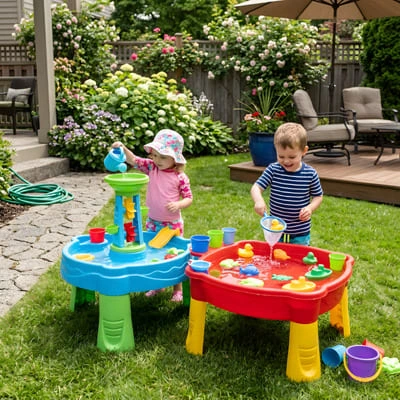
“The most effective outdoor summer activities blend play with learning, adapting to the home’s unique spatial and environmental context.”
Addressing Safety and Accessibility in Home-Based Summer Activities
Ensuring safety is paramount when planning outdoor activities. This includes protecting children from sun exposure, preventing slips and falls, and supervising water play. Architectural considerations such as non-slip surfaces, shaded areas, and well-maintained play equipment reduce risks. Additionally, accessibility must be a priority; activities should accommodate children with different physical abilities and sensory sensitivities.
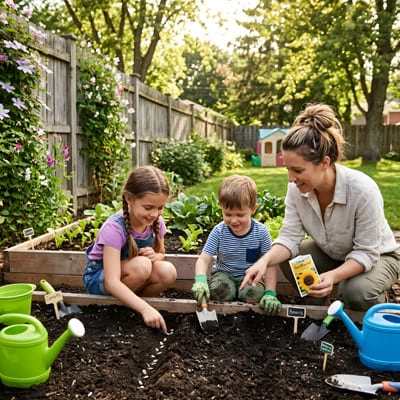
For example, raised garden beds and wide, smooth paths can make gardening and exploration accessible to children with mobility challenges.
Providing quiet zones or sensory-friendly materials allows children who may become overwhelmed by noise or activity to participate comfortably.
These measures not only create safer environments but also foster inclusivity, allowing every child to benefit from outdoor summer engagement.
Integrating Technology and Nature for Balanced Summer Activities
While the focus is on outdoor experiences, technology can complement rather than compete with nature. Tools like plant identification apps or audio recorders encourage children to engage more deeply with their environment. Digital cameras or tablets used outdoors can document discoveries and inspire reflection.
However, it is vital to balance screen time with direct interaction. The goal is to use technology as a bridge that enhances curiosity without replacing hands-on experience. Data from the National Wildlife Federation indicates that children who integrate technology thoughtfully into outdoor play develop stronger environmental stewardship and digital literacy simultaneously.
“Technology, when integrated thoughtfully, enriches outdoor summer activities by deepening engagement without undermining the benefits of unmediated nature interaction.”
Designing and implementing outdoor summer activities at home requires more than just good intentions. It demands an understanding of child development, environmental factors, and spatial design. By combining expertise with practical insight, caregivers can create meaningful, safe, and enriching experiences that foster growth and joy throughout the summer months.
Frequently Asked Questions (FAQ)
What Are Some Low-cost Outdoor Summer Activities for Children at Home?
Low-cost options include nature scavenger hunts using items found in the yard, DIY water play with sprinklers or buckets, and creating obstacle courses from household objects. Gardening with seeds or cuttings is another affordable activity that teaches responsibility and science. These activities require minimal equipment but offer rich opportunities for physical, cognitive, and emotional engagement.
How Can I Make Outdoor Summer Activities Safe During Hot Weather?
Safety in hot weather involves providing shaded areas, scheduling activities during cooler parts of the day, and ensuring children stay hydrated. Lightweight clothing and sunscreen are essential. Additionally, setting up water-based play can help regulate body temperature. Supervising children consistently and adjusting activities based on weather conditions reduce heat-related risks.
What Role Do Outdoor Summer Activities Play in Child Development?
Outdoor activities support physical health by promoting movement and coordination. They enhance cognitive skills through exploration and problem-solving and bolster social and emotional growth by encouraging cooperation and resilience. Engaging with nature also improves attention spans and reduces stress, contributing holistically to a child’s development.
Are Outdoor Summer Activities Suitable for All Age Groups?
Yes, but activities should be tailored to children’s developmental stages. Younger children benefit from sensory play and simple physical challenges, while older kids might enjoy more structured games, gardening, or creative projects. Flexibility and observation are key to adapting activities to fit each child’s abilities and interests effectively.
How Can Technology Be Used Without Detracting from Outdoor Play?
Technology should serve as a tool to enhance learning during outdoor activities, such as using apps for plant identification or nature journaling. It is important to limit screen time and encourage hands-on interaction with the environment. Balanced use ensures technology supports curiosity without replacing direct experiences with nature.

Architect with extensive experience in residential and commercial design, including renovations and modular construction. Love to share information about Architecture, home and lifestyle in this blog.