Last updated on September 14th, 2026 at 05:25 pm
Creating privacy in residential outdoor spaces without resorting to fences is both an art and a science, deeply rooted in thoughtful landscape design. Landscape design, at its core, involves planning and shaping outdoor environments to meet functional, aesthetic, and environmental goals.
When privacy becomes a priority, this discipline offers subtle, climate-conscious strategies that blend architecture, ecology, and human behavior to craft secluded spaces that feel natural and intentional.
Far beyond mere decoration, effective landscape design addresses how people live and interact with their surroundings.
It considers sunlight patterns, prevailing winds, plant selection, and spatial dynamics to form privacy barriers that enhance comfort and well being.
This article explores how landscape design can create privacy without fences, focusing on residential settings where calm, slow, and deliberate interventions replace rigid boundaries.
The Essentials of Creating Privacy Through Landscape Design
- Strategic use of vegetation and topography can establish natural privacy screens that adapt over time, offering a living alternative to fences.
- Architectural elements like pergolas, trellises, and berms integrated with planting designs provide layered privacy tailored to climate and user needs.
- Successful designs anticipate seasonal changes and human movement, ensuring privacy is maintained without compromising light, airflow, or views.
- Climate-aware plant choices reduce maintenance and enhance sustainability, shaping private spaces that thrive in their specific environmental context.
- Understanding human behavior and sight lines is critical; privacy solutions should respect both the residents’ and neighbors’ experience to foster harmonious outdoor living.
How Landscape Design Creates Privacy Without Fences
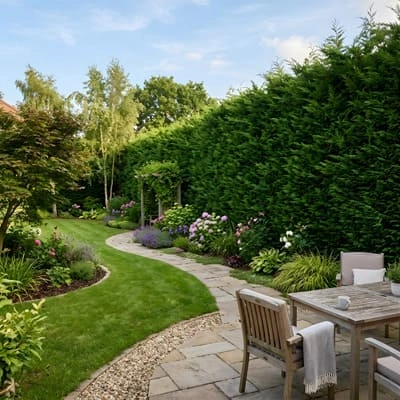
Landscape design extends beyond simple plant placement to a comprehensive approach that shapes outdoor rooms and boundaries through living and structural elements. Privacy without fences involves manipulating visual and physical barriers by layering plants, terrain, and built components. Trees and shrubs with dense foliage, when positioned carefully, block sight lines. Berms (raised earth mounds) add height and depth, subtly screening areas without harsh visual interruption.
Planting design includes selecting species with appropriate growth habits for the local climate, ensuring year-round coverage. For example, evergreen trees like arborvitae or holly provide consistent screening, while deciduous trees add seasonal flexibility. Integrating architectural features such as pergolas with climbing vines or lattice screens creates vertical privacy and defines spaces without enclosure.
“In practice, landscape design for privacy works best when it balances natural growth cycles with intentional spatial planning — a fence can isolate, but living walls invite connection and resilience.”
Unlike fences, which impose a rigid boundary, landscape design allows for permeability—light, air, and partial views can be maintained in ways that enhance outdoor experience. This approach respects both environmental conditions and social contexts, avoiding the isolation often associated with fences.
Choosing Plants and Materials for Effective Privacy Screens
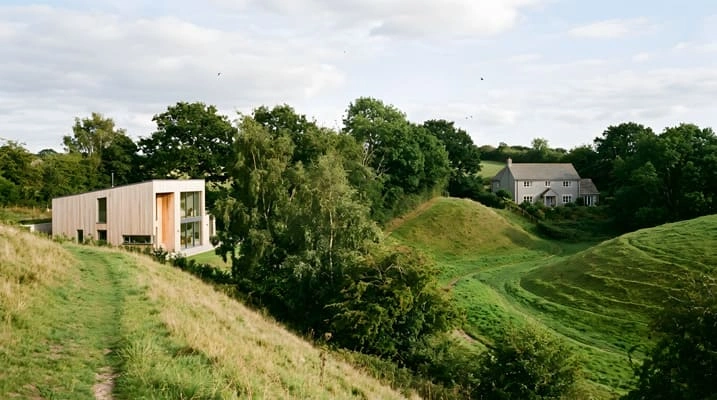
Plant selection is pivotal in crafting privacy through landscape design. The ideal plants suit the local climate, soil type, and maintenance capacity while providing the necessary density and height. Conifers such as Leyland cypress or Eastern red cedar are favored in temperate zones for their year-round coverage. In warmer climates, dense shrubs like oleander or bamboo offer fast-growing alternatives.
Materials for built elements should complement plantings and support their growth.Wood and metal trellises, stone retaining walls, and raised beds can serve as structural backbones for climbing plants, adding visual interest and solidity to privacy screens.
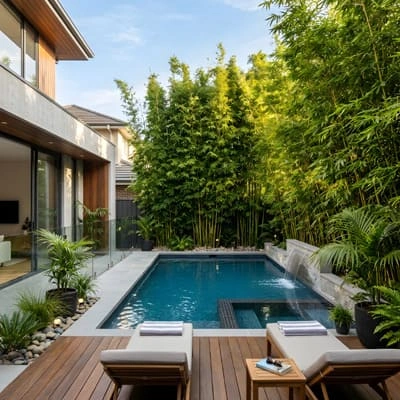
Incorporating permeable materials ensures airflow and light penetration, essential for healthy vegetation and comfort.
Maintenance considerations must balance aesthetics with practicality.
Overgrown or poorly maintained screens can compromise privacy and become liabilities.
Native and drought-tolerant species reduce water usage and resist pests, aligning with sustainable landscape principles emphasized by institutions such as the USDA
.
Integrating Topography and Microclimate in Privacy Design
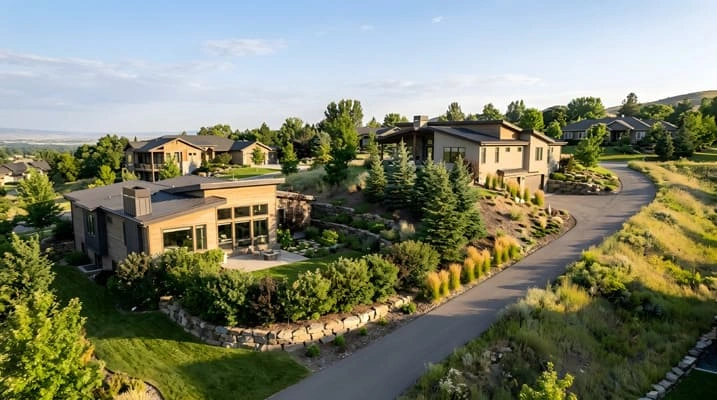
Topography influences how privacy can be achieved naturally. Elevation changes create opportunities to shield areas without visual barriers. For instance, placing seating areas on a lower grade behind a berm or hillside can provide immediate seclusion. Conversely, raised planting beds can block unwanted views while enhancing garden interest.
Microclimate factors—sun, wind, moisture—also dictate plant choice and placement. Windbreaks composed of layered vegetation reduce drafts and noise, increasing privacy comfort. Proper orientation maximizes shade and sunlight where desired, preventing privacy solutions from becoming oppressive or dark.
“The difference between a successful privacy landscape and a mere screen lies in the responsive use of landform and climate, not just the density of plants.”
Recognizing these nuances ensures privacy features do not negate outdoor usability. For example, a solid hedge may block views but also reduce ventilation, making a patio uncomfortable. Combining berms with open-canopy trees can maintain airflow while screening effectively.
Human Behavior and Privacy: Designing with Social Context in Mind
Privacy in landscape design is not solely a physical matter; it is deeply social. Understanding how residents and neighbors interact with outdoor spaces shapes effective solutions. sight lines must consider common pathways, window views, and gathering spots. Overly aggressive screening can create feelings of isolation or suspicion, while insufficient privacy may discourage outdoor use.
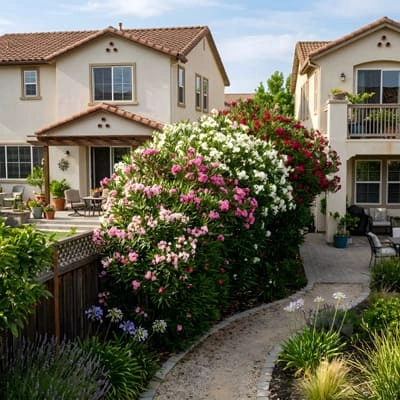
Designers often use “outdoor rooms” to define functional zones that cater to different activities and privacy needs. For example, a secluded reading nook may be enclosed by taller shrubs and a pergola, while a family play area remains open yet shielded from street views.
This layered approach reflects how people use space variably throughout the day and year.
In practice, I observed a suburban home where a combination of staggered hedges, a raised deck with a lattice screen, and strategically placed trees created privacy without fences. Neighbors appreciated the openness because the design respected mutual sight lines and maintained a sense of community.
Limitations and Considerations When Avoiding Fences in Landscape Design
While landscape design can substitute fences for privacy, it is not a universal solution. Living screens require time to mature and ongoing maintenance to remain effective. In dense urban areas, space constraints may limit plant size and diversity, reducing screening potential. Some climates challenge the longevity of certain species, necessitating replacements or supplementary structures.
Legal restrictions and neighborhood covenants sometimes mandate fences for property demarcation, making alternative solutions complex. Additionally, privacy needs vary—some situations demand immediate, solid barriers that only fences provide. In these cases, blending fences with landscape design can yield better results than relying on vegetation alone.
Experts like those at the American Society of Landscape Architects emphasize that combining hardscape and landscape elements tailored to site-specific conditions optimizes both privacy and environmental integration.
“This method works well in suburban and rural contexts but often fails in tight urban lots where space and regulations restrict living barriers.”
Recognizing these limits ensures realistic expectations and guides appropriate design choices. Privacy is ultimately a balance between physical barriers and social comfort.
Next Steps: Applying Landscape Design Principles for Privacy
Transforming your outdoor space to achieve privacy without fences starts with a site analysis—mapping sight lines, sun paths, wind direction, and existing vegetation. Prioritize climate-appropriate plants and materials that support your lifestyle and maintenance capacity. Layering elements—topography, vegetation, and structures—builds depth and resilience in privacy solutions.
Engage with local extension services or landscape professionals to source native plants and understand regulatory constraints. Begin with temporary or movable screens to test effectiveness before committing to permanent plantings. This iterative approach aligns with the slow, intentional ethos critical to successful landscape design.
Ultimately, privacy through landscape design enriches outdoor living by fostering spaces that feel natural, connected, and thoughtfully enclosed. Implementing these strategies encourages a deeper relationship to place and community.
Frequently Asked Questions (FAQ)
What Are the Most Effective Plants for Privacy Screens in Residential Landscapes?
Effective plants for privacy screens vary by climate but generally include evergreens such as arborvitae, holly, and Leyland cypress in temperate regions, providing year-round coverage. In warmer areas, bamboo and oleander offer fast growth and dense foliage. Native species are preferable due to their adaptability and lower maintenance. Combining different plant types creates layered textures and seasonal interest while maintaining consistent screening.
How Long Does It Typically Take for Landscape Design to Provide Full Privacy Without Fences?
The timeline depends on the species chosen and growing conditions but generally ranges from 2 to 5 years for plants to reach sufficient density for privacy. Faster-growing plants like bamboo may provide coverage within a year, whereas slower species require patience. Incorporating structural elements like trellises with vines can offer immediate screening during plant establishment.
Can Landscape Design for Privacy Reduce Noise Pollution as Well?
Yes, thoughtfully designed vegetation and topography can reduce noise by absorbing, deflecting, or blocking sound waves. Dense shrubs and trees, especially when combined with earth berms, create effective sound barriers. However, the degree of noise reduction varies, and in high-noise environments, additional measures such as sound walls might be necessary.
Are There Maintenance Challenges Associated with Using Plants Instead of Fences for Privacy?
Maintaining living privacy screens requires regular pruning, watering, and pest management to prevent overgrowth or thinning. Seasonal changes may affect screen density, requiring seasonal adjustments. Unlike fences, plants are living systems sensitive to disease and environmental stress, so commitment to ongoing care is essential to preserve privacy and aesthetics.
How Does Landscape Design Respect Neighbors’ Privacy While Creating Private Spaces?
Successful privacy design balances screening with openness by considering mutual sight lines and social dynamics. Instead of complete visual blockade, designers use partial screens and staggered plantings to maintain connection and avoid creating fortress-like environments. This approach fosters community harmony while providing residents with comfortable, private outdoor areas.

Architect with extensive experience in residential and commercial design, including renovations and modular construction. Love to share information about Architecture, home and lifestyle in this blog.