Last updated on September 14th, 2026 at 05:32 pm
Balcony beekeeping is an innovative and sustainable practice that supports pollinators, essential allies for thriving residential gardens and urban green spaces. This approach combines the benefits of urban agriculture with ecological stewardship, making it a vital strategy in promoting biodiversity. Understanding flowers, type of residential flowers, and their relationship with pollinators is crucial to creating a balanced ecosystem on your balcony.
Pollinators such as bees play a critical role in the reproduction of many residential flowers, affecting food production and natural beauty. However, urban environments often lack sufficient pollinator habitats, creating an opportunity to integrate balcony beekeeping as a practical solution. Residents can actively contribute to environmental health while enriching their living spaces with thoughtfully selected floral species.
This article explores the types of residential flowers that support balcony beekeeping, the architectural considerations for urban beehives, and how to create a climate-aware, human-centered balcony garden that fosters pollinators. Readers will gain expert insights into selecting and maintaining flowers, enhancing biodiversity, and responsibly managing balcony beekeeping.
Understanding Residential Flowers and Their Role in Balcony Beekeeping
The Importance of Flowers for Urban Pollinators
Flowers serve as the primary food source for urban pollinators, including honeybees and native bee species. Residential flowers produce nectar and pollen, which are vital for the survival of these insects. Choosing the right types of residential flowers can significantly influence pollinator health and activity on a balcony.
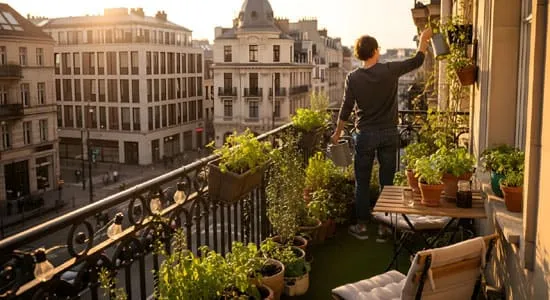
Urban balconies often have limited space and microclimates, which affect flower growth and pollinator presence.
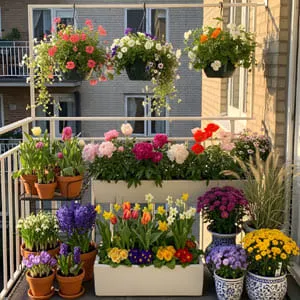
.Selecting flowers that thrive in these conditions ensures a stable food supply for bees. Moreover, flowers contribute to the aesthetic and ecological value of residential spaces, aligning with architectural intent rather than mere decoration.
Understanding the symbiotic relationship between pollinators and flowers encourages intentional planting and maintenance. This knowledge helps create a slow, calm, and sustainable balcony garden that supports biodiversity while respecting urban living constraints.
Types of Residential Flowers Ideal for Balcony Gardens
When selecting flowers for balcony beekeeping, consider species that bloom sequentially to provide continuous forage throughout the seasons. Native flowering plants are often better suited to local pollinators and climatic conditions. Perennials, herbs, and flowering shrubs can all be integrated into a residential balcony environment.
Examples include lavender, coneflowers, sunflowers, and bee balm, which are known for attracting bees and other pollinators.
Incorporating a diversity of flower types enhances the resilience of the balcony ecosystem, reduces pests naturally, and improves flowering success.
Additionally, choosing flowers with varying shapes and colors appeals to different pollinator species, increasing biodiversity. Thoughtful plant selection reflects a climate-aware and human-centered design approach, ensuring the balcony remains functional, beautiful, and ecologically productive.
How Balcony Beekeeping Enhances Flower Pollination
Balcony beekeeping provides a direct link between pollinators and residential flowers, improving pollination rates and plant health. Managed hives on balconies can boost local bee populations, which in turn supports flowering plants in the immediate and surrounding areas.
Pollination increases seed production and flower vitality, which is especially valuable in confined urban spaces where biodiversity may be limited.
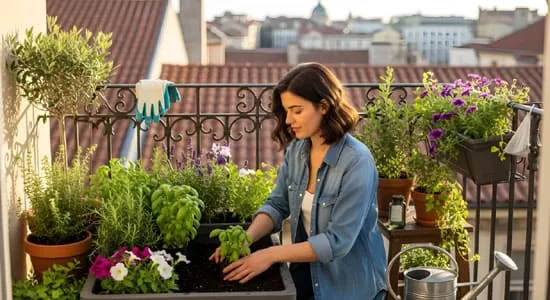
Balcony beekeeping creates a microhabitat that sustains both bees and flowers, fostering an intentional, slow urban ecology.
By integrating beekeeping into residential spaces, architects and residents can enhance the symbiotic relationship between architecture, flora, and fauna, promoting a balanced and thriving urban environment.
Choosing Flowers That Support Pollinators in Residential Settings
Native Vs. Non-Native Flowers for Balcony Gardens
- Native flowers support local pollinator species more effectively.
- Non-native flowers can provide aesthetic variety but may not offer optimal nectar or pollen.
- Native plants are often more resilient to local climate conditions and pests.
- Invasive non-native species should be avoided to protect biodiversity.
- Consult local ecological guidelines for flower selection.
Native flowers have evolved alongside local pollinators, offering tailored nectar and pollen resources. Their adaptation to local climate and soil conditions often results in improved survival and growth rates, making them ideal for balcony gardens. Conversely, non-native species, while sometimes visually appealing, may lack the nutritional value required by local bees.
Careful consideration of native versus non-native flowers supports a resilient and sustainable pollinator habitat. This strategy aligns with climate-aware design principles and promotes ecological balance in urban residential environments.
Flower Bloom Timing and Pollinator Support
Continuous blooming periods are critical for maintaining a steady food supply for pollinators. Selecting flowers that bloom at different times throughout the year ensures that bees have access to nectar and pollen across seasons. This reduces food scarcity and supports hive health.
For example, early spring blooms such as crocus and hellebore provide initial nourishment, while summer and fall flowers like asters and goldenrod sustain pollinators later in the year. This temporal diversity is essential for urban balcony ecosystems, which face more environmental constraints than open gardens.
Incorporating bloom timing into flower selection reflects an intentional and architectural approach to planting, promoting slow yet effective growth cycles and pollinator support.
Climate Considerations for Flower Selection
| Flower Type | Climate Suitability | Pollinator Attraction Level |
|---|---|---|
| Lavender | Temperate, Dry | High |
| Bee Balm | Temperate, Humid | High |
| Sunflower | Warm, Sunny | Medium |
| Coneflower | Temperate, Dry | High |
Climate plays a significant role in flower survival and pollinator activity. Selecting flowers that match the local climate of the residential area ensures better growth and more effective pollination. For example, drought-tolerant species like lavender thrive in dry, sunny balconies, while more moisture-loving flowers such as bee balm suit humid environments.
Climate-aware flower selection supports a sustainable balcony ecosystem, reducing water needs and maintenance while enhancing pollinator attraction. This approach aligns with principles of slow, intentional urban gardening that respects environmental constraints.
Designing a Pollinator-Friendly Balcony Garden
Spatial Planning and Flower Arrangement
- Group flowers by bloom time to ensure continuous nectar availability.
- Position taller flowers toward the back for sunlight optimization.
- Use containers that provide sufficient soil depth and drainage.
- Incorporate vertical gardening to maximize limited space.
- Place flowers near the hive for easy pollinator access.
Strategic spatial planning is essential for creating a productive balcony garden that supports pollinators. Arranging flowers according to bloom time and height maximizes sunlight exposure and accessibility for bees. Incorporating vertical planters and tiered containers extends planting area without compromising the calm and intentional design aesthetic.
Ensuring easy access between hives and flowers encourages efficient pollination and reduces bee stress. This design approach combines architectural principles with ecological function, creating a residential space that is both beautiful and purposeful.
Integrating Pollinator Habitat Features
Beyond flowers, providing additional habitat features supports pollinator health and biodiversity. Elements such as bare soil patches, bee hotels, and water sources create a welcoming environment for a variety of pollinator species.
Bee hotels offer nesting sites for solitary bees, while shallow water dishes with stones allow safe hydration. These features complement flowering plants and enhance the ecological complexity of the balcony garden.
Integrating habitat features reflects a human-centered, architectural approach that values slow, intentional design and acknowledges the actual needs of pollinators, not just decorative appeal.
Maintenance Practices for Sustainable Flower Growth
Maintaining flowers in a balcony garden requires regular care tailored to the plants’ needs and pollinator support. Practices include organic fertilization, pest management without harmful chemicals, and appropriate watering schedules.
Deadheading spent blooms encourages further flowering, while avoiding pesticide use protects bees and other beneficial insects. Mulching can conserve soil moisture and regulate temperature, enhancing plant health in confined balcony containers.
Consistent but measured maintenance aligns with climate-aware gardening principles, promoting resilience and slow growth that benefits both flowers and pollinators.
Types of Residential Flowers That Maximize Pollinator Activity
Perennial Flowers Supporting Balcony Bees
- Lavender (Lavandula spp.) – drought-tolerant and highly attractive.
- Bee Balm (Monarda spp.) – vibrant flowers attracting diverse species.
- Coneflower (Echinacea spp.) – robust and long-blooming.
- Goldenrod (Solidago spp.) – late-season nectar source.
- Salvia (Salvia spp.) – excellent for continuous bloom cycles.
Perennial flowers are ideal for balcony gardens as they provide reliable, recurring resources for pollinators year after year. Their durability and adaptability to container planting make them architecturally suitable for residential settings. These flowers also contribute to a slow-growing, intentional garden aesthetic that complements urban living.
By integrating perennial flowers, balcony beekeepers create a stable habitat that supports pollinator populations and enhances the overall health of residential flowers on their balconies.
Annuals That Boost Pollination on Balconies
Annual flowers, despite their shorter life cycle, can significantly contribute to pollinator support when chosen carefully. Species like sunflowers, cosmos, and zinnias bloom profusely, providing abundant nectar and pollen throughout the growing season.
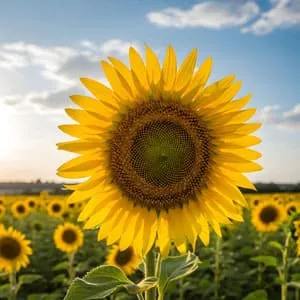
These plants offer flexibility in design and can be rotated seasonally to maintain continuous bloom and resource availability for bees. Their vibrant colors and diverse forms add visual interest while serving an ecological function.
Incorporating annuals complements perennials and enhances the architectural layering of the balcony garden, supporting pollinator diversity and activity.
Herbs as Functional Residential Flowers for Bees
| Herb | Flowering Period | Pollinator Benefit |
|---|---|---|
| Thyme | Late Spring to Summer | High nectar production |
| Basil | Summer | Attracts bees and butterflies |
| Mint | Summer to Early Fall | Continuous nectar source |
Herbs provide dual function as culinary plants and pollinator-friendly flowers. They are well-suited to container gardening and often thrive in balcony conditions. Herbs like thyme, basil, and mint produce flowers that attract bees, supporting hive nutrition and biodiversity.
Their compact size and ease of maintenance make them excellent choices for intentional, slow gardening that honors the real-life needs of residents and pollinators alike.
Architectural and Climate-Aware Considerations for Balcony Beekeeping
Structural Requirements for Balcony Beekeeping
Balcony beekeeping demands careful architectural planning to ensure safety, accessibility, and hive stability. The structure must accommodate the weight of the hive and allow for proper ventilation and sunlight exposure. Balconies with stable, flat surfaces and protection from strong winds are ideal.
Additionally, proximity to flowering plants and water sources enhances hive productivity. The design must comply with local regulations and consider neighbors’ comfort and safety, integrating beekeeping seamlessly into residential life.
This architectural sensitivity exemplifies a slow, intentional approach that balances human habitation with ecological function.
Climate Adaptation Strategies for Urban Beekeeping
Climate-aware beekeeping involves selecting hive locations and flower species that match local weather patterns. In hot climates, providing shade and water prevents hive overheating, while in cooler areas, insulation helps maintain hive warmth.
Adapting floral choices to seasonal extremes ensures pollinators have continuous forage despite climatic fluctuations. Monitoring microclimates on balconies guides maintenance practices and hive management, supporting sustainable pollinator populations.
These strategies emphasize resilience and ecological harmony, cornerstone principles for climate-aware residential gardening.
Human-Centered Design and Pollinator Interaction
Designing balconies that encourage positive human-pollinator interactions fosters awareness and care for urban biodiversity. Clear pathways, safe hive access, and visual connection to flowers engage residents with their environment.
Educational signage or design elements can inform and inspire occupants about the importance of pollinators and flowers. This human-centered approach respects residents’ lifestyles and enhances the slow, meaningful experience of urban gardening.
Such integration of ecological and social design reflects advanced architectural thinking that prioritizes wellbeing and environmental stewardship.
Enhancing Pollinator Diversity Through Flower Selection
Flower Characteristics That Attract Diverse Pollinators
- Varied flower shapes (tubular, open, clustered) for different pollinator species.
- Range of flower colors to attract bees, butterflies, and hummingbirds.
- Strong, sweet nectar scent to guide pollinators.
- Flowers with accessible pollen and nectar for both long and short-tongued pollinators.
- Seasonal bloom variation to support lifecycle needs.
Choosing flowers with diverse characteristics maximizes pollinator diversity on balconies. Different species of bees, butterflies, and even hummingbirds are attracted to specific flower traits, so variety in form, color, and scent is essential. This diversity supports a healthy, resilient pollinator community and enhances the ecological function of residential flowers.
Intentional design that incorporates these characteristics contributes to a slow, thoughtful approach to urban pollinator habitat creation.
Native Flower Varieties for Pollinator Diversity
Native flowers often support specialized pollinators that may not visit non-native species. Including species such as milkweed for monarch butterflies or goldenrod for native bees enriches the pollinator population. This targeted planting helps sustain local ecological networks and promotes biodiversity.
Native plants also tend to require less maintenance and are more adapted to local climate variability, making them sustainable choices for balcony gardens. Their inclusion reflects a commitment to ecological integrity in residential design.
Using native flowers is a key strategy in creating a balanced and climate-aware pollinator garden on balconies.
Benefits of Pollinator Diversity for Residential Flowers
| Pollinator Type | Preferred Flower Traits | Contribution to Pollination |
|---|---|---|
| Honeybees | Open flowers with accessible nectar | Efficient pollination of many flower types |
| Butterflies | Brightly colored, tubular flowers | Pollinate deep flowers and transfer pollen between plants |
| Native solitary bees | Small, clustered flowers | Pollinate early blooming and native flowers |
Diverse pollinator communities improve pollination efficiency and plant reproduction in residential flower gardens. Different species target different flower types and bloom times, ensuring comprehensive pollination coverage. This diversity creates resilient urban ecosystems that are less vulnerable to environmental changes.
Enhancing pollinator diversity through thoughtful flower selection aligns with architectural principles of ecological balance and climate responsiveness.
Integrating Flowers and Beekeeping Into Sustainable Urban Living
Balcony Beekeeping as Part of Urban Sustainability
Balcony beekeeping contributes to urban sustainability by supporting pollinator populations, which are vital for food security and biodiversity. It transforms underutilized spaces into productive ecosystems that improve air quality, reduce urban heat effects, and connect residents with nature.
This practice embodies slow living and intentional design, emphasizing quality over quantity and fostering mindful interaction with the environment. It also promotes community awareness and environmental stewardship in dense urban contexts.
Incorporating flowers suitable for pollinators enhances these sustainability benefits, creating a holistic approach to urban green spaces.
Architectural Design Supporting Pollinator-Friendly Balconies
Architects and designers can integrate pollinator-friendly elements into residential projects by prioritizing green balconies, native plantings, and structural support for beekeeping. This foresight ensures that urban environments contribute positively to ecological networks and residents’ wellbeing.
Design considerations include sunlight optimization, wind protection, and water management, all crucial for supporting flowers and bees.

Such integration moves beyond decoration, embedding ecological function into the architectural fabric.
This approach aligns with international standards for sustainable urban development and climate adaptation.
Future Trends in Residential Flower and Pollinator Integration
- Smart balcony gardens with sensors for climate and pollinator activity monitoring.
- Increased use of native and climate-resilient flower species.
- Community-based urban beekeeping networks enhancing pollinator corridors.
- Architectural innovations promoting vertical and modular pollinator habitats.
- Educational initiatives linking residents with urban ecology.
Emerging trends in urban living emphasize the integration of flowers and pollinator habitats as essential components of residential architecture. Technology and community engagement will play important roles in enhancing these ecosystems, making balcony beekeeping increasingly accessible and effective.
These developments reflect a slow, intentional, and climate-aware vision for urban life that values biodiversity and human connection to nature.
Balcony beekeeping supported by well-chosen flowers, type of residential flowers, offers a unique opportunity to enhance urban biodiversity and sustainability. By selecting appropriate flowers, designing thoughtfully, and maintaining hives responsibly, residents can contribute to pollinator health and enrich their living spaces. This human-centered, climate-aware approach merges architectural expertise with ecological stewardship, creating tranquil and productive urban sanctuaries.
Consider starting your balcony garden today by selecting native, pollinator-friendly flowers and exploring beekeeping options. Your efforts help secure vital pollination services for the future while enhancing your home environment with calm, intentional greenery.
Frequently Asked Questions ( FAQ)
What Types of Flowers Are Best for Attracting Pollinators on Balconies?
Native perennial flowers such as lavender, bee balm, and coneflower are excellent for attracting pollinators. These species provide ample nectar and pollen, bloom sequentially, and adapt well to balcony conditions. Including a mix of flower shapes and colors further supports diverse pollinator species.
Is Balcony Beekeeping Safe for Neighbors and Residents?
With proper hive management and placement, balcony beekeeping is safe. Ensuring the hive is secure, providing adequate space, and following local regulations minimizes risks. Educating residents and neighbors about bees’ behavior helps foster coexistence and appreciation.
How Can I Maintain Flowers to Support Pollinators Year-round?
Select flowers with staggered blooming periods and include both perennials and annuals. Regular maintenance such as watering, deadheading, and avoiding pesticides keeps flowers healthy. Adding habitat features like bee hotels and water sources further supports pollinators throughout the year.
Can I Keep Bees on a Small Urban Balcony?
Yes, with careful planning and suitable hive selection, small balconies can support beekeeping. Choose compact hives, position them for sunlight and wind protection, and ensure access to sufficient flowering plants nearby. Responsible management is key to success in limited spaces.
How Does Climate Affect Flower and Pollinator Selection for Balconies?
Climate influences flower survival and pollinator activity. Selecting flowers adapted to local temperature, humidity, and sunlight conditions improves growth and nectar production. Climate-aware hive management, including shading and insulation, ensures pollinator health in varying weather.

Architect with extensive experience in residential and commercial design, including renovations and modular construction. Love to share information about Architecture, home and lifestyle in this blog.