Last updated on September 14th, 2026 at 05:29 pm
In an era dominated by rapid urbanization and relentless schedules, slow living is reshaping how we conceive of home. This lifestyle philosophy advocates for intentionality, calmness, and a deeper connection between people and their living environments. Rooted in architectural sensibility and climate awareness, slow living challenges the traditional notion of home as merely a functional shelter, emphasizing instead spaces that nurture wellbeing and sustainability.
Slow living is more than a trend—it is a deliberate response to the pace and pressures of modern life.
It invites us to rethink design, material choices, and daily rhythms at home, fostering environments where time is savored rather than rushed.
This article explores why slow living is transforming residential architecture and how it aligns with human-centered, climate-conscious principles.
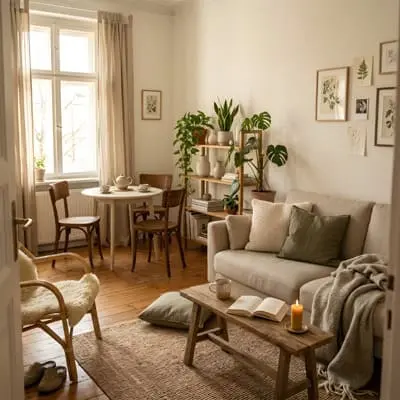
The Essentials of Slow Living at Home
- Slow living integrates architectural design with human experience, promoting spaces that encourage mindfulness and intentional use.
- It prioritizes sustainability, favoring natural materials, passive climate control, and long-lasting craftsmanship to reduce environmental impact.
- Homes designed with slow living principles often feature flexible layouts that adapt to changing needs, reflecting real daily life rather than idealized aesthetics.
- This approach balances tradition and innovation, blending timeless design elements with modern technology to support comfort and resilience.
- Slow living fosters a deep connection to place and community, advocating for local resources and thoughtful engagement with surroundings.
How Slow Living Redefines Residential Architecture and Design
Slow living in residential architecture centers on creating spaces that respond thoughtfully to inhabitants’ rhythms and environmental conditions. Unlike conventional fast-paced trends, this approach values quality over quantity, emphasizing durability and timelessness. It incorporates natural light, ventilation, and materials like wood, stone, and clay, which age gracefully and contribute to indoor air quality.
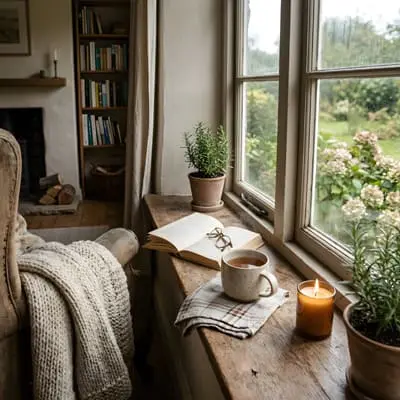
Architects practicing slow living avoid overdesign and unnecessary ornamentation. Instead, they focus on spatial clarity and materials’ intrinsic qualities.
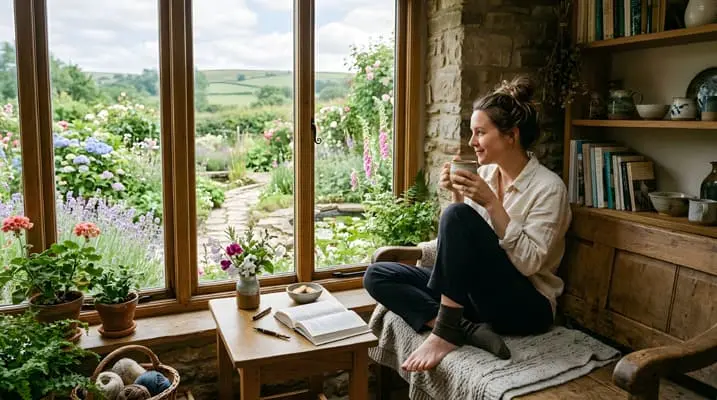
This creates homes that feel grounded and calming, encouraging occupants to slow down and engage more deeply with their space. For example, a well-placed window that frames a natural view can profoundly impact one’s sense of peace and connection.
“Slow living homes are not about resisting modern life but about aligning design with the natural pace of human activity and environmental cycles.”
The Role of Sustainability and Climate Awareness in Slow Living Homes
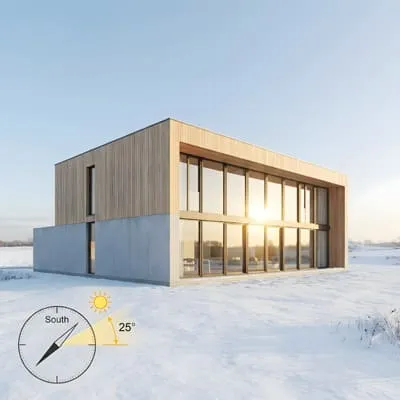
Climate awareness is integral to slow living, influencing both material selection and building orientation. Passive design strategies—such as strategic shading, cross-ventilation, and thermal mass—reduce energy consumption and increase comfort without reliance on mechanical systems. These choices reflect an understanding of local climate patterns and resource availability.
Slow living also embraces circular economy principles by encouraging the reuse of materials and minimizing waste.
This reduces the carbon footprint associated with construction and renovation. According to data from the U.S. Green Building Council, buildings account for nearly 40% of energy consumption, making sustainable design essential to environmental stewardship.
However, it is important to note that while slow living strategies excel in temperate climates, their application may require adaptation in extreme environments where passive measures alone are insufficient.
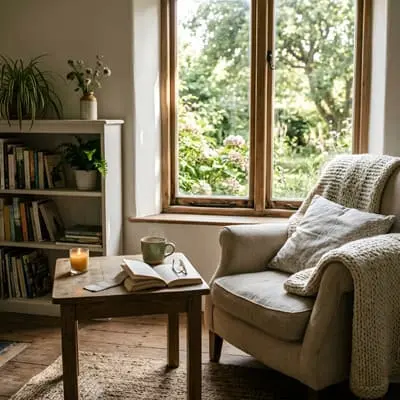
Human-Centered Design: Making Space for Real Life
Slow living homes prioritize inhabitants’ needs over architectural fashion. This means designing for flexibility, comfort, and meaningful daily experiences. For instance, multipurpose rooms allow families to adapt spaces for work, play, and rest, reflecting the fluid nature of contemporary life.
Human-centered design also considers sensory experience—texture, light, sound, and temperature—to create environments that support mental and physical wellbeing. Evidence from environmental psychology shows that natural materials and daylight exposure reduce stress and improve mood, demonstrating the tangible benefits of slow living principles.
“A home that embraces slow living is a sanctuary that nurtures the rhythms and realities of its occupants rather than imposing rigid ideals.”
Practical Steps to Incorporate Slow Living Principles at Home
Implementing slow living starts with intentional choices in everyday life and spatial design. Selecting durable, locally sourced materials and maximizing natural light are foundational actions.
Homeowners can also declutter intentionally, focusing on quality possessions that bring joy and utility rather than quantity.
In renovation or new construction, collaborating with architects who understand slow living ensures that homes are designed to last and adapt.
Simple measures like installing operable windows, designing for natural airflow, and choosing finishes that age well contribute significantly to sustainability and comfort.
- Prioritize natural ventilation and daylighting in all rooms.
- Choose materials that have low environmental impact and high durability.
- Design flexible spaces to accommodate evolving household needs.
- Integrate elements that connect occupants to the outdoors, such as gardens or terraces.
- Reduce reliance on synthetic finishes and disposable products in favor of handmade or artisanal alternatives.
Challenges and Nuances in Applying Slow Living to Modern Homes
While the ideals of slow living are compelling, practical challenges exist. Urban density and zoning laws often limit the ability to fully implement passive design strategies or use certain materials. Additionally, the upfront cost of sustainable, handcrafted materials can be higher, requiring a longer-term perspective on investment.
There is also a cultural dimension; not all lifestyles or regions value or can afford the slower pace that slow living promotes. Some occupants require more dynamic, multifunctional spaces that prioritize efficiency over tranquility. Recognizing these nuances is key to responsibly applying slow living without idealizing it as a universal solution.
Ultimately, slow living is best understood as a flexible framework rather than a rigid prescription, adaptable to diverse contexts and needs.
Frequently Asked Questions (FAQ)
What Exactly is Slow Living in the Context of Home Design?
Slow living in home design refers to creating living spaces that emphasize intentionality, sustainability, and comfort. It involves using natural materials, optimizing for natural light and ventilation, and designing flexible spaces that respond to occupants’ real-life needs. This approach encourages a deliberate lifestyle that values time, quality, and environmental responsibility.
How Does Slow Living Contribute to Sustainability in Housing?
Slow living promotes sustainability by prioritizing materials and design strategies that reduce energy consumption, waste, and environmental impact. Passive climate control, durable materials, and local sourcing minimize resource use and carbon footprint. This holistic approach aligns closely with green building certifications and environmental standards, making homes more eco-friendly over their lifespan.
Can Slow Living Principles Be Applied in Urban Apartments?
Yes, slow living principles can be adapted for urban apartments through mindful space planning, decluttering, and incorporating natural elements like plants and daylight. While some passive design options may be limited in dense settings, features such as operable windows, thermal comfort improvements, and sustainable materials remain valuable. The key is intentionality and prioritizing wellbeing within constraints.
What Role Does Human-centered Design Play in Slow Living?
Human-centered design is fundamental to slow living, focusing on creating spaces that support occupants’ physical and emotional needs. It emphasizes flexibility, sensory comfort, and adaptability, ensuring that homes accommodate changing lifestyles and promote wellbeing. This approach moves beyond aesthetics to consider how people truly live and interact with their environments.
Are There Any Limitations or Criticisms of Slow Living?
Slow living is not a one-size-fits-all solution. Its principles may be challenging to implement in areas with strict building codes, limited budgets, or fast-paced lifestyles. Additionally, some critics argue that it can be idealistic or inaccessible for many people. However, when adapted thoughtfully, slow living offers valuable guidelines for more sustainable and mindful living.

Architect with extensive experience in residential and commercial design, including renovations and modular construction. Love to share information about Architecture, home and lifestyle in this blog.