Last updated on September 14th, 2026 at 05:26 pm
Designing a baby room involves more than just picking cute décor; it requires thoughtful consideration of materials, lighting, and spatial arrangement to create a nurturing environment. A baby room is a dedicated space tailored to support an infant’s growth, comfort, and safety, while also responding to the rhythms of family life. Incorporating natural materials and soft lighting plays a crucial role in establishing a calm, healthy atmosphere that promotes wellbeing and development.
This article explores how modern nursery designs, grounded in architectural principles and climate awareness, use natural elements and careful lighting choices to enhance the baby room. It offers a detailed, experience-based perspective on creating spaces that are both functional and intentionally calming, reflecting how families actually live and grow together.
The Essentials of a Thoughtful Baby Room
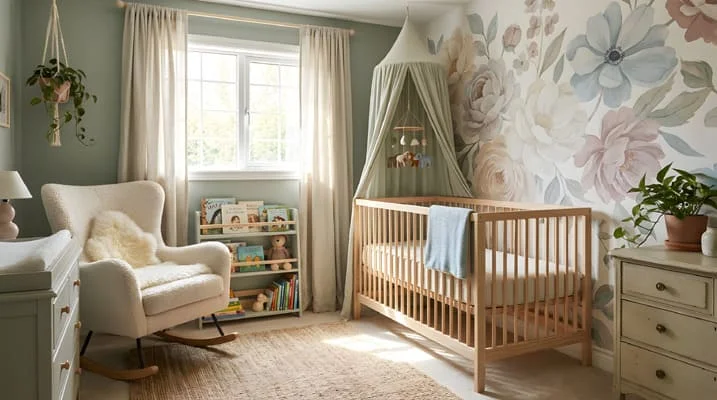
- Natural materials like sustainably sourced wood and organic textiles improve indoor air quality and tactile comfort for infants.
- Soft, adjustable lighting reduces overstimulation, supporting healthy sleep patterns and visual development.
- Climate-aware design strategies ensure the baby room maintains a stable, comfortable environment year-round with minimal energy use.
- Spatial layout prioritizes safety, accessibility, and adaptability as the child grows, reflecting real family dynamics.
- Integrating architectural insight with human-centered design creates a timeless space that balances aesthetics and function.
Why Natural Materials Are Fundamental in a Baby Room
The use of natural materials in nursery design is more than a trend; it’s a practice rooted in health and sustainability. Natural materials—such as solid wood, organic cotton, wool, and natural latex—offer non-toxic, breathable surfaces that reduce exposure to volatile organic compounds (VOCs) and allergens. For example, sustainably harvested hardwood furniture avoids the formaldehyde emissions common in particleboard or laminate options.
From a sensory perspective, these materials provide gentle tactile feedback. Infants explore textures as part of their cognitive development, so the warmth and subtle irregularities of natural fibers contribute to sensory richness. Additionally, natural finishes like beeswax or plant-based oils protect surfaces without harmful chemicals, ensuring durability and safety.
However, not all natural materials are created equal. Some woods may be prone to splintering or require careful finishing to avoid hazards. Organic certification can vary, so selecting verified sources is essential. According to the Environmental Protection Agency (EPA), reducing indoor air pollutants in infant spaces correlates with fewer respiratory issues during early childhood (EPA Indoor Air Quality and Health).
“Natural materials in baby rooms create environments that nurture both infant health and sensory development, reducing chemical exposure while enhancing tactile experience.”
Soft Lighting Strategies to Support Infant Wellbeing
Lighting in a baby room significantly influences an infant’s circadian rhythms and overall comfort. Bright, harsh lighting can cause overstimulation and disrupt sleep, while dim, warm light creates a soothing ambiance conducive to rest and calm activity. Modern nursery design incorporates adjustable lighting systems that mimic natural transitions from daylight to evening.
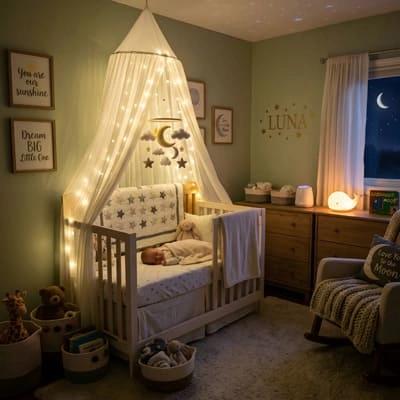
Architecturally, layering light through ambient, task, and accent sources allows caregivers to tailor illumination for diaper changes, feeding, or quiet time without startling the baby.
For example, installing dimmable LED fixtures with a color temperature between 2700K and 3000K supports melatonin production, essential for sleep regulation (Sleep Foundation on Lighting and Sleep).
In practice, blackout curtains combined with soft nightlights help manage external light pollution and provide gentle visibility at night. Careful placement avoids glare in the baby’s direct line of sight, preventing eye strain and discomfort.
“Lighting that adapts to the baby’s natural rhythms fosters better sleep quality and a calmer environment, essential for healthy development.”
Climate-Aware Design Principles for Long-Term Comfort
Maintaining a stable indoor climate is vital in baby rooms, where temperature and humidity fluctuations can impact an infant’s health. Climate-aware design integrates passive strategies—such as natural ventilation, thermal mass, and shading—with energy-efficient mechanical systems to create a comfortable, sustainable space.
For example, positioning windows to capture prevailing breezes facilitates cross-ventilation, reducing reliance on air conditioning.
Insulating walls and floors with natural fibers like sheep’s wool or cellulose enhances thermal regulation without synthetic materials. Humidity control through plants or mechanical dehumidifiers prevents mold growth and respiratory irritants.
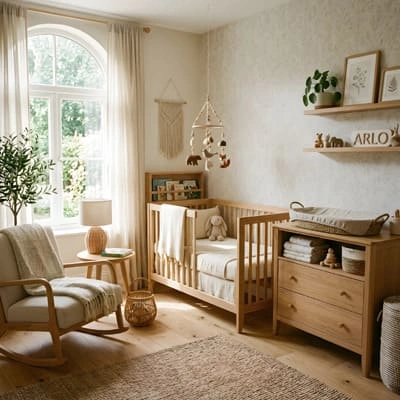
These methods not only improve comfort but also align with environmental responsibility. The U.S. Department of Energy emphasizes that well-designed, climate-conscious interiors decrease energy consumption and promote healthier indoor air quality (Energy Efficient Home Design).
Spatial Layout and Safety in a Baby Room Designed for Real Life
Functionality must guide the spatial arrangement of a baby room. Beyond aesthetics, the layout must accommodate daily caregiving routines, growth milestones, and safety regulations. Positioning the crib away from windows, cords, or heaters prevents accidents. Storage solutions should be accessible yet secure, reducing clutter and hazards.
Designers recommend clear circulation paths to enable easy movement with a baby or stroller. Multipurpose furniture, such as convertible cribs or changing tables with built-in storage, maximizes space efficiency. Lighting controls and outlets should be conveniently placed but childproofed.
In practice, family feedback reveals that adaptability is key. Rooms often evolve into play areas or study spaces, so furniture selection anticipates longevity. According to the American Academy of Pediatrics, injury prevention in the home environment is crucial during the first year (AAP Safe Sleep Guidelines).
Integrating Architectural Insight with Human-Centered Nursery Design
Creating a baby room informed by architectural principles means balancing form, function, and human experience. This approach recognizes that the room is part of a larger home ecosystem, affecting and affected by family rhythms, lighting conditions, and material cycles.
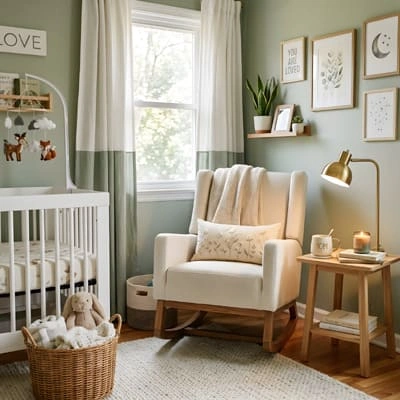
It invites intentionality—choosing neutral color palettes that calm rather than overstimulate, and durable finishes that age gracefully.
Architects prioritize natural daylight, ventilation, and acoustics to support both infant and caregiver wellbeing.
Materials and design choices reflect local climate and cultural context, ensuring the space is not only beautiful but meaningful and sustainable. This holistic perspective transcends decoration, embracing the baby room as a living environment.
One small-scale example: in a tropical climate, using bamboo blinds and ceiling fans reduces heat gain while creating soft, dynamic shadows that engage infant senses without overwhelming them. This kind of detail arises from lived experience and technical knowledge.
“The difference between a nursery and a truly nurturing baby room lies in architectural intentionality that embraces climate, materiality, and human behavior.”
Next Steps for Designing Your Baby Room
Start by evaluating your home’s natural conditions—light, airflow, and temperature—and how they interact with available space. Choose natural materials certified for safety and sustainability, and invest in adjustable, soft lighting systems.
Prioritize layouts that balance safety, accessibility, and adaptability over purely aesthetic concerns.
Implementing these strategies will result in a baby room that fosters health, comfort, and calm, supporting your child’s development while respecting environmental and family needs.
For further learning, consult resources on indoor air quality and pediatric safety guidelines to ensure your design decisions align with best practices.
Frequently Asked Questions ( FAQ)
How Do Natural Materials Affect the Health of a Baby Room Environment?
Natural materials reduce exposure to harmful chemicals commonly found in synthetic products, such as VOCs and formaldehyde. They improve indoor air quality by allowing better breathability and moisture regulation. Texturally, these materials provide sensory benefits that support infant development. However, it’s important to select certified organic or sustainably sourced options to maximize safety and environmental benefits.
What Types of Lighting Are Best Suited for a Baby Room?
Soft, warm lighting with adjustable brightness is ideal for a baby room. LEDs with color temperatures between 2700K and 3000K mimic natural light patterns, supporting circadian rhythms. Layered lighting—ambient, task, and accent—allows caregivers to adapt light levels to different activities without causing overstimulation. Avoid direct glare and harsh fluorescent lights to maintain a calm environment.
How Can Climate-aware Design Improve the Comfort of a Nursery?
Climate-aware design stabilizes temperature and humidity using passive strategies like natural ventilation, insulation, and shading, reducing dependence on mechanical systems. This creates a healthier indoor environment with less risk of mold or irritants. Such designs also minimize energy use, aligning with sustainability goals and maintaining consistent comfort for the infant.
What Safety Considerations Are Most Important When Arranging a Baby Room?
Safety considerations include placing the crib away from windows, cords, and heating elements to avoid hazards. Storage should be secure and organized to prevent clutter. Electrical outlets need childproof covers, and furniture should be stable and free of sharp edges. Layouts must allow easy caregiver movement and accommodate growth to avoid frequent redesigns.
Why is Architectural Knowledge Important in Designing a Baby Room?
Architectural knowledge enables the creation of spaces that harmonize with the home’s climate, lighting, and spatial dynamics. It ensures the baby room is not just decorative but functional, sustainable, and responsive to human behavior. This expertise helps balance aesthetics with durability, safety, and wellbeing, resulting in a room that supports long-term family needs.

Architect with extensive experience in residential and commercial design, including renovations and modular construction. Love to share information about Architecture, home and lifestyle in this blog.