Last updated on September 14th, 2026 at 08:12 pm
Outdoor living spaces thrive on comfort, protection, and thoughtful design. Integrating shade structures such as umbrellas, tents, brise-soleils, and windbreaks transforms gardens into usable environments that extend beyond mere aesthetics. These elements not only shield from sun and wind but also define spatial boundaries, influence microclimates, and enhance architectural expression. Understanding how to select and position these features requires more than familiarity with products—it demands insight into climate behavior, material performance, and human patterns of use.
In this article, we explore the role of umbrellas, tents, brise (brise-soleils), and windbreaks in designing shade gardens that expand outdoor living areas. By dissecting their functions, advantages, and limitations, we provide a comprehensive framework for residential applications that respond consciously to environmental conditions while elevating daily outdoor experiences.
What You Need to Know About Designing with Shade Structures
- Effective shade gardens rely on a layered approach combining umbrellas, tents, brise-soleils, and windbreaks to adapt to specific climatic and spatial needs.
- Brise-soleils function as architectural sun-shading devices that reduce heat gain while preserving daylight and views, unlike umbrellas or tents that provide immediate overhead shade.
- Windbreaks modify airflow, enhancing comfort and protecting delicate plants or seating areas, but their design must consider prevailing wind patterns and site orientation.
- Material selection for these structures influences durability, maintenance, and environmental impact, with performance varying widely by fabric type, frame, and installation method.
- Integrating shade systems with landscape and architecture requires anticipating seasonal solar angles, wind directions, and user behavior for truly functional outdoor extensions.
How Umbrellas, Tents, Brise, and Windbreaks Shape Outdoor Living Spaces
Umbrellas and tents are often the first solutions homeowners consider for shading patios or gardens. Umbrellas offer flexibility—they can be moved, tilted, or retracted to respond to changing sun positions. Tents, including pop-up and permanent fabric structures, create defined covered areas that protect from more than just sunlight, often providing shelter from light rain as well.
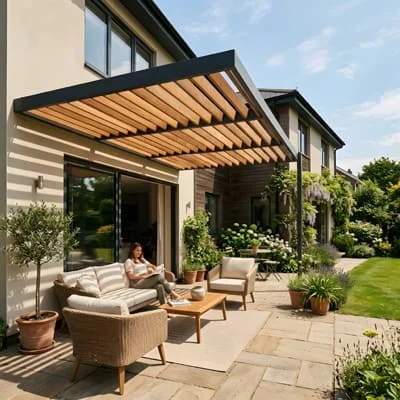
Brise-soleils, or brise, differ fundamentally.
These are fixed architectural elements—horizontal or vertical louvers, screens, or perforated panels—that filter sunlight before it penetrates building openings or outdoor spaces.
Originating from modernist architecture, brise-soleils balance solar control with ventilation and daylight, reducing heat buildup without isolating the space visually or physically.
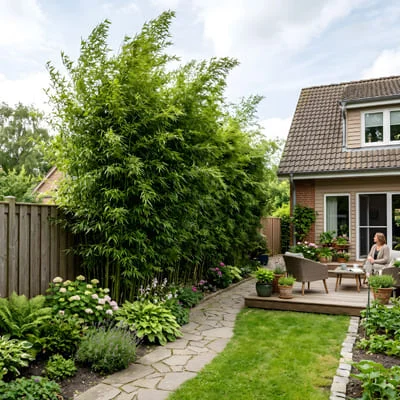
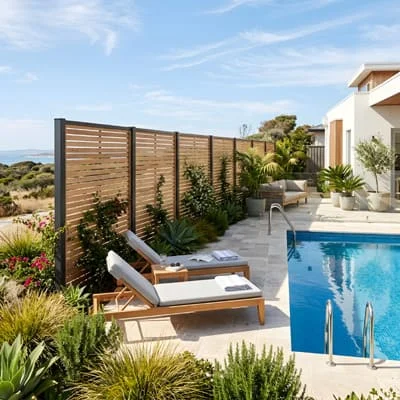
Windbreaks complement these by controlling airflow. They can be made from vegetation, fencing, or screens and are designed to reduce wind speed and turbulence. In outdoor living, a well-placed windbreak can transform a breezy terrace into a calm retreat, but if improperly sited, it may cause wind channeling effects or block desirable views.
“The difference between temporary shade solutions and architectural brise-soleils lies not in coverage alone, but in how they engage with light, air, and spatial perception.”
Material Choices and Performance Considerations Across Shade Solutions
Material selection impacts not only the aesthetics but also the functionality and longevity of umbrellas, tents, brise, and windbreaks. For umbrellas and tents, weather-resistant fabrics like solution-dyed acrylics or PVC-coated polyester are preferred for UV protection, colorfastness, and water repellent. Frames typically use aluminum or stainless steel for strength and corrosion resistance.
Brise-soleils are often crafted from metal, wood, or high-performance composites. Metals such as aluminum are lightweight and durable, allowing complex louver geometries that optimize sun control. Wood offers warmth and natural integration but requires more maintenance and may not be suitable for all climates. Windbreaks vary widely: living screens use hardy shrubs or trees, while constructed screens can incorporate wood slats, glass panels, or mesh.
Each material choice carries trade-offs. For example, fabric shades can degrade under prolonged UV exposure and require periodic replacement, while metal elements may conduct heat and create glare without proper finishing.
Understanding these nuances enables informed decisions tailored to site conditions and maintenance priorities.
Integrating Shade Structures Into Climate-Aware Garden Designs
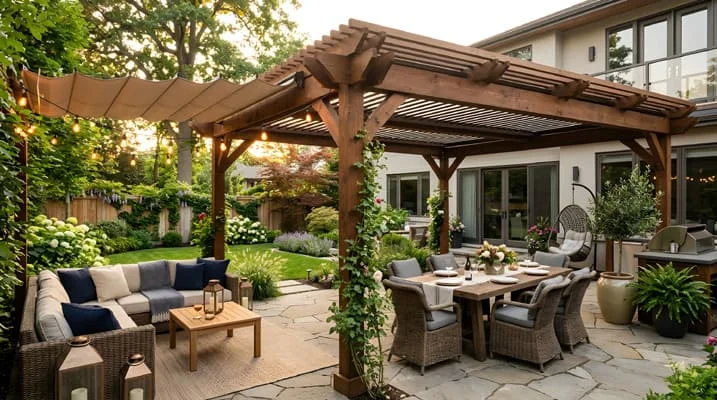
Designing shade gardens with umbrellas, tents, brise, and windbreaks demands a thorough understanding of local climate. Solar orientation dictates where and when shade is needed. For example, southern exposures in the Northern Hemisphere receive intense summer sun, benefiting greatly from adjustable umbrellas or fixed brise-soleils that block high-angle rays.
Wind patterns are equally critical. Coastal or open landscapes often experience strong prevailing winds that necessitate robust windbreaks, whereas urban gardens might require more subtle airflow moderation to avoid stagnant zones.
Seasonal variations also influence design—deciduous trees or retractable tents allow sunlight during cooler months while providing shade in summer.
On a practical level, the placement of shade structures should align with how residents use the outdoor space.
Seating areas, dining zones, and garden paths each have distinct requirements.
Incorporating sensors or manual controls for adjustable umbrellas or retractable tents can enhance usability and energy efficiency.
Common Pitfalls and Limitations in Using Umbrellas, Tents, Brise, and Windbreaks
While these shade devices extend outdoor living, they are not without challenges. Umbrellas can be unstable in high winds if not properly anchored, and their shade footprint is limited.
Tents, especially temporary ones, might require permits or fail to integrate aesthetically with the home’s architecture.
Brise-soleils, though effective, involve upfront design and installation costs that may deter homeowners.
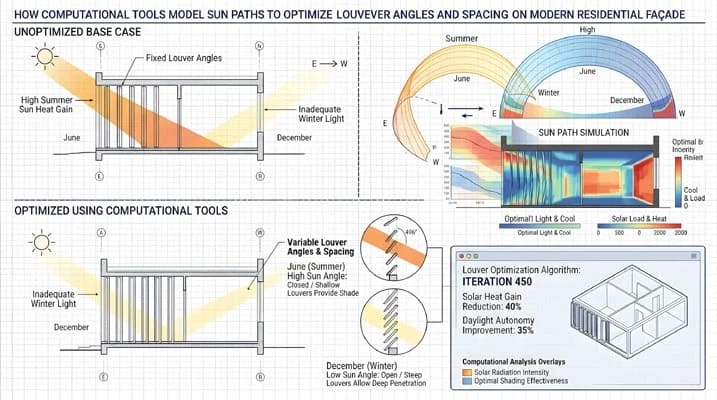
Their fixed nature can also limit flexibility, making it essential to analyze solar angles precisely to avoid unintended shading during cooler seasons.
Windbreaks may obstruct views or create microclimates with excessive humidity if not carefully planned.
In practice, we have seen cases where the installation of a brise-soleil resulted in excessive shading, compromising thermal comfort during colder months. This reinforces the need to design based on climate data and solar simulations, rather than just intuition.
“In practice, what happens is that a poorly planned shading solution can worsen thermal comfort rather than improve it, especially in temperate climates.“
How to Implement Umbrellas, Tents, Brise, and Windbreaks for Lasting Outdoor Comfort
Successful implementation begins with site analysis—assessing sunlight patterns, wind directions, and user behavior. For umbrellas, consider cantilever designs for unobstructed shade and weighted bases for stability. Tents should be evaluated for frame strength, fabric breathability, and ease of assembly or retraction.
Brise-soleils require collaboration with architects or landscape professionals to integrate properly with façades or garden structures. Computational tools can model sun paths to optimize louver angles and spacing. Windbreaks benefit from a layered approach—combining hard barriers with vegetation to soften the environment and enhance biodiversity.Combining these elements strategically creates dynamic, adaptable outdoor spaces.
For instance, a garden might feature a permanent brise-soleil on its southern façade, complemented by movable umbrellas over seating areas and windbreak shrubs along exposed edges, balancing permanence and flexibility.
Ultimately, the goal is to extend the usability of outdoor spaces throughout the year, fostering environments where architecture, landscape, and climate converge thoughtfully.
Frequently Asked Questions (FAQ)
What is the Primary Difference Between a Brise-soleil and a Typical Umbrella?
A brise-soleil is a fixed architectural shading device designed to filter and reduce solar radiation before it enters a building or outdoor area. Unlike umbrellas, which provide immediate, movable overhead shade, brise-soleils control sunlight through louvers or screens that allow ventilation and daylight while minimizing heat gain. This makes them more effective for long-term solar management integrated into the building’s design.
How Do Windbreaks Improve Outdoor Comfort in Residential Gardens?
Windbreaks reduce wind speed and turbulence, creating sheltered microclimates that protect seating areas, plants, and outdoor structures. By strategically placing windbreaks aligned with prevailing wind directions, they prevent discomfort from cold or strong winds and reduce soil erosion. However, improper placement can cause unintended wind channeling or block desirable views, so site analysis is crucial.
Are Umbrellas and Tents Suitable for All Climates?
Umbrellas and tents are versatile but have limitations depending on climate. In regions with strong, frequent winds, umbrellas require secure anchoring or may become unusable. Tents provide better all-weather protection but may need permits and can be less breathable in hot climates. Material choice and design adaptation to local weather conditions are essential for durability and comfort.
Can Brise-soleils Be Retrofitted to Existing Homes?
Yes, brise-soleils can be added to existing buildings, but retrofitting requires careful structural assessment and design to ensure proper attachment and performance. Custom fabrication may be necessary to match architectural styles and solar angles. Retrofitting is more complex and costly than including brise-soleils in new construction but can significantly improve energy efficiency and comfort.
What Maintenance is Required for Outdoor Shade Structures Like Umbrellas and Windbreaks?
Maintenance varies by material and type. Umbrellas need regular cleaning, fabric treatment, and inspection of mechanical parts to avoid deterioration from UV exposure and moisture. Windbreaks, especially if vegetative, require pruning and health monitoring. Brise-soleils made of metal or wood demand periodic repainting or sealing to prevent corrosion or decay. Proactive maintenance extends lifespan and effectiveness.

Architect with extensive experience in residential and commercial design, including renovations and modular construction. Love to share information about Architecture, home and lifestyle in this blog.