Last updated on September 18th, 2026 at 02:40 pm
When considering outdoor kitchens, understanding the impact of size—small, medium, and big—is essential not only for design but for how these spaces foster family interaction and suit different lifestyles. Outdoor kitchens are more than just functional cooking areas; they define how families gather, communicate, and enjoy their time together, especially when thoughtfully sized and planned to fit climate and residential context.
This article explores how the scale of an outdoor kitchen influences its usability, social dynamics, and architectural integration. Drawing from architectural expertise and real-life insights, we’ll examine the practical distinctions between small, medium, and big outdoor kitchens, highlighting how each supports family life differently and what to consider when choosing the right size for your home.
The Essentials of Outdoor Kitchen Sizes
- Small outdoor kitchens prioritize compactness and efficiency, ideal for limited spaces or casual use without sacrificing core functions.
- Medium-sized outdoor kitchens balance cooking capacity and social space, offering versatile setups that adapt to both everyday meals and gatherings.
- Large outdoor kitchens create expansive environments that combine multiple cooking zones, seating, and storage, supporting extended family events and outdoor living.
- Climate plays a critical role in determining the kitchen’s scale and layout, influencing materials, shading, and weatherproofing strategies.
- Choosing the right size depends on household habits, property size, and how deeply the kitchen is integrated architecturally into the outdoor environment.
How Small, Medium, and Big Outdoor Kitchens Shape Family Interaction
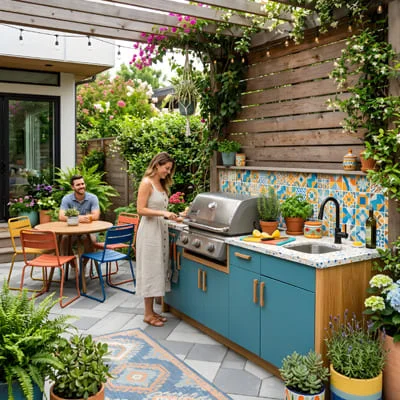
At its core, an outdoor kitchen is a social anchor. Small kitchens, typically under 50 square feet, offer streamlined cooking with minimal seating.
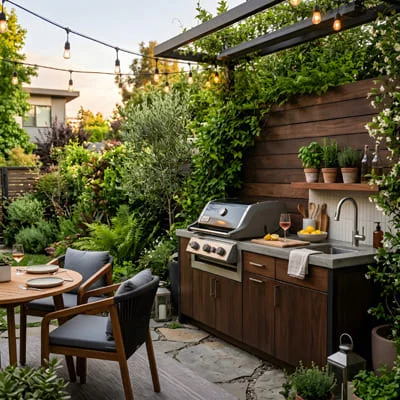
They excel in urban backyards or compact patios, where space is limited but the desire for outdoor cooking is strong. These kitchens often feature a grill, a small prep area, and minimal storage.
Their intimacy encourages close, informal interactions, perfect for couples or small families.
Medium outdoor kitchens, ranging approximately from 50 to 150 square feet, provide a more balanced experience.
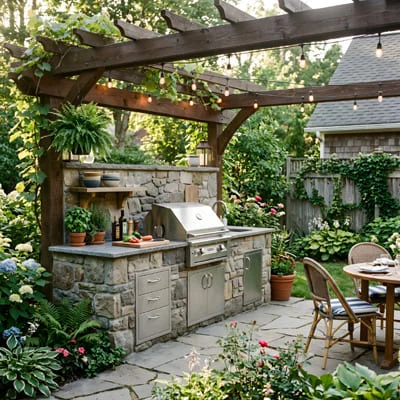
They accommodate multiple cooking appliances—such as grills, side burners, and refrigerators—and include seating areas that invite friends and family to linger.
This size supports a fluid transition between cooking and socializing, making it suitable for households that entertain regularly but lack vast outdoor space.
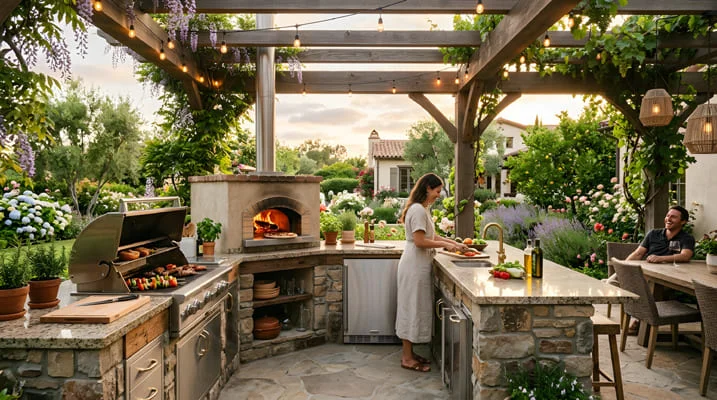
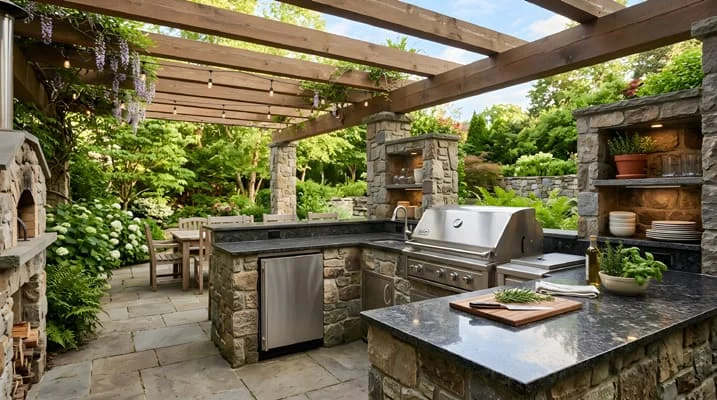
Large outdoor kitchens, exceeding 150 square feet, are comprehensive setups. They incorporate multiple cooking stations, extensive counter tops, built-in storage, and often dedicated dining areas. These kitchens serve as outdoor living hubs, designed for large gatherings and multi-generational use. Their scale demands careful planning to maintain flow and accessibility, ensuring that the kitchen remains a welcoming place rather than an obstacle course.
“The difference between a small and a big outdoor kitchen is not just space — it’s how the design shapes family rituals and social connection outdoors.”
Architectural Considerations for Different Outdoor Kitchen Sizes
Designing an outdoor kitchen requires more than just choosing appliances; it needs architectural intent that respects the scale of the home and site. Small kitchens must maximize utility within tight footprints, often relying on vertical storage and multi-functional elements. Medium kitchens benefit from flexible layouts that blend cooking, prep, and seating zones, creating a coherent flow between indoors and outdoors.
Large kitchens, meanwhile, become architectural features in their own right. They often incorporate durable materials like natural stone, stainless steel, and weather-resistant woods that respond well to local climate conditions. Thoughtful shading—using pergolas, awnings, or trees—helps manage sun exposure and enhances comfort. In all sizes, integrating utilities discreetly maintains a clean aesthetic and longevity.
Medium kitchens benefit from flexible layouts that blend cooking, prep, and seating zones, creating a coherent flow between indoors and outdoors.
Large kitchens, meanwhile, become architectural features in their own right.
They often incorporate durable materials like natural stone, stainless steel, and weather-resistant woods that respond well to local climate conditions.
Thoughtful shading—using pergolas, awnings, or trees—helps manage sun exposure and enhances comfort. In all sizes, integrating utilities discreetly maintains a clean aesthetic and longevity.
In practice, architects balance these elements by analyzing site constraints, sun paths, wind patterns, and household routines. For example, a medium outdoor kitchen in a temperate climate might include a fire feature to extend usability into cooler seasons, while a large kitchen in a hot climate prioritizes airflow and shaded seating.
Climate-Aware Strategies Across Outdoor Kitchen Scales
Climate profoundly influences outdoor kitchen design and scale decisions. In colder regions, small kitchens may incorporate built-in heaters or wind barriers to extend seasonal use, whereas large kitchens might include retractable enclosures or fireplaces. In hot, sunny climates, shading and ventilation become priorities regardless of size, but the scale affects the complexity of these systems.
Materials selection also depends heavily on local weather. Stainless steel resists corrosion but can become hot to the touch in direct sun.
Stone or concrete counters absorb heat differently, impacting comfort and durability.
Additionally, climate affects utility access and installation costs—larger kitchens require more extensive plumbing and electrical work, which can be challenging in certain environments.
Recognizing these factors early ensures the outdoor kitchen remains functional and enjoyable year-round, no matter its dimensions.
Functionality and Flow: Matching Outdoor Kitchen Size to Household Needs
Matching the size of an outdoor kitchen to a household’s lifestyle demands a thorough understanding of cooking habits, entertaining frequency, and available space. Small kitchens suit those who cook outdoors occasionally or have limited space for socializing. Their compactness simplifies maintenance but limits simultaneous cooking tasks.
Medium kitchens offer a sweet spot for families that balance everyday outdoor meals with weekend gatherings. They support multiple chefs and guests without overwhelming the outdoor area. Large kitchens cater to those hosting large groups regularly or who value expansive outdoor living spaces as extensions of their home.
In practice, many homeowners underestimate how much space is needed for comfortable movement and seating. Designing for clear pathways, accessible prep zones, and convenient storage prevents overcrowding and enhances usability.
“In outdoor kitchens, the flow between cooking and social areas determines whether the space invites connection or creates barriers.”
The Economic and Environmental Impact of Small, Medium, and Big Outdoor Kitchens
Cost and sustainability are vital considerations that vary with outdoor kitchen size. Small kitchens generally require less initial investment and lower utility costs, making them accessible entry points for outdoor cooking enthusiasts. Medium kitchens involve moderate spending but offer greater versatility and potential property value enhancement.
Large outdoor kitchens demand significant financial outlay, including high-end appliances, custom cabinetry, and advanced utility installations. However, their design can incorporate sustainable systems such as solar-powered lighting, rainwater collection for plant irrigation, and energy-efficient grills. Thoughtful design reduces waste and energy consumption regardless of size.
From an environmental perspective, minimizing material waste and choosing durable, local materials contribute positively. life cycle costs often favor medium kitchens, which balance resource use with functionality well.
Homeowners should weigh these factors carefully, understanding that bigger isn’t always better if it conflicts with sustainability goals or budget constraints.
What to Do Now: Choosing the Right Outdoor Kitchen Size
Determining whether a small, medium, or big outdoor kitchen fits your family involves assessing your space, habits, and climate conditions. Start by observing how often you cook and entertain outdoors and consider the number of people involved. Next, evaluate your site’s constraints, including available square footage, sun exposure, and access to utilities.
Consulting with an architect or landscape professional helps translate these factors into a tailored design that balances size, function, and aesthetics. Testing layouts with simple scale models or software can reveal flow issues before construction begins.
Finally, consider future needs. A medium-sized kitchen offers flexibility to grow with your family, while a small kitchen suits those prioritizing intimacy and efficiency. Large kitchens require commitment but reward with expansive social spaces.
Taking these steps ensures that your outdoor kitchen becomes a lasting, enjoyable space that truly brings your family together.
Frequently Asked Questions (FAQ)
What Defines a Small Outdoor Kitchen Compared to a Medium or Large One?
A small outdoor kitchen typically occupies under 50 square feet and includes essential cooking elements like a grill and minimal prep area. Medium kitchens range from about 50 to 150 square feet, allowing multiple appliances and seating. Large kitchens exceed 150 square feet, featuring multiple cooking zones, extensive counters, and often dining spaces. Size classification is flexible but generally corresponds to the kitchen’s capacity to serve social and functional needs.
How Does Climate Influence the Design of Outdoor Kitchens of Different Sizes?
Climate affects material choice, shading, ventilation, and utility installation. In colder climates, small kitchens might include heaters or wind barriers, while large kitchens may have retractable enclosures. Hot climates prioritize shade and airflow regardless of size. Proper material selection prevents damage from weather extremes, and utility planning ensures year-round usability and comfort.
Can a Small Outdoor Kitchen Accommodate Family Gatherings Effectively?
Small kitchens are best suited for intimate gatherings and casual outdoor cooking due to their limited space and seating. While they provide efficient cooking zones, they generally don’t support large group entertaining. However, clever design can optimize flow and seating to enhance social interaction within the compact space.
What Are the Cost Differences Between Small, Medium, and Large Outdoor Kitchens?
Costs scale with size and complexity. Small kitchens are the most affordable, focusing on core appliances with minimal cabinetry. Medium kitchens require moderate investment for additional appliances and seating. Large kitchens involve high costs for custom installations, multiple cooking stations, and integrated utilities. Budgeting should also consider long-term maintenance and energy use.
How Can I Decide Which Outdoor Kitchen Size is Best for My Home?
Begin by analyzing your outdoor space, cooking habits, and entertaining frequency. Consider the climate and how much of the year you’ll use the kitchen. Consult with design professionals to understand spatial flow and utility needs. Prioritize flexibility and future growth, ensuring the size aligns with both current lifestyle and potential changes.

Architect with extensive experience in residential and commercial design, including renovations and modular construction. Love to share information about Architecture, home and lifestyle in this blog.