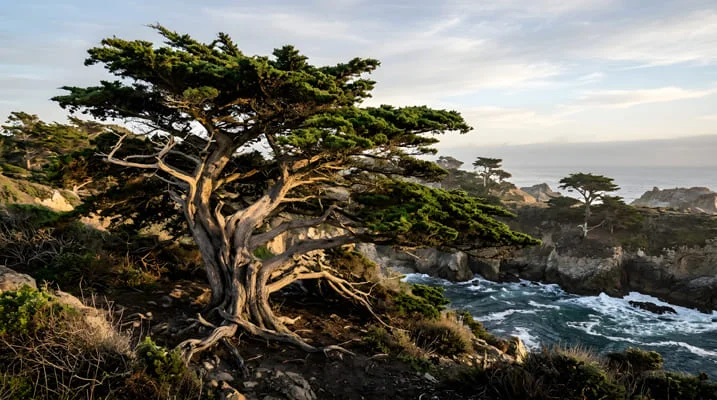
Monterey Cypress, scientifically known as Cupressus macrocarpa, is a distinctive evergreen conifer native to the central coast of California. Famous for its dramatic, wind-sculpted form and dense foliage, this tree is a favorite in coastal landscaping and as a specimen in gardens worldwide. Understanding the specific care requirements, growth patterns, and ideal environmental conditions for Monterey Cypress is crucial for gardeners or landscapers considering it for their outdoor spaces.
This article provides an expert and practical overview of Monterey Cypress, delving into its botanical characteristics, ideal size and growth expectations, detailed care instructions, and how to determine if it fits your garden’s conditions.
Equipped with real-world insights and authoritative references, this guide ensures you make an informed decision about integrating this iconic tree into your landscape.
The Essentials of Monterey Cypress
- Monterey Cypress is a coastal tree well-adapted to salt spray and wind but requires well-drained soil to thrive.
- This species can reach heights of 40 to 70 feet, with a broad, irregular canopy that demands ample space in garden settings.
- Proper pruning and watering schedules directly affect the tree’s health and structural stability, especially in non-native environments.
- While resistant to many pests, Monterey Cypress is vulnerable to cypress canker disease, which requires vigilant monitoring.
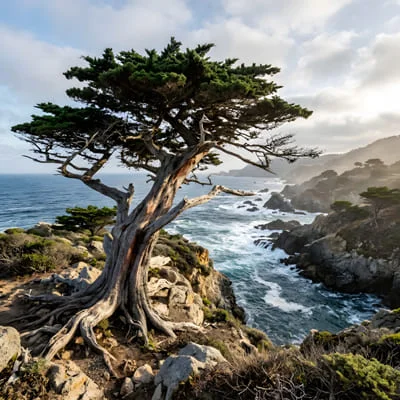
- Its wind-shaped silhouette and dense evergreen foliage make it a key species for coastal windbreaks and ornamental use.
What is Monterey Cypress and Why Does It Matter for Your Garden
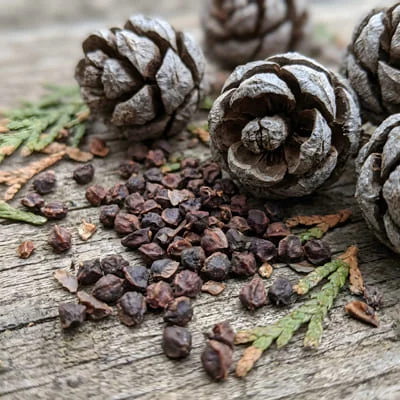
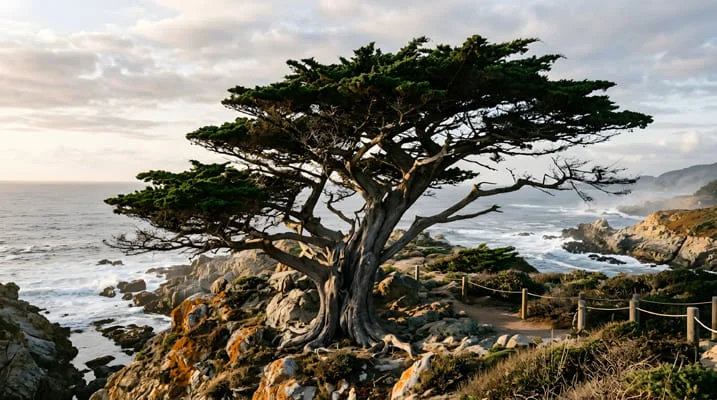
Monterey Cypress (Cupressus macrocarpa) is a coniferous tree endemic to a narrow strip of California’s Monterey Peninsula. It thrives in cool, foggy, maritime climates with steady ocean breezes. Technically classified within the Cupressaceae family, it is characterized by scale-like leaves, a thick bark, and seed cones that mature over two years. In simple terms, it’s a hardy tree that withstands harsh coastal conditions better than most species.
Its importance lies in its ecological and aesthetic value. Ecologically, it stabilizes soils and serves as a habitat for local wildlife.
Aesthetically, its twisted, wind-pruned form adds dramatic visual interest to landscapes.
For gardeners, this means Monterey Cypress is not just a tree but a living sculpture with functional benefits.
However, its size and growth habits require thoughtful placement and maintenance.
“Monterey Cypress thrives where ocean winds shape its growth, but these same forces demand careful site selection and care to avoid structural damage.” – Coastal Arboriculture Journal, 2023
How Big Does Monterey Cypress Grow and What Space Does It Need
Monterey Cypress typically reaches heights between 40 and 70 feet, with a spread that can be nearly as wide. Its trunk diameter often exceeds 3 feet in mature specimens. The tree’s irregular, often asymmetrical canopy results from constant coastal winds, creating a unique silhouette. For a garden, this means allocating a minimum radius of 20 to 30 feet around the tree to accommodate growth and airflow.
Gardeners often underestimate the canopy width, which can lead to overcrowding or interference with nearby structures.
Additionally, because the Monterey Cypress can live for over 100 years, long-term spatial planning is essential.
When planted in sheltered inland locations, growth may be faster and less contorted but still substantial in size.
Key Care Practices for Healthy Monterey Cypress
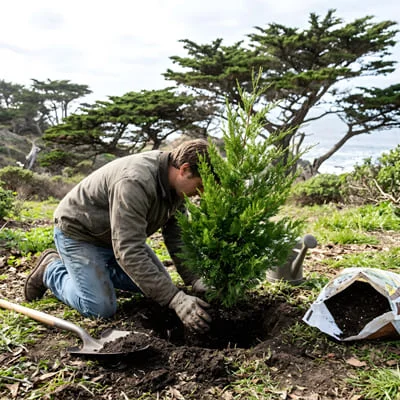
Successful cultivation of Monterey Cypress depends on replicating its native coastal conditions as much as possible. The most crucial factors include:
- Soil: Well-drained, sandy or loamy soils are preferred. Avoid heavy clay soils that retain moisture.
- Watering: Young trees require regular watering, especially during dry spells, but mature trees tolerate drought better.
- Sunlight: Full sun exposure is ideal, promoting robust growth and dense foliage.
- Pruning: Prune selectively to maintain structural integrity, remove dead branches, and shape the canopy, especially after storms.
- Pest and Disease Management: Monitor for cypress aphids and cypress canker, an aggressive fungal disease that can kill branches or entire trees.
In practice, gardeners who neglect drainage or overwater often see root rot or fungal infections. Conversely, underestimating the tree’s wind tolerance can lead to broken branches in storms. Adjusting care to local conditions is key to longevity.
“In non-coastal settings, Monterey Cypress requires vigilant soil management to prevent root diseases that are uncommon in its native habitat.” – University of California Agriculture Extension, 2022
When and Where is Monterey Cypress the Best Choice for Your Garden
Monterey Cypress excels in coastal and near-coastal environments where salt spray, wind, and fog are common. It performs well as a windbreak or privacy screen and as a specimen tree for visual impact. However, it is less suited to hot, humid climates or regions with heavy clay soils and poor drainage.
Gardeners should consider the tree’s mature size and root spread to avoid conflicts with foundations or underground utilities. It is also ideal for large properties or parks rather than small urban gardens. When planted inland, extra care must be taken to manage irrigation and soil conditions.
Common Challenges and Limitations of Growing Monterey Cypress
Despite its hardiness, Monterey Cypress is prone to certain challenges. Cypress canker disease remains the most significant threat, often exacerbated by poor sanitation and environmental stress. The tree’s sensitivity to root rot in poorly drained soils limits its adaptability.
Additionally, the irregular canopy shape caused by wind can make structural pruning complicated. In urban areas, space restrictions may limit its use. While it tolerates drought once established, young trees need consistent moisture to avoid stress-related diseases. These factors mean that Monterey Cypress is not a low-maintenance species and demands informed care.
“The difference between a thriving Monterey Cypress and one in decline often hinges on early detection of cypress canker and proper cultural practices.” – Journal of Arboriculture, 2024
What to Do Next: Evaluating Monterey Cypress for Your Landscape
Assess your garden’s climate, soil drainage, and available space before choosing Monterey Cypress. If your property is near the coast or mimics coastal conditions, this species can offer unparalleled beauty and function. Prioritize well-draining soil amendments and establish a regular pruning and monitoring routine to keep the tree healthy long-term.
Consider consulting local extension services or certified arborists to tailor care to your specific environment. Testing the tree’s performance on a smaller scale or in a container can help determine its suitability. Taking these steps ensures the Monterey Cypress you plant will thrive and become a lasting feature of your garden.
Frequently Asked Questions (FAQ)
Is Monterey Cypress Evergreen or Deciduous?
Monterey Cypress is an evergreen tree, meaning it retains its foliage throughout the year. Its dense, scale-like leaves form a thick canopy that provides year-round greenery. This characteristic makes it a popular choice for privacy screens and windbreaks, especially in coastal gardens where evergreen coverage is valuable during winter months.
How Fast Does Monterey Cypress Grow?
This species exhibits moderate to fast growth rates under optimal conditions, typically growing 12 to 24 inches per year. Growth speed can slow significantly in poor soils or dry climates. Young trees require attentive watering and care to achieve their potential size, while established trees become more drought-tolerant but maintain steady growth.
Can Monterey Cypress Tolerate Drought?
Once established, Monterey Cypress shows good drought tolerance, adapting to the low rainfall and dry coastal fog conditions of its native range. However, young trees need regular watering to avoid stress and root damage. Overwatering, especially in poorly drained soils, poses a greater risk than drought for this species.
What Pests or Diseases Affect Monterey Cypress?
Cypress aphids and cypress canker disease are the primary pests and diseases impacting Monterey Cypress. Cypress canker, caused by fungal pathogens, can cause branch dieback and even kill the tree if untreated. Regular inspection and prompt removal of infected branches are crucial to managing these threats.
Is Monterey Cypress Suitable for Small Gardens?
Due to its large mature size and spreading canopy, Monterey Cypress is generally unsuitable for small gardens. It requires significant space to grow without causing damage to structures or overcrowding other plants. For smaller spaces, dwarf or ornamental cypress varieties are better alternatives.

Architect with extensive experience in residential and commercial design, including renovations and modular construction. Love to share information about Architecture, home and lifestyle in this blog.