Last updated on September 14th, 2026 at 08:30 pm
In contemporary residential architecture, integrating flowering plants, conifers, ferns, mosses, and algae is more than an aesthetic choice; it is a ritual that fosters connection between people and their living environments. Understanding the biology and care of these plant groups enriches how we shape and inhabit our homes, supporting healthier, climate-conscious lifestyles. This ritual emphasizes intentionality and calm, reflecting a human-centered design approach that respects the natural rhythms of plant life.
As urban spaces become denser and climate challenges intensify, the opportunity to cultivate diverse plant species indoors and outdoors takes on new importance. Flowering plants, conifers, ferns, mosses, and algae each contribute unique ecological and atmospheric benefits, such as air purification, humidity regulation, and visual tranquility. However, their care requires knowledge and patience—an architectural mindset that values slow, deliberate interaction with nature.
This article explores the essential characteristics, care practices, and architectural applications of these plant groups. It offers a comprehensive guide for residents and designers seeking to embed living elements into the home environment thoughtfully and sustainably, balancing technical detail with practical advice.
Understanding Flowering Plants and Their Residential Value
Characteristics and Growth Patterns of Flowering Plants
Flowering plants, or angiosperms, are distinguished by their ability to produce flowers and seeds enclosed within fruits. These plants exhibit diverse forms, from small houseplants to large shrubs, adapting to a variety of climates and light conditions. Their growth cycles often follow seasonal cues, which architects and residents alike can use to plan living spaces that harmonize with natural light and temperature fluctuations.
In residential settings, flowering plants offer visual appeal and biological functions such as oxygen production and pollutant absorption. Their flowering phases provide seasonal markers, contributing to a cyclical sense of time within interior and exterior spaces.
Understanding their root systems and nutrient needs helps ensure healthy growth, especially in confined urban environments where soil quality and space may be limited.
Common Species Suitable for Home Environments
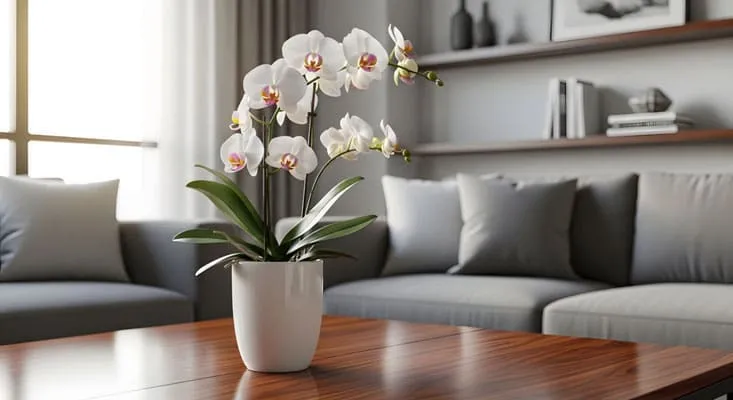
Popular flowering plants for residences include peace lilies, African violets, and orchids, chosen for their adaptability and ease of care. These species thrive under moderate indirect light and benefit from consistent watering schedules.
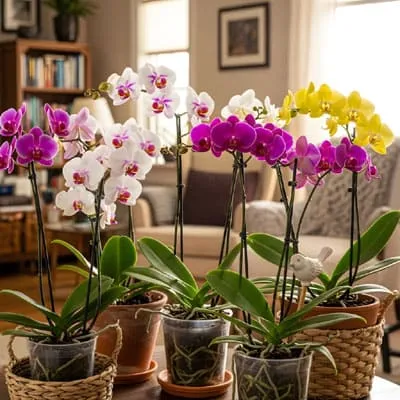
Their varied sizes and colors allow for flexible placement in both indoor and outdoor contexts, enhancing spatial dynamics.
Integrating native flowering species can improve resilience and reduce maintenance by aligning with local climate conditions. Additionally, these plants often support beneficial insects, contributing to a balanced micro-ecosystem around the home.
Careful selection based on light availability, humidity, and temperature ensures that flowering plants remain healthy and integral to the architectural experience.
Designing with Flowering Plants for Climate-Aware Homes
Architectural design incorporating flowering plants must consider microclimates within a residence, such as sunny window sills or humid bathrooms. These zones create opportunities for diverse species placement, enhancing biodiversity indoors. Incorporating planters with proper drainage and breathable soil media supports plant vitality and reduces water waste.
The strategic use of flowering plants can mitigate urban heat islands by shading exterior walls and improving air quality. Their presence encourages occupants to engage in slow, mindful care routines, fostering well-being and reducing stress.
By anticipating seasonal growth patterns, architects can design flexible spaces that accommodate plant needs year-round, reinforcing a calm and intentional living environment.
Conifers: Evergreen Guardians of Residential Landscapes
Varieties of Conifers and Their Unique Features
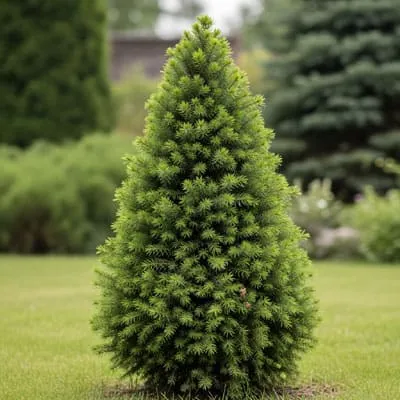
Conifers are cone-bearing plants characterized by needle-like or scale-like leaves that typically remain green year-round. This evergreen nature makes them valuable for sustaining greenery through all seasons, providing consistent visual structure in residential landscapes.
Common varieties include pines, spruces, and cedars, each with distinct growth habits and environmental preferences.
Conifers adapt well to cooler climates and often require well-drained soil with moderate moisture levels. Their slow growth rate demands long-term planning, aligning well with architectural principles of permanence and durability.
These plants are also notable for their ability to sequester carbon, contributing positively to residential carbon footprints.
Care Practices to Maintain Healthy Conifers at Home
- Ensure adequate sunlight: Most conifers prefer full sun to partial shade.
- Maintain proper soil drainage to prevent root rot.
- Prune minimally to preserve natural form and health.
- Monitor for pests such as aphids and scale insects.
- Water deeply but infrequently to encourage deep root growth.
Regular inspection and seasonal maintenance help conifers thrive in residential settings. While their resilience is notable, attention to soil quality and watering regimes is critical to avoid stress-related diseases.
Incorporating organic mulches can assist in moisture retention and temperature regulation around root zones.
Architectural Integration of Conifers in Climate-Responsive Design
| Species | Ideal Climate | Architectural Use |
|---|---|---|
| Eastern White Pine | Temperate, Cold | Windbreaks, Privacy Screens |
| Blue Spruce | Cool, Dry | Accent Planting, Structural Elements |
| Leyland Cypress | Mild, Moist | Hedges, Noise Barriers |
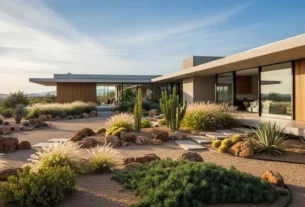
Conifers serve functional roles in climate-responsive architecture by buffering wind, providing shade, and maintaining year-round greenery. Their integration requires spatial consideration to avoid overwhelming small residential plots and to maximize environmental benefits.
Architects often use conifers to create vertical elements that complement building massing while supporting biodiversity and air quality improvement.
The Subtle Art of Cultivating Ferns Indoors and Outdoors
Biological Traits and Environmental Preferences of Ferns
- Prefer shaded or semi-shaded conditions with filtered light.
- Require consistently moist, well-drained soil rich in organic matter.
- Reproduce via spores rather than seeds, influencing propagation methods.
- Contribute to humidity regulation through transpiration.
- Often thrive in temperate and tropical climates.
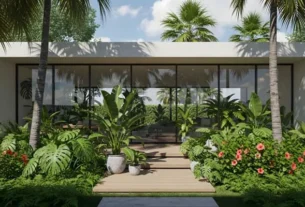
Ferns’ delicate fronds and lush foliage make them ideal for adding softness and texture to interior and exterior spaces. Their preference for humidity and shade aligns well with bathrooms, shaded patios, and green walls.
Their slow, deliberate growth encourages a slow design philosophy, promoting mindful interaction and ongoing care rituals.
Effective Propagation and Maintenance Techniques
Propagation of ferns typically involves division of rhizomes or collecting spores, both requiring patience and controlled environments. Regular misting and maintaining consistent humidity support vibrant frond development. Avoiding direct sunlight prevents leaf scorch, which is common with these delicate plants.
Periodic removal of dead fronds stimulates new growth and improves air circulation within the plant canopy. Soil should remain damp but not waterlogged to prevent root rot.
Using natural fertilizers rich in nitrogen and potassium enhances fern health, supporting their role in interior microclimates.
Design Strategies for Incorporating Ferns in Residential Spaces
Ferns complement architectural features by softening hard surfaces and adding vertical greenery without obstructing views.
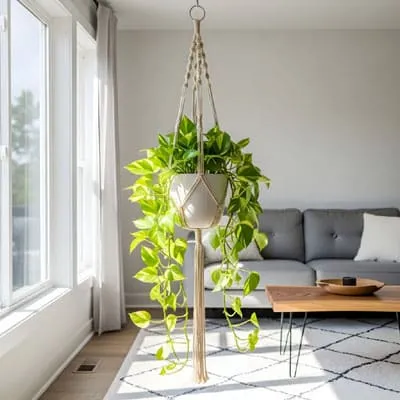
They perform well in terrariums, hanging planters, and shaded garden beds, creating layered vegetation that enhances spatial depth.
In climate-aware design, ferns contribute to humidity control and air purification, supporting occupant comfort. Their visual subtleness contrasts well with the bold forms of conifers and flowering plants, balancing the overall plant palette.
Designers should consider maintenance access and microclimate conditions when selecting fern placements to ensure longevity and health.
Mosses: The Quiet Groundcover for Mindful Residential Landscapes
Ecological Role and Characteristics of Mosses
Mosses are non-vascular plants that thrive in moist, shaded environments, forming dense, soft groundcovers. Their minimal height and slow growth make them ideal for low-maintenance landscaping and green roofs.
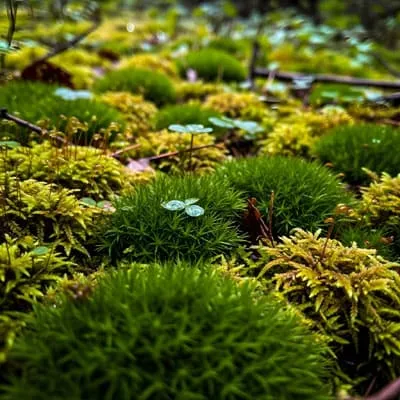
Mosses excel at moisture retention and soil stabilization, reducing erosion and runoff in residential gardens.
They require acidic to neutral pH soils and benefit from high humidity, which architects can encourage through water features or shaded design elements. Mosses also contribute to a calm atmosphere, visually and tactilely, supporting mindfulness and slow living.
Their spore-based reproduction allows for gradual colonization of suitable surfaces, making them resilient in the right conditions.
Techniques for Establishing and Sustaining Moss Growth
- Identify shaded, moist areas with minimal foot traffic.
- Maintain consistent moisture through misting or irrigation.
- Clear competing vegetation to reduce nutrient competition.
- Use soil amendments to adjust pH if necessary.
- Incorporate moss slurry or fragments to encourage spread.
Successful moss cultivation requires patience and a commitment to maintaining stable microclimates. Avoiding heavy disturbance preserves moss mats, which support biodiversity and aesthetic continuity.
Architects can design water retention features and shade structures to create ideal moss habitats that enhance sustainability goals.
Architectural Applications and Benefits of Moss Integration
Mosses are increasingly used in green roofs, living walls, and shaded garden beds to improve insulation and reduce urban heat. Their low profile and resilience to harsh urban conditions make them suitable for small residential plots lacking traditional garden space.
Integrating mosses elevates the sensory experience of a home, offering tactile and visual softness that contrasts with architectural materials such as concrete and steel. Their presence encourages slower movement and contemplation, aligning with human-centered design principles.
| Moss Type | Preferred Habitat | Common Use |
|---|---|---|
| Sphagnum Moss | Wetlands, Acidic Soils | Moisture Retention in Green Roofs |
| Sheet Moss | Shaded Forest Floors | Ground Cover, Decorative Mulch |
| Cushion Moss | Dryer, Rocky Sites | Soil Stabilization and Aesthetic Texture |
Algae in Residential Environments: Functional and Aesthetic Roles
Understanding Algae as Living Components in Architecture
Algae are simple, photosynthetic organisms ranging from microscopic forms to larger seaweeds. In residential contexts, algae contribute to water filtration systems, bio-reactive façades, and micro-ecosystems in ponds or aquariums.

Their rapid growth and oxygen production support biodiversity and water quality.
Algae’s ability to absorb carbon dioxide and nutrients makes them valuable in sustainable design strategies aimed at reducing environmental footprints. They require light and moisture but can thrive in various substrates, from water bodies to biofilms on surfaces.
Architecturally, algae incorporation is at the intersection of technology and nature, offering innovative solutions for climate-responsive buildings.
Methods for Cultivating Algae in Home Settings
- Maintain nutrient-rich water with balanced light exposure.
- Use closed systems like aquariums or algae bioreactors to control growth.
- Monitor water temperature and pH for optimal proliferation.
- Regularly harvest excess algae to prevent overgrowth.
- Integrate algae with aquatic plants for symbiotic ecosystems.
Careful management of algae cultures can optimize their benefits without causing nuisance blooms. Controlled environments ensure algae contribute positively to air and water quality while providing dynamic living elements within the home.
Algae’s quick growth cycle encourages ongoing engagement and offers educational opportunities in sustainable living practices.
Incorporating Algae in Climate-Conscious Residential Design
Innovative architectural projects use algae façades to generate biofuel, shade buildings, and improve insulation. These living walls act as natural air filters, reducing pollution and providing dynamic visual interest. Algae systems can also be integrated into greywater treatment, enhancing water reuse within homes.
While still emerging in residential design, algae applications demonstrate the potential for living technologies that actively respond to environmental changes, embodying slow, intentional care practices.
Designers must balance technical complexity with usability, ensuring that algae installations remain accessible and beneficial for occupants.
Synergizing Plant Groups for Holistic Residential Ecosystems
Ecological Interactions Among Flowering Plants, Conifers, Ferns, Mosses, and Algae
Combining these diverse plant groups creates resilient ecosystems that mimic natural environments. Flowering plants attract pollinators, conifers provide structural shelter, ferns and mosses regulate humidity, and algae support aquatic and air quality. This synergy enhances biodiversity and ecological stability within residential settings.
Understanding their interdependencies guides landscape and interior design choices that support mutual growth and environmental health.
Such holistic integration aligns with climate-aware architecture, promoting sustainability and occupant well-being.
Design Principles for Multi-Species Planting Schemes
- Layer plants vertically to optimize light and space.
- Group species with similar moisture and light requirements.
- Incorporate native and climate-adapted plants for resilience.
- Design irrigation systems tailored to varied plant needs.
- Use soil amendments to support diverse root systems.
Intentional planting schemes reduce maintenance and water consumption while maximizing aesthetic and ecological benefits. Thoughtful spatial arrangement encourages slow interaction and care rituals, deepening residents’ connection to their environment.
Architectural elements such as screens, pergolas, and water features enhance these planting schemes, creating layered, immersive green spaces.
Comparative Overview of Plant Group Functions in Residences
| Plant Group | Primary Residential Benefit | Maintenance Level |
|---|---|---|
| Flowering Plants | Visual Appeal, Pollinator Support | Moderate |
| Conifers | Year-Round Structure, Air Quality | Low to Moderate |
| Ferns | Humidity Regulation, Texture | Moderate |
| Mosses | Soil Stabilization, Moisture Retention | Low |
| Algae | Air/Water Purification, Bio-Integration | Variable |
Implementing Slow and Intentional Plant Care Rituals
Philosophy of Slow Living in Plant Care
Embracing slow living principles in plant care invites mindfulness and patience, transforming routine maintenance into meaningful interactions. This approach respects plant life cycles and encourages observation and adaptation rather than rapid intervention.
By slowing down, residents foster deeper connections with their plants, tuning into subtle shifts in health and environment. This nurtures a calm and intentional atmosphere within the home, supporting mental well-being.
Architectural design can facilitate these rituals by creating dedicated plant care zones with appropriate tools and lighting.
Practical Techniques for Daily and Seasonal Care
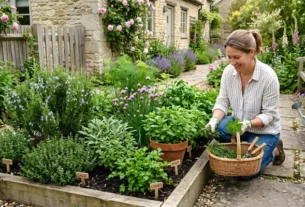
- Set consistent watering schedules based on species needs.
- Use natural fertilizers and soil conditioners to promote health.
- Inspect plants regularly for signs of stress or pests.
- Adjust light exposure seasonally to match plant growth cycles.
- Practice gentle pruning to maintain form and vitality.
Integrating these techniques into daily routines supports sustainable plant health and reduces resource waste. Seasonal adjustments reflect the dynamic nature of plant care, encouraging adaptability and learning.
Architectural cues such as window placement and humidity control support these practical needs seamlessly.
Tools and Architectural Features Supporting Plant Care Rituals
Functional design elements such as built-in watering systems, adjustable lighting, and ergonomic work surfaces enhance the plant care experience.
These tools reduce physical strain and streamline maintenance, reinforcing the ritualistic aspect of tending to plants.
Architects can incorporate moisture sensors, natural material finishes, and integrated storage to optimize care efficiency and aesthetics.
Such features promote consistent, intentional engagement with flowering plants, conifers, ferns, mosses, and algae, aligning with a calm and human-centered residential environment.
The best of rituals
The careful integration and nurturing of flowering plants, conifers, ferns, mosses, and algae within residential environments embody a ritual that is both architectural and deeply human. This practice enhances air quality, supports biodiversity, and creates serene, climate-conscious living spaces. By understanding the unique needs and ecological roles of these plant groups, residents and designers foster sustainable ecosystems that enrich daily life.
Embracing slow, intentional care rituals supported by thoughtful architectural design transforms plant maintenance into a meaningful act of connection. This approach invites reflection on our relationship with nature and encourages resilient, adaptable homes built for the future.
Frequently Asked Questions ( FAQ)
What Are the Basic Care Requirements for Flowering Plants at Home?
Flowering plants generally need adequate light, regular watering, and well-drained soil. It’s important to understand each species’ specific light and humidity preferences. Consistent care, including occasional fertilizing and pruning, supports healthy growth and blooming cycles.
How Can Conifers Be Successfully Integrated Into Small Residential Gardens?
Choosing dwarf or slow-growing conifer species suited to your climate is essential. Ensure they have proper soil drainage and sufficient sunlight. Position them to maximize space without overwhelming the garden, and plan for their mature size to maintain balance.
Are Mosses Difficult to Maintain Indoors?
Mosses require moist, shaded conditions with minimal disturbance. Indoors, maintaining humidity and avoiding direct sunlight are crucial. Regular misting and selecting appropriate substrates help mosses thrive with relatively low maintenance compared to other plants.
Can Algae Be Safely Cultivated Inside a Home Environment?
Yes, algae can be grown safely in controlled systems like aquariums or bioreactors with proper nutrient and light management. Regular monitoring prevents overgrowth, and integrating algae within aquatic plants promotes a balanced ecosystem.
Why is Slow and Intentional Plant Care Important in Residential Settings?
Slow and intentional plant care fosters mindfulness and strengthens the connection between people and their environment. It leads to healthier plants by respecting natural growth cycles and reduces stress, creating a calming atmosphere within the home.

Architect with extensive experience in residential and commercial design, including renovations and modular construction. Love to share information about Architecture, home and lifestyle in this blog.