Last updated on August 28th, 2026 at 02:17 pm
Global design and lifestyleand decor trends reflect not only cultural shifts but also responses to environmental and social challenges. When examining trends in America, South America, Europe, Asia, and Oceania, it becomes clear that regional variations coexist with shared global priorities. These include sustainable living, human-centered architecture, and climate-responsive design, which shape how homes and communities evolve beyond 2027. Understanding these trends requires a nuanced approach that connects international innovation with local realities.
This article explores the most impactful trends shaping residential environments across these continents. It offers architectural insights grounded in lived experience and professional expertise, aiming to clarify how modern home design adapts to diverse climates and cultural contexts without succumbing to ephemeral fads. The goal is to provide a clear, intentional framework for architects, designers, and homeowners navigating the future of living spaces worldwide.
The Essentials
- Sustainability and climate responsiveness guide residential design trends across all continents, emphasizing materials and systems adapted to local conditions.
- Biophilic design, which integrates natural elements into living spaces, is a universal trend that supports wellbeing and connects occupants with their environment.
- Technological integration prioritizes energy efficiency and smart home systems but remains sensitive to user experience and privacy concerns.
- Regional architectural traditions are being reinterpreted through contemporary lenses, blending modernity with cultural identity.
- Slow design and intentional living philosophies counteract mass consumption, promoting durability, adaptability, and emotional connection to spaces.
Understanding Trends in America, South America, Europe, Asia, and Oceania: A Comprehensive Overview
Residential trends in these five regions reveal both convergence and divergence driven by geography, culture, and economic factors. America (primarily the United States and Canada) tends to emphasize innovation in technology and sustainability, with a strong focus on energy-efficient systems and smart home integration. South America is seeing a revival of vernacular materials combined with sustainable urbanism, reflecting social priorities and climate challenges unique to the region.
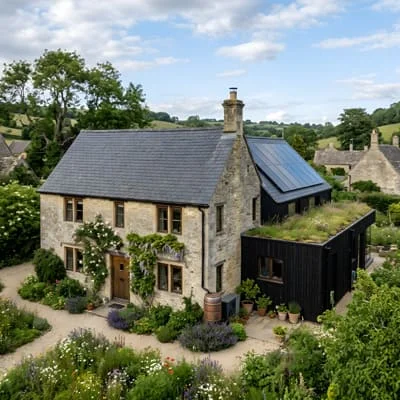
Europe’s trends often balance heritage conservation with cutting-edge ecological design, supported by stringent regulatory frameworks and public awareness.
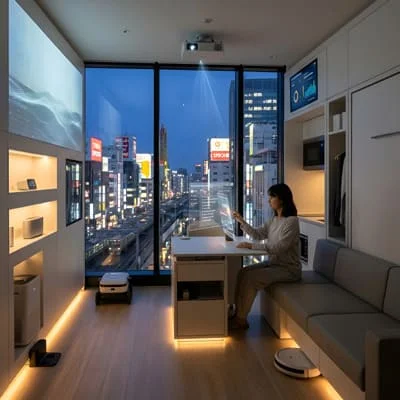
Asia presents a wide spectrum—from ultra-compact urban living in megacities to the preservation of traditional craftsmanship in rural areas.
Oceania, particularly Australia and New Zealand, prioritizes climate adaptation, fire-resistant materials, and indoor-outdoor connectivity, reflecting its environmental context.
“What distinguishes successful residential trends globally is their ability to marry innovation with context—technological advances are meaningful only when grounded in cultural and environmental realities.”
Why Sustainable and Climate-Conscious Design Leads the Way Globally
Sustainability in residential architecture is no longer optional—it is a fundamental necessity. The increasing frequency of extreme weather events and the imperative to reduce carbon footprints compel designers worldwide to rethink building methods. From passive solar design in North America to rainwater harvesting in South America, climate-conscious strategies vary but share the goal of minimizing environmental impact.
Materials such as cross-laminated timber (CLT) and rammed earth are gaining traction in multiple continents for their low embodied energy and thermal performance. Moreover, energy-efficient appliances and renewable energy integration (solar panels, geothermal systems) demonstrate how technology supports ecological goals. However, these solutions must be tailored to local climates; what works in temperate Europe may not suit tropical Asia.
The Rise of Biophilic and Human-Centered Architecture Across Regions
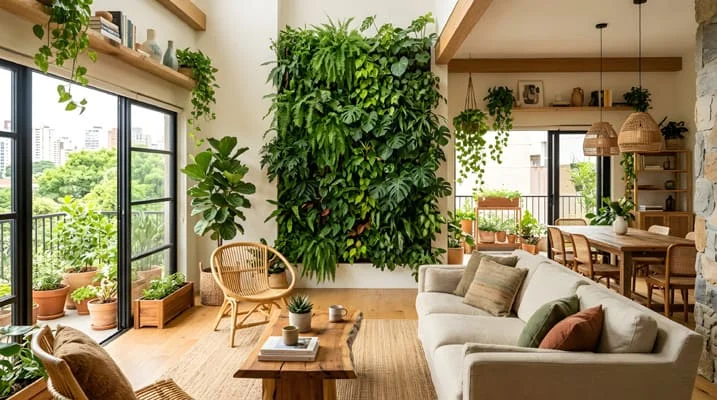
Biophilic design emphasizes humans’ innate connection to nature, integrating natural light, ventilation, greenery, and organic materials into homes. This approach is evident from urban apartments in New York incorporating indoor gardens to South American residences opening to lush courtyards.
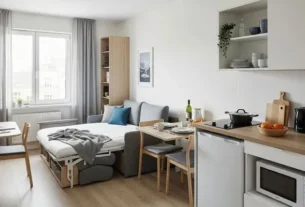
Human-centered architecture prioritizes comfort, psychological wellbeing, and social interaction, often through flexible layouts and communal spaces. For example, in Asian cities where space is limited, multipurpose rooms and modular furniture optimize functionality without sacrificing quality of life. This reflects a shift from purely aesthetic concerns to a deeper understanding of how people live and interact with their environment.
Technological Integration: Smart Homes Meet Privacy and Usability
Smart home technology adoption varies but is generally expanding. In America and Europe, integrated systems manage lighting, heating, security, and appliances through centralized apps.
Asia leads in compact, technology-dense living solutions, while Oceania emphasizes disaster preparedness through connected monitoring systems.
However, architects and designers face challenges balancing convenience with privacy and user-friendliness.
Overly complex systems can overwhelm occupants or become obsolete quickly.
The trend is moving towards intuitive, scalable technology that supports energy management and enhances daily routines without intruding.
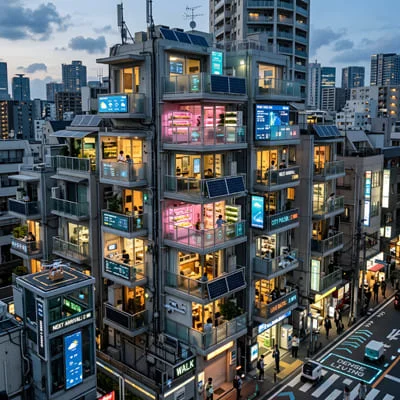
Regional Identity Meets Contemporary Design: Blending Tradition with Innovation
Across these continents, there is a conscious effort to reinterpret local architectural traditions through modern materials and techniques.
South American architects, for instance, use adobe and bamboo with contemporary construction methods to honor heritage while improving durability.
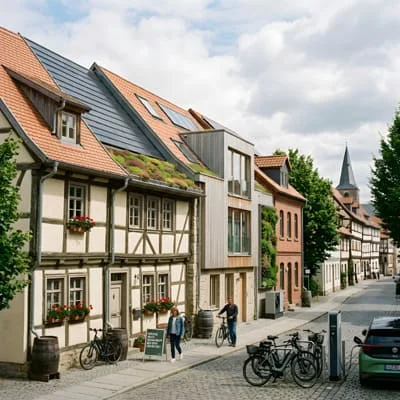
In Europe, adaptive reuse of historic buildings is common, preserving cultural landmarks while upgrading energy performance.
Asian designers often draw on minimalist principles rooted in history but apply them with new materials and digital tools.
Oceania’s architecture reflects indigenous knowledge about land and climate, merged with contemporary aesthetics.
The Slow Design Movement and Intentional Living as Counterweights to Consumerism
Slow design advocates for thoughtful consumption, durability, and emotional attachment to the home environment. This philosophy opposes fast, disposable trends and encourages customization, repairability, and timeless aesthetics. It resonates across all continents as a response to environmental concerns and lifestyle changes.
Intentional living promotes spaces that reflect occupant values and needs, prioritizing multifunctionality and wellbeing. This approach often leads to smaller footprints and greater integration with nature, aligning with sustainability goals. Slow design is especially relevant in regions where resource scarcity or cultural emphasis on longevity shape housing choices.
Challenges and Limits: What Trends May Not Apply Everywhere
Not all trends translate seamlessly across regions. For example, smart home technology’s benefits can be limited in areas with unreliable internet infrastructure. Similarly, biophilic design requires access to green space, which is scarce in dense urban centers.
Economic disparities also affect the feasibility of high-performance materials or renewable systems.
Moreover, cultural preferences can resist global uniformity. In some parts of Asia, multigenerational living demands different spatial arrangements than Western nuclear family models.
Policymaking and building codes vary widely, influencing how trends are implemented.
Recognizing these limits is crucial to avoid one-size-fits-all solutions and to foster genuine innovation.
“Adaptation, not adoption, defines the future of residential design—successful trends are those that respect place, culture, and circumstance.”
How to Apply These Global Trends to Your Local Context
Implementing international trends effectively requires deep understanding of local climate, culture, and resources. Start by assessing environmental conditions and available materials. Engage with community traditions and preferences to ensure designs resonate and function well. Prioritize sustainability through passive design strategies before adding technological layers.
Collaborate with local experts to bridge global innovation and regional knowledge. Consider flexible designs that accommodate changing needs and technologies. Lastly, foster a mindset of intentional living—prioritize quality, durability, and occupant wellbeing over fleeting aesthetics. This strategic approach ensures your home remains relevant and resilient beyond 2027.
Frequently Asked Questions ( FAQ)
What Are the Main Factors Driving Residential Design Trends Across Continents?
The primary drivers include climate change, technological advancements, cultural heritage, and evolving lifestyle priorities. Each continent responds differently depending on environmental conditions, economic development, and social values. For instance, sustainability leads globally but manifests as passive solar design in Europe or rainwater harvesting in South America. Recognizing these factors helps tailor designs that are both innovative and contextually appropriate.
How Does Climate Affect Home Design in Regions Like Oceania Compared to Europe?
Oceania’s climate, characterized by fire risks and high UV exposure, pushes architects to prioritize fire-resistant materials and indoor-outdoor living that promotes ventilation. Europe’s temperate climate allows for designs focused on insulation and energy efficiency through triple glazing and thermal mass. Both regions emphasize sustainability but adapt strategies to local weather patterns and environmental challenges.
Why is Biophilic Design Gaining Importance Worldwide?
Biophilic design responds to an innate human need to connect with nature, which has been shown to improve mental health, productivity, and overall wellbeing. As urbanization increases, integrating natural elements like plants, daylight, and natural materials into homes helps counteract the stress of dense living environments. This trend spans continents due to its universal benefits and adaptability.
What Challenges Arise When Incorporating Smart Home Technology Globally?
Challenges include varying infrastructure quality, user digital literacy, privacy concerns, and rapid obsolescence of technology. In some regions, unreliable internet limits system functionality, while in others, occupants may find complex interfaces difficult to use. Designers must balance advanced features with simplicity and data security, ensuring technology enhances rather than complicates daily life.
Can Traditional Architectural Elements Coexist with Modern Sustainable Practices?
Yes, blending traditional elements with modern sustainability is both possible and desirable. Many regions successfully integrate vernacular materials and construction techniques with modern insulation, renewable energy, and efficient systems. This approach preserves cultural identity while meeting contemporary environmental standards, creating homes that are both authentic and resilient.

Architect with extensive experience in residential and commercial design, including renovations and modular construction. Love to share information about Architecture, home and lifestyle in this blog.