Last updated on August 28th, 2026 at 02:17 pm
Seasonal transitions define more than just the calendar; they shape how we interact with our environment, especially in residential garden design. Understanding how summer, spring, autumn, and winter influence planting cycles, material choices, and spatial use is essential for creating gardens that thrive year-round while responding thoughtfully to climate and human needs. This article explores the architectural approach to designing gardens that harmonize with the unique qualities of each season.
By integrating climate awareness and human-centered principles, the design of outdoor spaces can become an intentional, slow process that respects natural rhythms. This perspective moves beyond decorative trends to offer practical, enduring solutions that support sustainable living across all four seasons.
The Core Insights for Designing with the Four Seasons
- Each season presents specific climatic and ecological characteristics that directly impact plant selection, garden layout, and user experience.
- Architectural garden design benefits from anticipating seasonal changes to optimize comfort, aesthetic appeal, and functional use throughout the year.
- Integrating native species and climate-adapted plants reduces maintenance and enhances environmental resilience.
- Seasonal garden design must consider daylight variation, temperature fluctuations, and precipitation patterns to ensure year-round usability.
- Human-centered design incorporates not only plant life but also structural elements that support outdoor living in all weather conditions.
How Summer, Spring, Autumn, and Winter Shape Residential Garden Design
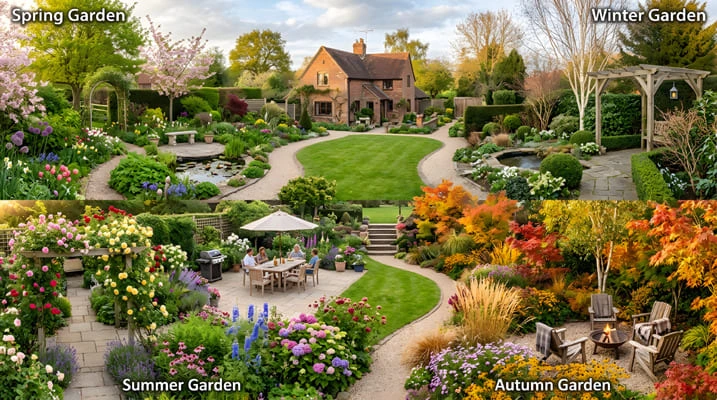
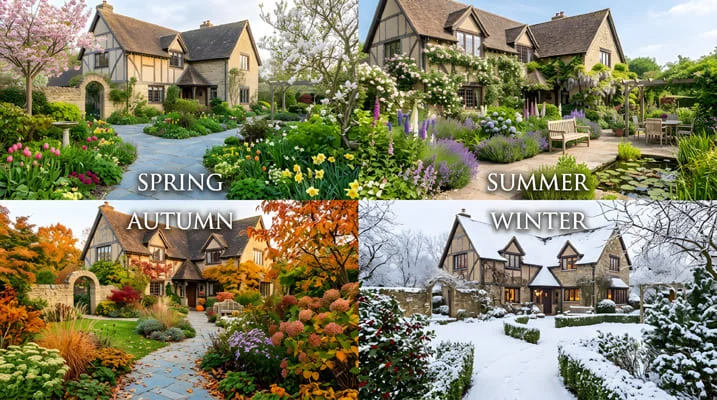
The four seasons—summer, spring, autumn, and winter—define a cycle of environmental conditions that directly influence garden architecture. Each season represents distinct temperature ranges, daylight hours, and precipitation levels that architects and landscape designers must understand to create spaces that remain functional and attractive year-round.
In summer, long daylight and heat require shading solutions and drought-resistant plantings. Spring’s milder temperatures and emerging growth call for designs that highlight renewal and floral displays.
Autumn’s cooling trend and leaf fall emphasize seasonal texture and the integration of deciduous species.
Winter demands resilience, with evergreens and structural elements providing form and shelter through colder, darker months.
“Designing gardens with seasonal awareness means embracing change as a vital design component rather than a challenge to overcome.”
In practice, a garden designed for the four seasons balances microclimates created by hardscape elements such as pergolas, terraces, and windbreaks with plant selections that peak in different seasons. This approach anticipates user behavior, such as seeking shade in summer or shelter in winter, ensuring that outdoor spaces remain inviting and practical all year.
Plant Selection and Seasonal Adaptation to Maximize Garden Longevity
Choosing the right plants for the changing conditions of summer, spring, autumn, and winter is fundamental. Climate-adapted species—especially natives—offer the best chance for longevity and ecological harmony. These plants naturally align with local seasonal patterns, reducing irrigation needs and enhancing biodiversity.
- Summer: Drought-tolerant perennials and deep-rooted shrubs ensure survival during peak heat and dry spells.
- Spring: Bulbs and early bloomers provide vibrant color and signal seasonal renewal.
- Autumn: Trees and shrubs with notable foliage create dynamic textures and prepare the garden for dormancy.
- Winter: Evergreens and hardy grasses maintain structure and visual interest when deciduous plants retreat.
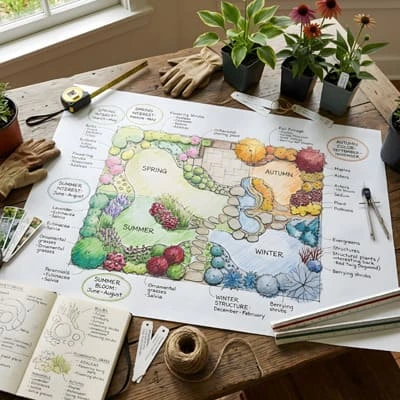
Seasonal planting zones should be layered thoughtfully to provide continuous interest and ecosystem services, such as habitat for pollinators in spring and summer and seed sources for birds in autumn and winter.
Climate-Aware Materials and Structural Elements for Seasonal Resilience
Beyond plants, materials and architectural features play a critical role in adapting gardens to seasonal shifts. In summer, materials with low thermal mass and reflective qualities help reduce heat absorption, while in winter, durable, weather-resistant surfaces prevent damage from freeze-thaw cycles.
Structural elements like pergolas, retractable awnings, and windbreaks create adaptable microclimates. These features extend outdoor usability by providing shade, shelter, or wind protection as seasons change. For example, deciduous trees planted near patios offer shade in summer and allow sunlight to warm the space in winter after leaf drop.
“The interplay between natural elements and architectural features defines a garden’s capacity to adapt gracefully through all seasons.”
How Daylight and Temperature Variations Influence Seasonal Garden Use
Daylight duration and temperature shifts across summer, spring, autumn, and winter determine not only plant behavior but also how and when people use their gardens.
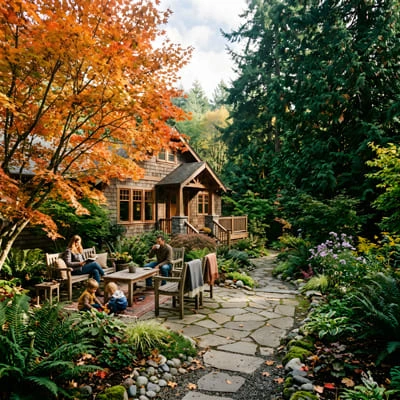
Longer summer days encourage evening gatherings, requiring lighting strategies and comfortable seating areas.
In contrast, shorter, colder winter days necessitate sheltered spaces and heat-retentive design elements.
Spring and autumn are transitional seasons that invite flexible spaces—areas that accommodate both sun and shade preferences as temperatures fluctuate.
Incorporating features like movable furniture and adjustable shading can support these needs.
- Maximize sunlight access in winter through strategic plant and structure placement.
- Use shading devices and ventilation to mitigate heat in summer.
- Design pathways and gathering areas with durable, non-slip surfaces for wet autumn and winter conditions.
Integrating Human-Centered Design Principles for Year-Round Garden Enjoyment
Successful seasonal garden design prioritizes human experience, acknowledging behavior patterns, comfort, and sensory stimulation. This means considering sightlines to seasonal focal points, tactile materials that invite touch, and scents that change with the seasons.
For example, spring’s floral aromas can be emphasized near seating areas, while autumn’s rustling leaves and earthy tones create a contemplative atmosphere.
Winter design can incorporate fire pits or sheltered benches to encourage outdoor use despite colder temperatures.
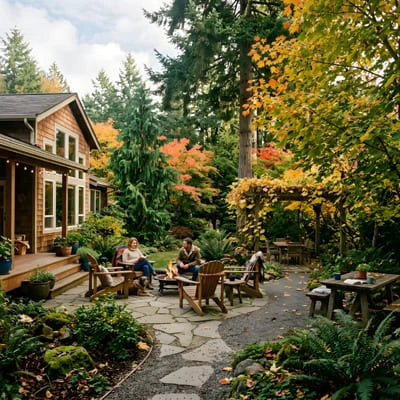
In practice, one residential garden I worked on in the Pacific Northwest used a combination of native deciduous trees and evergreen conifers to create a shifting palette of light and shade, enabling the family to use outdoor spaces comfortably in every season.
Next Steps for Implementing Seasonal Garden Design
Understanding the interplay of summer, spring, autumn, and winter in garden design calls for a deliberate and informed approach. Begin by assessing your local climate data and observing natural seasonal patterns on your site. Prioritize plant selections and materials that suit these conditions while enhancing human comfort and usability.
Test design ideas through small-scale interventions like seasonal plantings or temporary shading structures to evaluate their effectiveness. Engage with local horticultural experts and climate resources such as the USDA Plant Hardiness Zone Map or regional extension services to refine your strategy.
By embracing the cyclical nature of the seasons, your garden can become a resilient, living space that invites connection with nature year-round.
Frequently Asked Questions (FAQ)
How Do the Four Seasons Affect the Choice of Plants in a Residential Garden?
The four seasons dictate the growth cycles, dormancy periods, and aesthetic qualities of plants. In spring, plants that bloom early can signal renewal, while summer requires drought-resistant species to withstand heat. Autumn favors plants with colorful foliage or those that produce seeds, supporting wildlife. Winter demands evergreens or hardy plants that provide structure and interest during dormancy. Selecting plants adapted to your local climate and seasonal shifts reduces maintenance and promotes a sustainable garden ecosystem.
What Architectural Strategies Help Gardens Remain Functional Throughout All Seasons?
Architectural strategies include using shading devices like pergolas and retractable awnings to manage summer heat, and windbreaks or shelters to protect against cold winter winds. Material choices with appropriate thermal properties and durability enhance longevity. Designing multi-purpose spaces that can adapt to temperature and daylight changes—such as flexible seating and lighting—ensures that gardens remain inviting year-round, accommodating different activities and comfort needs tied to each season.
Why is It Important to Consider Daylight Variation in Seasonal Garden Design?
Daylight variation affects plant photosynthesis, growth patterns, and human use of outdoor spaces. Longer daylight in summer encourages extended outdoor activities, necessitating shading and cooling solutions. Shorter winter days require designs that maximize sunlight penetration for warmth and light. Understanding these variations helps optimize garden layout, ensuring that seating areas, plant groupings, and structural elements support both ecological health and human comfort throughout the year.
What Role Do Native Plants Play in Designing for the Four Seasons?
Native plants are inherently adapted to local seasonal patterns of temperature, precipitation, and light, making them more resilient and less resource-intensive. They provide habitat and food for indigenous wildlife, supporting biodiversity. Their seasonal behaviors—such as flowering, fruiting, and dormancy—create a natural rhythm that enhances the garden’s ecological balance. Incorporating native species is a best practice for sustainable garden design that respects the environment and reduces long-term maintenance.
Are There Limitations to Designing Gardens That Cater to All Four Seasons?
While designing for all seasons is ideal, limitations include regional climate extremes that restrict plant and material options. Some gardens may face challenges such as excessive shade, poor soil, or microclimate variability that complicate seasonal adaptability. Additionally, budget and maintenance capacity can limit the complexity of seasonal design solutions. Recognizing these constraints is essential; a pragmatic approach tailors design strategies to specific site conditions and user needs rather than applying a one-size-fits-all model.

Architect with extensive experience in residential and commercial design, including renovations and modular construction. Love to share information about Architecture, home and lifestyle in this blog.