Last updated on August 28th, 2026 at 02:13 pm
Vegetables form a cornerstone of diets worldwide, yet their diversity often goes unnoticed beyond common supermarket staples. Understanding the various types of vegetables, their botanical classifications, and their practical roles in residential gardens can transform how we approach food cultivation and consumption. This article explores the nuanced categories of vegetables, emphasizing how thoughtful selection and placement complement modern architecture and climate considerations in residential settings.
When discussing types of vegetables, it is essential to recognize the broad range of edible plant parts they encompass—from roots and stems to leaves and fruits. Each category demands distinct growing conditions and care, influencing garden design and harvest cycles. By aligning vegetable types with architectural and environmental contexts, gardeners can achieve both aesthetic harmony and productive yields.
The Essential Insights on Vegetable Types
- Vegetables are classified by the edible part of the plant: roots, stems, leaves, flowers, fruits, and seeds, each with unique cultivation needs.
- Understanding vegetable types helps optimize garden layout to suit microclimates, sunlight patterns, and architectural constraints.
- Perennial and annual vegetables differ not only in lifecycle but in how they integrate with sustainable, climate-aware garden design.
- Choosing vegetable types that align with local climate and soil conditions improves resilience and reduces resource consumption.
- Integrating vegetables into landscaping requires balancing aesthetics, functionality, and the nutritional goals of residents.
How the Different Types of Vegetables Are Defined and Categorized
In botanical and culinary contexts, vegetables are defined as edible parts of plants excluding fruits and seeds commonly classified as fruits in cooking. Technically, vegetables can be grouped by the part consumed: roots (e.g., carrots, beets), stems (e.g., asparagus, celery), leaves (e.g., spinach, kale), flowers (e.g., broccoli, cauliflower), fruits (e.g., tomatoes, peppers), and seeds (e.g., peas, beans).
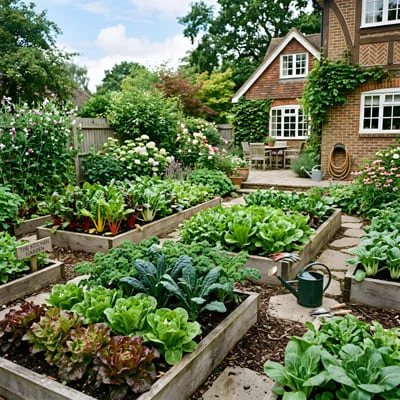
This classification aids gardeners and architects in understanding growth habits and spatial needs.
Root vegetables require loose, deep soil to develop properly, while leafy greens thrive in cooler conditions with partial shade.
Fruit vegetables often need sturdy trellises or support structures.
These distinctions are critical for designing vegetable gardens that harmonize with modern architectural elements and climatic realities.
“Recognizing vegetables by their edible plant parts provides clarity that directly informs garden planning and sustainable cultivation practices.”
Root and Tuber Vegetables: Foundations of Sustainable Gardens
Root vegetables, including carrots, radishes, and beets, are the underground storage organs of plants, storing energy and nutrients. Tubers like potatoes and sweet potatoes serve a similar function but differ anatomically. These vegetables typically require well-draining, loose soils and consistent moisture for optimal growth.
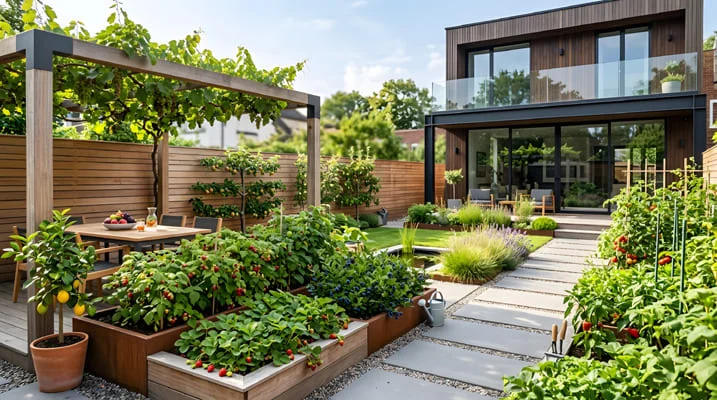
In residential gardens adjacent to modern homes, root vegetables can be integrated into raised beds or deep planters placed strategically to capture adequate sunlight while maintaining soil health. Their underground growth complements architectural designs that emphasize clean lines and minimal disruption to surface landscaping.
Practical Considerations for Root Vegetables:
- Soil preparation must prioritize aeration and drainage to avoid rot and deformities.
- Crop rotation is essential to prevent soil-borne diseases common to root vegetables.
- Root vegetables generally tolerate cooler temperatures, making them suitable for early spring or fall planting.
Leafy Greens and Stem Vegetables: Quick Growth and Nutrient Density
Leafy greens such as lettuce, kale, and Swiss chard provide vital nutrients and mature rapidly, offering multiple harvests in a growing season.
Stem vegetables like celery and asparagus contribute structural contrast and texture in the garden while delivering vitamins and fiber.
Leafy greens adapt well to partial shade environments, an advantage in residential settings where building shadows limit sunlight.
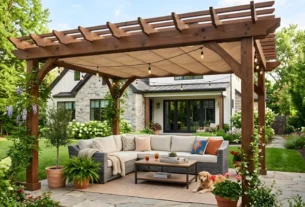
Their relatively shallow root systems allow flexible placement in container gardens or alongside architectural features like patios and pergolas.
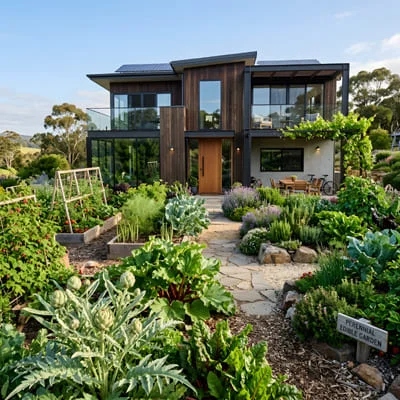
“Leafy and stem vegetables often serve as the most climate-adaptive crops, balancing fast growth with minimal spatial demands.”
Fruit and Seed Vegetables: Architectural Integration and Climate Adaptation
Vegetables classified as fruits—tomatoes, peppers, cucumbers—and seed vegetables like peas and beans require more space and structural support. Their growth habits include climbing or sprawling, which can be harmonized with modern architecture through vertical gardening or trellising systems.
These types benefit from well-lit areas and warmer microclimates created by building materials that retain heat. Their inclusion in residential gardens often demands intentional design to avoid visual clutter while maximizing yield, reinforcing the need for climate-aware placement.
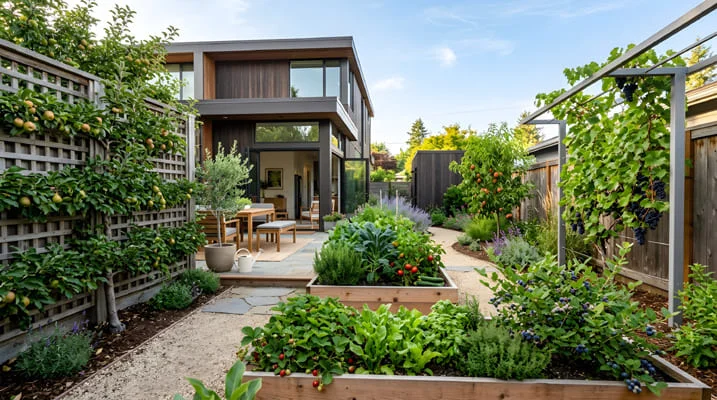
Key Factors for Fruit and Seed Vegetables:
- Support structures must be durable and integrated into landscape design.
- Microclimate considerations influence fruit set and crop maturation.
- Companion planting can reduce pest pressure and improve pollination success.
Perennial Versus Annual Vegetables: Lifecycles and Garden Planning
Annual vegetables complete their life cycle in one growing season, while perennials persist for multiple years. Examples of perennial vegetables include asparagus and rhubarb, whereas most leafy greens and root vegetables are annuals.
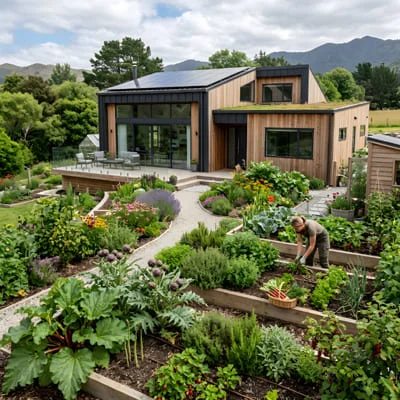
This distinction affects garden maintenance, soil management, and architectural integration.
In practice, mixing perennials and annuals creates a balanced garden with year-round productivity and dynamic visual interest.
Perennials can define garden borders or act as living fences, while annuals fill gaps with seasonal color and harvest.
This approach aligns with slow, intentional gardening philosophies that complement modern residential architecture.
Considerations for Lifecycle Planning:
- Perennials require upfront investment but reduce labor over time.
- Annuals offer flexibility, enabling crop rotation and soil rejuvenation.
- Combining both types supports biodiversity and garden resilience.
How to Choose Vegetable Types for Climate-Aware Residential Gardens
Successful vegetable gardening within residential environments demands matching plant types to local climate, soil conditions, and architectural context. For example, Mediterranean climates suit drought-tolerant vegetables like artichokes and certain legumes, while temperate zones favor leafy greens and root crops.
Implementing climate-aware selections reduces irrigation needs and pest issues. It also supports the broader goal of sustainable living by minimizing inputs and maximizing yield. Gardeners should assess sun exposure, prevailing winds, and soil type before selecting vegetable varieties to ensure synergy with the home’s design and environment.
“Aligning vegetable type selection with microclimate and architectural features is key to resilient, efficient home food production.”
Strategies for Climate-conscious Choices:
- Use heat-tolerant vegetables in south-facing beds with full sun exposure.
- In shaded or cooler areas, prioritize leafy greens and root vegetables.
- Incorporate drought-resistant perennials to reduce water consumption.
Vi cases where urban gardens flourished by integrating climbing beans on trellises attached to building facades, making use of vertical space and sunlight while adding greenery to minimalist architecture. This real-world example illustrates the practical benefits of understanding vegetable types and their spatial needs.
What to Do Now to Apply This Understanding of Vegetable Types
Assess the specific conditions of your residential garden: sunlight, soil quality, space, and climate. Map these factors against vegetable categories—roots, leaves, fruits, stems, seeds—to identify the best candidates for your plot. Experiment with combining perennial and annual vegetables to create a sustainable, productive ecosystem that complements your architectural design.
Test your selections in small batches, monitor their growth patterns, and adjust placement or varieties accordingly. This iterative approach aligns with intentional gardening practices that respect both environmental constraints and the rhythms of daily life.
Frequently Asked Questions (FAQ)
What Defines a Vegetable as a Root, Leaf, or Fruit Vegetable?
The classification depends on the edible part of the plant. Root vegetables are those where the root is consumed, like carrots or beets. Leafy vegetables include plants where leaves are eaten, such as spinach or kale. Fruit vegetables technically are fruits botanically but used as vegetables in cooking, like tomatoes and peppers. This distinction guides cultivation methods and garden planning.
Can Root Vegetables Grow Well in Containers or Small Urban Gardens?
Yes, root vegetables can thrive in containers if the soil is deep, loose, and well-drained. Raised beds or deep pots that allow roots to expand without obstruction are ideal. Maintaining consistent moisture and avoiding compacted soil are crucial to prevent misshapen roots or poor yields in limited spaces.
Are Perennial Vegetables More Sustainable Than Annuals?
Perennial vegetables often require less frequent planting and soil disturbance, making them more sustainable in the long term. However, they usually have slower initial growth and lower flexibility in crop rotation. Combining perennials with annuals can optimize sustainability by balancing productivity and soil health.
How Do Architectural Elements Affect Vegetable Garden Planning?
Building orientation, sunlight patterns, and structural features influence microclimates within the garden. Vegetables with specific light or temperature needs should be positioned accordingly. Architectural elements like walls can provide wind protection or reflected heat, which can be leveraged to extend growing seasons or support heat-loving crops.
What Are the Best Vegetables for Climate-resilient Home Gardens?
Climate-resilient vegetables vary by region but generally include drought-tolerant perennials like artichokes and asparagus, fast-growing leafy greens for cooler seasons, and heat-tolerant fruit vegetables such as peppers and tomatoes. Selecting varieties adapted to local conditions reduces resource inputs and enhances garden success.

Architect with extensive experience in residential and commercial design, including renovations and modular construction. Love to share information about Architecture, home and lifestyle in this blog.