
Last updated on September 14th, 2026 at 07:58 pm
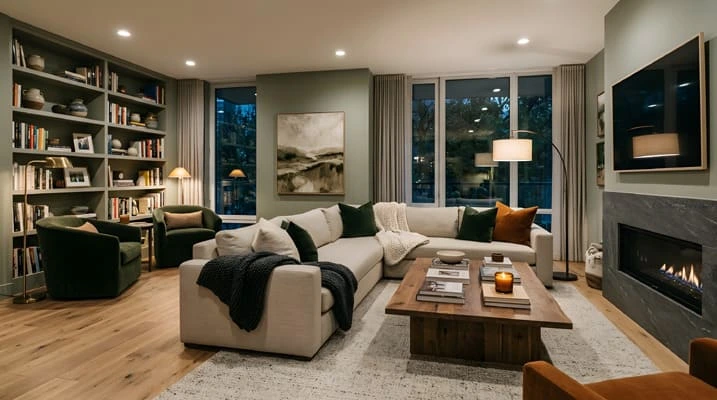
Combining wall texture, curtains, sofas, and cushions creates a layered and inviting atmosphere in any home. These elements, when thoughtfully integrated, enhance not only the aesthetic appeal but also the functional comfort of living spaces. Wall texture serves as the foundational backdrop, setting tone and depth, while curtains modulate light and privacy. Sofas and cushions bring tactile softness and color, completing the sensory experience. Understanding how to balance these components ensures a home that feels both cozy and sophisticated, reflecting practical living with architectural awareness.
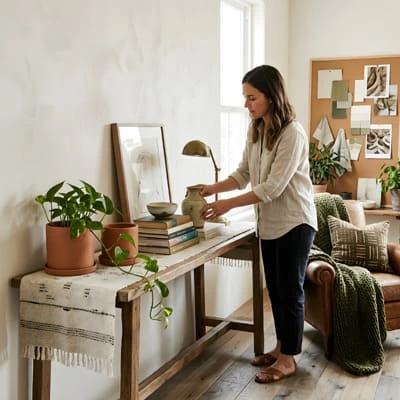
In this article, we explore how to mix these essential interior elements harmoniously. We will delve into the technical and practical aspects of selecting and combining textures, materials, and colors. This approach is grounded in real-world experience, acknowledging the impact of climate, lifestyle, and architectural context on design choices.
Whether you are renovating or furnishing a new space, mastering the interplay of wall texture, curtains, sofas, and cushions is key to creating a cohesive and comfortable environment.
The Essentials of Texture and Layering in Interior Design
- Wall texture fundamentally influences perception of space by adding depth and tactile interest beyond paint or wallpaper.
- Curtains act as both functional and decorative elements, controlling natural light while contributing to the room’s acoustic and thermal comfort.
- Sofas provide the spatial anchor and dominant tactile surface, where fabric choice impacts durability and comfort in daily use.
- Cushions offer flexible accents for color, pattern, and texture, allowing seasonal or stylistic updates without major investment.
- Integrating these components requires understanding their material properties and how they respond to environmental factors such as humidity and sunlight.
How Wall Texture Influences the Atmosphere and Practicality of a Room
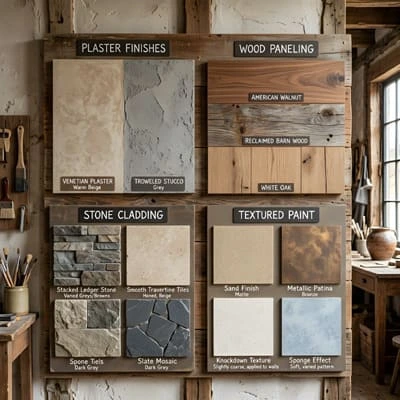
Wall texture goes beyond mere aesthetics; it shapes how a space feels and performs. Textured walls can be created through various means—plaster finishes, wood paneling, stone cladding, or textured paint techniques. Each method imparts distinct character and interacts differently with light and shadow, creating visual layers that prevent monotony.
From a functional standpoint, textured walls may improve acoustics by diffusing sound, which is valuable in living rooms or media areas. However, not all textures are suitable for every climate.
For instance, heavy plaster can trap moisture in humid environments, encouraging mold growth if not properly ventilated.
Architects recommend choosing breathable finishes like lime plaster in such cases, which balance texture with moisture regulation (Architectural Digest, 2023).
“In practice, wall texture functions when it complements the room’s lighting and climate but fails if it overwhelms or traps moisture.”
The Role of Curtains in Enhancing Comfort and Style
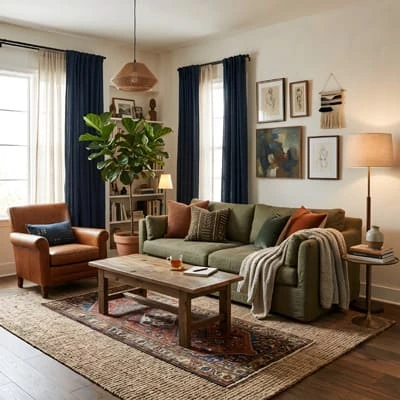
Curtains are pivotal in controlling natural light, privacy, and thermal insulation. The fabric choice affects how much light filters through, with sheer fabrics softening daylight and heavier drapes blocking glare and sound. Layered curtains combine these benefits, offering flexibility throughout the day.
Thermally, curtains contribute significantly to energy efficiency.
According to data from the U.S. Department of Energy, properly insulated curtains can reduce heat loss by up to 25% during winter months (Energy.gov, 2024).
This is crucial in temperate and colder climates where window glass is a major source of thermal exchange.
From an architectural perspective, curtain tracks and mounting details should be integrated into the ceiling or wall design to maintain clean lines and avoid clutter. This intentionality supports a calm, slow aesthetic that favors longevity over fleeting trends.
How Sofas Define Space and Influence Daily Interaction
The sofa is often the centerpiece of a living room, defining both the spatial layout and the social dynamic. Its size, shape, and upholstery fabric directly impact comfort and usability. Durable fabrics like microfiber or performance velvet withstand daily wear, especially in families with children or pets.
Architects and interior designers emphasize the importance of scale and proportion: a sofa too large can overpower a room, while one too small fails to provide adequate seating.
Modular sofas offer adaptability, allowing reconfiguration as needs change over time.
Texturally, sofa fabrics range from smooth leather to nubby wovens, each offering different sensory experiences. Choosing a fabric that complements wall textures and curtain materials fosters cohesion and invites tactile engagement.
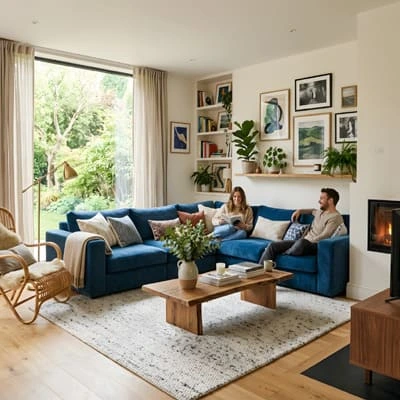
The Impact of Cushions on Flexibility and Visual Interest
Cushions serve as dynamic accents that infuse color, pattern, and texture into a space with minimal commitment. Their versatility allows homeowners to refresh a room seasonally or respond to changing tastes without major renovations.
Selecting cushion fabrics involves considering durability, ease of cleaning, and how the texture contrasts or complements the sofa. For example, a smooth leather sofa benefits from plush, textured cushions to soften its appearance and enhance comfort.
Layering cushions of various sizes and shapes adds dimension and invites interaction. However, too many cushions can clutter a sofa, reducing usability. Balancing quantity and arrangement is essential to maintain both style and function.
Integrating Wall Texture, Curtains, Sofas, and Cushions for a Cohesive Design
Successful integration demands understanding the interplay between these elements. The wall texture sets the tone, so other components must harmonize rather than compete. For example, a heavily textured wall pairs well with simple, solid-colored curtains and sofas to avoid visual overload.
Climate considerations also influence material choices. In warmer, humid regions, lightweight curtains and breathable sofa fabrics prevent discomfort and material degradation. In cooler climates, heavier textures and insulating curtains enhance comfort.
“The difference between a chaotic space and a harmonious one lies not in matching everything but in balancing contrasts thoughtfully.”
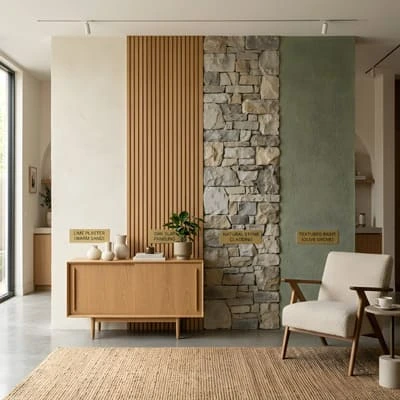
Practical testing in real conditions often reveals unforeseen issues. I have seen living rooms where thick velvet curtains clashed with rough stone walls, creating an uneasy tension that distracted from the overall design.
Adjusting curtain fabric to a softer linen resolved this while retaining warmth and privacy.
Incorporating natural fibers, sustainable textiles, and finishes with low environmental impact also aligns with intentional, slow design philosophies that respect both human comfort and ecological responsibility.
What to Do Next: Applying Texture and Layering Principles to Your Home
Begin by assessing your space’s architectural features and climate. Identify existing textures and materials, then plan how to introduce or complement them with curtains, sofas, and cushions. Prioritize durability and comfort alongside aesthetic appeal.
Experiment with samples of wall finishes and fabrics in your actual space under different lighting conditions. Pay attention to how materials age and interact with natural elements like sunlight and humidity. This hands-on approach reveals subtle nuances that influence long-term satisfaction.
Finally, adopt a mindset of layering and balance rather than uniformity. Allow contrasts in texture and color to create depth, but maintain cohesion through a restrained palette and thoughtful material choices. This strategy fosters a home environment that is simultaneously cozy, sophisticated, and enduring.
Frequently Asked Questions ( FAQ)
How Can Wall Texture Affect Room Acoustics and Comfort?
Textured walls help diffuse sound waves, reducing echoes and improving acoustic comfort. Materials like plaster or wood paneling break up flat surfaces that otherwise reflect noise excessively. However, the effectiveness depends on the type and scale of texture. Smooth walls reflect more sound, while irregular surfaces scatter it. This makes textured walls especially useful in living rooms or media spaces where controlling sound enhances usability.
What Types of Curtain Fabrics Work Best for Energy Efficiency?
Heavyweight fabrics such as velvet, thermal-lined cotton, and polyester blends provide superior insulation by reducing heat transfer through windows. Layered curtains combining sheer inner panels with heavier outer drapes maximize flexibility, allowing light in while maintaining thermal control. For climates with significant temperature swings, investing in insulated curtains can reduce heating and cooling costs by up to 25% (Energy.gov).
How Do I Choose Sofa Fabric That Balances Durability with Comfort?
Consider fabric types suitable for your household’s lifestyle. Microfiber and performance velvet are durable and stain-resistant, ideal for homes with children or pets. Natural fibers like linen and cotton offer breathability and comfort but may require more maintenance. Leather is durable and ages well but can feel cold or sticky depending on climate. Testing samples in your home environment helps ensure the right balance between tactile appeal and practical longevity.
What is the Best Way to Mix Cushions with a Patterned Sofa?
When working with a patterned sofa, choose cushions in solid colors that pick up tones from the sofa’s pattern to create harmony. Introducing cushions with subtle textures or small-scale patterns can add interest without overwhelming the design. Avoid large or competing patterns that clash visually. The goal is to enhance rather than compete with the sofa’s dominant visual presence.
Are There Any Limitations to Using Textured Walls in Humid Climates?
Yes, certain textured wall finishes like dense plaster or heavy paint layers can trap moisture and encourage mold growth in humid environments. Breathable materials such as lime plaster or textured wood paneling allow moisture to escape, reducing this risk. Proper ventilation and moisture barriers are also critical. Consulting with an architect or builder familiar with your local climate ensures that wall textures support both aesthetics and building health.

Architect with extensive experience in residential and commercial design, including renovations and modular construction. Love to share information about Architecture, home and lifestyle in this blog.