
Last updated on September 18th, 2026 at 02:26 pm
Our living spaces do far more than provide shelter; they actively shape how we allocate our time, influence our habits, and affect our well-being. Homes, as environments tailored for daily life, act as stages where routines, relationships, and personal growth unfold. Understanding how the design and atmosphere of homes guide human behavior is essential for creating spaces that support intentional, calm, and meaningful living.
This article explores the intricate relationship between homes and time use. It draws from architectural principles grounded in real-life experience, climate awareness, and a human-centered approach. The insights here are aimed at those who seek more than decoration, focusing on how home environments can foster slower, more deliberate living that aligns with contemporary needs and values.
The Essentials to Understand
- Homes influence time management by shaping daily routines through spatial design and environmental cues.
- Architectural elements such as natural light, layout, and connection to nature impact occupants’ mental states and productivity.
- Climate-responsive design not only reduces energy consumption but also affects how comfortable and engaged people feel at home.
- Intentional, human-centered spaces encourage slower living, helping residents prioritize meaningful activities over distraction.
- The relationship between homes and time use varies with cultural context, lifestyle, and personal needs, requiring adaptable design strategies.
How Homes Directly Influence How We Spend Our Time
At the core, a home is more than a physical structure; it’s an ecosystem that guides behavior and time allocation. Architectural design, spatial organization, and sensory elements within homes all help to create rhythms and routines.
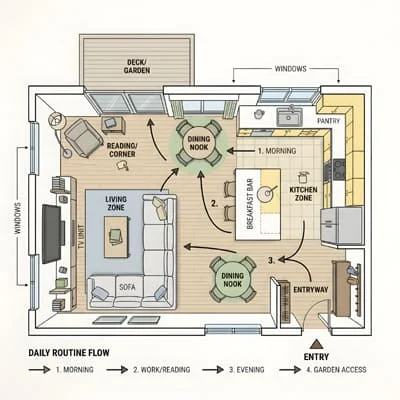
For example, an open-plan kitchen connected to a living area can encourage social interaction and shared meal preparation, turning cooking into a communal event rather than a solitary task.
Conversely, compartmentalized layouts may foster privacy but risk isolating family members.
From an expert perspective, homes function as temporal anchors—spaces where daily activities are segmented and sequenced.
The positioning of work zones, relaxation areas, and transition spaces affects how time is structured throughout the day.
Architects know that daylight distribution and acoustic comfort strongly influence productivity and rest cycles, which ultimately dictate how time is experienced and valued within a residence.
“Homes are temporal frameworks that organize activity and rest; their design dictates not just where but how time unfolds in daily life.”
Natural Light, Climate, and Time Perception in Residential Spaces
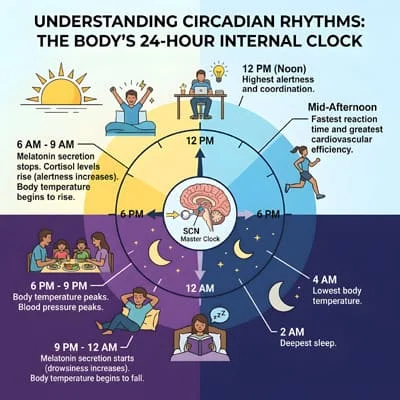
Natural light profoundly affects circadian rhythms, mood, and alertness. A home that maximizes daylight penetration subtly synchronizes occupants internal clocks with the natural day-night cycle, improving sleep quality and daytime focus.
Studies from the National Institute of Environmental Health Sciences confirm that exposure to natural light enhances cognitive function and emotional well-being.
Climate-responsive design further refines this relationship by regulating temperature and air quality with passive strategies such as cross-ventilation, shading, and thermal mass.
These elements reduce discomfort and distractions caused by extreme temperatures or stale air, allowing residents to engage more fully in their chosen activities.
However, this method has limitations in highly urbanized or extreme climates where architectural interventions must be complemented by technology.
Intentional Design Strategies to Encourage Slow and Meaningful Living
Homes built with intentionality prioritize quality over quantity in the use of space and time. This approach embraces calmness and mindfulness, resisting the modern tendency toward overstimulation and hurried lifestyles. Architects practicing this philosophy often incorporate natural materials, minimalist design, and flexible spaces that adapt to different activities without clutter or noise.
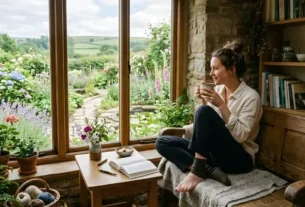
One practical outcome is the creation of “pause zones” within homes—dedicated areas for reflection, reading, or simple rest—that interrupt the constant rush of everyday life. These zones serve as spatial reminders to slow down and reconnect with oneself. In practice, these design choices foster deeper engagement with time, encouraging residents to allocate moments for rejuvenation and thoughtful presence.
“Intentional residential design transforms homes into sanctuaries, where time is not lost but consciously lived.”
The Role of Cultural and Lifestyle Factors in Shaping Time Use at Home
Homes are culturally embedded artifacts that reflect and shape the daily lives of their inhabitants. Time use within homes varies significantly across societies, influenced by social norms, family structures, and work habits. For example, multigenerational households often require flexible spaces that accommodate collective activities and privacy, affecting how time is negotiated and experienced.
Moreover, lifestyle choices such as remote work, caregiving, or hobbies dictate spatial needs and time allocation. An effective home design accounts for these variables, providing adaptable environments that support evolving routines. Failure to consider cultural and lifestyle nuances can lead to spaces that inhibit rather than empower residents in managing their time.
Technological Integration and Its Impact on Time Management in Homes
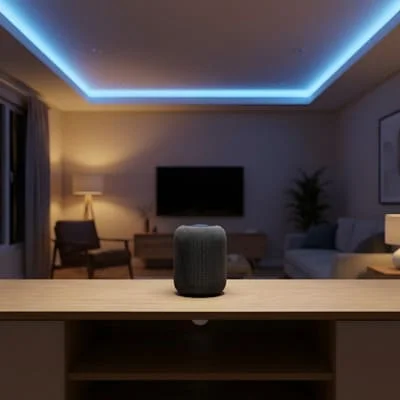
Smart home technologies have introduced new dynamics in how residents interact with their living spaces and manage their time.
Automated lighting, climate control, and security systems enhance convenience and energy efficiency, freeing occupants from mundane tasks. However, the overuse or poor integration of technology can create distractions and reduce intentionality.
Architects and designers advocate for balanced technological integration that supports mindful living rather than constant connectivity.
For instance, programmable “quiet hours” and technology-free zones can help maintain focus and rest.
Ultimately, technology should serve as a tool that complements the home’s role in structuring time, not as a source of fragmentation.
What to Do Now: Applying These Insights to Your Home
Evaluate your home environment with an eye toward how its layout, lighting, and climate responsiveness influence your daily rhythms. Experiment with creating dedicated spaces for specific activities, such as work, relaxation, and social interaction. Consider integrating passive climate strategies or consulting with a specialist on improving natural light and air quality. Balance the use of technology by setting boundaries that preserve focused and restorative time.
By consciously shaping your living space, you take control of how your time is spent, fostering a lifestyle that values presence, intention, and well-being.
Frequently asked Questions ( FAQ)
How Does the Layout of a Home Affect Daily Routines?
The layout of a home directs movement and interaction, influencing how activities are sequenced and prioritized. Open layouts may promote socialization and multitasking, while compartmentalized spaces allow for focused, private activities. Effective layouts align with the residents’ lifestyle, enabling smoother transitions between work, rest, and leisure, thereby shaping daily time management.
Why is Natural Light Important for Time Perception at Home?
Natural light regulates the body’s circadian rhythms, which govern sleep-wake cycles and alertness. Exposure to adequate daylight improves mood, cognitive function, and energy levels, affecting how time feels during the day. Well-lit homes can thus enhance productivity and encourage healthier time use by aligning occupants with natural biological patterns.
What Are Some Design Features That Encourage Slower Living at Home?
Features such as minimalist interiors, natural materials, and dedicated quiet spaces foster a calm atmosphere conducive to mindfulness. Flexible rooms that adapt to various activities without clutter encourage residents to engage more intentionally with their time. Incorporating elements like indoor plants or views of nature also supports relaxation and presence, key to slower living.
How Do Cultural Differences Influence Home Design and Time Use?
Cultural values shape household composition, social interaction, and work-life balance, all of which affect time use at home. For instance, in cultures with extended families living together, homes often include multifunctional spaces to accommodate shared activities. Understanding these nuances is essential for designing homes that support the temporal needs of diverse occupants.
Can Technology in Homes Improve or Hinder Time Management?
Smart technologies can streamline routine tasks, improving efficiency and freeing time for meaningful activities. However, excessive connectivity and poorly designed tech integration risk creating distractions and reducing intentional focus. Thoughtful implementation, including technology-free zones and scheduled downtime, helps maintain balance and supports purposeful time use.

Architect with extensive experience in residential and commercial design, including renovations and modular construction. Love to share information about Architecture, home and lifestyle in this blog.
nice article!