Last updated on September 14th, 2026 at 08:00 pm
Windows are more than mere openings in a wall—they shape how a house breathes, feels, and interacts with its environment. The placement and selection of different window types influence natural light, ventilation, privacy, and even the architectural character of a home. Understanding the nuances behind window types and their strategic placement reveals how these elements transform residential spaces beyond aesthetics, integrating climate, lifestyle, and function.
This article explores various window types, focusing on how their positioning alters the character of a house. Rooted in architectural principles and practical experience, it shows how deliberate choices in window design can enhance comfort, energy efficiency, and spatial quality in real-life homes.
What You Should Know About Window Types and Their Placement
- Window types vary not only in form but in function; their placement impacts daylight, ventilation, and privacy fundamentally.
- Strategic window placement can control solar gain, reduce reliance on artificial lighting, and improve natural airflow, contributing to sustainable design.
- Architectural character is shaped by window scale, rhythm, and orientation, which respond to both local climate and human activity patterns.
- Not every window type suits all orientations or climates; understanding exceptions and limitations is crucial to avoid discomfort or inefficiency.
- Combining multiple window types in a single project often yields the best balance of light, view, and thermal performance.
How Window Types and Their Placement Shape Residential Architecture
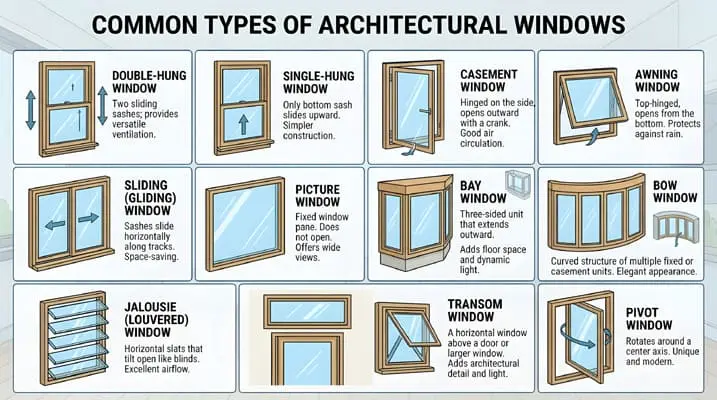
Window types encompass a variety of designs—fixed, casement, sliding, awning, and more—each with unique operational and aesthetic qualities. Their placement within a building envelope is a decisive factor in shaping the home’s character and performance. The first technical consideration is understanding that windows are engineered elements designed to manage light, airflow, and heat transfer.
For example, fixed windows offer unobstructed views and maximum daylight but no ventilation, often used in facades facing scenic landscapes. Casement windows, hinged on the side, facilitate effective cross-ventilation when placed opposite operable windows, making them ideal for warmer climates. Sliding windows save interior space and provide wide openings but may leak more air if poorly installed.
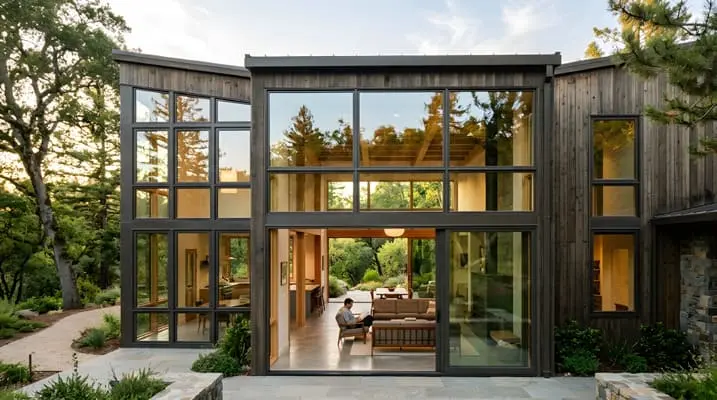
Window placement aligns with the sun’s path and prevailing winds, balancing heat gain and natural cooling. North-facing windows in the Northern Hemisphere generally provide consistent, soft light without excessive heat, ideal for living spaces. South-facing windows can harness passive solar gain in winter but require shading strategies in summer. East and west windows deliver intense, low-angle sunlight, necessitating careful control to avoid glare and overheating.
“What distinguishes effective window design is not merely the type chosen but how its placement works with the local climate and daily human rhythms to create comfort and identity.”
The Role of Window Orientation in Day light and Energy Efficiency
Window orientation directly affects a home’s energy performance and interior ambiance. In practice, south-facing windows in temperate climates maximize solar gain during winter months, reducing heating demands. However, without shading, these windows can cause overheating during summer afternoons.
East-facing windows capture gentle morning light but can contribute to unwanted heat gain as the sun rises.
North-facing windows provide stable, indirect lighting, minimizing harsh shadows and glare, which architects often favor in studios or reading areas.
West-facing windows, subject to intense late-day sun, pose challenges for thermal comfort, often requiring deep overhangs or operable shading devices.
Integrating skylights and clerestory windows can supplement day light in deeper floor plans where vertical wall windows fall short. These window placements improve daylight penetration without compromising privacy or wall space.
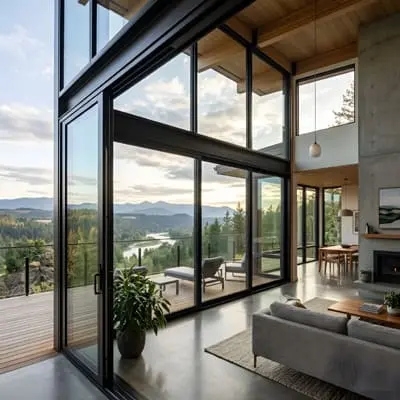
Window Orientation and Energy Balance
- South-facing glazing should be sized and shaded carefully to optimize seasonal solar gain.
- East and west windows need shading solutions to mitigate overheating and glare.
- North windows provide consistent daylight with minimal heat gain, ideal for workspace.
- High windows and skylights can enhance daylight without sacrificing wall area or privacy.
“Proper window orientation is a key strategy to reduce mechanical heating and cooling, directly impacting a building’s energy footprint.”
Common Window Types: Characteristics and Ideal Placements
Understanding window types helps in selecting the right one for each location and function within a home. Here’s a breakdown of common window types, their features, and where they work best:
Window Type Operation Best Use Case Advantages Limitations Fixed Non-operable Views, daylight without ventilation Maximizes glass area, low maintenance, good insulation No ventilation, potential condensation issues Casement Hinged side-open Ventilation, cross-breeze Excellent airflow, tight seal when closed Can catch wind, may block outdoor space Sliding Horizontal slide Space-saving, wide openings Easy operation, good views Less airtight, limited ventilation control Awning Hinged top-open Ventilation during rain, privacy Allows airflow while keeping rain out Limited size, obstructs view when open Double-Hung Two vertically sliding sashes Traditional homes, ventilation flexibility Adjustable airflow top or bottom Maintenance-intensive, less airtight
Each window type’s suitability depends on climate, room function, and the desired interaction with the outdoors. For instance, awning windows placed high on walls enhance privacy while promoting ventilation, suitable for bathrooms or bedrooms. Double-hung windows offer nuanced airflow control, popular in temperate regions.
How Window Placement Influences Privacy, View, and Interior Experience
Window placement determines not only environmental performance but also social and psychological dimensions of living spaces. Placing large windows at street level may invite natural light but compromise privacy. Conversely, small or high-set windows preserve privacy but limit daylight and view.
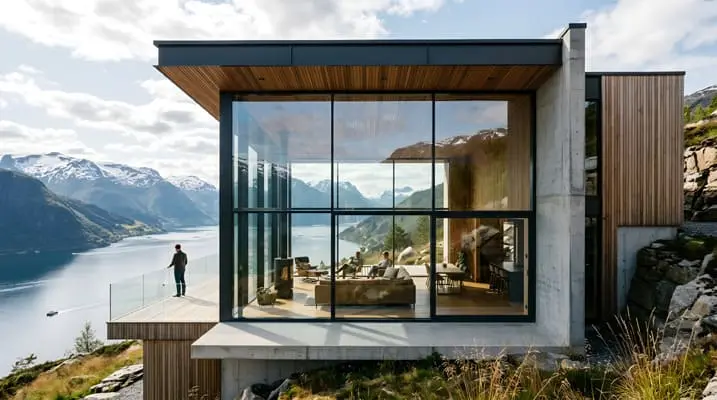
Architects often balance these factors by layering window sizes and types. For example, a combination of fixed picture windows for views and operable casements for ventilation can create a dynamic façade.
Transom windows above doors or larger windows admit daylight deeper into rooms while maintaining privacy below eye level.
In multi-story homes, corner windows or wrap-around glazing enhance spatial openness and panoramic views but require careful thermal and shading considerations. Deep window recesses or exterior shading devices can mitigate glare and overheating without sacrificing the connection to the outdoors.
“Window placement is a dialogue between openness and enclosure, shaping how occupants experience light, air, and connection to their surroundings.”
Design Strategies for Climate-Responsive Window Placement
Climate awareness is critical when deciding window types and their locations. In hot and humid regions, minimizing west-facing glazing and maximizing shaded, operable windows encourages natural cooling. In cold climates, compact window areas reduce heat loss, while south-facing windows maximize solar gain.
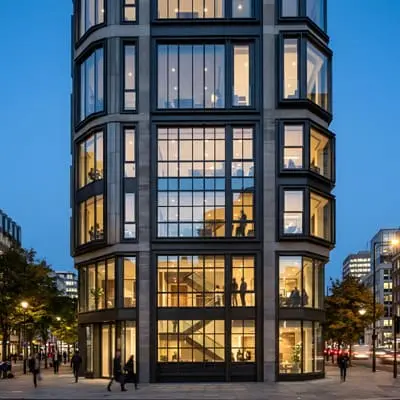
Architectural strategies include using thermal breaks, double or triple glazing, and low-emissivity coatings to enhance insulation. Overhangs, louvers, and deciduous trees provide seasonal shading, protecting windows from summer sun while allowing winter light.
In practice, I’ve seen homes where oversized south-facing windows without shading caused overheating, forcing costly mechanical cooling.
Conversely, well-placed clerestory windows and operable vents facilitated passive ventilation and daylight, reducing energy use significantly.
Adapting window placement to microclimates around a site—such as shade from adjacent buildings or prevailing winds—further refines comfort and efficiency.
Key Climate-Responsive Tactics
- Use operable windows for cross-ventilation aligned with prevailing winds.
- Limit large glazing on east and west facades in hot climates.
- In cold climates, prioritize insulated glazing and south-facing windows.
- Incorporate shading devices that respond to seasonal sun angles.
These considerations emphasize that effective window design is not a one-size-fits-all approach but a site- and context-specific solution.
Next Steps: Applying Window Types Thoughtfully in Your Design
Integrating the right window types and placing them strategically requires a holistic understanding of architecture, climate, and human needs. Start by analyzing your site’s orientation, sun paths, and prevailing winds. Then, match window functions—ventilation, day light, view, privacy—to the rooms they serve.
Testing window placement with physical or digital models can reveal unexpected lighting or heat gain issues. Consult climate data and building codes to ensure compliance and optimize energy performance. Consider combining multiple window types within a single project to balance competing requirements effectively.
By approaching window design as a deliberate, climate-aware architectural gesture, you shape spaces that feel intentional, comfortable, and connected to their environment.
Frequently Asked Questions (FAQ)
What Window Types Are Best for Maximizing Natural Ventilation?
Casement and awning windows excel at natural ventilation. Casement windows, hinged on the side, catch breezes when opened outward, promoting cross-ventilation. Awning windows, hinged at the top, allow airflow even during light rain. Combining these with operable windows placed opposite each other enhances air circulation effectively, especially when aligned with prevailing winds.
How Does Window Placement Affect Energy Efficiency in a Home?
Window placement influences solar heat gain, daylight penetration, and heat loss. South-facing windows in colder climates can reduce heating needs by capturing winter sun. East and west windows may introduce unwanted heat gain during mornings and afternoons, requiring shading. North-facing windows offer stable daylight with minimal heat transfer. Thoughtful placement reduces reliance on artificial lighting and mechanical systems, improving overall energy efficiency.
Can Large Windows Compromise Privacy, and How Can This Be Mitigated?
Large windows facing public or neighboring areas may reduce privacy. Solutions include using frosted or textured glass, adding window treatments, or positioning windows higher on walls. Incorporating smaller operable windows or clerestories above eye level maintains daylight and ventilation while preserving privacy. Landscaping and architectural screens also provide effective visual barriers without sacrificing natural light.
What Are the Maintenance Considerations for Different Window Types?
Fixed windows require minimal maintenance since they don’t open. Casement and awning windows, with hinges and hardware, need regular inspection and lubrication. Sliding windows tracks can accumulate debris and affect operation if not cleaned. Double-hung windows may require more upkeep due to their moving sashes. Material choice—wood, aluminum, vinyl—also impacts maintenance frequency and durability.
How Can Window Design Respond to Different Climate Zones?
Window design adapts to climate by balancing solar control and ventilation. In hot, humid climates, minimizing west-facing glazing and maximizing shaded operable windows promote cooling. Cold climates benefit from reduced window area, triple glazing, and south-facing windows for passive solar heating. Incorporating shading devices and selecting insulated glass help optimize comfort and energy efficiency across zones.

Architect with extensive experience in residential and commercial design, including renovations and modular construction. Love to share information about Architecture, home and lifestyle in this blog.