
Vertical gardens represent a transformative approach to integrating greenery into urban living spaces, redefining the concept of a front home garden and garden maintenance. These living walls not only beautify limited outdoor areas but also contribute significantly to environmental sustainability and improved air quality. Understanding how to implement and care for vertical gardens is essential for homeowners seeking to optimize their garden maintenance while embracing modern, climate-conscious design.
Urbanization often limits the available space for traditional gardens, posing challenges for those who wish to cultivate plants at home. Vertical gardens unlock new possibilities by utilizing vertical surfaces, maximizing green space without sacrificing functionality or aesthetics. This innovative solution addresses both spatial constraints and environmental concerns, offering a practical alternative for front home garden enthusiasts.
This article explores the principles behind vertical gardens, practical tips for garden maintenance, and design strategies that align with human-centered, climate-aware architectural practices. Through a detailed examination, readers will gain expert insights on how to integrate vertical greenery effectively within their residential environments.
Innovative Approaches to Front Home Garden Design
Maximizing Space with Vertical Greenery
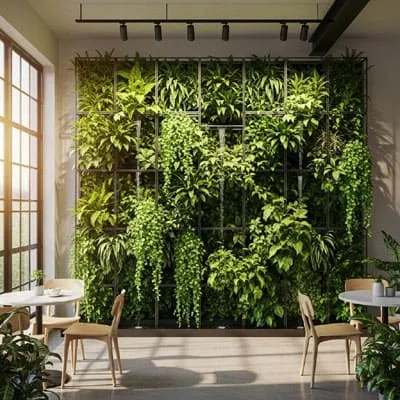
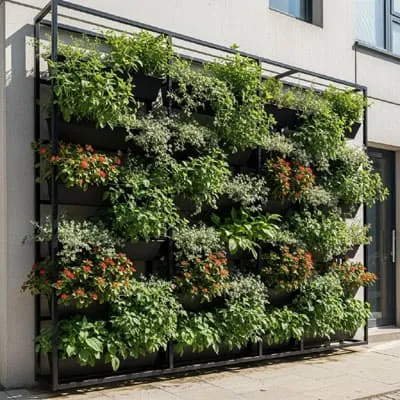
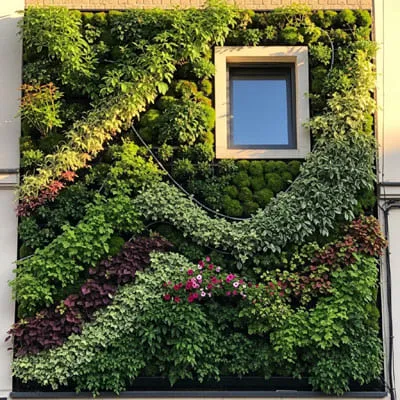
In today’s urban environments, space is at a premium, making traditional front home gardens difficult to maintain. Vertical gardens offer a strategic solution by utilizing walls, fences, and other upright surfaces to cultivate plants. This method expands planting opportunities without encroaching on limited ground area, fostering lush green facades that enhance curb appeal.
Plants suited for vertical arrangements often include climbers, succulents, and compact perennials. Selecting species based on local climate and sunlight exposure is crucial to ensure longevity and reduce garden maintenance efforts. The integration of drip irrigation systems further simplifies care, promoting sustainable water use.
With thoughtful plant selection and design, vertical gardens transform functional spaces into serene, green environments that reflect the architectural intent of intentional, slow living.
Plant Selection for Sustainable Garden Maintenance
Choosing the right plants for a front home garden that incorporates vertical elements is foundational to long-term success. Native species and drought-resistant plants reduce watering needs and improve resilience against pests and diseases. This approach aligns with climate-aware gardening principles, minimizing environmental impact.
Complementary plant varieties can create visual interest and support biodiversity, attracting pollinators and beneficial insects. Incorporating herbs or edible plants also introduces a practical dimension to garden maintenance, offering fresh produce with minimal effort.
Regular monitoring and adaptive care routines tailored to these selections ensure the garden remains healthy and vibrant throughout the seasons.
Benefits of Vertical Gardens in Urban Front Gardens
- Efficient use of limited outdoor space
- Improved air quality and noise reduction
- Enhanced thermal insulation for buildings
- Increased biodiversity and habitat creation
- Low water consumption when combined with drip irrigation
Vertical gardens contribute to the ecological health of urban areas while offering aesthetic and functional benefits. They serve as natural air filters, reducing pollutants and promoting a calming atmosphere. Additionally, these gardens help regulate building temperatures, lowering energy consumption for heating and cooling.
Essential Techniques for Effective Garden Maintenance
Watering Strategies for Front Home Gardens
Efficient watering is a cornerstone of garden maintenance, especially in vertical gardens where soil volume is limited. Drip irrigation systems and moisture sensors help deliver precise water amounts directly to plant roots, minimizing waste and preventing overwatering. This targeted approach supports plant health and conserves water resources.
Adjusting watering schedules according to seasonal changes and weather conditions reduces stress on plants and enhances sustainability. Mulching around base plants in adjacent ground gardens can further retain moisture and regulate soil temperature.
Implementing automated irrigation controls allows homeowners to maintain consistent moisture levels with minimal manual intervention.
Pruning and Care to Enhance Growth
Regular pruning is vital to maintain the aesthetic and structural integrity of front home gardens, especially those featuring vertical arrangements.
Removing dead or damaged foliage encourages new growth and prevents disease spread. Pruning also shapes plants, ensuring optimal light penetration and air circulation.
Seasonal trimming schedules depend on plant species and growth rates. In vertical gardens, careful attention is required to avoid damaging irrigation lines or support structures during maintenance. Proper tool sanitation prevents cross-contamination of pests and pathogens.
Consistent care routines foster healthy development, reducing long-term garden maintenance challenges.
Common Pest Management Approaches
Integrated pest management (IPM) is the preferred strategy for handling infestations in front home gardens while prioritizing environmental health. Physical barriers, beneficial insects, and organic treatments reduce reliance on chemical pesticides. Regular inspection of plants enables early detection and targeted intervention.
Maintaining plant diversity and soil health creates a balanced ecosystem less susceptible to pest outbreaks. Companion planting can naturally deter harmful insects and improve overall garden resilience.
Educating homeowners on pest identification and eco-friendly solutions ensures effective, sustainable garden maintenance.
| Watering Method | Advantages | Considerations |
|---|---|---|
| Drip Irrigation | Water-efficient, reduces evaporation | Requires installation and maintenance |
| Manual Watering | Flexible, low cost | Time-consuming, risk of overwatering |
| Soaker Hoses | Even moisture distribution | Can clog, limited to ground-level plants |
Designing Front Home Gardens for Climate Adaptability
Incorporating Climate-Responsive Planting
Incorporating climate-responsive plants in front home gardens ensures resilience in the face of changing weather patterns.
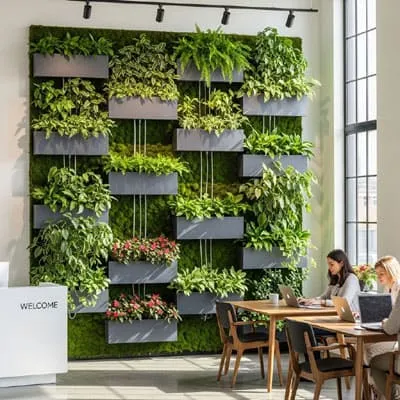
Selecting species adapted to local temperature ranges, rainfall, and sunlight fosters sustainable growth and reduces garden maintenance needs. This practice supports biodiversity and strengthens ecosystem services within urban settings.
Native plants often outperform exotic varieties under local conditions, requiring fewer inputs such as fertilizers and irrigation. Integrating drought-tolerant plants also mitigates the impact of water restrictions during dry seasons.
Through careful planning, front home gardens can thrive year-round while minimizing environmental footprint.
Design Principles for Energy Efficiency
Strategic placement of greenery in front home gardens can enhance building energy efficiency. Vertical gardens on sun-facing walls provide insulation, reducing heat gain in summer and heat loss in winter. Deciduous climbers offer seasonal shading, allowing sunlight penetration during colder months.
Incorporating permeable surfaces and natural ventilation pathways complements green installations, optimizing microclimates around homes. Such architectural integration aligns with intentional, slow design philosophies that prioritize occupant comfort and sustainability.
These principles encourage a harmonious balance between built and natural environments.
Materials and Structures for Durable Vertical Gardens
- Weather-resistant support frames (steel, treated wood)
- Lightweight modular planting systems
- Efficient waterproof membranes
- Integrated irrigation and drainage components
- Non-toxic, breathable substrates
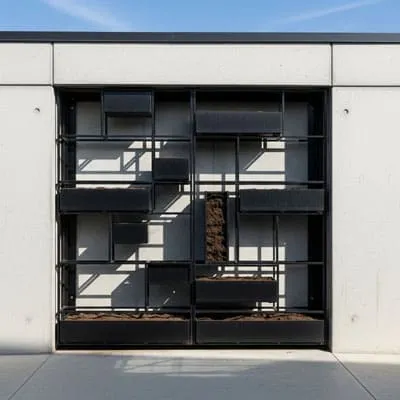
Choosing appropriate materials and construction methods for vertical gardens ensures longevity and ease of maintenance. Durable supports withstand environmental stressors, while modular systems facilitate plant replacement and seasonal adjustments. Proper waterproofing protects building facades from moisture damage.
Integrating irrigation and drainage thoughtfully reduces maintenance efforts and prevents plant health issues related to waterlogging.
| Material | Durability | Maintenance Requirements |
|---|---|---|
| Steel Frame | High | Periodic rust prevention |
| Treated Wood | Moderate | Regular sealing and inspection |
| Plastic Modules | Moderate to High | Minimal, replace if damaged |
Maintenance Best Practices for Sustainable Front Gardens
Soil Health and Fertilization
Maintaining soil health is fundamental to effective garden maintenance. Organic compost and slow-release fertilizers enrich the soil, promoting robust plant growth in front home gardens.
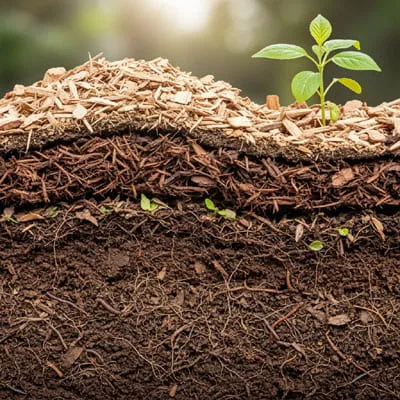
Regular testing of soil pH and nutrient levels guides targeted amendments, preventing over-fertilization and runoff.
In vertical garden systems, substrate quality and replacement schedules are equally important. Balanced nutrient supply supports root development and plant vitality, reducing susceptibility to stress and disease.
Implementing mulch layers protects soil from erosion and moisture loss, enhancing overall garden sustainability.
Seasonal Adjustments and Routine Checks
Front home gardens require seasonal adjustments to accommodate weather fluctuations and plant life cycles.
Routine inspections for irrigation efficiency, pest presence, and structural integrity enable proactive responses to potential issues. This measured approach minimizes intensive interventions and aligns with slow, intentional gardening philosophies.
Seasonal pruning, replanting, and cleaning ensure the garden remains visually appealing and ecologically balanced throughout the year. Proper scheduling of these tasks reduces stress on plants and conserves resources.
Consistent observation and care are key to long-term success in garden maintenance.
Tools and Equipment for Efficient Garden Care
- Ergonomic pruning shears
- Soil moisture meters
- Lightweight watering cans with fine nozzles
- Protective gloves and safety gear
Using the right tools enhances efficiency and safety during garden maintenance activities. Ergonomically designed equipment reduces strain and improves precision. Monitoring devices such as moisture meters inform watering decisions, optimizing resource use.
Proper storage and regular cleaning of tools extend their lifespan and maintain performance, supporting sustainable garden care routines.
Integrating Technology in Garden Maintenance
Smart Irrigation Systems
Smart irrigation technology has revolutionized garden maintenance by automating water delivery based on weather forecasts and soil moisture data. These systems optimize water use, reduce waste, and decrease manual labor in front home gardens. Integration with mobile apps allows real-time monitoring and adjustments.
Advanced sensors and timers enable precise watering schedules tailored to plant needs, enhancing health and growth. This technology supports climate-aware gardening by conserving water and adapting to environmental changes.
Investment in smart systems offers long-term cost savings and improved garden sustainability.
Apps and Software for Garden Planning
Digital tools assist homeowners and professionals in designing and managing front home gardens.
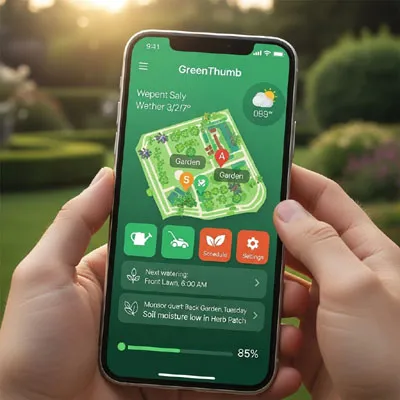
Garden planning apps offer features such as plant databases, growth tracking, and maintenance reminders.
These resources facilitate informed decisions and efficient scheduling.
Visualization tools help conceptualize vertical garden layouts, ensuring aesthetic coherence and functionality. Collaborative platforms enable sharing of designs and advice among gardening communities, fostering knowledge exchange.
Utilizing technology enhances user engagement and supports long-term garden success.
Monitoring and Data-Driven Maintenance
- Soil moisture and nutrient monitoring
- Climate and weather condition tracking
- Plant growth and health analytics
- Pest and disease early detection
Data-driven garden maintenance leverages sensors and analytics to provide actionable insights. Continuous monitoring detects subtle changes, enabling early intervention and reducing resource consumption. This approach aligns with human-centered design by minimizing effort while maximizing outcomes.
Integration of monitoring systems supports sustainable garden management and adapts to evolving environmental conditions.
Community and Environmental Impact of Front Home Gardens
Enhancing Urban Biodiversity
Front home gardens, especially those incorporating vertical greenery, contribute significantly to urban biodiversity by providing habitats for pollinators, birds, and beneficial insects.

These green spaces create ecological corridors that support species movement and genetic diversity.
Community engagement in garden projects fosters stewardship and environmental awareness, encouraging sustainable practices. The collective impact of individual gardens enhances urban resilience to climate change.
Promoting native plantings and diverse species strengthens ecosystem services and urban ecological health.
Social and Psychological Benefits
Green front home gardens improve mental well-being by offering calming, restorative environments. Access to nature reduces stress and promotes social interaction among neighbors.
Vertical gardens add visual interest and foster pride in residential spaces.
Intentional garden design reflects cultural values and personal identity, creating meaningful connections between people and their surroundings. These benefits contribute to healthier, more vibrant communities.
Gardening also encourages physical activity and mindfulness, supporting holistic health.
Promoting Sustainable Urban Development
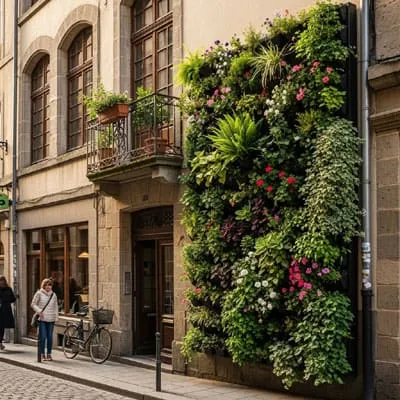
Integrating front home gardens into urban planning supports sustainable development goals by mitigating heat island effects, managing stormwater, and reducing carbon footprints. Vertical gardens optimize land use and contribute to green infrastructure networks.
Policies encouraging residential greenery improve air quality and urban livability. Collaboration between homeowners, architects, and municipalities drives innovative solutions for climate-adaptive neighborhoods.
These efforts exemplify the synergy between architecture, ecology, and community well-being.
| Impact Area | Benefit | Example |
|---|---|---|
| Biodiversity | Habitat creation | Pollinator-friendly plantings |
| Social Well-being | Stress reduction | Community garden programs |
| Environmental | Heat island mitigation | Green façades on buildings |
Green spaces
Vertical gardens are redefining the possibilities for front home garden and garden maintenance in urban settings. By integrating climate-aware design, sustainable plant choices, and smart technologies, homeowners can create resilient, beautiful green spaces that enhance both environmental and social well-being.
Embracing these principles allows for intentional, slow living that respects natural cycles and architectural integrity. As urban landscapes evolve, vertical gardens offer a forward-thinking solution that marries aesthetics with functionality, inviting a new era of sustainable front home gardening.
Frequently Asked Questions
What Are the Key Benefits of Vertical Gardens for Front Home Gardens?
Vertical gardens maximize limited space, improve air quality, reduce noise, and provide insulation. They also promote biodiversity and require less water when designed with sustainable irrigation, making them ideal for urban front home gardens.
How Often Should I Maintain a Vertical Garden?
Maintenance frequency depends on plant types and climate but generally includes weekly watering, monthly pruning, and seasonal fertilization. Regular checks for pests and irrigation system function keep the garden healthy with minimal effort.
Can I Install a Vertical Garden Myself?
Yes, many vertical garden systems are designed for DIY installation. However, selecting appropriate materials, plants, and irrigation requires planning. Consulting professional guidelines or experts can ensure long-lasting results.
What Plants Are Best Suited for Front Home Vertical Gardens?
Succulents, ferns, climbers, and drought-tolerant native species perform well in vertical gardens. Choosing plants adapted to local climate conditions reduces maintenance and improves survival rates.
How Does Vertical Gardening Contribute to Environmental Sustainability?
Vertical gardens reduce urban heat, filter air pollutants, conserve water through efficient irrigation, and increase green space without expanding land use. This approach supports biodiversity and aligns with sustainable urban development goals.
For further reading on sustainable urban gardening, visit the USDA official site and the EPA Green Infrastructure resources.

Architect with extensive experience in residential and commercial design, including renovations and modular construction. Love to share information about Architecture, home and lifestyle in this blog.