
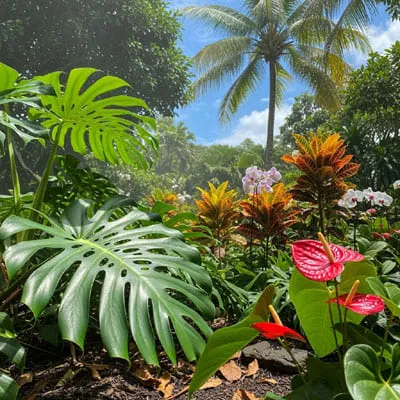
Are a diverse group of flora native to the warm and humid regions near the equator. They thrive in environments characterized by consistent temperatures, high humidity, and diffuse sunlight. These air purifying plants include a wide variety of species ranging from large-leaved foliage to vibrant flowering types, all adapted to survive and flourish in tropical climates. Their biological and structural traits make them uniquely suited for growth in controlled indoor air-purifying environments, especially when designed thoughtfully for residential and workspaces.
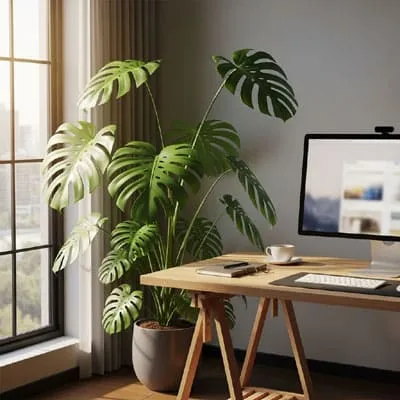
The relevance of tropical plants in contemporary home offices goes beyond aesthetics. As remote work becomes a long-term norm, improving indoor air quality and creating calming, productive environments is crucial.
Tropical plants offer natural air purification, humidity regulation, and psychological benefits that contribute to healthier and more intentional living spaces. Integrating them requires an understanding of their ecological needs and how architectural design can support their growth sustainably.
Key Points
- Tropical plants improve indoor air quality by filtering volatile organic compounds (VOCs) and increasing humidity, which directly benefits respiratory health in home offices.
- Successful integration of tropical plants indoors depends on replicating their native environment, focusing on light, temperature, and moisture control within architectural constraints.
- Choosing species with proven air-purifying capabilities and low maintenance aligns with residential lifestyles and reduces the risk of plant failure.
- Tropical plants contribute to cognitive well-being and stress reduction, supporting sustained productivity and comfort in work-from-home settings.
Why Tropical Plants Define Indoor Air Quality in Home Offices
Understanding how tropical plants influence indoor air quality is fundamental to their effective use in home offices. These plants actively remove pollutants like benzene, formaldehyde, and trichloroethylene, which are common in indoor environments due to furniture, paints, and electronics. The mechanism involves phytoremediation—where plants absorb toxins through their leaves and roots, metabolizing or storing them safely. This process is supported by the rhizosphere, a micro-ecosystem around roots involving beneficial microbes that further break down contaminants.
The Science of Air Purification Through Tropical Plants
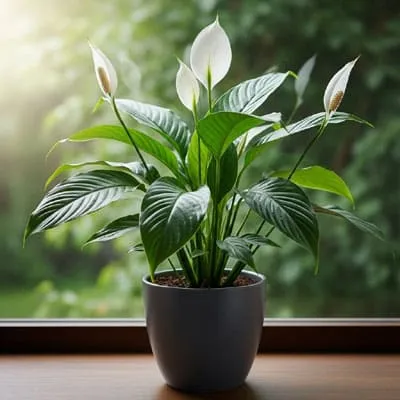
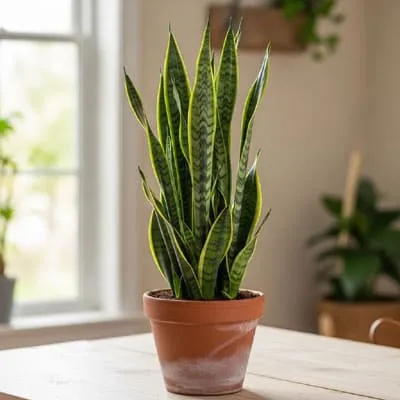
NASA’s Clean Air Study, conducted in the late 1980s, identified several tropical plant species with exceptional air purification abilities, such as the Peace Lily (Spathiphyllum spp.) and Snake Plant (Sansevieria trifasciata).
These plants convert carbon dioxide into oxygen and can remove up to 87% of toxins within 24 hours in sealed environments. However, recent research nuances these findings, emphasizing that real-world efficacy depends on factors like plant density, airflow, and potting medium.
Humidity Regulation and Its Impact on Comfort
Tropical plants naturally transpire moisture, increasing indoor humidity levels. In dry home office environments, particularly during winter or in air-conditioned spaces, this improves respiratory comfort and reduces the incidence of dry skin and irritation.
Maintaining relative humidity between 40-60% is ideal to prevent respiratory discomfort and inhibit airborne virus survival, a benefit directly linked to tropical plants’ physiological traits.
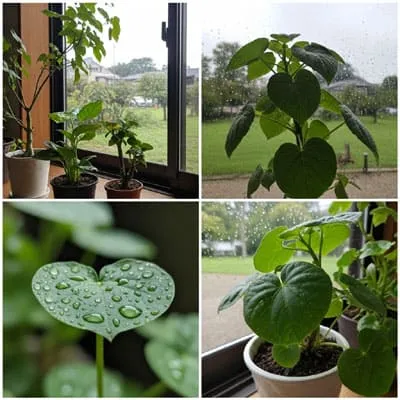
Selecting Tropical Plants for Residential Home Office Environments
Selection must balance the plant’s environmental needs with the practical limitations of a home office.
Not all tropical plants adapt well to indoor conditions, especially when lighting and space are limited. Prioritizing species with moderate to low light requirements and resilience to irregular watering schedules ensures longevity and reduces maintenance burden.
Top Tropical Plants with Proven Indoor Performance
- Snake Plant (Sansevieria trifasciata): Tolerates low light and drought, excellent air purifier.
- Peace Lily (Spathiphyllum spp.): Thrives in shade, effective at removing mold spores and VOCs.
- ZZ Plant (Zamioculcas zamiifolia): Low light tolerance, drought-resistant, and visually striking.
- Philodendron: Adaptable to indirect light, known for carbon dioxide absorption.
Each species presents nuances in care and environmental demands. For example, Peace Lilies require consistently moist soil and higher humidity, while Snake Plants can endure neglect. Understanding these subtleties allows architectural integration that aligns with occupant lifestyles and local climate conditions.
Architectural Strategies to Support Tropical Plants Indoors
Architectural design must intentionally create conditions conducive to tropical plants’ survival without compromising human comfort.
This involves managing daylight, ventilation, and microclimates within the home office.
The goal is to harmonize plant health with functional workspace design, avoiding the common pitfall of decorative but dying plants.
Optimizing Light Exposure
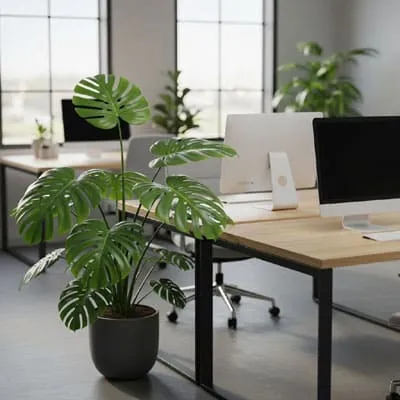
Most tropical plants require bright, indirect light. Architects can incorporate north or east-facing windows with sheer curtains to diffuse sunlight. In homes lacking sufficient natural light, full-spectrum LED grow lights calibrated to provide photosynthetically active radiation (PAR) can supplement.
Placement near windows with reflective surfaces enhances light availability without overheating the space.
Humidity and Temperature Control
Design features like humidity trays, water fountains, or dedicated humidifiers complement the transpiration process of tropical plants. Temperature control should avoid extremes; most tropical plants thrive between 65°F and 80°F (18°C to 27°C). HVAC zoning that maintains stable conditions within this range supports plant health and human comfort simultaneously.
Common Challenges and How to Prevent Them with Tropical Plants Indoors
Despite their benefits, tropical plants can face stress from indoor environmental mismatches. Overwatering, inadequate light, and pest infestations are leading causes of failure. Anticipating and mitigating these challenges is necessary for sustainable plant integration.
Watering and Soil Management
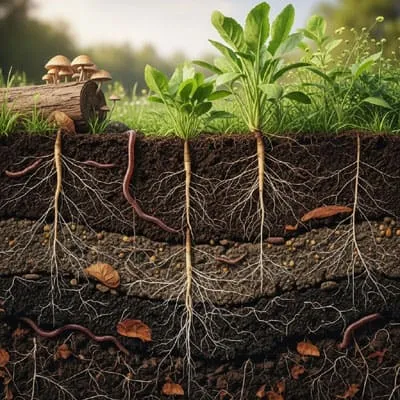
Overwatering causes root rot, a common problem due to tropical plants’ sensitivity to saturated soil.
Use well-draining soil mixes tailored for tropical species, integrating components like peat, perlite, and bark.
Watering schedules should adjust seasonally, reducing frequency in cooler months. Self-watering pots and moisture sensors provide practical solutions for maintaining optimal soil moisture.
Pest Control and Disease Prevention
Indoor tropical plants are susceptible to pests such as spider mites, mealybugs, and fungus gnats. Regular inspection and prompt treatment with natural insecticides or neem oil prevent outbreaks. Maintaining cleanliness and avoiding overcrowding reduces disease risk by improving airflow around plants.
Integrating Tropical Plants Into Interior Design for Psychological Benefits
Beyond physical health, tropical plants influence mental well-being and productivity. Their presence reduces stress, enhances mood, and improves concentration, critical factors in home office performance. Designing with plants as living elements fosters a connection with nature, known as biophilia, which architects increasingly prioritize.
Biophilic Design Principles Applied to Tropical Plants
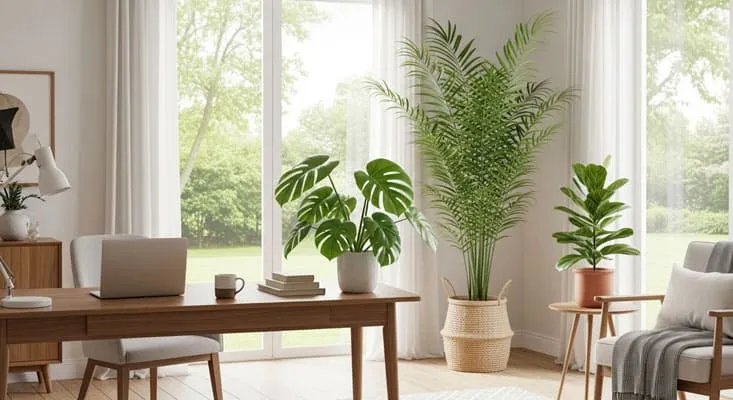
Biophilic design incorporates natural elements to create restorative environments. Tropical plants, with their lush foliage and organic forms, contribute to this by softening hard architectural lines and introducing dynamic textures. Strategically placed greenery near workstations or in sightlines provides visual relief and cognitive restoration, directly impacting work efficiency.
Plant Placement to Maximize Psychological Impact
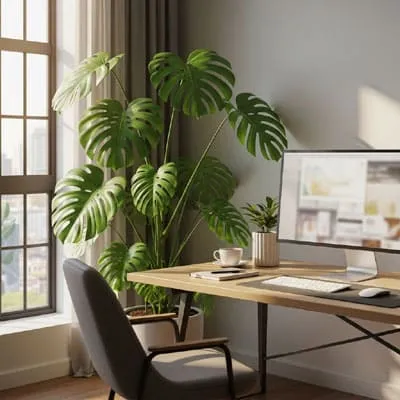
Plants positioned within peripheral vision or on desks reduce mental fatigue by offering gentle distractions.
Grouping plants of varying heights and leaf shapes creates a micro-landscape that stimulates the senses without overwhelming. This intentional placement supports calm and focus, essential for prolonged work periods.
Maintenance Protocols for Sustainable Tropical Plant Care in Homes
Long-term success with tropical plants requires routine care aligned with their biological cycles. Sustainable maintenance practices conserve resources and extend plant lifespan, aligning with environmentally conscious residential design.
Seasonal Adjustments and Monitoring
Plants’ water, light, and nutrient needs fluctuate with seasons.
Monitoring soil moisture, leaf health, and growth rates informs timely adjustments.
Fertilizing with balanced, slow-release organic fertilizers supports steady growth without chemical buildup.
Pruning encourages airflow and prevents overcrowding, reducing pest risk.
Tools and Technologies for Efficient Plant Care
Smart sensors that monitor humidity, temperature, and light provide real-time data, enabling proactive care. Automated watering systems reduce human error and ensure consistency. These technologies integrate seamlessly into smart homes, making tropical plant care more accessible and reliable.
Evaluating the Impact of Tropical Plants on Indoor Environmental Quality Metrics
Quantifying the benefits of tropical plants involves examining measurable changes in air quality, humidity, and occupant well-being. Studies confirm that environments enriched with tropical plants yield objectively better environmental quality indices.
Air Quality Improvement Metrics
| Plant Species | Pollutants Removed | Average Reduction Rate (%) |
|---|---|---|
| Peace Lily (Spathiphyllum) | Benzene, Formaldehyde, Ammonia | 50-65% |
| Snake Plant (Sansevieria) | Formaldehyde, Trichloroethylene | 40-55% |
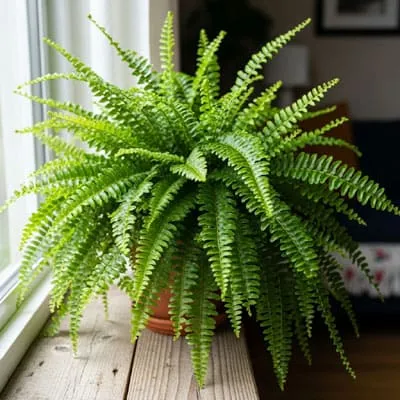
| Boston Fern (Nephrolepis exaltata) | Formaldehyde, Xylene | 45-60% |
These values depend on plant density and room volume but demonstrate consistent improvement trends. Incorporating tropical plants into home offices can therefore be seen as a practical strategy to elevate indoor environmental quality.
Psychological and Productivity Outcomes
Research published in the Journal of Environmental Psychology shows that individuals working in spaces with plants report 15% higher concentration and 12% lower stress levels. These outcomes translate into tangible productivity gains and well-being benefits, reinforcing the value of tropical plants beyond air purification.
Next Steps for Implementing Tropical Plants in Your Home Office
To integrate tropical plants effectively, begin by assessing your home office’s light, humidity, and spatial conditions. Select species adapted to these parameters and plan architectural modifications if necessary to optimize environmental support. Prioritize air-purifying plants with manageable care requirements to ensure longevity and continual benefits.
Incorporate technology where appropriate, such as grow lights or moisture sensors, to maintain stable conditions. Adopt a maintenance routine that respects seasonal changes and plant health signals. Finally, design plant placement to maximize both environmental and psychological impacts, creating a workspace that nurtures productivity and well-being.
By treating tropical plants as integral components of indoor environmental design, you turn your home office into a healthier, more resilient, and inspiring place to work.
Frequently Asked Question ( FAQ)
What Makes Tropical Plants Particularly Effective at Purifying Indoor Air?
Tropical plants excel at indoor air purification because they naturally absorb volatile organic compounds (VOCs) through their leaves and roots. Their large leaf surface area and active transpiration enhance this process. Additionally, the symbiotic microorganisms in their root zones break down harmful substances. This combination reduces airborne toxins, contributing to cleaner air compared to many non-tropical species.
How Can I Maintain Tropical Plants in Low-light Home Office Environments?
Maintaining tropical plants in low-light conditions requires selecting species with low light tolerance, such as Snake Plants or ZZ Plants. Supplementing with artificial full-spectrum grow lights ensures sufficient photosynthesis. Adjust watering to avoid overhydration, since low light reduces evaporation. Position plants near indirect light sources and rotate them regularly to promote even growth.
Are There Risks Associated with Having Tropical Plants Indoors in Terms of Allergies or Pests?
Tropical plants can occasionally harbor pests like spider mites or fungus gnats if overwatered or poorly ventilated. Some species may also trigger allergies due to pollen or mold growth on soil. Regular inspection, proper watering, and good airflow minimize these risks. Choosing hypoallergenic species and maintaining cleanliness further reduce potential health concerns.
How Do Tropical Plants Affect Humidity Levels, and Why is This Important?
Tropical plants increase indoor humidity through transpiration, releasing moisture into the air. This is important because balanced humidity (40-60%) prevents dry skin, respiratory irritation, and reduces airborne virus survival. In dry environments or during heating seasons, tropical plants help maintain comfort and health by naturally regulating moisture levels.
Can Tropical Plants Improve Mental Focus and Productivity in Home Offices?
Yes, tropical plants contribute to mental focus and productivity by creating a calming biophilic environment. Their presence reduces stress, lowers fatigue, and enhances mood. Studies show that visual access to greenery improves cognitive function and work satisfaction, making tropical plants valuable allies in designing effective home office spaces.

Architect with extensive experience in residential and commercial design, including renovations and modular construction. Love to share information about Architecture, home and lifestyle in this blog.