
Creating a pet-safe garden design is essential for homeowners who want to harmonize outdoor living spaces with the safety and well-being of their beloved dog, cat, bird, or fish. A thoughtfully designed garden not only provides a tranquil retreat but also ensures an environment where pets can explore freely without exposure to toxins or hazards. Understanding how to integrate pet-friendly elements into landscaping promotes a healthier, more enjoyable space for both pets and their owners.
Many gardens overlook the potential dangers that common plants, materials, or layouts might pose to pets. From toxic flora to unsafe water features, the risks are often underestimated, leading to preventable accidents or health issues. This challenge creates a unique opportunity for architects and homeowners to rethink garden design, focusing on climate-aware, human-centered approaches that respect the natural behaviors and safety needs of pets.

This article explores how to design pet-safe gardens that suit dogs, cats, birds, and fish, emphasizing durable, non-toxic, and climate-adapted choices. We will delve into practical strategies, plant selections, and structural elements that safeguard pets while enhancing the garden’s architectural quality and calm ambiance.
Designing Gardens for Dogs, Cats, Birds, and Fish
Understanding Pet Behavior and Garden Interaction
Dogs, cats, birds, and fish each interact with garden spaces differently. Dogs tend to roam and dig, cats prefer climbing and secluded spots, birds need perches and safe nesting areas, while fish require well-maintained aquatic environments. Recognizing these behaviors helps in designing gardens that cater to their natural instincts while maintaining safety.
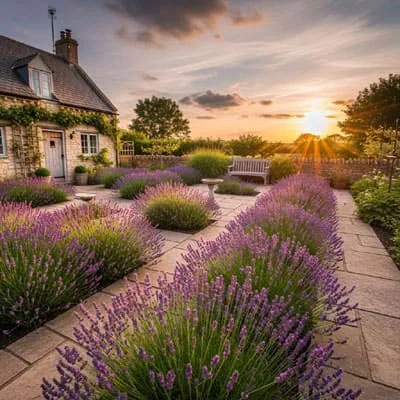
For instance, secure fencing prevents dogs from escaping, while shaded hideouts satisfy cats’ need for privacy.
Incorporating these behavioral insights into garden planning ensures pets engage with the space without stress or risk. This approach also encourages owners to consider how garden elements support pets’ physical and mental health.
Landscaping that respects pet behaviors creates a balanced ecosystem where animals feel comfortable and secure, promoting a deeper connection between pets and their outdoor environment.
Choosing Climate-Appropriate Materials and Plants
Selecting materials and plants that thrive in the local climate enhances garden sustainability and pet safety. Non-toxic, durable materials withstand pet activity, reducing wear and hazards. For example, permeable paving supports drainage and reduces heat buildup, while native plants adapted to the climate require less maintenance and water.
Climate-aware plant choices also minimize the risk of poisoning by avoiding toxic species common in many gardens. Instead, use pet-safe plants that can tolerate local weather extremes, supporting biodiversity and creating natural shade or barriers that pets can safely enjoy.
Integrating these elements ensures the garden remains a safe, enduring space for pets and owners, reflecting both ecological responsibility and design intelligence.
Essential Features for Safe and Engaging Pet Gardens
- Secure fencing with appropriate height and materials
- Shaded resting areas and shelters
- Non-toxic, durable plants and ground covers
- Separate zones for pets and children
- Safe water features with filtered, clean water
These features create a multi-functional garden that balances pet safety with aesthetic appeal. Incorporating zones for different pet activities reduces conflicts and enhances usability, ensuring pets and family members can enjoy the garden simultaneously.
Pet-Friendly Landscaping Techniques and Materials
Durable Ground Covers and Surfaces for Pets
Choosing the right ground surfaces in pet-safe garden design is crucial for durability and comfort. Grass can be ideal but may wear quickly under active dogs and cats; alternatives like pea gravel, mulch, or artificial turf offer resilience and easy maintenance. Each material has benefits and drawbacks depending on pet type, climate, and garden usage.
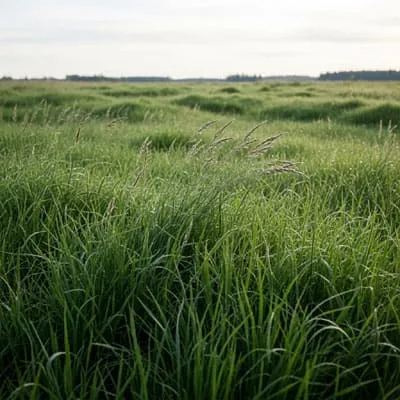
Pea gravel is excellent for drainage and cleanliness but may pose ingestion risks for curious pets.
Organic mulches keep soil cool and enrich it but can be disrupted by digging. Artificial turf provides a clean, uniform surface but needs proper installation to avoid heat retention.
Balancing these choices requires understanding pet behavior and prioritizing materials that promote
Plant Selection to Avoid Toxicity and Allergens
- Lavender (Lavandula) – safe, aromatic, and drought-tolerant
- Spider Plant (Chlorophytum comosum) – non-toxic and resilient
- Basil (Ocimum basilicum) – safe herb with pest-repellent qualities
- Boston Fern (Nephrolepis exaltata) – safe and provides shade
- Areca Palm (Dypsis lutescens) – non-toxic and adds tropical flair
- Marigold (Tagetes) – pest-repellent and non-toxic
These plants support a healthy garden ecosystem without endangering pets. Avoiding common toxic plants like azaleas, lilies, or oleanders is mandatory. Thoughtful plant selection reduces vet visits and promotes peaceful coexistence.
Safe Water Features for Birds and Fish
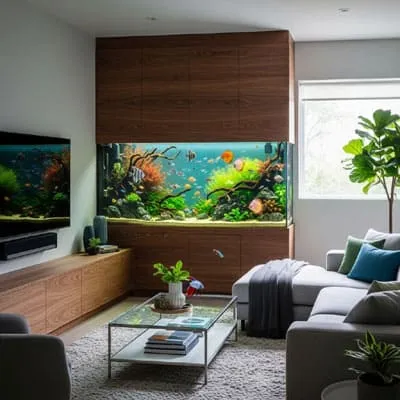
Water features enhance garden ambiance and support aquatic pets while attracting birds. Designing these features with pet safety in mind involves shallow edges, filtered water, and secure barriers to prevent accidental drowning or contamination.
For fish, maintaining water quality through proper filtration and aeration is critical. Birdbaths must be cleaned regularly to prevent disease. Positioning water elements in shaded, quiet areas encourages use without stressing pets.
These considerations integrate aesthetics with responsible pet care, enriching the garden’s ecological diversity.
| Material | Durability | Pet Safety |
|---|---|---|
| Natural Grass | Moderate | Safe, but wears quickly under heavy use |
| Pea Gravel | High | Generally safe, monitor ingestion |
| Artificial Turf | High | Safe if properly installed, can retain heat |
| Mulch (Organic) | Moderate | Safe, may be disturbed by digging |
Integrating Shelter and Shade in Pet Gardens
Designing Protective Shelters for Outdoor Pets
Providing shelters that protect dogs, cats, and birds from harsh weather is vital. Structures should be well-ventilated, insulated, and positioned in calm areas of the garden.
Dog houses with raised floors prevent dampness, while cat shelters require secluded spots with easy access.
Birds benefit from strategically placed nesting boxes or aviaries that shield them from predators and harsh sunlight. These shelters must blend with the garden’s architectural language to maintain visual harmony.
Thoughtful shelter design contributes to pets’ comfort and health, encouraging longer outdoor stays and natural behaviors.
Creating Shaded Zones to Regulate Temperature
Shade is essential to prevent overheating, especially in warm climates. Natural tree canopies, pergolas, and retractable awnings offer flexible shading options. Native trees with broad leaves provide cooling benefits and habitat for birds and insects.
Incorporating shade alongside water features creates microclimates that enhance pet comfort. Positioning resting areas in shaded zones reduces stress and promotes relaxation.
Effective shading balances garden usability with climate awareness, a key element in sustainable garden design.
Using Plants and Structures for Natural Privacy
Privacy in pet gardens serves multiple purposes: it reduces external stressors, limits distractions, and creates safe boundaries. Dense hedges, bamboo groves, or living walls act as visual and sound buffers. These elements can be designed to prevent escape while enriching the garden’s natural feel.
Structures like trellises with climbing vines add vertical interest and additional privacy layers. Such features also attract birds, contributing to biodiversity.
Natural privacy solutions reinforce the garden’s calm and intentional atmosphere, essential for both pets and people.
Ensuring Safety Through Plant and Material Choices
Common Garden Toxins to Avoid for Pets
- Azaleas and Rhododendrons – highly toxic to dogs and cats
- Lilies – dangerous for cats, causing kidney failure
- Oleander – toxic to all pets, even in small amounts
- Sago Palm – toxic seeds and leaves
- Foxglove – cardiac toxin
Avoiding these plants is crucial for pet-safe garden design. Informing yourself about local toxic species and vet recommendations can prevent accidental poisoning and severe health risks.
Non-Toxic Mulches and Soil Amendments
Mulches like cedar or cocoa shell may emit toxins harmful to pets. Opt for pet-safe alternatives such as pine bark, hardwood chips, or gravel. These materials reduce pests, retain moisture, and maintain soil health without endangering animals.
Soil amendments should be free of harmful chemicals and fertilizers. Organic compost and natural conditioners improve soil fertility while supporting safe plant growth.
These choices reflect a commitment to ecological and pet health, essential in human-centered design.
Durability and Maintenance for Pet Safety
Choosing materials that withstand pet activity reduces garden degradation and safety hazards. Durable fencing, chew-resistant plants, and scratch-proof surfaces minimize repair needs and accidents. Regular maintenance, including checking for broken branches or damaged structures, ensures ongoing safety.
Incorporating easy-to-clean surfaces and pathogen-resistant plants also supports hygiene, reducing disease risks for pets and humans.
Maintenance plans must be integrated into garden design, reflecting slow, intentional stewardship of the space.
| Plant Type | Pet Safety | Maintenance Needs |
|---|---|---|
| Lavender | Safe | Low |
| Azalea | Toxic | Moderate |
| Pine Bark Mulch | Safe | Low |
| Cocoa Mulch | Toxic | Low |
Creating Enriching Environments for Dogs and Cats
Activity Zones and Play Areas
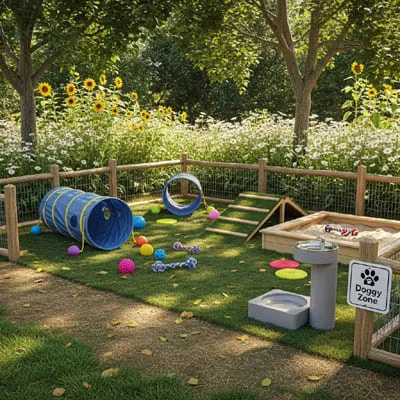
Designated zones for active play are vital to meet the exercise needs of dogs and cats. Open lawns, agility equipment, and climbing structures encourage physical activity and mental stimulation. For cats, vertical spaces such as shelves or cat trees integrated into garden walls provide enrichment and security.
Separating activity zones from quiet areas allows pets to choose their preferred environment, reducing stress and behavioral issues.
This intentional zoning supports healthy pet lifestyles within architecturally coherent gardens.
Natural Elements That Stimulate Senses
Incorporating sensory-stimulating elements engages pets more deeply with their surroundings. Herbs like catnip or chamomile attract cats, while textured bark, stones, and water features stimulate dogs’ curiosity. Birds benefit from varied perches and natural nesting materials.
These elements enhance wellbeing by encouraging exploration, play, and relaxation, supporting a balanced, healthy pet environment.
Such design strategies align with human-centered and slow-living garden philosophies, fostering mindful interaction with nature.
Safe Enclosure and Fencing Solutions
- Invisible fencing for dogs with professional installation
- High, climb-resistant fences for cats
- Bird-proof netting to protect aviaries
- Secure lids or covers for fish ponds
- Double-gated entries to prevent escapes
Fencing solutions must consider pet behavior, garden layout, and aesthetic integration. Proper enclosures prevent accidents and stress, ensuring pets remain safe while enjoying outdoor freedom.
Water Features and Aquatic Safety for Birds and Fish
Designing Fish Ponds with Pet Safety in Mind
Fish ponds should be designed with secure edges and gradual slopes to prevent accidental falls by dogs or cats. Using pond liners and filtration systems maintains water quality, reducing disease risk. Positioning ponds away from heavy pet traffic minimizes disturbances and stress for aquatic life.
Proper maintenance schedules are essential to sustain a healthy aquatic environment, supporting a balanced ecosystem within the garden.
Integrating these features enhances both pet safety and garden biodiversity.
Bird-Friendly Watering Stations and Baths
- Shallow birdbaths with textured surfaces for grip
- Automatic water refill systems to maintain cleanliness
- Placement in shaded, quiet zones to reduce stress
- Regular cleaning schedules to avoid algae growth
These features invite bird activity while protecting their health. Well-designed watering stations support local wildlife and enrich the garden’s sensory environment.
Maintenance and Filtration Systems for Clean Water
Effective filtration removes debris and harmful bacteria from water features, protecting both fish and visiting pets. UV sterilizers and biological filters maintain balance in ponds and baths. Regular water testing ensures optimal conditions, preventing illness and promoting longevity of aquatic life.
Maintenance routines should be simple yet thorough, integrating with overall garden care for sustainable pet-friendly environments.
These technical considerations reflect an architect’s commitment to intentional, climate-aware design.
| Water Feature | Safety Feature | Maintenance |
|---|---|---|
| Fish Pond | Gradual slope edges, secure cover | Weekly water quality checks |
| Birdbath | Shallow depth, textured surface | Bi-weekly cleaning |
| Fountain | Filtered water system | Monthly filter replacement |
Landscaping for Bird Safety and Enrichment
Planting for Bird Habitat and Food Sources
Choosing native plants that provide seeds, berries, and shelter supports local bird populations. Species like elderberry, dogwood, and sunflowers offer natural food, while dense shrubs create nesting spaces. Integrating these plants into garden design provides ecological benefits and visual interest.
These plantings encourage birds to visit and thrive safely within the garden, enriching the outdoor experience for pet owners and wildlife alike.
Architectural landscaping that supports biodiversity strengthens the garden’s human-centered focus.
Safe Perches and Nesting Areas
Installing birdhouses, platforms, and natural perches made from untreated wood offers safe resting and nesting spots. Placement away from predators and human traffic reduces stress. Incorporating varied heights and sheltering plants creates a layered environment that meets different bird species’ needs.
These elements contribute to a dynamic, living garden architecture that respects both pets and wildlife.
Effective use of such features requires careful planning to balance safety, accessibility, and aesthetics.
Minimizing Hazards from Predators and Chemicals
Protecting birds from neighborhood predators and garden chemicals is critical. Avoiding pesticide use and installing protective netting or barriers near nesting sites reduces risks. Creating buffer zones with dense plantings can also deter predators naturally.
These strategies align with climate-aware, sustainable gardening practices that prioritize animal welfare.
Designers must anticipate potential threats and incorporate preventive measures seamlessly into the garden plan.
Pet Garden
Designing pet-safe gardens for dogs, cats, birds, and fish requires a comprehensive, intentional approach that balances safety, climate adaptation, and human-centered design principles. By selecting appropriate materials, plants, and features, homeowners can create outdoor spaces that support pet health, stimulate natural behaviors, and promote ecological harmony.
This article has outlined key strategies and practical examples to inspire thoughtful garden planning, ensuring pets enjoy safe, enriching environments. Embracing these concepts leads to gardens that are not only beautiful but also resilient and nurturing for all inhabitants.
Frequently Asked Questions – FAQ
What Plants Are Safest for a Garden with Dogs and Cats?
Safe plants for dogs and cats include lavender, spider plants, basil, Boston ferns, and areca palms. These species are non-toxic, hardy, and often require low maintenance, making them ideal for pet-safe gardens that combine beauty with safety.
How Can I Prevent My Dog from Digging Up the Garden?
Prevent digging by designating a specific digging zone with loose soil or sand, providing plenty of exercise, and using deterrents like boundary fencing or natural repellents. Training and supervision also help reduce unwanted digging behavior.
Are Artificial Turf Surfaces Safe for Pets?
Yes, artificial turf can be safe if properly installed with adequate drainage and padding to prevent heat buildup. It is durable and easy to clean but requires monitoring to ensure comfort and hygiene for pets, especially in warm climates.
How Do I Keep Birds Safe from Predators in My Garden?
Protect birds using birdhouses placed in secure, sheltered locations, installing netting or barriers, avoiding pesticides, and creating dense shrubbery for cover. These measures reduce exposure to predators and support a thriving bird population.
What Maintenance is Required for Pet-safe Water Features?
Regular cleaning, water quality testing, filter maintenance, and preventing algae build-up are essential. Ensuring water features have safe depths and secure edges also protects pets from accidents while maintaining a healthy aquatic environment.
For more detailed guidance, consider visiting resources such as the ASPCA for pet safety and Audubon Society for bird-friendly gardening tips.

Architect with extensive experience in residential and commercial design, including renovations and modular construction. Love to share information about Architecture, home and lifestyle in this blog.