
Sunflowers, scientifically known as Helianthus annuus, are more than just bright, cheerful blooms. These towering plants have long fascinated architects, designers, and horticulturists alike for their structural elegance and adaptability. Incorporating sunflowers into residential spaces requires a careful balance: their bold presence can invigorate a room, yet overwhelming use may disrupt the calm, intentional atmosphere many seek in contemporary homes. This article explores how to decorate with sunflowers thoughtfully, considering spatial dynamics, climate factors, and architectural intent to create a harmonious living environment.
Understanding the nature of sunflowers—from their growth patterns to their symbolic meanings—enables a more nuanced approach to interior and exterior design. This goes beyond simple decoration, touching on how these plants interact with light, scale, and human experience. The guidance here draws from practical experience and architectural principles, aiming to empower homeowners and designers to integrate sunflowers without compromising the room’s balance and function.
The Essentials of Decorating with Sunflowers
- Sunflowers bring warmth and architectural interest but require moderation to avoid visual clutter in residential spaces.
- Their height and vibrant color can emphasize verticality and natural light when placed thoughtfully near windows or structural features.
- Climate considerations, such as sunlight availability and indoor humidity, critically affect sunflower longevity and appearance indoors.
- Using sunflowers as focal points rather than filling an entire room maintains a calm and intentional atmosphere aligned with slow living principles.
- Architectural scale and human interaction guide the placement of sunflowers to enhance both aesthetics and daily use of the space.
How Decorating with Sunflowers Influences Residential Spaces
Sunflowers have a strong visual and symbolic presence, often associated with positivity and vitality. In residential architecture, they serve as natural accents that complement rather than overpower a space. Their tall, upright stems and large, radiating flower heads echo architectural elements like columns and sunlit atriums, creating a dialogue between nature and built form. This relationship is why an architect’s eye is crucial when integrating sunflowers into interiors or gardens: the goal is to reinforce spatial harmony, not disrupt it.
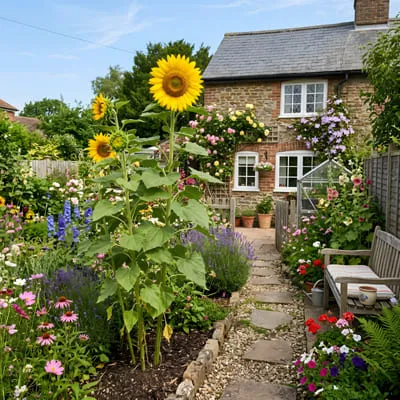
In practice, placing sunflowers near windows or in rooms with abundant natural light enhances their vibrancy and connects indoor environments with the outdoor landscape. However, their bold yellow petals demand restraint. Overuse—such as filling multiple vases or large areas—can result in sensory overload. Instead, a single, well-positioned bouquet or a modest cluster can punctuate a room with warmth and energy, supporting the architectural narrative without competing with it.
“Sunflowers function best as architectural accents that highlight natural light and vertical space, but they lose their impact and become distracting when overused.”
Climate and Environmental Factors Affecting Indoor Sunflower Decor
Understanding the environmental needs of sunflowers is essential for sustainable and effective use in residential settings. These plants thrive under full sun and well-drained soil conditions, which indoors translates to placement near south- or west-facing windows with good airflow. Indoor humidity levels also influence their longevity; overly dry or excessively humid air can shorten the lifespan of cut sunflowers.
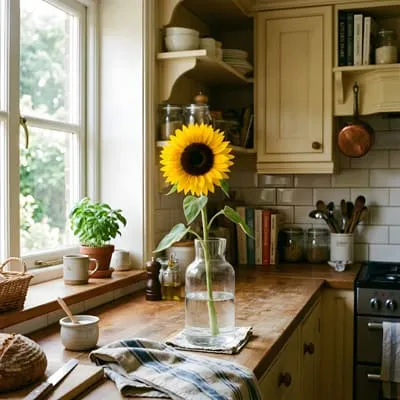
In regions with limited sunlight or during winter months, sunflowers may struggle to maintain their structural integrity and vivid coloration indoors.
This limitation calls for strategic timing in decorating with sunflowers or supplementing natural light with grow lamps designed for flowering plants.
Additionally, selecting sunflower varieties with shorter stems or more compact flower heads can adapt better to the scale of indoor spaces and mitigate climate-related challenges.
“Optimal sunflower display indoors balances light exposure and humidity control, as failure to meet these conditions results in rapid decline and diminished aesthetic value.”
Architectural Scale and Human-Centered Placement of Sunflowers
Sunflowers inherently draw the eye upward, emphasizing verticality. This characteristic can be leveraged in rooms with high ceilings or large windows to accentuate architectural features. However, scale is critical: a sunflower arrangement that overwhelms a small room will disrupt the intended calm and slow rhythm of a living space.
Human interaction with sunflower decor also matters. Arrangements should be placed where they can be appreciated without obstructing movement or daily activities. For example, a sunflower vase on a dining table or a sideboard near an entryway can serve as a welcoming focal point. In contrast, clustering sunflowers in narrow corridors or cluttered corners often leads to visual chaos and functional discomfort.
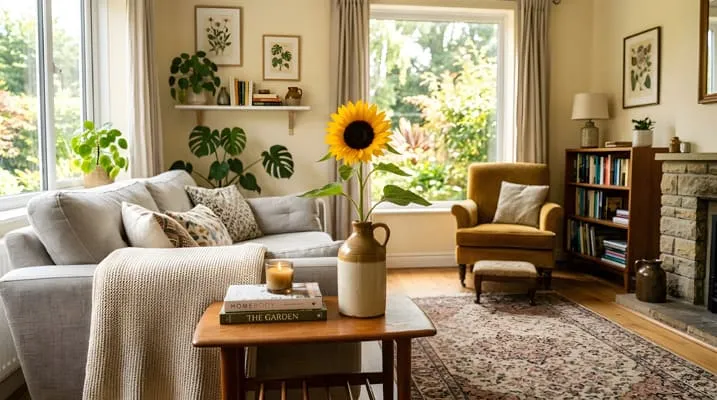
- Match the sunflower height to room proportions to avoid disproportion.
- Use containers that complement the architectural style—minimalist ceramics for modern homes, rustic pots for country-style interiors.
- Consider sight lines and natural light paths to maximize impact without overwhelming.
Practical Tips for Integrating Sunflowers Without Overwhelming a Room
Successful integration of sunflowers hinges on intentionality. Select one or two strategic locations per room to introduce these flowers, focusing on quality over quantity. Keep arrangements simple and avoid mixing too many bright colors or competing floral shapes that detract from the sunflower’s architectural statement.
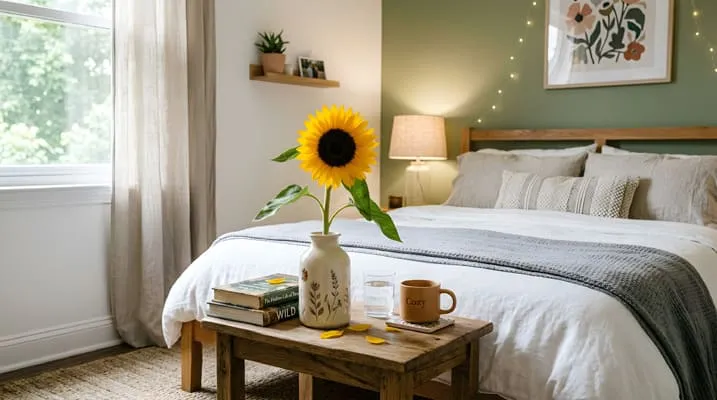
Maintenance is also a practical concern: sunflowers are relatively short-lived as cut flowers, often lasting about a week indoors. Rotating fresh flowers and removing wilted ones maintains the room’s vitality and prevents the decor from becoming a source of distraction or discomfort.
- Use slender vases to emphasize the sunflower’s natural verticality without bulk.
- Pair sunflowers with neutral tones and textures to anchor their brightness.
- Limit sunflower decor to focal points rather than widespread displays.
- Pay attention to seasonal cues; late summer and early fall are ideal for sunflower decoration.
In practice, I observed a home where a single sunflower bouquet near a large window dramatically lifted the room’s ambiance. Conversely, in another case, multiple oversized arrangements cluttered a living room, diminishing its serene qualities.
These experiences confirm that moderation and placement aligned with architectural intent are key.
Frequently Asked Questions (FAQ)
What is the Best Way to Keep Sunflowers Fresh Indoors?
To maintain sunflowers indoors, place them in clean water with flower food, change the water every two days, and trim stems at an angle to improve water absorption. Position them in bright, indirect sunlight and avoid drafts or heat sources that can accelerate wilting. Keeping the room moderately humid also helps prolong their freshness, as dry air causes premature drying of petals and leaves.
Can Sunflowers Be Grown Indoors Year-round for Decoration?
Growing sunflowers indoors year-round is challenging due to their need for full sun and space for root growth. Dwarf or compact varieties can be grown in pots near south-facing windows or under grow lights. However, their size and light requirements make them better suited for seasonal indoor decoration rather than permanent indoor cultivation.
How Do Sunflowers Affect the Mood and Atmosphere of a Room?
Sunflowers bring warmth, energy, and a sense of optimism to interior spaces. Their vibrant yellow hues stimulate positivity and can brighten moods. Architecturally, they emphasize vertical lines and natural light, contributing to an uplifting and welcoming atmosphere. However, excessive use may cause visual tension, so balance is crucial to preserving calmness.
Are There Specific Sunflower Varieties Better Suited for Indoor Decoration?
Yes, smaller sunflower varieties like ‘Teddy Bear’ or ‘Sunspot’ are better suited for indoor use due to their compact size and bushier form. These varieties fit well in standard vases and smaller spaces, maintaining the characteristic sunflower look without overwhelming the room or requiring excessive maintenance.
What Are Common Mistakes When Decorating with Sunflowers in Residential Spaces?
Common mistakes include overloading a room with large sunflower arrangements, placing them in low-light or drafty areas, and ignoring the scale of the space. These errors can lead to quick wilting, visual clutter, and disruption of the intended architectural harmony. Intentional placement and moderation are essential to avoid these pitfalls.