
Residential gardens offer more than just aesthetic appeal—they create living spaces that connect people to nature, improve mental well-being, and even contribute to sustainable living. Among the many elements that can transform a home garden, herbs stand out for their versatility, resilience, and intimate connection to daily life. Integrating herbs into residential gardens is not merely a decorative choice but a deliberate architectural decision that enhances both form and function. This article explores why herbs work beautifully in residential gardens, focusing on their practical benefits, climate adaptability, and how they enrich the user experience in a thoughtful, intentional way.
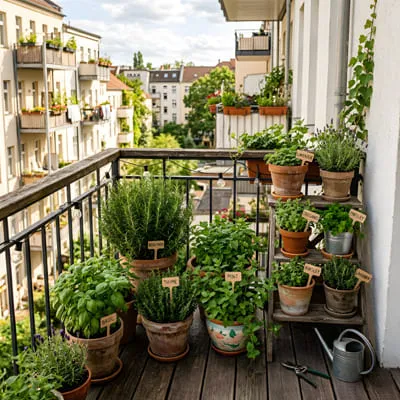
Herbs provide sensory engagement through fragrance and texture while supporting ecological balance by attracting pollinators and improving soil health.
Their relatively low maintenance requirements align well with the slow, intentional pace of modern residential living.
Drawing from architectural principles and horticultural expertise, this discussion reveals how herbs can be integrated into gardens to create spaces that are alive, purposeful, and climate-conscious.
The Essentials
- Herbs enhance residential gardens by combining sensory richness with practical uses like cooking and natural remedies.
- Many herbs are drought-tolerant and climate-resilient, making them ideal for sustainable garden design in various regions.
- Incorporating herbs supports biodiversity by attracting beneficial insects and improving soil quality.
- Architectural integration of herbs considers spatial relationships, microclimates, and human movement to maximize both beauty and utility.
- Limitations exist—some herbs require specific conditions or care, so understanding local climate and soil is essential for success.
Why Herbs Enhance Residential Gardens Beyond Decoration
Herbs are often perceived as simple garden add-ons, but their role in residential landscapes extends well beyond decoration.
Technically, herbs are plants with savory or aromatic properties used in culinary, medicinal, or aromatic applications, typically with a soft, non-woody stem.
This botanical definition frames their functional value.
In practical terms, herbs offer multi-sensory experiences—aromas like rosemary, tactile softness of basil leaves, and visual diversity through varied foliage bring depth to garden spaces.
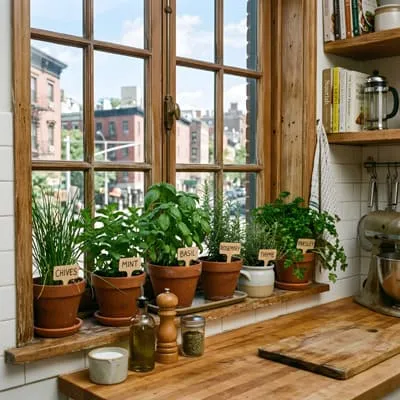
From an architectural perspective, herbs introduce layers of utility and experience. They can define pathways, form informal borders, or soften hardscapes without overwhelming the design. In my experience working with homeowners, herbs often become focal points where people gather, harvest, and connect with the garden’s rhythm. Their presence encourages slow living and mindful interaction, which aligns with residential garden goals focused on wellness and sustainability.
“The difference between ornamental plants and herbs in residential gardens lies in their dual role as both functional and experiential elements, creating spaces that serve human needs while enriching sensory engagement.”
How Climate Awareness Shapes Herb Selection and Placement
Understanding local climate is critical when incorporating herbs into gardens. Many herbs, such as lavender (Lavandula angustifolia) and thyme (Thymus vulgaris), are naturally drought-tolerant and thrive in Mediterranean-like climates. Others, like mint (Mentha spp.) and parsley (Petroselinum crispum), prefer cooler, moister conditions. Selecting herbs suited to the microclimate of your garden reduces water needs and maintenance.
In practice, I have seen gardens where mismatched herb choices led to poor growth and frustration.
For example, planting moisture-loving herbs in sun-drenched, arid zones often results in decline. Integrating herbs into residential gardens requires attention to soil type, sun exposure, and wind patterns.
Raised beds or containers can create favorable micro-environments for less climate-resilient species, enabling diversity without compromising sustainability.
According to the USDA Plant Hardiness Zone Map, gardeners can select herbs based on their zone’s average minimum temperatures, ensuring plant survival and vigor (USDA.gov).
Practical Benefits of Growing Herbs in Residential Gardens
Herbs deliver concrete advantages that go beyond beauty. Culinary herbs like basil, oregano, and chives provide fresh, flavorful ingredients within arm’s reach, reducing dependence on store-bought produce. Medicinal herbs such as chamomile (Matricaria chamomilla) and echinacea (Echinacea purpurea) can supplement health practices, offering natural remedies and supporting wellness routines.
Ecologically, herbs contribute to pest management and pollinator attraction. For instance, fennel (Foeniculum vulgare) and dill (Anethum graveolens) attract beneficial insects like ladybugs and hoverflies, which help control aphid populations. Soil health benefits from herbs’ root systems that improve aeration and microbial activity. These functions position herbs as vital components in integrated pest management and soil conservation strategies within residential landscapes.
“In practice, herbs function as living tools—they cook, heal, protect, and engage users, making them indispensable in thoughtful residential garden design.”
Design Strategies to Integrate Herbs with Residential Architecture
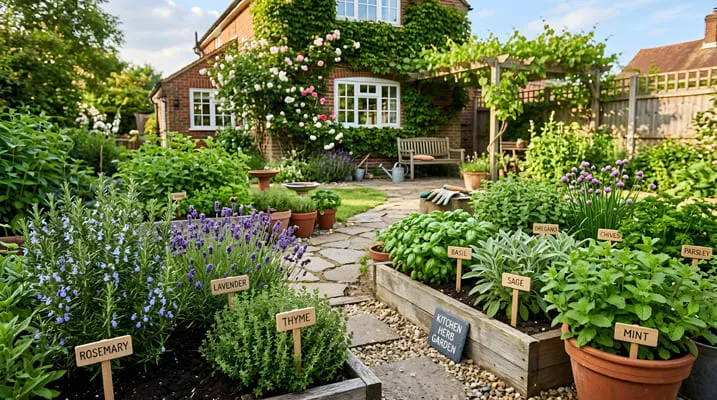
Successful integration of herbs in residential gardens demands deliberate design strategies informed by architectural principles. Herbs can be arranged in modular raised beds aligned with garden paths to encourage interaction. Vertical planting systems allow for efficient use of limited space, particularly in urban settings. Grouping herbs with similar water and light needs simplifies maintenance and maximizes plant health.
Architects and landscape designers often consider sightlines and proximity to kitchen areas when positioning herb gardens. This practical approach ensures herbs are accessible and become part of daily routines.
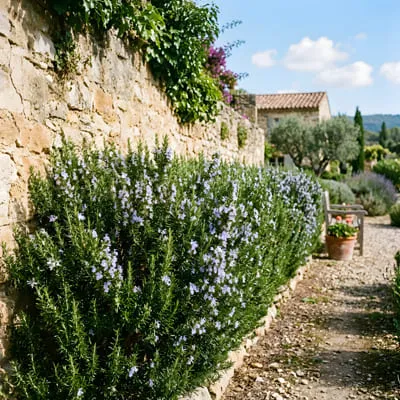
Additionally, combining herbs with hardscape elements like stone walls or wooden benches creates tactile contrasts that enrich the sensory environment.
In a recent project, placing a rosemary hedge along a southern-facing wall optimized sun exposure and created a fragrant windbreak, enhancing both microclimate and user comfort.
These nuanced decisions underline the architectural value of herbs beyond their botanical traits.
Challenges and Limitations of Using Herbs in Residential Gardens
While herbs offer many benefits, they are not universally easy to grow or maintain. Some species, such as cilantro (Coriandrum sativum), have short life cycles and can bolt quickly in hot weather, requiring frequent replanting. Others, like mint, are aggressive spreaders and need containment measures to prevent garden takeover.
Moreover, herbs may be susceptible to pests or diseases specific to certain climates or soil conditions. Gardeners must understand these challenges to avoid disappointment—failure often results from neglecting plant-specific needs or ignoring site conditions. For instance, overwatering drought-tolerant herbs leads to root rot, undermining their resilience.
There is also a cultural nuance: not all residents appreciate or use herbs equally, so their inclusion should align with occupants’ lifestyles and preferences. This human-centered approach ensures herbs remain relevant and cared for.
Sources such as the Royal Horticultural Society provide detailed guidelines on herb care and limitations (rhs.org.uk).
What to Do Now: Embrace Herbs as Intentional Living Elements
Incorporating herbs into residential gardens demands more than planting seeds—it requires understanding their botanical traits, climate needs, and role within the architectural context of the home. Start by assessing your local climate and selecting herbs suited to your environment. Design your garden with accessibility and sensory engagement in mind, ensuring herbs serve practical daily functions.
Test small clusters of herbs in strategic locations before expanding, observing their performance and your interaction with them. This iterative approach allows for adaptation and deepens your connection to the garden. Ultimately, herbs transform residential spaces into living environments that nurture human experience and ecological balance, embodying slow, intentional design that respects life’s rhythms.
Frequently Asked Questions (FAQ)
What Are the Most Climate-resilient Herbs for Residential Gardens?
Climate-resilient herbs typically include Mediterranean natives like rosemary, thyme, and lavender. These species tolerate drought, heat, and poor soils, making them excellent choices for dry or warm climates. Conversely, herbs like mint and parsley prefer cooler, moist environments. Selecting herbs aligned with your regional climate reduces maintenance and increases survival chances.
How Can Herbs Contribute to Pest Control in Home Gardens?
Certain herbs attract beneficial insects that prey on common garden pests. For example, fennel and dill draw ladybugs and parasitic wasps, natural predators of aphids and caterpillars. Additionally, aromatic herbs like basil and rosemary can repel pests through their strong scents, reducing the need for chemical pesticides and supporting a healthier garden ecosystem.
Can Herbs Be Grown Successfully in Small Urban Gardens or Balconies?
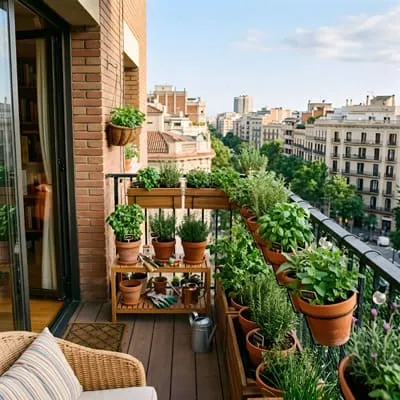
Yes, herbs adapt well to container gardening and vertical planting systems, making them suitable for limited spaces. Containers allow control over soil quality and moisture, while vertical gardens maximize space usage. Selecting compact or slow-growing herbs like chives or dwarf basil varieties further enhances success in urban settings.
What Are Common Challenges When Growing Herbs in Residential Gardens?
Challenges include ensuring appropriate sunlight, water, and soil conditions tailored to each herb species. Some herbs, such as mint, can become invasive if not contained, while others like cilantro bolt quickly in heat. Pests and diseases may also affect growth, especially if plants are stressed. Understanding these needs and monitoring plant health regularly helps mitigate issues.
How Should Herbs Be Integrated Into Garden Design to Maximize Their Benefits?
Herbs should be placed close to kitchens or outdoor cooking areas for easy access. Grouping herbs with similar light and water requirements simplifies care. Using raised beds or containers can create microclimates suited to particular species. Incorporating herbs into pathways or seating areas encourages interaction, enhancing sensory and practical value.