Creating an inviting outdoor living space without overspending is not only possible but also rewarding. Budget-conscious homeowners can craft functional family areas, incorporate effective shade solutions, and provide comfortable seating by prioritizing smart choices and practical designs. Understanding how to allocate resources wisely ensures that the outdoor space feels both luxurious and approachable, even on a limited budget.
Budgeting for outdoor living involves more than just cutting costs—it requires strategic planning that balances quality, durability, and aesthetics. This article explores key strategies to maximize value while developing family-friendly outdoor spaces, focusing on shading options and seating arrangements tailored for diverse needs and environments.
The Essentials for Outdoor Living on a Budget
- Effective budgeting for outdoor living spaces requires prioritizing multifunctional furniture and durable materials to extend longevity and reduce replacement costs.
- Shade solutions such as pergolas, retractable awnings, or strategically planted trees offer cost-effective protection from sun exposure and can significantly improve comfort.
- Incorporating modular seating designs allows flexibility for different family sizes and usage scenarios, optimizing space without unnecessary expense.
- DIY and repurposing projects provide significant savings but should be balanced with safety and weather resistance considerations to ensure lasting results.
- Understanding local climate and material costs is critical to avoid overspending on features that may not be suitable or durable in certain environments.
How to Plan Outdoor Living on a Budget for Family Areas
Planning outdoor family areas within a budget starts by assessing your available space, household needs, and expected usage patterns. A well-thought-out plan helps avoid costly mistakes and ensures longevity.
Begin by mapping the area and identifying focal points, such as dining or play zones, that will accommodate family activities.
Choosing multifunctional furniture that can serve multiple purposes reduces the need for additional purchases.
For example, benches with built-in storage can keep toys or garden tools neatly tucked away. Additionally, selecting weather-resistant materials like treated wood, metal alloys, or high-density polyethylene (HDPE) ensures durability, minimizing maintenance and replacement expenses over time.
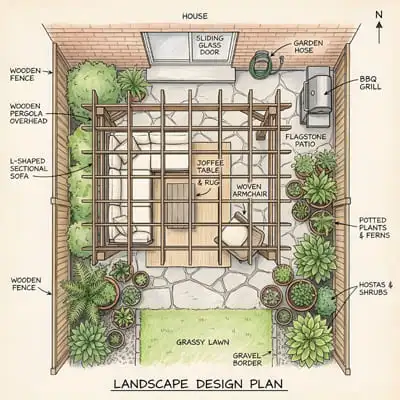
On a practical level, I’ve seen families transform their backyards by starting small—adding a picnic table and shade sail—and gradually expanding as budget permits. This incremental approach aligns well with budget constraints and evolving family needs.
“The key to affordable outdoor family spaces is blending function with flexibility—spaces must adapt as family dynamics change, all while staying within financial limits.”
Cost-Effective Shade Solutions That Enhance Comfort and Style
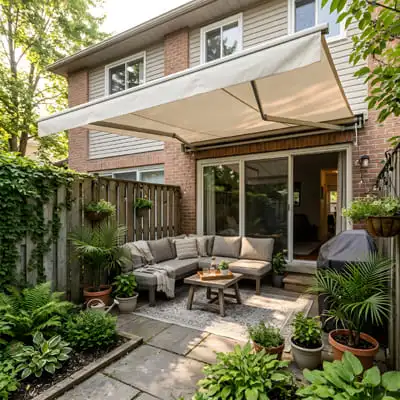
Shade is crucial for outdoor comfort, especially in sunny climates. Budget-friendly shading options include retractable awnings, shade sails, pergolas, and natural solutions like strategically placed trees. Each comes with distinct upfront costs, maintenance requirements, and lifespans that should influence your choice.
Shade sails provide an affordable, modern look and are easy to install. However, their fabric may degrade faster under intense sun or wind exposure.
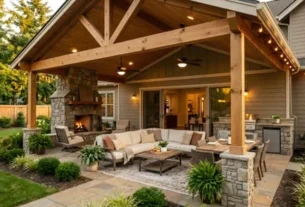
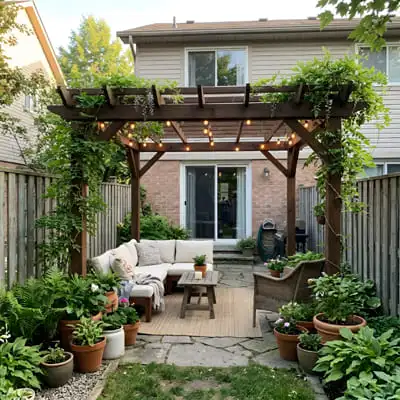
Pergolas, often constructed from wood or aluminum, offer a more permanent solution but might require a higher initial investment.
Retractable awnings combine flexibility and protection but need careful consideration regarding durability and maintenance.
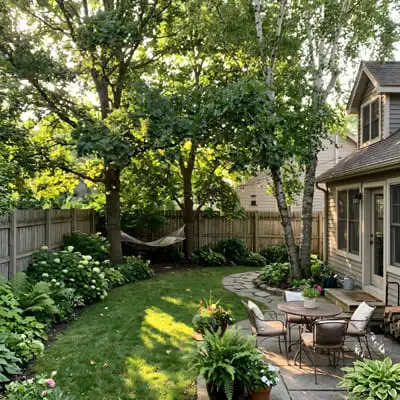
Planting fast-growing shade trees is an economical long-term strategy that also improves air quality and aesthetic appeal. However, trees require patience and care, and their root systems can impact nearby structures if not planned properly.
Shade Type Initial Cost Maintenance Longevity Best For Shade Sail Low Medium (fabric replacement) 3-5 years Temporary or seasonal use Pergola Medium to High Low to Medium (wood treatment) 10+ years Permanent shade with style Retractable Awning Medium to High Medium (mechanical parts) 7-10 years Flexible shade control Shade Trees Low Low (watering, pruning) 20+ years Natural, eco-friendly shade
Choosing Affordable and Comfortable Seating for Outdoor Spaces
Comfortable seating is the backbone of any outdoor living area. Budget-conscious shoppers should focus on seating options that combine durability with ergonomic design. Materials such as treated hardwood, powder-coated metal, and weather-resistant wicker offer various price points and durability profiles.
Modular seating sets provide versatility, allowing homeowners to adjust configurations based on the occasion or number of guests.
Cushions enhance comfort but need to be made from quick-drying, UV-resistant fabrics to prevent mold and fading.
Repurposing indoor furniture or using pallets creatively has become popular in budget outdoor design.
While these solutions can save money, they require proper treatment and finishing to withstand outdoor conditions safely.
“Outdoor seating should invite relaxation without demanding constant upkeep—investing in quality materials upfront reduces long-term costs and enhances user experience.”
Practical Tips to Maximize Your Budget in Outdoor Living Projects
Maximizing budget efficiency demands careful sourcing, timing, and prioritizing. Shopping during off-season sales or at clearance events can significantly reduce costs on furniture and accessories. Additionally, local classified ads or community marketplaces often feature gently used items that meet quality standards.
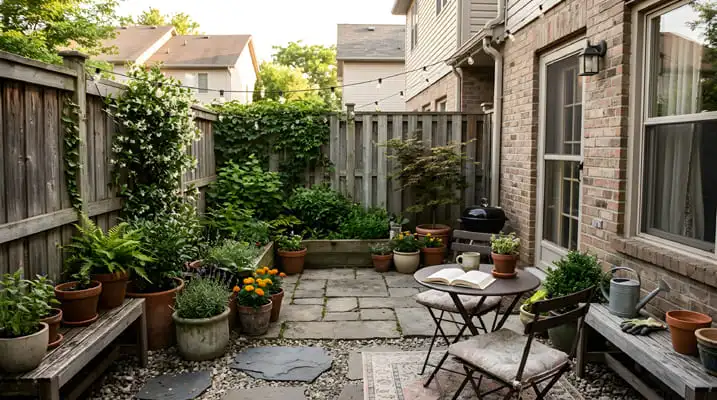
DIY projects, such as building your own planter boxes or installing simple lighting systems, can save money but should be balanced against personal skill level and time availability to avoid costly mistakes. When hiring professionals, clearly define the scope to prevent unexpected charges.
Energy-efficient LED lighting and solar-powered fixtures reduce ongoing expenses and align with sustainable practices. Prioritizing durable finishes and protective coatings also extends the life of outdoor components, ultimately protecting your investment.
Understanding Limitations and When to Invest More in Outdoor Features
While budget strategies offer numerous benefits, some limitations exist. For example, inexpensive materials might not withstand harsh weather or heavy use, leading to premature replacement.
Shade sails and umbrellas may require frequent replacement in windy areas, making pergolas or permanent structures a better long-term investment despite a higher initial cost.
Moreover, family size and use frequency influence what is suitable.
A large family gathering area demands sturdy, easy-to-clean furniture, whereas a small balcony might prioritize compact, foldable pieces. Knowing when to allocate more funds to critical components is essential to avoid false economy.
There is also some debate among experts about the balance between DIY and professional installation. While DIY can reduce costs, improper assembly may compromise safety and durability, emphasizing the need for realistic self-assessment.
Frequently Asked Questions ( FAQ)
What is the Most Cost-effective Way to Create Shade in My Backyard?
Shade sails and planting fast-growing trees are among the most affordable shading options. Shade sails cost less upfront and are easy to install but may require replacement every few years. Trees take longer to mature but provide natural, long-lasting shade. Permanent structures like pergolas offer durability but involve higher initial investments. Consider your climate, budget, and intended use to choose the best fit.
How Can I Make Outdoor Seating Comfortable Without Spending a Lot?
Focus on durable seating frames made from treated wood or metal, and enhance comfort with affordable cushions made of weather-resistant fabrics. Modular seating allows flexibility and efficient use of space. Repurposing materials or DIY pallet furniture can save money but ensure proper treatment to withstand outdoor conditions. Investing in quality cushions prevents frequent replacements and improves long-term comfort.
Is It Better to Buy New or Used Furniture for Outdoor Living Areas on a Budget?
Used furniture can offer significant savings if it’s in good condition and made from weather-resistant materials. Inspect items for rust, structural damage, or mold before purchase. New furniture often comes with warranties and is designed for outdoor durability but at a higher cost. Balancing quality and price while considering maintenance needs will guide the best choice for your budget and goals.
What Are Common Mistakes When Budgeting for Outdoor Living Spaces?
Underestimating maintenance costs and over-prioritizing aesthetics over durability are frequent errors. Skimping on essential features like shade or weather-resistant finishes can lead to early deterioration and additional expenses. Failing to plan for family needs or future expansion also limits space usability. A well-rounded budget accounts for upfront costs, maintenance, and adaptability.
How Can I Ensure My DIY Outdoor Projects Stay Within Budget and Last Long?
Start by setting a clear, realistic budget and researching materials suitable for your climate. Prioritize structural integrity and weather resistance over purely decorative elements. Use quality fasteners and protective finishes, and avoid shortcuts that compromise durability. If unsure, consult professionals for critical stages like electrical or structural work. Taking time to plan and execute carefully prevents costly mistakes.

Architect with extensive experience in residential and commercial design, including renovations and modular construction. Love to share information about Architecture, home and lifestyle in this blog.