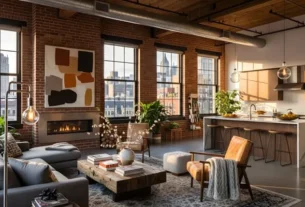
Eco-friendly building materials — including cross-laminated timber, hempcrete, recycled steel, and mycelium-based composites — reduce a home’s embodied carbon, improve energy performance, and often outperform conventional materials on durability and indoor air quality. Adopting them is increasingly a practical construction decision, not just an environmental one.
If you’re planning a build or renovation and wondering whether sustainable materials are worth the research, the scale of the problem they address is worth understanding first. Buildings and construction together account for 36% of global energy consumption and 37% of energy-related CO2 emissions, according to the Global Alliance for Buildings and Construction’s status report, cited in industry analysis from CIC Construction. That same analysis projects the global sustainable building materials market growing from roughly $265 billion in 2021 to more than $610 billion by 2028.
Eco-friendly building materials have moved well past the niche, experimental phase they occupied a decade ago. Several of the materials covered in this guide now perform comparably to — or better than — the conventional materials they’re replacing, while genuinely reducing a residential project’s environmental footprint. This guide covers ten materials reshaping how homes get built in 2026, what each one actually offers, and how to think about choosing between them for your own project.
Why Eco-Friendly Building Materials Matter More Than Ever in 2026
The case for sustainable materials rests on more than environmental responsibility alone, though that remains a genuine driver. Rising energy costs have made a building’s thermal performance a direct financial consideration, and several materials on this list — hempcrete and cork chief among them — deliver genuinely superior insulation compared to conventional alternatives. Supply chain disruption and tariff pressure on imported materials have also pushed builders toward domestically sourced, often bio-based options that carry less exposure to international shipping costs and delays.
There’s a genuine performance case too, not just a cost and environmental one. Recycled steel retains the same strength and durability as new steel while requiring roughly 75% less energy to manufacture, according to sustainable construction analysis from CCE Magazine — meaning the environmental benefit doesn’t come at the cost of structural performance.
The 10 Eco-Friendly Building Materials Reshaping Residential Construction
| Material | Carbon Impact | Best Application | Relative Cost |
|---|---|---|---|
| Cross-laminated timber (CLT) | Carbon-storing | Walls, floors, roofs | Moderate–high |
| Hempcrete | Carbon-negative | Insulation, non-load-bearing walls | Moderate |
| Recycled steel | Low (75% less energy to produce) | Structural framing | Comparable to new steel |
| Mycelium-based composites | Carbon-storing, biodegradable | Insulation, acoustic panels | Emerging/variable |
| Bamboo | Low (fast-growing, renewable) | Structural elements, flooring | Low–moderate |
| Cork | Low (harvested without harming trees) | Insulation, flooring, cladding | Moderate |
| Straw bale | Carbon-negative | Wall insulation | Low |
| Recycled glass | Low (diverts landfill waste) | Concrete aggregate, countertops | Low–moderate |
| Recycled plastic | Low (diverts waste) | Insulation, cladding, bricks | Low–moderate |
| Rammed earth | Very low (locally sourced soil) | Structural walls | Low (labor-intensive) |
Cross-Laminated Timber (CLT)
CLT panels, made from layers of lumber bonded at alternating right angles, offer structural strength comparable to concrete and steel while storing rather than emitting carbon. Roughly half the dry weight of wood is carbon absorbed during the tree’s growth, and that carbon remains locked in the material for as long as it stays in use — a genuine advantage over concrete and steel, both of which are carbon-intensive to produce.
Hempcrete
Hempcrete combines hemp hurds, lime, and water into a lightweight, insulating material with a genuinely carbon-negative footprint, since the hemp plant absorbs more CO2 during growth than the material emits during production. It isn’t load-bearing on its own, so it’s typically paired with a timber frame, but its thermal and acoustic performance make it a strong insulation choice, particularly in climates with significant seasonal temperature swings.
Recycled Steel
Steel remains one of the most recycled materials in construction, and recycled steel performs identically to virgin steel in structural applications while requiring dramatically less energy to produce. For homeowners specifically concerned about embodied carbon in structural framing, specifying recycled-content steel is one of the more straightforward substitutions available, since it doesn’t require any change in construction technique or design.
Mycelium-Based Composites
Mycelium — the root-like network of fungi — can be grown into durable, lightweight, biodegradable materials suited to insulation and acoustic panels. This remains one of the newer categories on this list, and current applications are more commonly found in commercial and specialty residential projects than mainstream home construction, but the underlying material science is advancing quickly, with some developers claiming next-generation structural mycelium products that could eventually rival mass timber, according to sustainability materials coverage from Neumann Monson Architects.
The Remaining Six Materials Worth Knowing
Beyond the four materials covered in depth above, six additional options round out the current eco-friendly materials landscape, each suited to specific applications.
- Bamboo grows considerably faster than timber and offers genuine structural flexibility and strength, making it well suited to both structural elements and flooring in the right climate.
- Cork, harvested from oak bark without harming the tree, delivers strong insulation, fire resistance, and full recyclability, and its neutral tones make it a popular choice for both flooring and wall cladding.
- Straw bale construction, when properly plastered and sealed, offers surprisingly strong insulation and fire resistance at a genuinely low material cost, though it demands careful moisture management.
- Recycled glass can replace natural aggregates like sand and gravel in concrete production, diverting waste from landfills while producing a viable structural material.
- Recycled plastic gets repurposed into insulation, cladding, bricks, and roofing, offering strong moisture and pest resistance while addressing a genuinely difficult waste stream.
- Rammed earth, built from compacted local soil, offers extremely low embodied carbon and genuine thermal mass benefits, though it’s labor-intensive and works best in dry climates.
Snippet: Eco-friendly building materials reduce a home’s embodied carbon — the emissions generated producing and transporting materials — either by using renewable, fast-growing resources like bamboo and hemp, or by recycling existing materials like steel, glass, and plastic rather than manufacturing new ones.
How to Choose the Right Eco-Friendly Material for Your Project
Selecting among these materials depends on genuinely matching the material’s strengths to your project’s specific structural, climate, and budget requirements, rather than choosing based purely on which one carries the strongest sustainability marketing.
For structural framing, CLT and recycled steel currently offer the most proven, code-familiar performance, with recycled steel requiring no change to conventional construction methods. For insulation specifically, hempcrete, cork, and straw bale all offer genuine thermal performance advantages worth weighing against their differing costs and moisture-management requirements. For finishes and cladding, cork, bamboo, and recycled glass or plastic products offer lower-commitment ways to incorporate sustainable materials into a project without changing structural systems.
Quick tip: Confirm local building code familiarity with your chosen material before committing, particularly for newer options like mycelium composites or hempcrete. Not every municipal permitting office has extensive experience reviewing these materials yet, which can affect approval timelines on a first project using them.
Common Misconceptions About Eco-Friendly Building Materials
A few persistent myths continue to shape how homeowners think about sustainable material choices, often inaccurately.
The assumption that eco-friendly materials are inherently more expensive doesn’t hold up uniformly across this list — straw bale, rammed earth, and recycled steel can all be genuinely cost-competitive with, or cheaper than, their conventional counterparts, even though some newer materials like mycelium composites do carry a premium while the technology matures. The belief that sustainable materials sacrifice structural performance also doesn’t reflect current reality: CLT and recycled steel both offer performance comparable to traditional concrete and virgin steel respectively, rather than a compromise. And the idea that these materials are purely experimental ignores how mainstream several of them — cork, bamboo, and recycled steel specifically — have already become in conventional residential construction.
Building With Materials That Perform and Endure
Eco-friendly building materials have moved from a niche environmental choice to a genuinely practical construction decision, offering real performance, cost, and durability advantages alongside their reduced environmental footprint. Whether you’re drawn to CLT’s structural strength, hempcrete’s insulation performance, or recycled steel’s straightforward compatibility with conventional building methods, matching the material to your project’s specific climate, structural, and budget needs will serve you better than chasing whichever option is currently most discussed. If you’ve built or renovated with any of these materials, I’d love to hear how they performed in your own climate and project.

Architect with extensive experience in residential and commercial design, including renovations and modular construction. Love to share information about Architecture, home and lifestyle in this blog.