
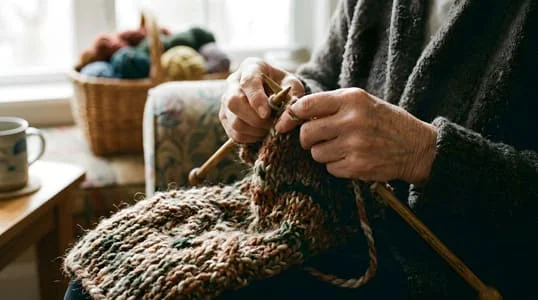
Analog hobbies — knitting, pottery, film photography, sewing, and other tactile, screen-free activities — are seeing a genuine resurgence in 2026, driven largely by digital fatigue and a deliberate desire for more offline, hands-on time. This isn’t a short-term detox trend; it reflects a sustained shift in how people, particularly younger generations, choose to spend their free time.
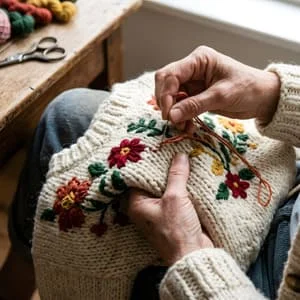
If you’ve noticed more friends knitting, developing film photos, or taking up pottery lately, you’re witnessing a genuinely measurable cultural shift, not just a passing curiosity.
Analog hobbies have become a defined priority for young adults specifically: 75% of 18-24-year-olds and 55% of teens say they want to go more analog and take up more offline hobbies this year, according to consumer research firm YPulse, which has tracked this trend developing steadily since the start of 2026.
This guide covers why analog hobbies are resonating so strongly right now, which specific activities are seeing the sharpest growth, the genuine benefits of working with your hands, and how to actually start one without feeling overwhelmed by a hobby that’s suddenly very online-trendy.
Why Analog Hobbies Are Trending Right Now
The driving force behind this shift is consistent across nearly every report tracking it: digital fatigue, paired with a genuine desire for more intentional, present-focused time. Rather than a short-term digital detox, this represents a longer-term change in habits — paper notes, film cameras, vinyl records, and crafts replacing time previously spent on social networks and algorithmic feeds.
Snippet: Analog hobbies are tactile, screen-free activities — knitting, pottery, film photography, sewing — that people take up specifically to disconnect from digital devices and engage in slower, more present, hands-on work.
Craft retailer Michaels has tracked this shift directly through consumer demand: searches for analog hobbies increased 136% over a recent six-month period, with the company projecting an additional 30-40% growth in the category through 2026, according to trend reporting picked up by ParentMap.
Requests for knitting-specific yarn kits alone rose 1,200% in a single year, a figure significant enough that the retailer expanded dedicated store space for craft supplies in response.
The Most Popular Analog Hobbies in 2026
Several specific hobbies are driving this broader trend, each offering a genuinely different tactile and skill-building experience.
| Hobby | Beginner Skill Level | Starting Cost | Screen-Free Quality |
|---|---|---|---|
| Knitting/crocheting | Accessible | Low | Fully screen-free once learned |
| Film photography | Moderate | Moderate–high (camera, film, developing) | Mostly screen-free (shooting), some digital scanning |
| Pottery | Moderate | Moderate (studio access or home kiln) | Fully screen-free |
| Sewing/mending | Accessible | Low–moderate | Fully screen-free |
| Needlepoint/embroidery | Accessible | Low | Fully screen-free |
| Bird watching | Very accessible | Very low | Fully screen-free |
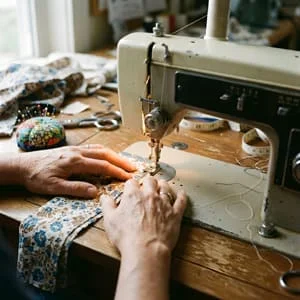
Sewing specifically has undergone a genuine cultural revival, with classes filling faster than they can be offered and mending and hemming skills becoming particularly popular among people seeking both a screen-free hobby and a practical, money-saving skill, according to trend coverage from Fortune. Film photography has seen a parallel resurgence, with roughly 35% of the world’s 42 million active film camera users falling between the ages of 18 and 30, and online searches for analog photography rising sharply in recent years as young photographers embrace the deliberate pace of shooting on film rather than taking unlimited digital images.
The Genuine Benefits of Working with Your Hands
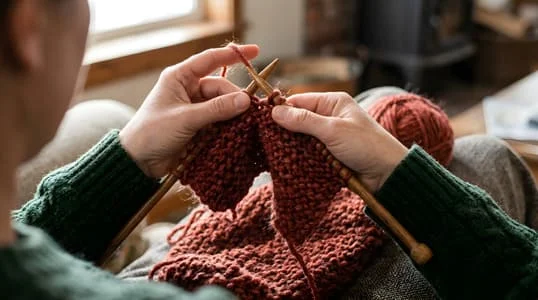
Beyond the trend itself, people taking up analog hobbies consistently describe genuine, tangible benefits tied specifically to the tactile, offline nature of the activity.
Many practitioners describe these hobbies as genuinely therapeutic specifically because they provide a legitimate reason to disconnect from a phone while doing something engaging enough to hold real attention — a combination that scrolling alone rarely delivers.
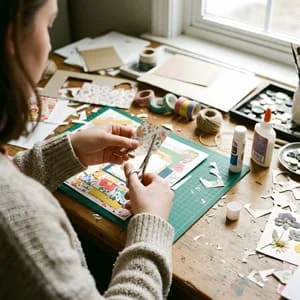
The slower pace inherent to most analog hobbies, whether it’s waiting for film to develop or working a single stitch at a time, builds a different relationship with time and patience than the instant-feedback loop of most digital activity.
There’s also a genuine sense of creating something tangible and lasting, a physical record of time and attention spent, which stands in contrast to the largely ephemeral nature of most digital content consumption.
Quick tip: If your main goal is reducing screen time specifically, prioritize hobbies with minimal digital components — knitting, pottery, and embroidery are fully screen-free once you’re past the initial learning phase, while film photography still typically involves some digital scanning and sharing.
How to Start an Analog Hobby Without Feeling Overwhelmed
Given how quickly these hobbies have become visible and even trend-driven online, it’s worth approaching the start of a new analog hobby deliberately, rather than feeling pressure to immediately produce impressive, shareable results.
- Choose based on genuine interest, not trend visibility. A hobby you’ll actually stick with matters more than one that photographs well for social media, which somewhat ironically undermines the disconnection many people are seeking in the first place.
- Start with minimal equipment investment. Borrow supplies, take an introductory class, or buy the smallest reasonable starter kit before committing to expensive equipment for a hobby you haven’t tried yet.
- Protect dedicated, distraction-free time for it. An analog hobby delivers its genuine benefit specifically when practiced without a phone nearby, so treat that separation as part of the activity itself.
- Expect a genuine learning curve. Most of these skills — knitting, sewing, pottery — take real repetition to develop, and early results won’t match what you see from experienced practitioners online.
- Resist the urge to immediately document and share every piece. Reintroducing the pressure to perform for an audience undermines much of what makes an analog hobby genuinely restorative.
Common Mistakes When Starting an Analog Hobby
A handful of habits consistently undermine people’s attempts to build a lasting analog hobby practice.
- Over-investing in equipment before confirming genuine interest, ending up with expensive, unused supplies for a hobby that didn’t stick.
- Treating the hobby as content to produce, rather than time to genuinely disconnect and engage with the activity itself.
- Comparing early results to experienced practitioners’ work online, which can discourage continued practice before genuine skill develops.
- Choosing a hobby purely because it’s currently trending, rather than one that genuinely fits your own interests and available time.
- Keeping a phone within reach during the activity, undermining the screen-free quality that makes these hobbies genuinely restorative in the first place.
Making Room for Something Made With Your Hands
The return of analog hobbies reflects something more substantial than nostalgia — a genuine, measurable response to digital fatigue and a real desire for slower, more tactile ways to spend time. Whether it’s knitting, film photography, pottery, or simply mending your own clothes, the shared thread across all of these activities is deliberate disconnection paired with genuine, hands-on engagement. Start with one hobby that genuinely interests you, keep your initial investment modest, and protect real screen-free time to practice it. If you’ve picked up an analog hobby recently, I’d love to hear which one has stuck for you.

Architect with extensive experience in residential and commercial design, including renovations and modular construction. Love to share information about Architecture, home and lifestyle in this blog.