Last updated on September 14th, 2026 at 08:08 pm
Comfort is often taken for granted, yet it plays a crucial role in how we experience our living environments. It goes beyond mere physical ease—it encompasses psychological well-being, environmental responsiveness, and the thoughtful design of spaces where people live and interact. Achieving genuine comfort in residential architecture requires a deep understanding of how people live daily, how climate influences building performance, and how intentional design choices foster a sense of calm and belonging.
This article explores the multifaceted nature of comfort in residential settings. It uncovers how living with less does not have to mean sacrificing comfort, and how architectural expertise can create homes that are both minimalist and deeply satisfying to inhabit. Drawing from real-life experience and authoritative research, we will dissect the principles that elevate comfort from a vague ideal to an achievable standard in modern living.
The Essentials of Comfort in Residential Design
- True comfort integrates cand psychological factors, all influenced by the home’s design and environment.
- Intentional minimalism can enhance comfort by reducing clutter and complexity, allowing spaces to breathe and adapt.
- Climate-responsive design is critical for maintaining comfort without excessive energy consumption or reliance on mechanical systems.
- Human-centered architecture prioritizes how people actually use their homes, tailoring comfort to real behaviors and routines.
- Comfort is subjective and context-dependent; what works in one climate or lifestyle may not in another, requiring nuanced approaches.
How Comfort Connects to Living with Less Without Losing Quality
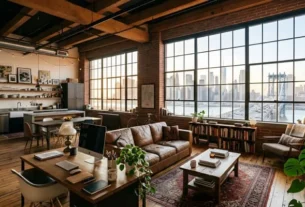
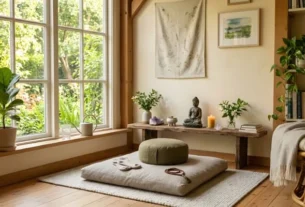
Comfort is often misunderstood as the accumulation of material possessions or elaborate amenities. However, authentic comfort stems from an environment that supports well-being with simplicity and intention. Living with fewer objects and less physical excess does not equate to living with less comfort. In fact, reducing unnecessary complexity can create a more serene and manageable home, which directly improves comfort.
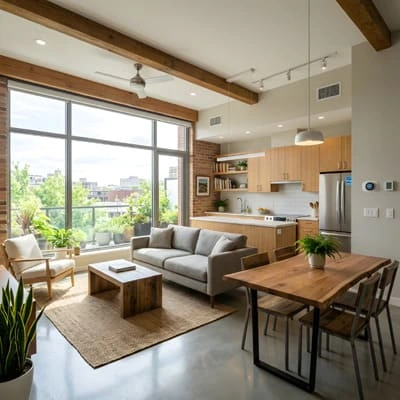
From an architectural perspective, the challenge lies in designing spaces that feel spacious, inviting, and functional without superfluous elements.
This approach aligns with the principles of minimalism and slow living, where comfort arises from clarity, quality of materials, and spatial harmony rather than quantity. In practice, this means prioritizing natural light, good ventilation, and intuitive layouts that respond to the occupants’ routines.
“The difference between a cluttered space and a truly comfortable home is not what you own, but how your environment supports your daily life.”
Thermal and Acoustic Comfort: Balancing Nature and Technology
Thermal comfort refers to the state in which a person feels neither too hot nor too cold, influenced by factors such as air temperature, humidity, and radiant heat. Acoustic comfort concerns the control of unwanted noise and the presence of soothing soundscapes within a living space. Both aspects are vital for a home’s livability and often require a delicate balance between natural design strategies and mechanical systems.
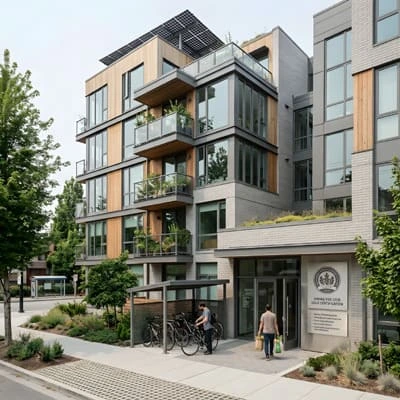
For example, passive solar design uses building orientation, shading, and thermal mass to regulate temperature naturally.
In climates with significant temperature swings, insulation and airtightness become critical. Similarly, acoustic comfort can be enhanced through sound-absorbing materials, thoughtful spatial planning, and buffering noisy external environments.
However, over-reliance on mechanical HVAC and soundproofing can lead to energy inefficiency and reduced occupant control.
According to research from the American Society of Heating, Refrigerating and Air-Conditioning Engineers (ASHRAE), achieving thermal comfort in residential buildings reduces stress and improves sleep quality, directly impacting overall health.
Psychological Comfort and the Role of Human-Centered Design
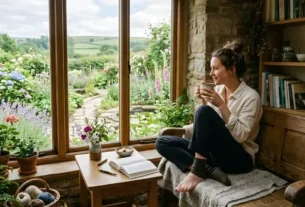
Psychological comfort is often overlooked but is fundamental in how occupants experience their homes. It includes feelings of safety, privacy, and connection to nature, as well as the emotional impact of colors, textures, and spatial organization.
Human-centered design focuses on understanding these psychological needs and embedding solutions into the architecture.
For instance, having clear sightlines, access to natural light, and spaces that accommodate social interaction or solitude contribute to a balanced mental state.
The use of biophilic design elements—incorporating plants, natural materials, and views of nature—further enhances psychological comfort by reducing stress and increasing a sense of well-being.
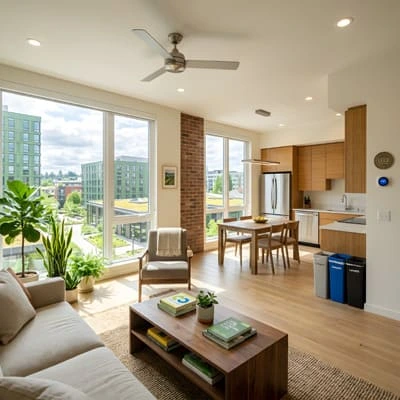
In practice, architects and designers who engage with how clients actually live—what routines they follow, how they move through space, and what triggers discomfort—can create homes that feel personalized and nurturing rather than generic or sterile.
“Comfort is not a universal formula; it is a tailored experience shaped by how a space interacts with its occupant’s mind and body.”
Climate-Aware Strategies That Sustain Comfort and Reduce Impact
Addressing comfort through the lens of climate awareness means designing homes that perform well in their specific environmental context. Strategies differ widely between hot, humid climates, cold regions, or temperate zones. Each requires a customized approach to maintain comfort while minimizing energy consumption.
- In hot climates, cross-ventilation, shading devices, and reflective materials reduce heat gain.
- Cold climates benefit from high insulation levels, heat retention strategies, and airtight construction.
- Temperate zones often use flexible designs that adapt seasonally, combining passive and active systems.
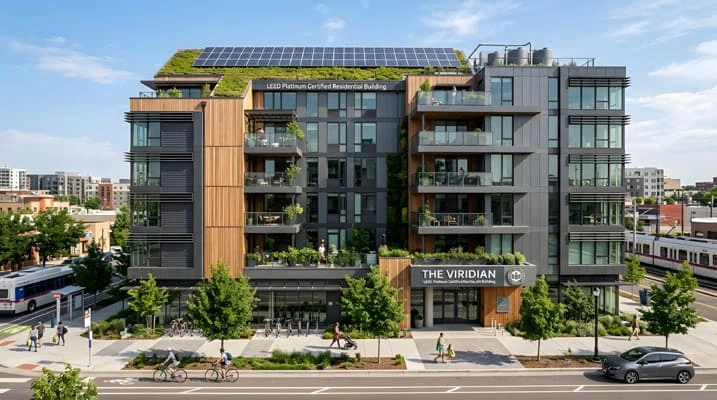
International standards such as LEED and WELL Building Standard emphasize climate-responsive design as a cornerstone of sustainable comfort. Data from the U.S. Department of Energy shows that buildings designed with integrated climate strategies can reduce energy use by up to 40%, all while enhancing occupant comfort.
Practical Examples and Lessons from Real Residential Projects
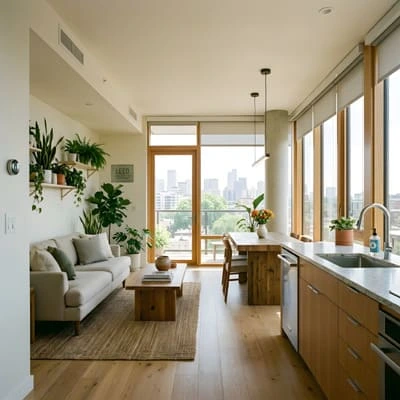
In my experience working on diverse residential projects, comfort always hinges on the alignment between design intent and lived reality. One notable case involved a small urban home designed with minimal furnishings but maximum daylight penetration and natural ventilation. The family reported feeling more relaxed and connected to their environment, despite having fewer possessions.
Another example comes from a cold climate renovation where adding thermal insulation and triple-glazed windows transformed a drafty house into a cozy refuge without increasing energy bills.
These projects demonstrate that comfort is achievable through thoughtful interventions tailored to context, rather than high-cost or high-consumption solutions.
Architects who integrate local knowledge, occupant feedback, and climate data create homes that excel not only in comfort but in sustainability and longevity.
What to Do Now: Applying Comfort Principles to Your Home
To enhance comfort without accumulating excess, start by assessing your current living environment through the lens of physical, thermal, acoustic, and psychological factors. Identify areas of discomfort and consider simple interventions such as decluttering, improving natural light, or adding plants.
Engage with designers or architects who prioritize human-centered and climate-aware approaches to guide more complex changes. Test passive strategies like shading or ventilation before investing in mechanical systems. Remember, comfort is dynamic—it evolves as your lifestyle and environment change.
Taking intentional steps in this direction fosters not only a more comfortable home but a more mindful way of living.
Frequently Asked Questions (FAQ)
What Exactly Defines Comfort in a Residential Setting?
Comfort in residential architecture encompasses physical ease, thermal balance, acoustic control, and psychological well-being. It means creating spaces that support daily activities without causing stress or fatigue. This includes proper temperature regulation, minimal unwanted noise, natural lighting, and emotional satisfaction derived from the design and environment.
Can Living with Fewer Possessions Improve My Comfort?
Yes. Reducing clutter simplifies space management and can lead to a more calming environment. Minimalism encourages intentional use of space and resources, which often results in improved mental clarity and physical ease. Comfort improves when homes feel spacious, organized, and aligned with occupants’ needs rather than overwhelmed by excess.
How Does Climate Affect Comfort in My Home?
Climate shapes the strategies needed to maintain comfort. For example, hot climates require shading and ventilation to prevent overheating, while cold climates focus on insulation and heat retention. Understanding your local climate allows you to apply design and technology solutions that keep your home comfortable year-round without excessive energy use.
What Role Does Psychological Comfort Play Compared to Physical Comfort?
Psychological comfort is equally important as physical comfort. It relates to feelings of safety, privacy, connection to nature, and emotional resonance with the space. Even a physically comfortable home can feel unsettling if it lacks these psychological aspects. Human-centered design addresses this by creating environments that nurture mental well-being alongside physical needs.
Are Mechanical Systems Necessary for Achieving Comfort?
Mechanical systems like HVAC and soundproofing can enhance comfort, but they are not always necessary. Passive design strategies often provide sufficient thermal and acoustic comfort when applied thoughtfully. Overreliance on mechanical systems can increase costs and environmental impact. Ideally, they complement, rather than replace, climate-responsive and human-centered design approaches.

Architect with extensive experience in residential and commercial design, including renovations and modular construction. Love to share information about Architecture, home and lifestyle in this blog.