Last updated on September 14th, 2026 at 08:01 pm
Choosing furniture that ages gracefully requires a nuanced understanding of materials, provenance, and lifestyle needs. Whether sourcing secondhand pieces, navigating bazaars, or investing in new designs, the goal remains the same: to create a living environment that matures in character and function without succumbing to fleeting trends. This approach respects both the architectural integrity of a home and the environmental impacts embedded in the furniture industry.
Incorporating secondhand, bazaar, and new furniture thoughtfully allows for a balance between sustainability, aesthetics, and durability. This article explores how these three avenues intersect, offering practical insights for residential spaces informed by climate awareness, intentional living, and real-world architectural experience.
The Essentials You Need to Know
- Secondhand furniture often carries unmatched craftsmanship and patina, offering sustainable and character-rich options for long-term use.
- Bazaars provide a diverse marketplace where cultural context and affordability meet, but quality assessment is crucial to avoid premature wear.
- New furniture allows for customization and modern material advances, yet demands scrutiny about environmental footprint and production ethics.
- Successfully aging furniture depends on selecting pieces with timeless design, durable materials, and adaptability to changing living conditions.
- Integrating pieces from secondhand, bazaar, and new sources enriches a home’s narrative while promoting a circular economy in interior architecture.
Balancing Secondhand, Bazaar, and New Furniture in Residential Design
The decision to incorporate secondhand, bazaar, or new furniture in a home is more than a matter of budget—it is an architectural choice that influences spatial quality, sustainability, and longevity. Secondhand furniture refers to pieces previously owned and used, often embodying craftsmanship and materials that are rare today. .
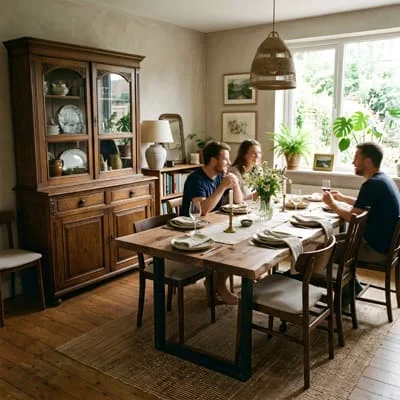
Bazaars, typically open markets or fairs, offer eclectic collections from various cultures and eras, sometimes blending handcrafted items with mass-produced goods.
New furniture, in contrast, emerges from contemporary production lines, often emphasizing innovation and current design trends.
Each category brings unique advantages and challenges. Secondhand options can reduce environmental impact by extending the life of existing materials but may require restoration or adaptation.
Bazaar finds introduce cultural richness and affordability but demand keen evaluation to ensure structural soundness.
New furniture offers guarantees of condition and warranty but often entails higher carbon footprints and shorter design lifecycles. Recognizing these trade-offs enables more intentional choices aligned with both personal values and architectural integrity.
“The difference between furniture that ages gracefully and that which quickly dates is not just in style—it lies in material longevity, adaptability, and provenance.”
Understanding Material Durability and Environmental Impact Across Sources
Material selection is the cornerstone of furniture longevity. Solid hardwoods like oak, walnut, and teak, often found in secondhand or bazaar pieces, naturally resist wear and develop character over decades. Engineered woods and composites, common in new furniture, may offer cost savings but tend to degrade faster, especially under variable indoor climates.
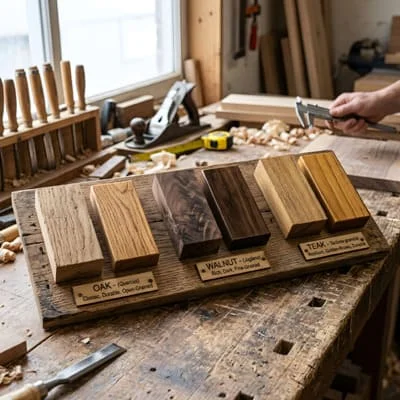
Metal and leather elements also vary significantly in longevity depending on treatment and origin.
Environmental impact takes on a different dimension in each category.
According to the Environmental Protection Agency (EPA), extending the lifecycle of furniture by purchasing secondhand reduces landfill waste and curbs demand for virgin resources (EPA Sustainable Management of Materials).
Conversely, new furniture manufacturing can emit considerable greenhouse gases, especially when materials are sourced globally and shipped extensively.
Bazaars often feature local craftspeople, supporting regional economies and minimizing transport emissions, but quality control varies dramatically.
In practice, choosing pieces that marry durability with sustainability demands research and sometimes compromise. For example, a vintage oak dining table may require refinishing but will likely outlast a new laminate counterpart by decades, justifying the upfront investment in maintenance.
Assessing Quality and Authenticity in Bazaar and Secondhand Markets
Buying from bazaars or secondhand markets involves more than spotting an appealing silhouette. Authenticity and structural integrity are paramount. Many bazaars feature handcrafted furniture, which, while unique, can have variable construction standards depending on the artisan or region. Similarly, secondhand pieces may suffer hidden damages or previous poor repairs.
- Inspect joints and connections—solid joinery (dovetail, mortise and tenon) signals quality.
- Check for signs of pest damage, especially in older wooden furniture.
- Understand the provenance: where and how a piece was made provides insights into expected durability.
- Evaluate finishes and upholstery for wear and potential need for restoration.
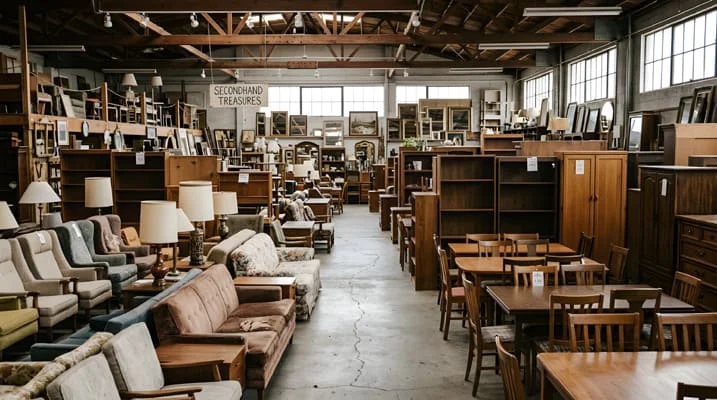
Who works regularly in this market knows that some of the best finds require patience and a trained eye. For instance, a mid-century chair with original leather may present minor surface cracks but remain structurally sound and more sustainable than a newly produced alternative. Engaging with reputable dealers or using third-party appraisals can mitigate risks and enhance confidence in purchases.
“In secondhand and bazaar furniture, craftsmanship and provenance often reveal more about longevity than brand names or price tags.”
New Furniture Innovations and Their Role in Aging Gracefully
Modern furniture design benefits from advances in materials science, manufacturing, and ergonomic research. New pieces can incorporate sustainably sourced wood, recycled metals, and non-toxic finishes that align with climate-aware goals. Additionally, modular designs and customisable options support adaptability to evolving lifestyles and spatial constraints.
Strategies for Integrating Secondhand, Bazaar, and New Furniture Cohesively
Creating a cohesive interior that gracefully ages involves more than mixing old and new—it requires intentional layering and respect for the home’s architectural language. Consider the following strategies:
- Anchor spaces with durable secondhand statement pieces that carry history and weight.
- Use bazaar finds as accent elements reflecting cultural narratives and personal stories.
- Invest in new furniture where function, comfort, and warranty are critical, such as seating or beds.
- Maintain consistency in material palettes and finishes to unify diverse pieces.
- Plan for maintenance and restoration as part of the furniture’s lifecycle.
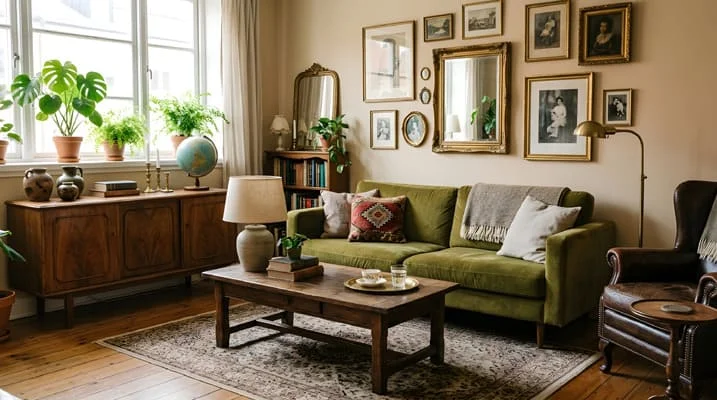
In practice, I have seen interiors where a well-chosen vintage cabinet from a local bazaar harmonizes with a custom-built new dining table, both anchored by a reclaimed hardwood floor. This interplay of sources enriches spatial experience and extends the furniture’s relevance over time.
“Integrating furniture from multiple sources is not a compromise but a deliberate dialogue between past, present, and future in residential spaces.”
What to Do Now to Choose Furniture That Ages Gracefully
Begin by auditing existing pieces and defining your needs in function, style, and sustainability. Visit local secondhand stores and bazaars with a checklist focused on material quality, structural integrity, and provenance. When considering new furniture, prioritize certifications and manufacturers with transparent supply chains.
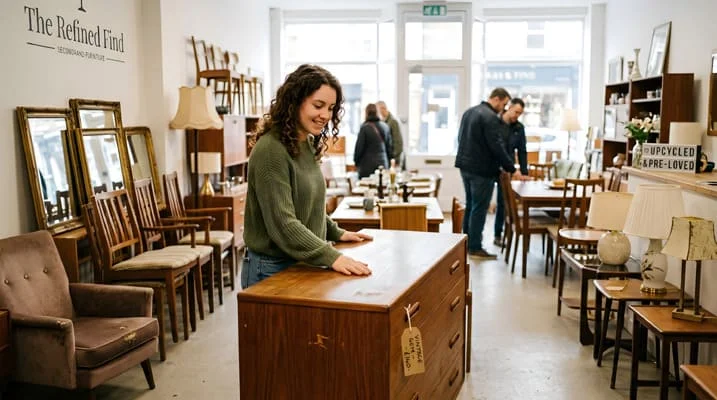
Test small investments first—perhaps a side table or chair—before committing to larger pieces. Document your findings and preferences to build an informed purchasing plan. Ultimately, furniture that ages gracefully is the result of thoughtful curation, ongoing care, and a willingness to embrace imperfection as part of a home’s evolving story.
Frequently Asked Questions (FAQ)
What Are the Main Benefits of Buying Secondhand Furniture?
Secondhand furniture offers sustainability advantages by extending the lifecycle of materials and reducing demand for new production. It often features superior craftsmanship and unique designs not found in mass-produced items. Additionally, secondhand pieces develop a natural patina over time, adding character to interiors. However, buyers should inspect for structural integrity and potential restoration needs to ensure longevity.
How Can I Assess the Quality of Bazaar Furniture Before Purchasing?
Assessing bazaar furniture quality involves careful examination of joinery, materials, and finish. Look for traditional construction techniques like dovetail or mortise and tenon joints, which indicate durability. Check for signs of damage such as woodworm or loose components. Understanding the cultural origin helps anticipate usage and maintenance. Whenever possible, buy from trusted vendors or request provenance information to reduce risks.
Is New Furniture Always Less Sustainable Than Secondhand or Bazaar Options?
Not necessarily. While new furniture generally carries a higher environmental footprint due to raw material extraction and manufacturing, advances in sustainable materials, certifications, and local production can mitigate impacts. For example, FSC-certified wood and recycled metals improve sustainability. The key is to evaluate the entire product lifecycle, including durability, repairability, and end-of-life options.
How Do I Maintain Furniture to Ensure It Ages Well?
Maintenance depends on material and use but generally involves regular cleaning with appropriate products, protecting surfaces from excessive sunlight and moisture, and timely repairs of minor damages. For wood, periodic refinishing or oiling preserves appearance and strength. Upholstered items benefit from professional cleaning and rotating cushions. Proactive care extends lifespan and maintains aesthetic appeal.
Can Mixing Secondhand, Bazaar, and New Furniture Create a Cohesive Interior Style?
Yes. Combining these sources can add depth and personality when done thoughtfully. Key considerations include aligning color palettes, materials, and scale to maintain visual harmony. Using secondhand pieces as anchors and bazaars for accents helps balance uniqueness with functionality. New furniture can fill gaps with modern comfort and adaptability, creating an intentional, layered environment that evolves gracefully.

Architect with extensive experience in residential and commercial design, including renovations and modular construction. Love to share information about Architecture, home and lifestyle in this blog.